




March 2022
How to Take Care of Your Feet When You Have Diabetes
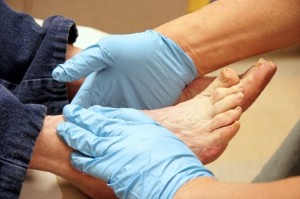 Diabetes can affect foot health and cause peripheral neuropathy, a condition where the central nervous system is damaged and signals from the brain to one’s feet do not work properly. This can cause inflammation and lead to numbness, tingling, and increased sensitivity in the feet, as well as more severe problems like foot ulcers and infections. Changes in lifestyle and diet can help keep blood sugar and weight in a target range that will help prevent nerve damage and neuropathy. Following diabetic food guidelines and eating at regular intervals are key to controlling diabetes and side effects like peripheral neuropathy from developing. It is also important to check your feet frequently to look for cuts, swelling, or other abnormalities. Having your feet checked regularly by a podiatrist when you have diabetes can help you stay on top of your foot health and prevent more serious complications from developing.
Diabetic foot care is important in preventing foot ailments such as ulcers. If you are suffering from diabetes or have any other concerns about your feet, contact the podiatrists from Issaquah Foot & Ankle Specialists. Our doctors can provide the care you need to keep you pain-free and on your feet.
Diabetic Foot Care
Diabetes affects millions of people every year. The condition can damage blood vessels in many parts of the body, especially the feet. Because of this, taking care of your feet is essential if you have diabetes, and having a podiatrist help monitor your foot health is highly recommended.
The Importance of Caring for Your Feet
- Routinely inspect your feet for bruises or sores.
- Wear socks that fit your feet comfortably.
- Wear comfortable shoes that provide adequate support.
Patients with diabetes should have their doctor monitor their blood levels, as blood sugar levels play such a huge role in diabetic care. Monitoring these levels on a regular basis is highly advised.
It is always best to inform your healthcare professional of any concerns you may have regarding your feet, especially for diabetic patients. Early treatment and routine foot examinations are keys to maintaining proper health, especially because severe complications can arise if proper treatment is not applied.
If you have any questions, please feel free to contact one of our offices located in Issaquah, WA . We offer the newest diagnostic and treatment technologies for all your foot care needs.
The 5 Types of Running Shoes

Finding the right running shoe to accommodate your foot structure and prevent injury can be a daunting task, particularly if you are a beginner. Here is a brief introduction of the 5 types of running shoes. 1) Racing Flats are lightweight shoes built for long distance and speed with far less cushioning than those made for more general training. They are not appropriate if you are just starting out. 2) Trail Runners are protective and stable running shoes made to accommodate the changing terrain you would encounter in nature (mud, road, grass, hard packed surfaces). 3) Stability Sneakers, made for people with normal arches, support the arch and ankle during the gait cycle and help prevent the foot from overpronation (extreme inward rolling). 4) Motion Control Shoes have a more rigid construction which can help avoid overpronation in people with low arches or with pronation problems. Heavier runners may benefit also from their extra stability and durability. 5) Cushioned Shoes, or neutral padded shoes, can help runners that do not pronate sufficiently during the gait cycle, which may help those with high arches. This footwear offers extra shock absorption in the midsole and outsole. For more individualized advice on the specific features that would be most beneficial for your individual feet and fitness goals, consult with a podiatrist.
You should always make sure your running shoes fit properly in order to avoid injury. For more information, contact the podiatrists from Issaquah Foot & Ankle Specialists. Our doctors can provide the care you need to keep you pain-free and on your feet.
Choosing the Right Running Shoe for Your Foot Type
Improper shoe sizing can cause a myriad of problems for your feet. Shoes that don’t fit you properly can lead to muscular imbalances in your body, which can result in foot, knee, and hip injuries.
Tips for Finding the Right Running Shoe
- Make sure you have a thumb’s width of wiggle room between the end of your longest toe and the front of the shoe.
- There should be little to no slipping at the heel
- Don’t assume your size in one shoe brand will be your size in another
- Do not lace up your shoes too tightly
- Walk around in the store with your new shoes before you buy them
If you have any questions, please feel free to contact one of our offices located in Issaquah, WA . We offer the newest diagnostic and treatment technologies for all your foot care needs.
A Common Treatment Option for a BrokenToe
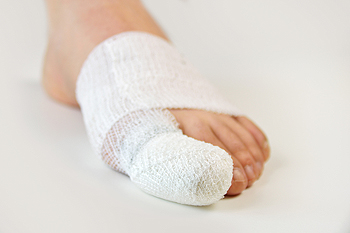 Common causes of broken toes can include stubbing your toe against a piece of furniture or dropping a heavy object on it. Each toe consists of small bones and can abruptly break from sudden impact. It can be easy to notice a broken toe: Common symptoms include severe pain, bruising, and swelling. Relief may be found when the affected foot is elevated, and this may help to reduce some of the swelling. Some patients find it helpful to tape the broken toe to the toe next to it. This is referred to as buddy taping and can be effective in providing necessary stability. It is suggested to stay off the foot, and to refrain from physical activity that requires walking. If you have broken your toe, please seek counsel from a podiatrist who can help you with correct treatment methods.
A broken toe can be very painful and lead to complications if not properly fixed. If you have any concerns about your feet, contact the podiatrists from Issaquah Foot & Ankle Specialists. Our doctors will treat your foot and ankle needs.
What to Know About a Broken Toe
Although most people try to avoid foot trauma such as banging, stubbing, or dropping heavy objects on their feet, the unfortunate fact is that it is a common occurrence. Given the fact that toes are positioned in front of the feet, they typically sustain the brunt of such trauma. When trauma occurs to a toe, the result can be a painful break (fracture).
Symptoms of a Broken Toe
- Throbbing pain
- Swelling
- Bruising on the skin and toenail
- The inability to move the toe
- Toe appears crooked or disfigured
- Tingling or numbness in the toe
Generally, it is best to stay off of the injured toe with the affected foot elevated.
Severe toe fractures may be treated with a splint, cast, and in some cases, minor surgery. Due to its position and the pressure it endures with daily activity, future complications can occur if the big toe is not properly treated.
If you have any questions, please feel free to contact one of our offices located in Issaquah, WA . We offer the newest diagnostic and treatment technologies for all your foot care needs.
Heel Pain Can Be Treated!
Do you suffer from heel pain when you get up in the morning? If so, you should seek professional help and have a proper diagnosis performed. Heel pain can be caused by several different foot-related conditions.
What to Do After Hammertoe Surgery
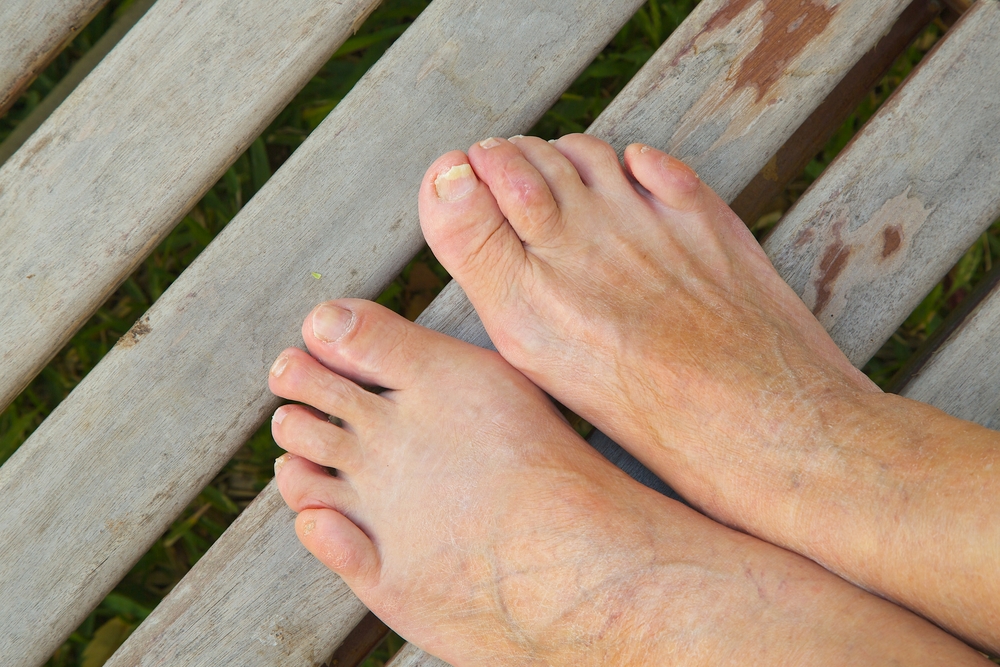 During hammertoe surgery, the deformed toe is straightened to relieve pain and improve your quality of life. General recovery from hammertoe surgery usually takes around six weeks. After your surgery, it is very important to follow your doctor’s instructions so that your toe can heal properly. At home, elevate and rest your foot as often as you can. Wear wide, comfortably fitting shoes that give your toes plenty of space and avoid high heeled shoes. You may be prescribed medications to relieve pain and prevent infection, which you should take as directed. You may also be asked to avoid certain activities to keep pressure off your foot. For more information about surgical aftercare, please consult with your podiatrist.
Hammertoe
Hammertoes can be a painful condition to live with. For more information, contact the podiatrists from Issaquah Foot & Ankle Specialists. Our doctors will answer any of your foot- and ankle-related questions.
Hammertoe is a foot deformity that affects the joints of the second, third, fourth, or fifth toes of your feet. It is a painful foot condition in which these toes curl and arch up, which can often lead to pain when wearing footwear.
Symptoms
- Pain in the affected toes
- Development of corns or calluses due to friction
- Inflammation
- Redness
- Contracture of the toes
Causes
Genetics – People who are genetically predisposed to hammertoe are often more susceptible
Arthritis – Because arthritis affects the joints in your toes, further deformities stemming from arthritis can occur
Trauma – Direct trauma to the toes could potentially lead to hammertoe
Ill-fitting shoes – Undue pressure on the front of the toes from ill-fitting shoes can potentially lead to the development of hammertoe
Treatment
Orthotics – Custom made inserts can be used to help relieve pressure placed on the toes and therefore relieve some of the pain associated with it
Medications – Oral medications such as anti-inflammatories or NSAIDs could be used to treat the pain and inflammation hammertoes causes. Injections of corticosteroids are also sometimes used
Surgery – In more severe cases where the hammertoes have become more rigid, foot surgery is a potential option
If you have any questions, please feel free to contact one of our offices located in Issaquah, WA . We offer the newest diagnostic and treatment technologies for all your foot care needs.
What Are Orthotics Used For?
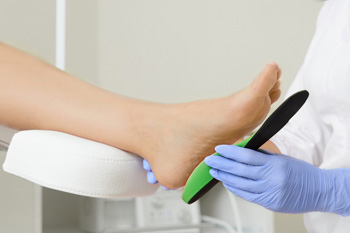 Orthotics are designed to be inserted into shoes to help realign the feet or relieve pressure caused by other foot-related problems. They can also help with non-foot issues, such as knee pain or lower back pain. Orthotics can be made to take stress off certain parts of the feet, or to keep the feet aligned. Orthotics are also often used as a method to delay surgery (e.g., when a child needs to wait for their growth plates to close or for their bones to grow more) or to help alleviate pain after surgery. There are multiple ways to make orthotics as well. These methods include laser scanning the foot, using a foam box, or using a plaster cast. If you believe that orthotics are right for you, consulting with a podiatrist is suggested.
If you are having discomfort in your feet and would like to try orthotics, contact the podiatrists from Issaquah Foot & Ankle Specialists. Our doctors can provide the care you need to keep you pain-free and on your feet.
What Are Orthotics?
Orthotics are inserts you can place into your shoes to help with a variety of foot problems such as flat feet or foot pain. Orthotics provide relief and comfort for minor foot and heel pain but can’t correct serious biomechanical problems in your feet.
Over-the-Counter Inserts
Orthotics come in a wide variety of over-the-counter inserts that are used to treat foot pain, heel pain, and minor problems. For example, arch supports can be inserted into your shoes to help correct overarched or flat feet, while gel insoles are often used because they provide comfort and relief from foot and heel pain by alleviating pressure.
Prescription Orthotics
If over-the-counter inserts don’t work for you or if you have a more severe foot concern, it is possible to have your podiatrist prescribe custom orthotics. These high-quality inserts are designed to treat problems such as abnormal motion, plantar fasciitis, and severe forms of heel pain. They can even be used to help patients suffering from diabetes by treating foot ulcers and painful calluses and are usually molded to your feet individually, which allows them to provide full support and comfort.
If you are experiencing minor to severe foot or heel pain, it’s recommended to speak with your podiatrist about the possibilities of using orthotics. A podiatrist can determine which type of orthotic is right for you and allow you to take the first steps towards being pain-free.
If you have any questions, please feel free to contact one of our offices located in Issaquah, WA . We offer the newest diagnostic and treatment technologies for all your foot care needs.
