




January 2020
Can Medical Conditions Cause Cracked Heels?
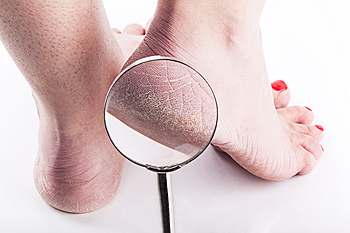 A common cause of cracked heels often begins with dry skin. As this progresses, the skin on the outer edges of the heel may bleed, causing pain and discomfort. This can happen as a result of environment, genetics, and medical conditions that can include diabetes and thyroid concerns. It may become worse as daily activities are accomplished, and this may be a result of the weight the heel endures while standing and walking. Many patients have found relief when the feet are washed and dried thoroughly, followed by applying a good moisturizer. For mild cases of cracked heels, it may be beneficial to soak the feet in warm water to soften the skin. If you have the beginning symptoms of cracked heels, it is suggested that you consult with a podiatrist who can offer you proper treatment techniques.
Cracked heels are unsightly and can cause further damage to your shoes and feet. If you have any concerns, contact the podiatrists from Issaquah Foot & Ankle Specialists. Our doctors can provide the care you need to keep you pain-free and on your feet.
Cracked Heels
Cracked heels appear unappealing and can make it harder for you walk around in sandals. Aside from looking unpleasant, cracked heels can also tear stockings, socks, and wear out your shoes. There are several methods to help restore a cracked heel and prevent further damage.
How Do You Get Them?
Dry skin is the number one culprit in creating cracked heels. Many athletes, walkers, joggers, and even swimmers suffer from cracked heels. Age and skin oil production play a role to getting cracked heels as well.
Promote Healing
Over the counter medicines can help, especially for those that need instant relief or who suffer from chronic dry feet.
Wear Socks – Wearing socks with medicated creams helps lock in moisture.
Moisturizers – Applying both day and night will help alleviate dryness which causes cracking.
Pumice Stones – These exfoliate and remove dead skin, which allows for smoother moisturizer application and better absorption into the skin.
Change in Diet
Eating healthy with a well-balanced diet will give the skin a fresh and radiant look. Your body responds to the kinds of food you ingest. Omega-3 fatty acids and zinc supplements can also revitalize skin tissue.
Most importantly, seek professional help if unsure how to proceed in treating cracked heels. A podiatrist will help you with any questions or information needed.
If you have any questions, please feel free to contact one of our offices located in Issaquah, WA . We offer the newest diagnostic and treatment technologies for all your foot care needs.
Possible Causes of Plantar Hyperhidrosis
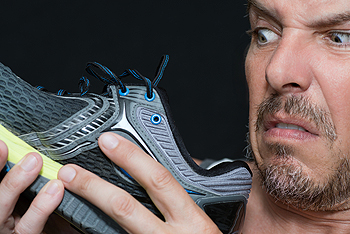 Patients who have excessively sweaty feet may have a condition that is referred to as plantar hyperhidrosis. It may be caused by genetic factors, in addition to extreme emotional or physical stress. This condition may be treated by wearing inner soles that are absorbent, and the feet may feel better while using powders that can absorb the sweat. Additionally, it may help to change socks frequently, which may be beneficial in preventing an infection. If you are suffering from sweaty feet, it is advised that you seek the counsel of a podiatrist who can help you find the right treatment method.
If you are suffering from hyperhidrosis contact the podiatrists of Issaquah Foot & Ankle Specialists. Our doctors can provide the care you need to attend to all of your foot and ankle needs.
Hyperhidrosis of the Feet
Hyperhidrosis is a rare disorder that can cause people to have excessive sweating of their feet. This can usually occur all on its own without rigorous activity involved. People who suffer from hyperhidrosis may also experience sweaty palms.
Although it is said that sweating is a healthy process meant to cool down the body temperature and to maintain a proper internal temperature, hyperhidrosis may prove to be a huge hindrance on a person’s everyday life.
Plantar hyperhidrosis is considered to be the main form of hyperhidrosis. Secondary hyperhidrosis can refer to sweating that occurs in areas other than the feet or hands and armpits. Often this may be a sign of it being related to another medical condition such as menopause, hyperthyroidism and even Parkinson’s disease.
In order to alleviate this condition, it is important to see your doctor so that they may prescribe the necessary medications so that you can begin to live a normal life again. If this is left untreated, it is said that it will persist throughout an individual’s life.
A last resort approach would be surgery, but it is best to speak with your doctor to find out what may be the best treatment for you.
If you have any questions, please feel free to contact one of our offices located in Issaquah, WA . We offer the newest diagnostic and treatment technologies for all your foot care needs.
What Is the Bump on the Side of My Big Toe?
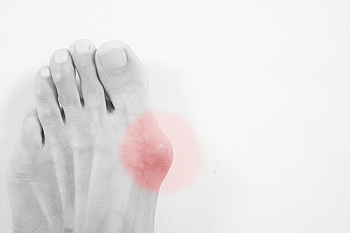 If you notice a bump on the side of your big toe, you may have what is referred to as a bunion. It may cause pain and discomfort, and it may be difficult to wear shoes that are typically worn on a weekly basis. Some of the symptoms that are generally associated with this condition can include calluses that form on top of the bunion, pain and swelling surrounding the affected area, and the skin may feel sore. Bunions have been known to be caused by wearing shoes that do not have ample room for the toes to move freely in. Additionally, there may be existing medical conditions such as gout or rheumatoid arthritis that can contribute to this condition. If you have developed a bunion, it is advised that you consult with a podiatrist who can offer you proper treatment options.
If you are suffering from bunions, contact the podiatrists of Issaquah Foot & Ankle Specialists. Our doctors can provide the care you need to keep you pain-free and on your feet.
What Is a Bunion?
A bunion is formed of swollen tissue or an enlargement of boney growth, usually located at the base joint of the toe that connects to the foot. The swelling occurs due to the bones in the big toe shifting inward, which impacts the other toes of the foot. This causes the area around the base of the big toe to become inflamed and painful.
Why Do Bunions Form?
Genetics – Susceptibility to bunions are often hereditary
Stress on the feet – Poorly fitted and uncomfortable footwear that places stress on feet, such as heels, can worsen existing bunions
How Are Bunions Diagnosed?
Podiatrists often perform two tests – blood tests and x-rays – when trying to diagnose bunions, especially in the early stages of development. Blood tests help determine if the foot pain is being caused by something else, such as arthritis, while x-rays provide a clear picture of your bone structure to your provider.
How Are Bunions Treated?
- Refrain from wearing heels or similar shoes that cause discomfort
- Select wider shoes that can provide more comfort and reduce pain
- Anti-inflammatory and pain management drugs
- Orthotics or foot inserts
- Surgery
If you have any questions, please feel free to contact one of our offices located in Issaquah, WA . We offer the newest diagnostic and treatment technologies for all your foot care needs.
Heel Pain Can Be Treated!

Do you suffer from heel pain when you get up in the morning? If so, you should seek professional help and have a proper diagnosis performed. Heel pain can be caused by several different foot-related conditions.
Children and Walking Barefoot
 When babies are born, their feet are generally soft and flexible. Research has shown the feet may become stronger when walking is done barefoot while indoors. This may help to strengthen the overall foot as the toes grasp the floor for balance. When the first pair of shoes are purchased, it is helpful that the shoes are made of lightweight and breathable materials. Additionally, there needs to be adequate room at the top of the shoes so the toes can move freely. This may help to prevent ingrown toenails from developing. Good foot hygiene begins with teaching your child how to properly wash and dry their feet, in addition to helping them to stretch their feet. If you would like more information about how to care for children’s feet, please consult with a podiatrist.
Making sure that your children maintain good foot health is very important as they grow. If you have any questions, contact the podiatrists of Issaquah Foot & Ankle Specialists. Our doctors can provide the care you need to keep you pain-free and on your feet.
Keeping Children's Feet Healthy
Having healthy feet during childhood can help prevent medical problems later in life, namely in the back and legs. As children grow, their feet require different types of care. Here are some things to consider...
Although babies do not walk yet, it is still very important to take care of their feet.
Avoid putting tight shoes or socks on his or her feet.
Allow the baby to stretch and kick his or her feet to feel comfortable.
As a toddler, kids are now on the move and begin to develop differently. At this age, toddlers are getting a feel for walking, so don’t be alarmed if your toddler is unsteady or ‘walks funny’.
As your child gets older, it is important to teach them how to take care of their feet.
Show them proper hygiene to prevent infections such as fungus.
Be watchful for any pain or injury.
Have all injuries checked by a doctor as soon as possible.
Comfortable, protective shoes should always be worn, especially at play.
If you have any questions, please feel free to contact one of our offices located in Issaquah, WA . We offer the newest diagnostic and treatment technologies for all your foot care needs.
Minimally Invasive Bunion Procedures
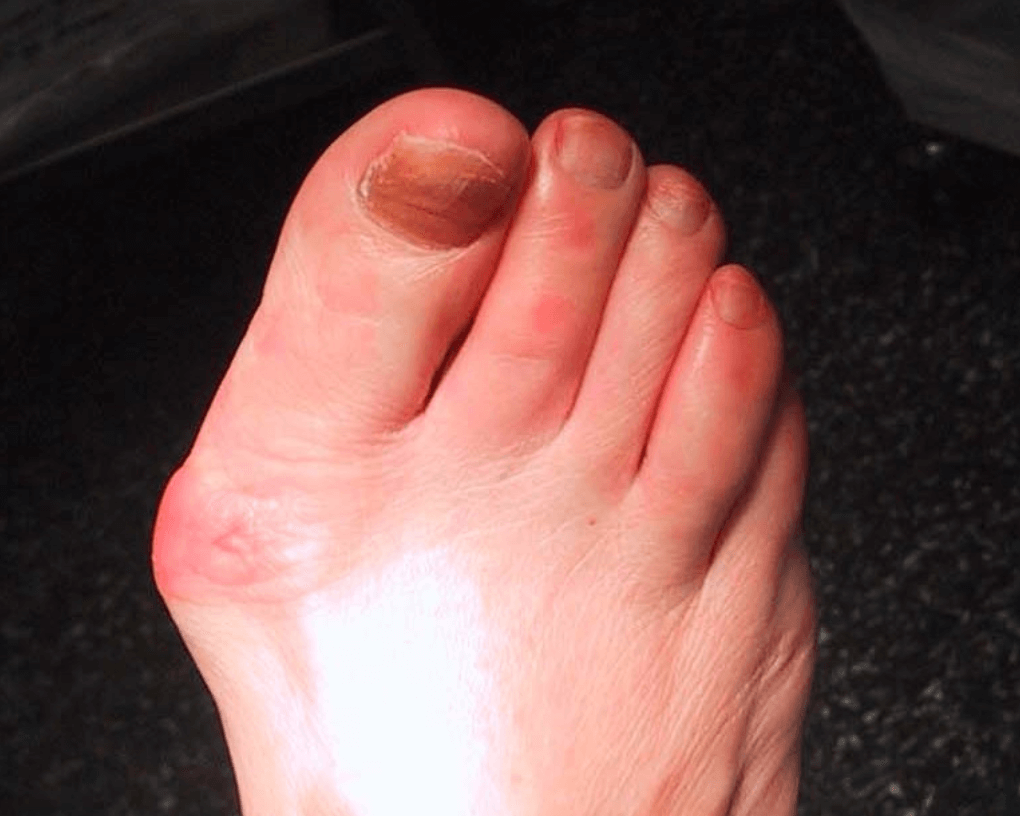
I get quite a few questions from patients each week pertaining to minimally invasive bunion procedures. The idea of minimally invasive surgery is attractive to patients as it usually means less healing time and smaller scars. The concept of a minimally invasive bunion has been around for decades and continues to come in and out of favor. The major problem I see is that patients often can find a physician willing to do this procedure when it is not an appropriate procedure to select i.e. the patient has a very large bunion or other complicating factors like a flatfoot.
I find the minimally invasive bunion procedure to be reliable and easily producible but proper patient selection is of the utmost importance. I see hundreds of patients a year and am happy to provided consultations or second opinions on bunions and bunion surgery. Our practice has an onsite surgery center which is a huge time savings and cost savings for patients. We see the average patient save tens of thousands of dollars as compared to having the surgery performed at a hospital.
Give our Issaquah Podiatrists a call today at 425-391-8666 or make an appointment online today.
