


January 2018


The posterior tibial tendon, due to its anatomical structures, is prone to tearing and degeneration, which can cause increased pain and swelling. It is especially common for people with flatfeet and a tight Achilles tendon.  The disease process of the tendon can be called tendinitis or tendinopathy and with continuation of the pathology people can develop flatfoot which can lead arthritis of the joints. The most common area for this process disease to occur is right below the ankle bone due to the vascular supply in this region being tenuous.  Quite a few people that present with posterior tibial tendinitis, especially athletic people. There are many conservative and surgical options available. 


One of the most recent and advanced medical technology this platelet rich plasma and stem cell therapy. This process releases growth factors and bioactive molecules when the platelets are activated. Platelets are part of the normal repair process and injecting platelet rich plasma can accelerate the healing process. This is typically harvested from patient’s own blood and injected into the site of pain. Over the last few years there has been extensive discussion about platelet rich plasma and the results continue to be promising. For athletic patients this can be quicker than typical surgical repair and patients have no surgical scar. Regenerative medicine has emerged as an alternative approach to typical surgical repair and we're excited to offer platelet rich plasma and stem cell therapy at our practice. This is not only successful for posterior tibial tendinitis can be also applied other tendinitis including Achilles tendinitis and plantar fasciitis.


If you are experiencing any foot or heel pain, do not hesitate to give us a call at 425-391-8666 or contact us online.


Friday, 12 January 2018 17:48

Thoughts on Postoperative Wound Healing

Thoughts on Postoperative Wound Healing


From a surgical standpoint we close soft tissue layer by layer to help facilitate wound healing. The deeper layers have absorbable suture. The skin can have a combination of absorbable and nonabsorbable suture, I usually remove sutures between 2 and 3 weeks after surgery. Wounds on the top of the foot heal much faster than on the bottom. The skin is thicker on the bottom and it's not uncommon for wounds to take 3 or 4 weeks to heal on the bottom of the foot. Larger incisions take longer to heal. Some anatomical areas of the foot and ankle have more skin tension and require more protection and more time before the wound is fully closed, and the sutures are ready to come out. 


Sometimes Steri-Strips are helpful to maintain wound strength is the final healing is occurring. If there is tension on the incision site, then postoperative cast boot immobilization or other protection can help avoid excessive stress on the wound, and incision. In general the foot has less blood flow than other parts the body and that is a factor in why the wounds take longer to heal.


If you are experiencing any foot or heel pain, do not hesitate call us at 425-391-8666 or contact us online.


Speeding up and optimizing wound healing after foot surgery has always been a priority at our clinic. There are several aspects of wound healing. One is the soft tissue and skin healing component, and another is bone healing which is not being dealt with in this discussion. Regarding soft tissue and skin healing, some people seem to heal much quicker than others. It's not always clear why. One other aspect is nutrition. Supplements that are known to help with wound healing include vitamin C, collagen and zinc. An additional supplement that has recently had more attention is beta glucan. 

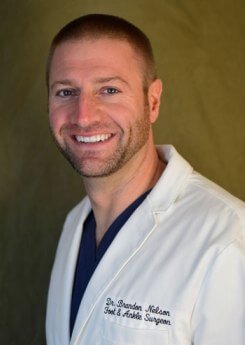
There are studies that show the diabetics wounds heal faster with this supplementation. Beta glucan is taken one half hour before meals or 2 hours after meals for best absorption.  Zinc can compete with calcium and magnesium absorption so it is best taken without other supplements, a typical dosage would be between 25 and 50 mg of zinc per day. Vitamin C 500 mg twice daily is also recommended. Collagen is available from various sources, it is best to talk to your health care provider regarding recommendations for this. If you have upcoming foot or ankle surgery you should discuss how to optimize her wound healing with your surgeon. Let us know if he would like to make an appointment at our clinic to speak to either myself or Dr. Timothy Young, or my partner Dr. Brandon Nelson to discuss these topics.

5 out of 5 stars
Total Reviews : 270