




July 2022
Reducing and Recovering From Sports Injuries of the Toe
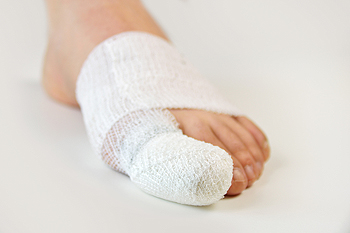
While toe injuries are usually not serious, they can seriously impede the progress of an athlete. If you participate in sports, it is critical that you wear the right shoes for the sport that you participate in. Watch for toe fractures by tending to the severity of the pain felt and possible swelling, looking for deformities of the toe or toenail and other possible wounds. If a toe is sprained and not broken, it can be buddy taped to the toe next to it to reduce pain and speed recovery. Doing some basic motion exercises might also help with blood flow, and reduce pain and stiffness. Toe injuries left untreated or unaddressed for too long could lead to stiffness, arthritis, or permanent pain long-term. Toe injuries sustained during sports that involve fractures or do not heal after resting for a period of time should be seen by a podiatrist for proper diagnosis and guidance in treatment.
Sports related foot and ankle injuries require proper treatment before players can go back to their regular routines. For more information, contact the podiatrists of Issaquah Foot & Ankle Specialists. Our doctors can provide the care you need to keep you pain-free and on your feet.
Sports Related Foot and Ankle Injuries
Foot and ankle injuries are a common occurrence when it comes to athletes of any sport. While many athletes dismiss the initial aches and pains, the truth is that ignoring potential foot and ankle injuries can lead to serious problems. As athletes continue to place pressure and strain the area further, a mild injury can turn into something as serious as a rupture and may lead to a permanent disability. There are many factors that contribute to sports related foot and ankle injuries, which include failure to warm up properly, not providing support or wearing bad footwear. Common injuries and conditions athletes face, including:
- Plantar Fasciitis
- Achilles Tendinitis
- Achilles Tendon Rupture
- Ankle Sprains
Sports related injuries are commonly treated using the RICE method. This includes rest, applying ice to the injured area, compression and elevating the ankle. More serious sprains and injuries may require surgery, which could include arthroscopic and reconstructive surgery. Rehabilitation and therapy may also be required in order to get any recovering athlete to become fully functional again. Any unusual aches and pains an athlete sustains must be evaluated by a licensed, reputable medical professional.
If you have any questions please contact one of our offices located in Issaquah, WA . We offer the newest diagnostic and treatment technologies for all your foot and ankle needs.
How Long Does a Broken Toe Take To Heal?

Breaking any bone in the body can be a serious threat to your overall health and well-being. Broken toes are no exception. Since the bones in the toes are smaller, they can be particularly vulnerable to being injured and broken. When broken, toe bones will often bleed and swell. It is common also to identify blood beneath the toenail. Breaking bones in the toes is usually extremely painful and can make walking especially difficult. Many patients will wonder how long it takes for a broken toe to heal. Although it varies depending on the patient, the injury, and the particular toe bone, there are several rules of thumb to follow. Broken big toes generally take longer to heal. After wearing a walking boot and then eventually a shoe with a stiff sole, patients can recover from broken big toes in approximately 6 to 8 weeks. Broken toes other than the big toe, commonly the pinky toe, take less time to heal. For example, after strapping and wearing shoes with stiff soles, a patient can recover from a broken pinky toe in 4 to 6 weeks. No patient wants to suffer a broken toe injury for longer than is necessary or to prolong the pain. However, it is important to let the bone take time to properly heal. Always talk with a podiatrist to ask questions about your broken toe bone and how it can be treated.
A broken toe can be very painful and lead to complications if not properly fixed. If you have any concerns about your feet, contact the podiatrists from Issaquah Foot & Ankle Specialists. Our doctors will treat your foot and ankle needs.
What to Know About a Broken Toe
Although most people try to avoid foot trauma such as banging, stubbing, or dropping heavy objects on their feet, the unfortunate fact is that it is a common occurrence. Given the fact that toes are positioned in front of the feet, they typically sustain the brunt of such trauma. When trauma occurs to a toe, the result can be a painful break (fracture).
Symptoms of a Broken Toe
- Throbbing pain
- Swelling
- Bruising on the skin and toenail
- The inability to move the toe
- Toe appears crooked or disfigured
- Tingling or numbness in the toe
Generally, it is best to stay off of the injured toe with the affected foot elevated.
Severe toe fractures may be treated with a splint, cast, and in some cases, minor surgery. Due to its position and the pressure it endures with daily activity, future complications can occur if the big toe is not properly treated.
If you have any questions, please feel free to contact one of our offices located in Issaquah, WA . We offer the newest diagnostic and treatment technologies for all your foot care needs.
Several Effective Foot Stretches
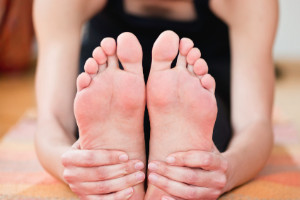
The feet carry the weight of the body so it is important to take proper care of them. One of the best things you can do for your feet is stretch them frequently. This helps maintain flexibility and range of motion. A stretch that can help the plantar fascia is performed by practicing a foot roll. This is done by placing your foot on top of a golf ball and rolling it back and forth. People who stand for the majority of the day also find this to be an effective foot stretch. The toes can become stronger when toe stretches are done, and this can positively affect the overall foot. Additionally, a towel lift is good for the toes and middle of the foot. This is done by placing a towel on the floor while sitting in a chair and lifting the towel with the toes. The heels can benefit from standing on a step and lowering the heels one at a time until a gentle stretch is felt. If you would like more information about the benefits of stretching the feet and additional stretches to practice, please consult with a podiatrist.
Stretching the feet is a great way to prevent injuries. If you have any concerns with your feet consult with the podiatrists from Issaquah Foot & Ankle Specialists. Our doctors will assess your condition and provide you with quality foot and ankle treatment.
Stretching the Feet
Being the backbone of the body, the feet carry your entire weight and can easily become overexerted, causing cramps and pain. As with any body part, stretching your feet can serve many benefits. From increasing flexibility to even providing some pain relief, be sure to give your feet a stretch from time to time. This is especially important for athletes or anyone performing aerobic exercises, but anyone experiencing foot pain or is on their feet constantly should also engage in this practice.
Great ways to stretch your feet:
- Crossing one leg over the others and carefully pull your toes back. Do 10-20 repetitions and repeat the process for each foot
- Face a wall with your arms out and hands flat against the wall. Step back with one foot and keep it flat on the floor while moving the other leg forward. Lean towards the wall until you feel a stretch. Hold for 30 seconds and perform 10 repetitions for each foot
- Be sure not to overextend or push your limbs too hard or you could risk pulling or straining your muscle
Individuals who tend to their feet by regular stretching every day should be able to minimize foot pain and prevent new problems from arising.
If you have any questions please contact one of our offices located in Issaquah, WA . We offer the newest diagnostic and treatment technologies for all your foot and ankle needs.
Why Live with Pain and Numbness in Your Feet?

Suffering from this type of pain? You may have the foot condition known as Morton's neuroma. Morton's neuroma may develop as a result of ill-fitting footwear and existing foot deformities. We can help.
Simple Methods That Can Help Prevent Running Injuries

The importance of knowing how to prevent running injuries is crucial for people who enjoy the sport of marathon running or light jogging. Research has indicated that approximately 50 percent of injuries can happen every year to people who run regularly. An injury to the Achilles tendon is a common running mishap, and this can cause severe pain and discomfort. It often happens as a result of increasing speed and intensity too quickly, which may rupture or inflame the Achilles tendon. An effective prevention technique is to warm up and cool down for several minutes, and gradually increase the force of the running. Many people develop and suffer from plantar fasciitis, causing severe heel pain. It can occur from not stretching the calf muscles before running, and prevention can be increased when range of motion is expanded in the overall foot. An ankle sprain occurs when the ligaments and tendons in the ankle become overstretched from rolling the ankle beyond its normal limitations. When the muscles are strengthened surrounding the ankle, the chance of incurring an ankle sprain may be decreased. If you would like more information about how running injuries affect the feet, and how to prevent them, please consult with a podiatrist.
All runners should take extra precaution when trying to avoid injury. If you have any concerns about your feet, contact the podiatrists of Issaquah Foot & Ankle Specialists. Our doctors will treat your foot and ankle needs.
How to Prevent Running Injuries
There are a lot of mistakes a runner can make prior to a workout that can induce injury. A lot of athletes tend to overstretch before running, instead of saving those workouts for a post-run routine. Deep lunges and hand-to-toe hamstring pulls should be performed after a workout instead of during a warmup. Another common mistake is jumping into an intense routine before your body is physically prepared for it. You should try to ease your way into long-distance running instead of forcing yourself to rush into it.
More Tips for Preventing Injury
- Incorporate Strength Training into Workouts - This will help improve the body’s overall athleticism
- Improve and Maintain Your Flexibility – Stretching everyday will help improve overall performance
- “Warm Up” Before Running and “Cool Down” Afterward – A warm up of 5-10 minutes helps get rid of lactic acid in the muscles and prevents delayed muscle soreness
- Cross-Training is Crucial
- Wear Proper Running Shoes
- Have a Formal Gait Analysis – Poor biomechanics can easily cause injury
If you have any questions, please feel free to contact one of our offices located in Issaquah, WA . We offer the newest diagnostic and treatment technologies for all your foot care needs.
