




June 2026
Getting Back on Your Feet After an Ankle Sprain
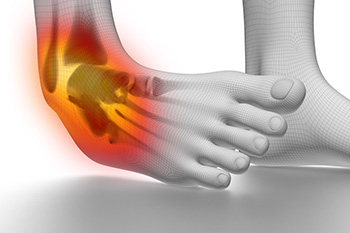
A sudden ankle twist can seem like a small setback, but these injuries can cause bigger problems, when not treated properly. An ankle sprain happens when the strong bands of tissue that support the joint are stretched or torn, often during a misstep, sports activity, or awkward landing. Common signs include swelling, tenderness, bruising, pain with movement, and trouble putting weight on the foot. Some people feel better within weeks, while others notice the ankle keeps feeling weak or gives out unexpectedly. Proper evaluation helps determine how serious the injury is and whether additional imaging or support is needed. Treatment may include bracing, temporary activity changes, and guided exercises. A well-managed recovery can help lower the chance of repeated injuries and long-term instability. If you have a painful ankle sprain, it is suggested that you visit a podiatrist for appropriate treatment solutions.
Although ankle sprains are common, they aren’t always minor injuries. If you need your ankle injury looked at, contact the podiatrists from Issaquah Foot & Ankle Specialists. Our doctors can provide the care you need to keep you pain-free and on your feet.
How Does an Ankle Sprain Occur?
Ankle sprains are the result of a tear in the ligaments within the ankle. These injuries may happen when you make a rapid shifting movement while your foot is planted. A less common way to sprain your ankle is when your ankle rolls inward while your foot turns outward.
What Are the Symptoms?
- Pain at the sight of the tear
- Bruising/Swelling
- Ankle area is tender to touch
- In severe cases, may hear/feel something tear
- Skin discoloration
Preventing a Sprain
- Wearing appropriate shoes for the occasion
- Stretching before exercises and sports
- Knowing your limits
Treatment of a Sprain
In many cases, the RICE method (Rest, Ice, Compression, and Elevate) is used to treat ankle sprains. However, you should see a podiatrist to see which treatment option would work best with your injury. In severe cases, surgery may be required.
It is important to ask your doctor about rehab options after you receive treatment for your injury. Stretching, strength training, and balance exercises may help the ankle heal while also preventing further injury.
If you have any questions, please feel free to contact one of our offices located in Issaquah, WA . We offer the newest diagnostic and treatment technologies for all your foot care needs.
Methods That Can Help Prevent Falling
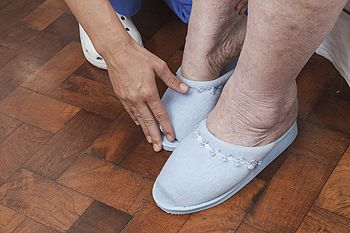
Falling is a common occurrence among seniors that can inhibit completing everyday activities. An effective falls prevention technique is to exercise frequently, as this can help to keep the muscles strong and flexible. Additionally, it is beneficial to install grab bars in the toilet and shower area, and using a bath mat may aid in preventing unnecessary falls as well. Research has indicated it is proactive to get regular physician examinations, where existing medications and eyewear can be checked and updated when necessary. Some patients may have medical conditions that make them more prone to falling, including diabetes, Parkinson’s disease, and certain types of arthritis. If you are over sixty-five years old and would like to learn about how falling can affect the feet, please consult with a podiatrist who can also offer your additional prevention techniques.
Preventing falls among the elderly is very important. If you are older and have fallen or fear that you are prone to falling, consult with the podiatrists from Issaquah Foot & Ankle Specialists. Our doctors will assess your condition and provide you with quality advice and care.
Every 11 seconds, an elderly American is being treated in an emergency room for a fall related injury. Falls are the leading cause of head and hip injuries for those 65 and older. Due to decreases in strength, balance, senses, and lack of awareness, elderly persons are very susceptible to falling. Thankfully, there are a number of things older persons can do to prevent falls.
How to Prevent Falls
Some effective methods that older persons can do to prevent falls include:
- Enrolling in strength and balance exercise program to increase balance and strength
- Periodically having your sight and hearing checked
- Discuss any medications you have with a doctor to see if it increases the risk of falling
- Clearing the house of falling hazards and installing devices like grab bars and railings
- Utilizing a walker or cane
- Wearing shoes that provide good support and cushioning
- Talking to family members about falling and increasing awareness
Falling can be a traumatic and embarrassing experience for elderly persons; this can make them less willing to leave the house, and less willing to talk to someone about their fears of falling. Doing such things, however, will increase the likelihood of tripping or losing one’s balance. Knowing the causes of falling and how to prevent them is the best way to mitigate the risk of serious injury.
If you have any questions, please feel free to contact one of our offices located in Issaquah, WA . We offer the newest diagnostic and treatment technologies for all your foot care needs.
Struggling With Heel Pain? Custom Orthotics Can Help

Struggling with heel pain? Discover the relief Custom Orthotics can bring. Customized to your foot's unique structure, Custom Orthotics offer targeted support, alleviating pressure points and redistributing weight. This means reduced heel pain and a more comfortable step, every time. Whether you're walking, working, or working out, Custom Orthotics ensure your heels feel cushioned and cared for. Experience the transformative power of Custom Orthotics with us today! Call today for more information.
Why Your Feet Feel Itchy
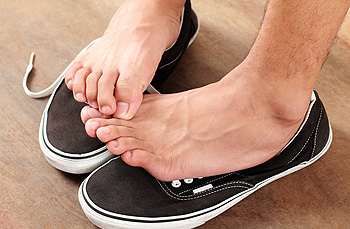
Itchy feet can be more than a minor annoyance and signal an underlying skin condition. One common cause is athlete’s foot, a fungal infection that thrives in warm and damp environments, and leads to peeling skin and intense itching. Dry skin may also cause irritation, especially during colder months. Contact dermatitis can occur when the skin reacts to certain soaps, fabrics, or chemicals, leading to redness and discomfort. Chronic conditions like eczema or psoriasis may create patches of thickened, inflamed skin that itch persistently. Risk factors include sweating, poor ventilation in footwear, and sensitive skin. A podiatrist can diagnose the source, perform testing if needed, and provide targeted treatments to reduce symptoms and prevent spread or recurrence. If your feet have become itchy, it is suggested that you consult a podiatrist who can offer effective relief solutions.
Foot Pain
Foot pain can be extremely painful and debilitating. If you have a foot pain, consult with the podiatrists from Issaquah Foot & Ankle Specialists. Our doctors will assess your condition and provide you with quality foot and ankle treatment.
Causes
Foot pain is a very broad condition that could be caused by one or more ailments. The most common include:
- Bunions
- Hammertoes
- Plantar Fasciitis
- Bone Spurs
- Corns
- Tarsal Tunnel Syndrome
- Ingrown Toenails
- Arthritis (such as Gout, Rheumatoid, and Osteoarthritis)
- Flat Feet
- Injury (from stress fractures, broken toe, foot, ankle, Achilles tendon ruptures, and sprains)
- And more
Diagnosis
To figure out the cause of foot pain, podiatrists utilize several different methods. This can range from simple visual inspections and sensation tests to X-rays and MRI scans. Prior medical history, family medical history, and any recent physical traumatic events will all be taken into consideration for a proper diagnosis.
Treatment
Treatment depends upon the cause of the foot pain. Whether it is resting, staying off the foot, or having surgery; podiatrists have a number of treatment options available for foot pain.
If you have any questions, please feel free to contact one of our offices located in Issaquah, WA . We offer the newest diagnostic and treatment technologies for all your foot care needs.
The Role of Custom Orthotics in Running
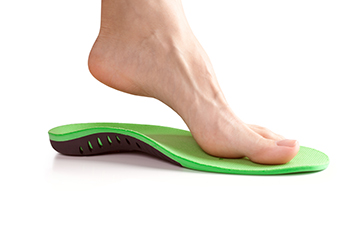
Orthotics play an essential role in enhancing the running experience, particularly for those facing foot-related challenges. Custom-made for the individual runner, orthotics provide targeted support, addressing specific biomechanical issues, such as overpronation or supination, common in runners. This tailored support helps in aligning the foot and ankle, leading to a more efficient and natural running gait. By distributing pressure evenly across the foot, orthotics reduce the strain on key areas, notably the arch and heel, thus preventing common injuries like plantar fasciitis or Achilles tendonitis. They also offer improved shock absorption, important in reducing the impact on joints during running. This not only enhances comfort but also minimizes the risk of injury. Furthermore, for runners with existing foot conditions, orthotics can be a game-changer, enabling them to continue their passion with reduced pain and discomfort. If you are a runner and want improved comfort, performance, and fewer injuries, it is suggested that you make an appointment with a podiatrist to discuss how custom orthotics can help you.
Custom orthotics can make a remarkable difference in daily comfort and mobility by supporting the feet in their most natural and balanced position. Because the feet form the foundation for the entire body, any imbalance can affect not only how a person walks, but also how the knees, hips, and spine align. Over time, this can lead to fatigue, pain, or reduced movement. Custom orthotics are designed to restore stability and promote proper alignment, which can transform the way a person feels and functions throughout the day.
People who wear custom orthotics often experience improved posture, less joint strain, and greater endurance during work, exercise, and leisure activities. The support they provide helps relieve chronic discomfort from conditions such as plantar fasciitis, flat feet, and heel pain, while also reducing the risk of future injuries. For those who stand for long hours or engage in sports, orthotics can make movement smoother and more efficient, allowing the body to perform at its best without unnecessary stress.
Each pair of custom orthotics is created after a detailed evaluation of foot structure, gait, and pressure distribution. By addressing each person’s unique needs, they offer comfort and confidence with every step.
If you are experiencing ongoing foot discomfort or fatigue, it is suggested that you contact our office for more information or to make an appointment.
If you have any questions, please feel free to contact one of our offices located in Issaquah, WA .
Precautions for Diabetic Foot Problems
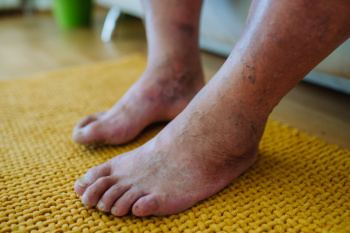
People with diabetes face a higher risk of foot problems, because reduced blood flow and nerve damage can limit healing and sensation. This means small cuts or pressure areas may go unnoticed, and can develop into serious infections or ulcers. Preventive diabetic foot care is important and includes regular medical foot exams and proper monitoring of skin and nail health. A podiatrist can assess circulation, check for loss of feeling, and identify early warning signs before they worsen. Treatment plans include custom orthotics to reduce pressure, wound care to protect the skin, and guidance on proper footwear that supports and protects the feet. Ongoing evaluations also help manage risk factors linked to diabetes that affect foot health. Early attention to changes in the feet can help prevent long-term problems and preserve mobility. If you have diabetic foot complications, it is strongly suggested that you are under the care of a podiatrist who can help you to manage this serious condition.
Diabetic foot care is important in preventing foot ailments such as ulcers. If you are suffering from diabetes or have any other concerns about your feet, contact the podiatrists from Issaquah Foot & Ankle Specialists. Our doctors can provide the care you need to keep you pain-free and on your feet.
Diabetic Foot Care
Diabetes affects millions of people every year. The condition can damage blood vessels in many parts of the body, especially the feet. Because of this, taking care of your feet is essential if you have diabetes, and having a podiatrist help monitor your foot health is highly recommended.
The Importance of Caring for Your Feet
- Routinely inspect your feet for bruises or sores.
- Wear socks that fit your feet comfortably.
- Wear comfortable shoes that provide adequate support.
Patients with diabetes should have their doctor monitor their blood levels, as blood sugar levels play such a huge role in diabetic care. Monitoring these levels on a regular basis is highly advised.
It is always best to inform your healthcare professional of any concerns you may have regarding your feet, especially for diabetic patients. Early treatment and routine foot examinations are keys to maintaining proper health, especially because severe complications can arise if proper treatment is not applied.
If you have any questions, please feel free to contact one of our offices located in Issaquah, WA . We offer the newest diagnostic and treatment technologies for all your foot care needs.
Athletes and Stress Fractures
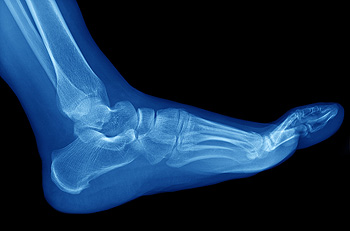
Stress fractures can be common among athletes. They can happen as a result of the consistent pressure that the bones of the feet endure during the athlete’s chosen sport. Stress fractures are defined as small, hairline fractures in the bones which may make walking and running difficult. Common symptoms can include pain surrounding the affected bone, which may improve when the foot is resting and elevated. Some patients experience bruising and swelling, accompanied by achiness. Additionally, stress fractures may gradually develop as a result of wearing shoes that do not fit properly, and this may weaken the foot bones. If you have pain in your foot, it is suggested that you consult with a podiatrist who can diagnose and treat stress fractures.
Activities where too much pressure is put on the feet can cause stress fractures. To learn more, contact the podiatrists from Issaquah Foot & Ankle Specialists. Our doctors can provide the care you need to keep your pain free and on your feet.
Dealing with Stress Fractures of the Foot and Ankle
Stress fractures occur in the foot and ankle when muscles in these areas weaken from too much or too little use. The feet and ankles then lose support when walking or running from the impact of the ground. Since there is no protection, the bones receive the full impact of each step. Stress on the feet can cause cracks to form in the bones, thus creating stress fractures.
What Are Stress Fractures?
Stress fractures occur frequently in individuals whose daily activities cause great impact on the feet and ankles. Stress factors are most common among:
- Runners
- People affected with Osteoporosis
- Tennis or basketball players
- Gymnasts
- High impact workouts
Symptoms
Pain from the fractures occur in the area of the fractures and can be constant or intermittent. It will often cause sharp or dull pain with swelling and tenderness. Engaging in any kind of activity which involves high impact will aggravate pain.
If you have any questions please contact one of our offices located in Issaquah, WA . We offer the newest diagnostic and treatment technologies for all your foot and ankle needs.
