




November 2021
The Care and Treatment of Blisters
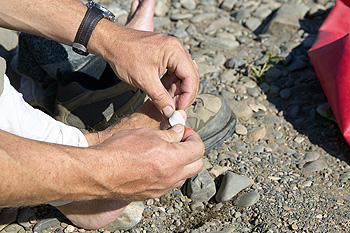 You’re on vacation in Europe and walking is a major part of your day. You’ve worn a new pair of shoes, and after a few hours your feet are crying out in pain. When you stop to take a look, you see that you’ve developed blisters on your toes and heels. The first reaction may be to pop the blister, but this can cause an infection. If you accidently break the skin on the blister and the fluid seeps out, keep it clean and protect it with a sterile gauze bandage until the area dries up. To prevent blisters from forming, be sure to wear shoes that fit properly and are broken in before walking long distances. If the area around the blister becomes red, or if the blister is discolored or enlarges in size, it may be infected. In that case, please see a podiatrist as soon as possible for the proper treatment.
Blisters are prone to making everyday activities extremely uncomfortable. If your feet are hurting, contact the podiatrists of Issaquah Foot & Ankle Specialists. Our doctors can provide the care you need to keep you pain-free and on your feet.
Foot Blisters
Foot blisters develop as a result of constantly wearing tight or ill-fitting footwear. This happens due to the constant rubbing from the shoe, which can often lead to pain.
What Are Foot Blisters?
A foot blister is a small fluid-filled pocket that forms on the upper-most layer of the skin. Blisters are filled with clear fluid and can lead to blood drainage or pus if the area becomes infected.
How Do Blisters Form?
Blisters on the feet are often the result of constant friction of skin and material, usually by shoe rubbing. Walking in sandals, boots, or shoes that don’t fit properly for long periods of time can result in a blister. Having consistent foot moisture and humidity can easily lead to blister formation.
Prevention & Treatment
It is important to properly care for the affected area in order to prevent infection and ease the pain. Do not lance the blister and use a Band-Aid to provide pain relief. Also, be sure to keep your feet dry and wear proper fitting shoes. If you see blood or pus in a blister, seek assistance from a podiatrist.
If you have any questions, please feel free to contact one of our offices located in Issaquah, WA . We offer the newest diagnostic and treatment technologies for all your foot care needs.
How Older Adults Can Promote Foot and Ankle Health
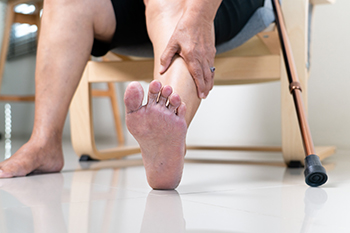
With age comes drier skin, brittle nails, decreased cushioning on bones, and even poor circulation. All of these factors can make foot and ankle health challenging. That is why it is important for older adults to be proactive about their foot and ankle health and help avoid problems from occurring. The best thing an older adult can do for their feet is to wear well-made, comfortable shoes that fit properly and offer adequate cushioning and support. Avoid wearing socks that are tight and can cut off circulation. Measure your feet when buying new shoes, because feet can widen with age. Try not to sit for too long without elevating your feet or doing gentle foot and ankle stretches to keep the blood flowing. Trim toenails straight across, but not too short, to avoid them becoming ingrown. Maintain a healthy weight prevent many painful foot conditions. Older adults with diabetes should avoid going barefoot, be sure to examine their feet every day, and check for developing wounds. Finally, older adults—and particularly those with diabetes—should make seeing a podiatrist regularly part of their foot and ankle health regimen.
If you need your feet checked, contact the podiatrists of Issaquah Foot & Ankle Specialists. Our doctors will attend to all of your foot and ankle needs and provide you with quality treatment.
Geriatrics and Podiatry
When people age, some common issues that may occur are bone density loss, dry skin, poor circulation, and rough brittle nails. These issues may also affect your foot health if the necessary steps are not taken to alleviate the problems.
It is important to take care of your feet because feet that are injured or diseased can affect your overall health. Having painful feet hinders your ability to do daily activities or may decrease your willingness to do the things that you need to do.
Visiting Your Geriatrician
As we age, health problems become more likely, so it is essential to visit your doctor for check-ups to ensure that you are doing the best you can to take care of your health. It is recommended to check your feet frequently for any possible cuts, bruises, swelling, corns or any other irregularities.
Taking Care of Elderly Feet
Cracked or dry feet can be treated by applying moisturizer often. It is also important not to wear old socks because the older the sock is, the higher the possibility there will be that there is bacteria there. Wear fresh socks and make sure they fit properly.
Proper foot health means that you can have a more active lifestyle and you will not be bogged down by pain. Foot health also leads to good circulation, which is paramount for overall health.
If you have any questions, please feel free to contact one of our offices located in Issaquah, WA . We offer the newest diagnostic and treatment technologies for all your foot care needs.
How to Help Your Body Adjust to Working on Your Feet
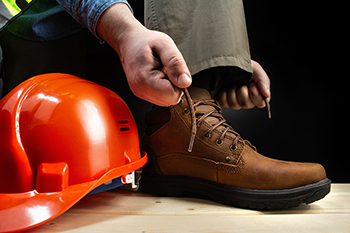
If you work on your feet all day, you may want to look into how you can lessen the impact this can have on your health. You may even be able to reduce pain, swelling, and other complications that working on your feet may be causing. The first order of business is to get yourself a good pair (or two) of leather shoes with quality construction, non-slip soles, cushioned inner lining, wide heels and support in the back for your ankles. Alternate those shoes daily. Take every break you are entitled to and sit down while elevating your feet. Try strengthening your body through fitness training, stretching, and building up your endurance. Soak your legs in a hot tub at night to relieve muscles. A podiatrist can also create custom orthotics to distribute weight more evenly and provide extra cushioning and structure. If your feet are in pain after working all day, seek the counsel of a podiatrist to explore all possible treatment options.
While working on the feet, it is important to take the proper care of them. For more information about working on your feet, contact the podiatrists from Issaquah Foot & Ankle Specialists. Our doctors will treat your foot and ankle needs.
Working on Your Feet
Standing on your feet for long periods of time can cause stress and pain in your feet. Your whole body may experience change in terms of posture, back pain, bunions, callouses and or plantar warts. There are ways to avoid these conditions with proper foot care, smart choices and correct posture.
Positive Changes
Negative heeled shoe – Choosing this shoe type places the heel slightly lower than the ball of the foot. These are great for overall foot health. Find shoes that fit you correctly.
Go barefoot – Our feet were not designed to be enclosed for all hours of the day. Try to periodically expose your feet to air.
Eliminate Pain
Foot Exercises – Performing simple exercises, incorporating yoga and doing stretches are beneficial. This will allow increased blood flow to the area and muscles of the foot.
Achilles tendon – Stretching the foot out flat on the floor will relax the calf muscles and tendon. These exercises can be performed almost anywhere. Make sure you add these exercises to your daily regimen.
With a little bit of this information and knowing more about foot health, you will notice changes. Foot stretches and proper footwear will help with pain and prevent further issues.
If you have any questions please contact one of our offices located in Issaquah, WA . We offer the newest diagnostic and treatment technologies for all your foot and ankle needs.
Arthritis Can Cause Pain in the Feet and Ankles

If you are suffering from tenderness, pain, or stiffness in the joints of your feet or ankles, call us to schedule an appointment.
Foot-Strengthening Exercises for Runners

Having strong and flexible feet is very important for every runner because the feet bear 2-3 times our body weight at the first point of contact with the ground while running. Strengthening the feet with the following exercises will help with flexibility, stability, and proper foot alignment. First, kneel on the floor, sit back on your heels and have your toes curled underneath you. Rock side to side on your toes to give them a good stretch, and then come up on all fours into a down-dog position and press your heels down. Repeat the cycle five times. Another good exercise is to stand with a ball under the base of the toes on one foot. Apply your weight to the ball, and then slowly curl your toes to grip the ball and then extend your toes straight. Do this ten times. You can then move the ball underneath the ball of the foot and curl the foot and toes around the ball and then extend straight. Repeat this ten times as well, and then switch to the other foot. You can also strengthen the toes and feet by standing with your feet hip length apart. Raise just your big toe on one foot and hold it there for two seconds while the other toes stay on the ground. Then, place the big toe down and raise the other toes, holding them there for two seconds. Be careful not to let the foot roll inward. Repeat this twenty times before switching feet. For additional foot exercises and advanced tips on keeping your feet healthy as a runner, contact a podiatrist.
All runners should take extra precaution when trying to avoid injury. If you have any concerns about your feet, contact the podiatrists of Issaquah Foot & Ankle Specialists. Our doctors will treat your foot and ankle needs.
How to Prevent Running Injuries
There are a lot of mistakes a runner can make prior to a workout that can induce injury. A lot of athletes tend to overstretch before running, instead of saving those workouts for a post-run routine. Deep lunges and hand-to-toe hamstring pulls should be performed after a workout instead of during a warmup. Another common mistake is jumping into an intense routine before your body is physically prepared for it. You should try to ease your way into long-distance running instead of forcing yourself to rush into it.
More Tips for Preventing Injury
- Incorporate Strength Training into Workouts - This will help improve the body’s overall athleticism
- Improve and Maintain Your Flexibility – Stretching everyday will help improve overall performance
- “Warm Up” Before Running and “Cool Down” Afterward – A warm up of 5-10 minutes helps get rid of lactic acid in the muscles and prevents delayed muscle soreness
- Cross-Training is Crucial
- Wear Proper Running Shoes
- Have a Formal Gait Analysis – Poor biomechanics can easily cause injury
If you have any questions, please feel free to contact one of our offices located in Issaquah, WA . We offer the newest diagnostic and treatment technologies for all your foot care needs.
Can Stretching Help My Plantar Fasciitis?

Heel pain affects millions of Americans each year and plantar fasciitis is the most common cause. Plantar fasciitis is a condition where the ligament that connects the front of the foot with the heel (plantar fascia) becomes torn or otherwise damaged, causing inflammation and pain. This damage may be the result of an injury or may occur over time from overuse of the plantar fascia during repetitive physical activities, undue strain on the ligament due to excess weight, wearing improper footwear, having an abnormal gait or foot structure, and more. Certain gentle exercises such as calf stretches, rolling your foot over a cold-water bottle, or pointing and flexing your toes may help loosen tight muscles in your feet and calves to help ease the pain of mild plantar fasciitis. For more advice and treatment options for plantar fasciitis, consult with a podiatrist.
Stretching the feet is a great way to prevent injuries. If you have any concerns with your feet consult with the podiatrists from Issaquah Foot & Ankle Specialists. Our doctors will assess your condition and provide you with quality foot and ankle treatment.
Stretching the Feet
Stretching the muscles in the foot is an important part in any physical activity. Feet that are tight can lead to less flexibility and make you more prone to injury. One of the most common forms of foot pain, plantar fasciitis, can be stretched out to help ease the pain. Stretching can not only ease pain from plantar fasciitis but also prevent it as well. However, it is important to see a podiatrist first if stretching is right for you. Podiatrists can also recommend other ways to stretch your feet. Once you know whether stretching is right for you, here are some excellent stretches you can do.
- Using a foam roller or any cylindrical object (a water bottle or soda can will do), roll the object under your foot back and forth. You should also exert pressure on the object. Be sure to do this to both feet for a minute. Do this exercise three times each.
- Similar to the previous one, take a ball, such as a tennis ball, and roll it under your foot while seated and exert pressure on it.
- Grab a resistance band or towel and take a seat. If you are using a towel, fold it length wise. Next put either one between the ball of your foot and heel and pull with both hands on each side towards you. Hold this for 15 seconds and then switch feet. Do this three times for each foot.
- Finally hold your big toe while crossing one leg over the other. Pull the toe towards you and hold for 15 seconds. Once again do this three times per foot.
It is best to go easy when first stretching your foot and work your way up. If your foot starts hurting, stop exercising and ice and rest the foot. It is advised to then see a podiatrist for help.
If you have any questions please contact one of our offices located in Issaquah, WA . We offer the newest diagnostic and treatment technologies for all your foot and ankle needs.
