




May 2024
Need for Custom Orthotics
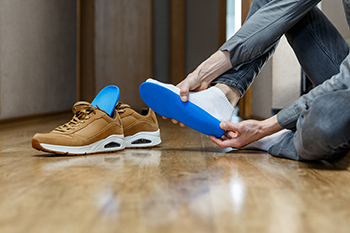
If you are experiencing persistent foot pain, discomfort, or difficulty while walking, it may be a sign that you could benefit from orthotics. Common indicators include arch pain, heel pain, flat feet, or ongoing issues like plantar fasciitis or bunions. Additionally, if you have a history of foot injuries, biomechanical imbalances, or medical conditions that affect the feet, orthotics may be necessary to alleviate symptoms and improve foot function. Determining the type of orthotics needed depends on your foot condition, gait mechanics, and lifestyle. The types of orthotics available, include rigid, semi-rigid, and soft orthotics, each designed to address different needs and provide varying levels of support and cushioning. If you have foot pain that is not improving, it is suggested that you schedule an appointment with a podiatrist to determine which orthotics are best suited to your needs.
Custom orthotics are often an effective solution for people experiencing heel pain, offering both comfort and correction for the underlying causes of discomfort. Heel pain commonly develops when the natural support of the foot becomes strained or imbalanced, leading to inflammation and irritation in the heel area. Conditions such as plantar fasciitis, heel spurs, or flat feet can all contribute to chronic heel pain that worsens with walking or standing. Custom orthotics are designed to fit the exact shape of your foot, providing the support and alignment necessary to reduce stress on the heel and surrounding tissues.
By redistributing pressure and improving overall foot mechanics, custom orthotics allow the heel to function more efficiently during movement. They cushion each step, absorb shock, and correct abnormal gait patterns that may be contributing to pain. Over time, this consistent support can ease inflammation, protect against re-injury, and enhance comfort during both daily and athletic activities.
Unlike prefabricated insoles, custom orthotics are created from a detailed evaluation that may include digital scans or molds of your feet. This ensures a precise and individualized fit that addresses your specific condition. They can be used in various types of footwear, from athletic shoes to dress styles, making them a versatile option for ongoing relief.
If heel pain is limiting your comfort or activity level, it is suggested that you call our office for more information or to schedule an appointment.
If you have any questions please contact one of our offices located in Issaquah, WA .
Dr. Brandon Nelson, A Double Board Certified Foot Physician & Surgeon, Issaquah’s Top Podiatrist, Discusses Bunion Surgery
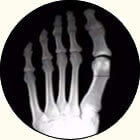
Bunions can be quite painful and become a hindrance to everyday life. While there are some conservative measures that may provide some temporary relief the only long term solution is surgery.
First it is important to understand what a bunion is. A bunion is when the 1st metatarsal shifts out of place. This shifting gets worse with time and the bunion gets bigger. The visual result is the big toe starts to overlap the 2nd toe and the protuberance you see at the base of the big toe is the 1st metatarsal. To fix the bunion the 1st metatarsal needs to be realigned.
The realignment of the 1st metatarsal can happen in two ways. The first being you cut the bone and reposition it anatomically. This is probably the most common bunionectomy performed in the United States. It usually involves about 4-6 weeks in a walking boot and has great outcomes for smaller bunions. The next most common would be a fusion of the tarsometatarsal joint. This is a procedure that is for larger bunions or people with unstable foot structures. This surgery usually requires a period of non-weight bearing for 3-6 weeks. Both of these procedures can have great outcomes when utilized appropriately.
How do you know which bunion surgery is best for your foot? There are many factors to take into account. The overall foot structure, any other foot pathologies, lifestyle, recovery and age. I recommend seeing a foot and ankle doctor that operates on a lot of bunions.
If you have a bunion and would like a consultation I can help. Please call 425-391-8666 or make an appointment online with Dr. Nelson.
Sincerely,
Board Certified Physician & Surgeon
Issaquah’s Top Podiatrist & Foot/Ankle Surgeon
Dr. Timothy Young, a Board-Certified Foot Surgeon discusses: Understanding Why Bunions Can Reoccur.
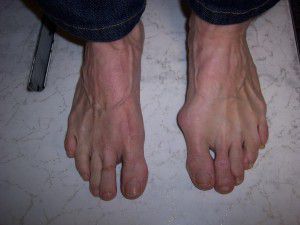
Bunions are a common foot condition that can cause pain, discomfort, and difficulty with footwear. They typically develop when the joint at the base of the big toe becomes misaligned, leading to a bony bump on the side of the foot. Although surgical correction can provide relief for many individuals, some individuals may find that their bunions come back or reoccur over time. Understanding the factors that contribute to bunion recurrence can help individuals take steps to prevent this from happening.
1. Genetics and Foot Structure
One of the primary reasons bunions can reoccur is because of genetics and foot structure. Some individuals are predisposed to developing bunions because of inherited foot shapes or structural conditions. Even after surgical correction, the underlying foot structure is still there and may still contribute to the gradual return of the bunion over time. A perfect example this is a juvenile onset bunion. We see patients who are teenagers who already have quite pronounced bunions. In this case they certainly inherited foot structure that makes them highly prone to this. This is commonly due to an underlying foot structure called metatarsus adductus. Pronation is another foot structure that is prone to bunions. The combination can be especially challenging, a pronated foot with metatarsus adductus.
2. Improper Footwear
Wearing tight, pointed, or high-heeled shoes can exacerbate bunion formation and contribute to their recurrence. These types of footwear by raising the heel cause extra pressure on the entire forefoot and place excessive pressure on the toes and can force the big toe joint out of alignment. Even after surgery, if individuals continue wearing these type of shoes, it can increase the likelihood of bunions coming back.
3. Post-Surgical Care
Proper post-surgical care is critical for preventing bunion recurrence. Following your surgeon's instructions regarding activity levels, wearing orthotic devices or splints, and attending follow-up appointments is essential. Failure to adhere to post-operative care guidelines can increase the risk of the bunion returning.
4. Joint Instability
In some cases, joint instability can contribute to bunion recurrence. This may occur if the surgical correction did not adequately address underlying joint laxity or if there are other issues with the foot structure and foot biomechanics. Physical therapy and exercises to strengthen the foot and improve stability can be beneficial in these situations. Note that in example this would be a round first metatarsal head with laxity of the underlying capsule and ligaments.
5. Lifestyle Factors
Certain lifestyle factors, such as obesity or activities that place repetitive stress on the feet, can also contribute to bunion recurrence. Excess weight can put additional strain on the feet and exacerbate bunion formation. Similarly, activities that involve repeated bending or pressure on the toes can lead to joint misalignment over time.
6.
Surgical factors: when I see patients who come in for a 2nd opinion and have had surgery previously and there has been recurrence, I look to see how much correction was done initially. Sometimes there is a lack of adequate correction from the beginning and this creates a higher risk of recurrence. It is important to fully correct the bunion whenever possible. For example a juvenile onset bunion needs the most corrective surgery possible because they are so prone to reoccurrence. This often means a Lapiplasty or similar procedure. Another example would be a lack of adequate release of the soft tissue at the great toe joint. It is very important that after surgery the great toe joint lines up correctly and the big toe doesn't want to pull to the side toward the 2nd toe. If the soft tissue capsule is not adequately released this can be a problem.
Preventing Bunion Recurrence
While some factors contributing to bunion recurrence are beyond individual control, there are steps individuals can take to reduce the risk:
Choose Proper Footwear: Opt for shoes with a wide toe box, low heels, and adequate arch support to reduce pressure on the toes. Hold off on the really dressy shoes except for special occasion like a wedding or a special dinner out. And even then avoid a really high heel shoe.
Maintain a Healthy Weight: Maintaining a healthy weight can alleviate strain on the feet and joints.
Follow Post-Surgical Care Guidelines: Adhere to your surgeon's recommendations for post-operative care, including wearing orthotics and attending follow-up appointments.
Monitor Foot Health: Regularly check your feet for any signs of bunion recurrence or other foot issues, and seek medical attention if necessary.
Consider Conservative Treatments: In some cases, conservative treatments such as orthotics, padding, and physical therapy may help prevent bunion recurrence or delay its progression.
For those very high-risk patients using a "retainer" similar to a dental retainer can be used to help maintain the alignment of the great toe and keep it from drifting toward the 2nd toe or at least really slow its progression.
Make sure to discuss this concern if you are in for a surgical consultation. If you would like a 2nd opinion or have additional questions and would like consultation at our clinic, I would be happy to provide this consultation.
By understanding the factors that contribute to bunion recurrence and taking proactive measures, individuals can help reduce the likelihood of experiencing this common foot problem again in the future.
If you have any questions or would like a consultation please call 425-391-8666 and make an appointment online.
Dr. Timothy Young
Foot & Ankle Surgeon
Issaquah's Top Podiatrist
All About Cuboid Syndrome
Though cuboid syndrome predominately affects athletes, non-athletes can suffer from it too. Cuboid syndrome is also called cuboid subluxation or cuboid fault syndrome, and occurs when a joint or ligament near the cuboid bone of the foot becomes damaged, or when the bone itself is dislodged from its natural position. Pain may be persistent, or come and go, and it is usually marked by the outside of the foot. Cuboid syndrome, unless severe, can be difficult to diagnose. A doctor will likely ask questions about how long the pain has been present, and will apply pressure on the cuboid bone to determine the origin of pain.
There are a number of causes that can lead to the syndrome. Due to athletic activities, repeated stress placed on the foot can cause cuboid subluxation. Ballet dancers, runners, and other athletes often develop this condition. Basketball or tennis players may also develop this condition, as they place stress on their feet while moving side to side. Cuboid syndrome can often develop over time; however it can come out of a sudden injury as well. Over pronation, or other problems with feet, can exacerbate the condition if not corrected.
Among podiatrists, there is some disagreement about the treatment, as well as the definition of cuboid syndrome. Some see the injury as an injury to the ligaments located nearby the cuboid bone, while others believe it refers to the dislocation of the calcaneal-cuboid joint only. Treatment opinions differ as well. Although it can be treated by manipulation in order to reposition the bone, this must be done with extreme care in order to avoid injury. Some doctors, however, prefer treatment through the use of orthotic pads, designed to keep the bone in its place. Effectiveness of these treatments may vary, according to the severity of the injury.
When you experience side foot pain, it is important that you seek medical assistance. If a subluxed cuboid is caught and treated early, treatment is usually successful, and individuals may begin activities such as sports when the pain subsides. If left untreated, the pain will worsen, and the condition could cause permanent damage.
Managing Cuboid Bone Injuries
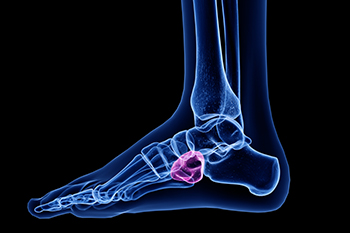
The cuboid bone, a vital component of your foot's structure, often remains unnoticed until a problem arises. The cuboid bone is located on the outer side of the foot, just in front of the heel. It plays a significant role in mobility, aiding in pointing the foot downward and supporting lateral movement. An injury of this bone can lead to cuboid syndrome, which is a partial dislocation at the joint between the heel and the cuboid. Symptoms may include metatarsal pain, lateral ankle instability, hammertoes, or plantar fasciitis. If left untreated, these symptoms can escalate into more severe conditions, such as ankle arthritis or stress fractures. Treatment options involve padding and a manipulation technique to realign the bone. For cuboid fractures, patients may need to refrain from weight-bearing activities for a period of time, followed by a transition to a walking boot. Where conservative methods fail, surgical intervention may be used to stabilize the bone and restore its function, ensuring a quicker recovery. If you are experiencing symptoms of a lateral foot injury, it may involve the cuboid bone. It is suggested that you schedule an appointment with a podiatrist for a thorough exam and indicated treatment options.
Cuboid syndrome, also known as cuboid subluxation, occurs when the joints and ligaments near the cuboid bone in the foot become torn. If you have cuboid syndrome, consult with the podiatrists from Issaquah Foot & Ankle Specialists. Our doctors will assess your condition and provide you with quality foot and ankle treatment.
Cuboid syndrome is a common cause of lateral foot pain, which is pain on the outside of the foot. The condition may happen suddenly due to an ankle sprain, or it may develop slowly overtime from repetitive tension through the bone and surrounding structures.
Causes
The most common causes of cuboid syndrome include:
- Injury – The most common cause of this ailment is an ankle sprain.
- Repetitive Strain – Tension placed through the peroneus longus muscle from repetitive activities such as jumping and running may cause excessive traction on the bone causing it to sublux.
- Altered Foot Biomechanics – Most people suffering from cuboid subluxation have flat feet.
Symptoms
A common symptom of cuboid syndrome is pain along the outside of the foot which can be felt in the ankle and toes. This pain may create walking difficulties and may cause those with the condition to walk with a limp.
Diagnosis
Diagnosis of cuboid syndrome is often difficult, and it is often misdiagnosed. X-rays, MRIs and CT scans often fail to properly show the cuboid subluxation. Although there isn’t a specific test used to diagnose cuboid syndrome, your podiatrist will usually check if pain is felt while pressing firmly on the cuboid bone of your foot.
Treatment
Just as the range of causes varies widely, so do treatments. Some more common treatments are ice therapy, rest, exercise, taping, and orthotics.
If you have any questions, please feel free to contact one of our offices located in Issaquah, WA . We offer the newest diagnostic and treatment technologies for all your foot care needs.
Do Your Child's Feet Hurt?

Have your child's feet been examined lately? Healthy feet are happy feet. If your child is complaining of foot pain, it may be a sign of underlying problems.
