




May 2024
How to Deal with Athlete's Foot
Athlete’s foot is a type of fungal infection that affects the skin on the feet. It is caused when the tinea fungus grows on the foot. It is possible to catch the fungus through direct contact with someone who has it or by touching a surface that is contaminated with it. This type of fungus thrives in warm, moist environments such as showers, locker room floors, and swimming pools. Your risk of getting it may also increase by wearing tight-fitting, closed-toe shoes, or by having sweaty feet.
Symptoms of athlete’s foot include itching, stinging or burning sensations between the toes. You may also experience toenails that are discolored, thick, crumbly, or toenails that pull away from the nail bed.
Your podiatrist may diagnose athlete’s foot by detecting these symptoms or by doing a skin test to see if there is a fungal infection present. The most common exam used to detect Athlete’s foot is a skin lesion potassium hydroxide exam. To use this method, your doctor will scrape off a small area of the infected skin and place it into potassium hydroxide. The potassium hydroxide will destroy the normal cells and leave the fungal cells untouched so that they are visible under a microscope.
There are a variety of treatment options for athlete’s foot. Some medications are miconazole (Desenex), terbinafine (Lamisil AT), clotrimazole (Lotrimin AF), butenafine (Lotrimin Ultra), and tolnaftate (Tinactin). While these options may be able to treat your fungus, it is best that you consult with a podiatrist in order to see which treatment option may work best for you.
In some cases, Athlete’s foot may lead to complications. A severe complication would be a secondary bacterial infection which may cause your foot to become swollen, painful, and hot.
There are ways that you can prevent athlete’s foot. Washing your feet with soap and water each day and drying them thoroughly is an effective way to prevent infections. You also shouldn’t share socks, shoes, or towels with other people. It is crucial that you wear shower sandals in public showers, around swimming pools, and in other public places. Additionally, you should make sure you wear shoes that can breathe and change your socks when your feet become sweaty. If you suspect that you have Athlete’s foot, you should seek help from a podiatrist as soon as possible.
What Is Toenail Fungus and How Is It Treated?

Toenail fungus, medically termed onychomycosis, is a fungal infection that commonly affects the toenails. It is typically caused by dermatophytes, which are fungi that thrive in warm and moist environments like sweaty shoes or public swimming pools. When these fungi invade the toenail bed, they can cause discoloration, thickening, and crumbling of the nail. Symptoms may include yellowing or darkening of the nail, a distorted shape, and a foul odor. Certain factors increase the risk of developing toenail fungus. Among them are age, poor circulation, weakened immune system, and frequent exposure to moist environments. Common types of fungal infections include distal subungual onychomycosis, white superficial onychomycosis, proximal subungual onychomycosis, and candida onychomycosis. Treatment typically involves prescribed antifungal medications, either topical or oral, depending on the severity of the infection. In severe cases, surgical removal of the nail may be necessary. If you think you have toenail fungus, it is suggested that you schedule an appointment with a podiatrist for a proper diagnosis and treatment at your earliest convenience.
Athlete’s Foot
Athlete’s foot is often an uncomfortable condition to experience. Thankfully, podiatrists specialize in treating athlete’s foot and offer the best treatment options. If you have any questions about athlete’s foot, consult with the podiatrists from Issaquah Foot & Ankle Specialists. Our doctors will assess your condition and provide you with quality treatment.
What Is Athlete’s Foot?
Tinea pedis, more commonly known as athlete’s foot, is a non-serious and common fungal infection of the foot. Athlete’s foot is contagious and can be contracted by touching someone who has it or infected surfaces. The most common places contaminated by it are public showers, locker rooms, and swimming pools. Once contracted, it grows on feet that are left inside moist, dark, and warm shoes and socks.
Prevention
The most effective ways to prevent athlete’s foot include:
- Thoroughly washing and drying feet
- Avoid going barefoot in locker rooms and public showers
- Using shower shoes in public showers
- Wearing socks that allow the feet to breathe
- Changing socks and shoes frequently if you sweat a lot
Symptoms
Athlete’s foot initially occurs as a rash between the toes. However, if left undiagnosed, it can spread to the sides and bottom of the feet, toenails, and if touched by hand, the hands themselves. Symptoms include:
- Redness
- Burning
- Itching
- Scaly and peeling skin
Diagnosis and Treatment
Diagnosis is quick and easy. Skin samples will be taken and either viewed under a microscope or sent to a lab for testing. Sometimes, a podiatrist can diagnose it based on simply looking at it. Once confirmed, treatment options include oral and topical antifungal medications.
If you have any questions, please feel free to contact one of our offices located in Issaquah, WA . We offer the newest diagnostic and treatment technologies for all your foot care needs.
Dr Brandon Nelson, A Double Board-Certified Physician & Surgeon, Discusses Patients Decide to Have Bunion Surgery
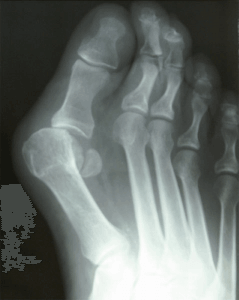
Bunions form on the big toe and are caused by a rotational malalignment of the 1st metatarsal. They are usually inherited and can get bigger with time. Many people will begin to find it difficult to wear shoes, exercise and walking will become painful. I will discuss why many people decide to have bunion surgery below.
Reduction of Pain/Discomfort
This is the most common reason patients seek to have bunion surgery. Many experience pain with walking every day. This can make even going to the store challenging. The bunion gets bigger with time and creates more inflammation in the foot. The surgery aims to realign the foot and reduce bunion pain.
Preventing Further Progression
Many know this well, but your bunion grows and the bone shifts farther out of place. This can lead to other issues like hammer toes, flatfeet, and arthritis. The goal of surgery is to stop the bunion from increasing in size and prevent the bunion from preventing more severe foot complications.
Improving Foot Function
Bunions cause significant foot impairments and function. This makes things like running and exercise difficult. Surgery not only helps fix the appearance of the foot but the overall function. The goal is to restore anatomical alignment and help the foot function in a more natural state.
Newer Techniques
It is important to know that bunion surgery is not a one size fits all. It should be customized to your foot structure. Newer techniques are available that decrease healing times and allow early ambulation.
Bunion surgery should not be taken lightly. You should seek a skilled bunion surgeon and have questions ready to ask your surgeon. If you would like a consultation for your bunion I can help. Call to make an appointment with me at 425-391-8666 or make an appointment online.
Sincerely,
American College of Foot & Ankle Surgeons
Issaquah’s Top Podiatrist & Bunion Surgeon
Dr. Timothy Young, a Board-Certified Foot Surgeon Discusses: Potential Risks Associated With Bunion Surgery.
 Understanding the Potential Risks of Bunion Surgery
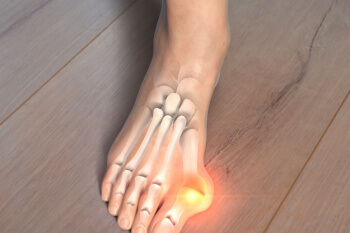
Bunion surgery, also known as bunionectomy or hallux valgus correction, is a common procedure used to correct deformities of the big toe joint. While this surgery can provide significant relief for individuals suffering from bunion-related pain and discomfort, like any surgical procedure, it carries certain risks. Understanding these potential risks is essential for individuals considering bunion surgery.
1. Infection
One of the primary risks associated with any surgery is the possibility of infection. Although steps are taken to minimize the risk, such as sterile operating environments and antibiotics, infections can still occur. Symptoms of infection may include redness, swelling, warmth, and discharge at the surgical site. Prompt medical attention is necessary if infection is suspected. Note that we recommend patients scrub the foot with chlorhexidine the night before surgery and the morning of surgery. Prophylactic antibiotics are often given during the surgery via intravenous route to help reduce the risk. Leaving the initial dressing intact and making certain that it does not get wet are also very important.
2. Nerve Damage
During bunion surgery, there is a risk of nerve damage, particularly to the nerves surrounding the big toe joint. This can result in numbness, tingling, or altered sensation in the toes or foot. In most cases, nerve damage is temporary and resolves over time, but in rare instances, it may be permanent. With the Lapidus or Lapiplasty surgery the dorsal medial cutaneous nerve of the foot is often encountered. It is not always possible to retract the nerve and therefore this nerve may have reduced function or sensitivity after surgery.
Some individuals may experience delayed healing after bunion surgery. Factors such as age, overall health, and the extent of the surgical procedure can affect healing time. Delayed healing may result in prolonged pain, swelling, and limited mobility in the foot. Delayed healing can relate to the incision itself, the subcutaneous layers and capsule – soft tissue, and finally bone. Anyone of these layers can be affected by delayed healing. In general the most critical is bone healing because once the bone healing is adequate and stable then protected and/or limited weight-bearing is not necessary.
4. Recurrence
While bunion surgery aims to correct the misalignment of the big toe joint, there is a risk of recurrence. Factors such as genetics, foot structure, improper footwear, and post-operative care can contribute to the recurrence of bunions over time. Additional surgical interventions may be necessary if a bunion returns after initial correction. The more severe the bunion, and the younger the patient is at the onset of the bunion (juvenile bunion) may also make the patient more prone to reoccurrence. Therefore it is critical to make sure that your surgeon that is the most correct the procedure possible in these cases.
5. Stiffness and Reduced Range of Motion
After bunion surgery, some individuals may experience stiffness and reduced range of motion in the affected toe or foot. Physical therapy and exercises may be recommended to improve flexibility and mobility. In severe cases, stiffness may persist despite rehabilitation efforts. The more work that is done directly involving the great toe joint and the first metatarsal phalangeal joint (first MTP joint) and its capsule, the more tendency there will be to have stiffness of the great toe joint here. In some cases such as with the Lapidus or Lapiplasty procedure it is possible to have excellent correction with minimal surgical involvement or dissection of the first MTP joint capsule. These patients seem to have better flexibility postoperatively.
6. Blood Clots
There is a risk of developing blood clots (deep vein thrombosis/DVT) after any surgical procedure, including bunion surgery. Blood clots can be dangerous if they travel to the lungs (pulmonary embolism). To reduce the risk of blood clots, patients may be advised to move their legs regularly after surgery and wear compression stockings. In addition there are a number of other factors that can make patients prone to a DVT. Some examples are estrogen medications and/or supplements, genetic history of bleeding disorders, smoking, the use of the tourniquet during surgery are all examples of risk factors.
7. Allergic Reactions
Rarely, individuals may experience allergic reactions to medications, anesthesia, or materials used during bunion surgery. It is essential to inform your healthcare provider of any known allergies before the procedure to minimize this risk.
8. Unsatisfactory Results
Despite the best efforts of the surgeon, some individuals may be dissatisfied with the results of bunion surgery. This can occur if the desired correction is not achieved, or if complications arise during the healing process. Revision surgery may be considered in such cases.
Reducing Risks and Ensuring Successful Outcomes
While the risks associated with bunion surgery cannot be entirely eliminated, there are steps individuals can take to reduce these risks and improve the likelihood of a successful outcome:
Choose a Qualified Surgeon: Select a board-certified surgeon with experience in bunion surgery.
Follow Preoperative Instructions: Adhere to preoperative instructions provided by your surgeon, such as avoiding certain medications and fasting before surgery.
Understand the Procedure: Take the time to understand the bunion surgery procedure, including potential risks and expected outcomes.
Follow Postoperative Care Guidelines: Follow your surgeon's postoperative care instructions, including medication management, wound care, and rehabilitation exercises. Make sure you get clear postoperative instructions and really plan out your postop help and routine. For example how will you get around and who will help with food. First 48 hours postoperatively, it is critical to have somebody immediately available.
Attend Follow-Up Appointments: Attend scheduled follow-up appointments with your surgeon to monitor healing progress and address any concerns promptly.
By being informed about the potential risks of bunion surgery and taking proactive measures, individuals can help minimize complications and achieve a successful outcome from their surgical procedure. Consulting with a qualified healthcare professional is crucial for personalized advice and guidance regarding bunion surgery and its associated risks.
If you have any questions or would like a consultation please call 425-391-8666 and make an appointment online.
Dr. Timothy Young
Foot & Ankle Surgeon
Issaquah's Top Podiatrist
Sports Related Foot And Ankle Injuries
Foot and ankle injuries are common among people who participate in sports. Several factors contribute to this. They include failing to stretch or warm up properly, not wearing the proper type of shoe and not taping or providing other types of support for the ankle or foot. The most common foot and ankle injuries suffered by people involved in sports are plantar fasciitis, ankle sprains and Achilles tendon damage or ruptures. If not treated properly, they can lead to permanent disability.
Treating these injuries is relatively simple if they are identified and addressed early. Many athletes dismiss the initial aches and pains associated with injury as just soreness or tired muscles. Their first response is usually to try to work through it. This can lead to serious problems. Many minor injuries are made far more serious when athletes continue to put strain and pressure on them. That attitude can change a mild strain into a serious strain and a minor tear into a rupture. Athletes should have unusual aches and pains evaluated by a skilled medical professional.
Plantar fasciitis is a painful injury. It is inflammation of the plantar fascia, the thick band of tissue running from the heel to the base of the toes. If left untreated, it can lead to a degenerative disease called plantar fasciosis. There are several effective treatments for this ailment. Podiatrists often prescribe rest, massages, stretching, night splints, physical therapy, anti-inflammatory medication, corticosteroids or surgery, usually in that order. The most effective treatment for plantar fasciitis is orthotics, which offers foot support. Surgery is occasionally used as a last resort, but it comes with the risk of nerve damage and infection and often does not stop the pain.
The Achilles tendon is the largest tendon in the body. It connects the calf muscles to the heel bone. Running, jumping and walking all impact this tendon. Two common injuries to the Achilles tendon are tendonitis and a rupture of the tendon. Tendonitis is inflammation in the tendon often caused by an increase in the amount of stress placed on it. Non-surgical treatments include rest, ice or anti-inflammatory medication. A rupture (tear) of the Achilles tendon can be treated by placing the lower leg in a cast for several weeks or with surgery. Many podiatrists feel surgery is the better option because it lowers the risk of re-ruptures. Both methods require 4 to 6 months of rehabilitation.
Ankle sprains are the most common sports related foot and ankle injury. A sprain occurs when the ligament holding the ankle bones and joint stretches beyond its normal range. It can be treated non-surgically with a combination of rest, ice wrapped around the joint for 30 minutes immediately after injury, compression by a bandage and elevating the ankle above the heart for 48 hours. This combination is referred to as RICE. Severe ankle sprains in which the ligaments are torn may require reconstructive surgery followed by rehabilitation.
Foot and Ankle Injuries in Distance Running

Distance running, a popular form of exercise and competition, can place significant stress on the feet and ankles, leading to various injuries. One common reason is overuse, as the repetitive pounding of the feet against hard surfaces can strain muscles, tendons, and ligaments over time. Improper footwear or worn-out running shoes lacking adequate support or cushioning can increase the risk of injury. Additionally, biomechanical factors, such as overpronation or supination, where the foot rolls inward or outward excessively during the running gait, can contribute to instability and strain on the ankles. Running on uneven terrain or hard surfaces without proper shock absorption can also heighten the risk of foot and ankle injuries. Furthermore, sudden increases in training volume or intensity without proper conditioning and recovery can overload the lower extremities, predisposing runners to injuries. Foot and ankle injuries are common in people who enjoy running. If this applies to you, it is suggested that you contact a podiatrist who can offer correct treatment methods, in addition to effective injury prevention techniques.
Sports related foot and ankle injuries require proper treatment before players can go back to their regular routines. For more information, contact the podiatrists of Issaquah Foot & Ankle Specialists. Our doctors can provide the care you need to keep you pain-free and on your feet.
Sports Related Foot and Ankle Injuries
Foot and ankle injuries are a common occurrence when it comes to athletes of any sport. While many athletes dismiss the initial aches and pains, the truth is that ignoring potential foot and ankle injuries can lead to serious problems. As athletes continue to place pressure and strain the area further, a mild injury can turn into something as serious as a rupture and may lead to a permanent disability. There are many factors that contribute to sports related foot and ankle injuries, which include failure to warm up properly, not providing support or wearing bad footwear. Common injuries and conditions athletes face, including:
- Plantar Fasciitis
- Achilles Tendinitis
- Achilles Tendon Rupture
- Ankle Sprains
Sports related injuries are commonly treated using the RICE method. This includes rest, applying ice to the injured area, compression and elevating the ankle. More serious sprains and injuries may require surgery, which could include arthroscopic and reconstructive surgery. Rehabilitation and therapy may also be required in order to get any recovering athlete to become fully functional again. Any unusual aches and pains an athlete sustains must be evaluated by a licensed, reputable medical professional.
If you have any questions please contact one of our offices located in Issaquah, WA . We offer the newest diagnostic and treatment technologies for all your foot and ankle needs.
Custom Orthotics For Outdoor Activity

Embrace the great outdoors with confidence and comfort! Whether you're hiking, jogging, or exploring nature, Custom Orthotics are your perfect companion. Tailored to your foot's unique needs, they provide stability on uneven terrains and cushioning for those longer adventures. Don't let foot discomfort limit your outdoor experiences. With Custom Orthotics, every step is supported and secure. Call today to schedule an appointment.
How to Stretch Your Feet
Your feet endure a great amount of stress each day from constantly allowing us to move around. It is important to stretch your feet to help prevent them from becoming injured. Your toes may easily deform into unhealthful positions if they are not stretched.
One of the most common reasons for toe deformities are the shoes you may be wearing. Shoes that are too tight may fold and shift the toes out of place. Heeled shoes may also push your toes upward. Forcing your toes into an unnatural position which may cause the muscles to tighten and prevent them from reverting to normal length. Another common reason is improper use of foot muscles. Many people fail to use the muscles in their feet or toes when they walk. Lastly, the positioning of your feet while walking may also cause toe deformities. If you walk with your feet facing outward, your “push-off” phase is on the side of your big toe instead of the bottom of your foot. This may cause the big toe to eventually tighten into a new shifted position.
There are many reasons why stretching your toes may be helpful. One reason is that healthy spacing may aid in avoiding calluses and other injuries that are caused by rubbing. Stretching will also prevent you from developing toes that curl, hammertoes, or bunions.
A great way to stretch your toes is to place them in your hands and bend them all downward; this will help you stretch the top of your foot. Next, you should repeat this process but instead bend them upward enough to feel a nice stretch in the bottom of your foot. You should then try to pull each toe apart from the next and pull any toes that are bent upward until they are back downward.
If you are looking to practice stretching your entire foot, you can try a towel stretch. This is done by sitting on the floor with your legs in front of you. Take a towel and wrap it around your toes. Afterward, pull the towel toward you with your toes and hold this position for 15 to 30 seconds before releasing. Practice this stretch for three sets. Another stretch your feet are towel lifts. This is done by sitting in a chair and trying to pick a towel up from the ground with your toes. Try lifting the towel with your little toes for five sets before switching feet.
If you are an athlete, or exercise often, it is especially important for you to practice stretching your feet. Those who suffer from foot pain caused by poor footwear, plantar fasciitis, or long hours of standing at work may also benefit from foot exercises.
How Stretches Can Keep Your Toes Healthy

Your toes might seem like small, inconsequential parts of your body, but when they're happy and healthy, they play a big role in your overall comfort and mobility. Fortunately, you don't need fancy equipment or hours of time to keep your toes in tip-top shape. Just a few simple toe stretches can go a long way in promoting flexibility, strength, and comfort. Stretching your toes is about promoting blood flow, reducing pain and swelling, and minimizing your risk of injury. Start with both feet flat on the floor, then lift your toes, aiming to get them all to the same height. Hold for a few seconds, then repeat. Similar to the toe lift, but this time, try to spread your toes apart as much as possible while lifting. Stand next to a wall and use your hands for support as you press your toes against the wall, flexing them gently. Wrap a towel or belt around your big toe and gently pull it toward you to increase mobility. Using a wall for support, push the toes of one foot against the floor to stretch them. While these stretches can work wonders for many people, it's essential to listen to your body and consult with a podiatrist if you experience persistent pain or discomfort. They can offer personalized advice and treatment options to keep your feet happy and healthy for years to come. Incorporating these simple toe stretches into your daily routine takes just a few minutes but can make a world of difference in how your toes feel and function. If you are experiencing any type of toe pain, it is suggested that you make an appointment with a podiatrist.
Stretching the feet is a great way to prevent injuries. If you have any concerns with your feet consult with the podiatrists from Issaquah Foot & Ankle Specialists. Our doctors will assess your condition and provide you with quality foot and ankle treatment.
Stretching the Feet
Stretching the muscles in the foot is an important part in any physical activity. Feet that are tight can lead to less flexibility and make you more prone to injury. One of the most common forms of foot pain, plantar fasciitis, can be stretched out to help ease the pain. Stretching can not only ease pain from plantar fasciitis but also prevent it as well. However, it is important to see a podiatrist first if stretching is right for you. Podiatrists can also recommend other ways to stretch your feet. Once you know whether stretching is right for you, here are some excellent stretches you can do.
- Using a foam roller or any cylindrical object (a water bottle or soda can will do), roll the object under your foot back and forth. You should also exert pressure on the object. Be sure to do this to both feet for a minute. Do this exercise three times each.
- Similar to the previous one, take a ball, such as a tennis ball, and roll it under your foot while seated and exert pressure on it.
- Grab a resistance band or towel and take a seat. If you are using a towel, fold it length wise. Next put either one between the ball of your foot and heel and pull with both hands on each side towards you. Hold this for 15 seconds and then switch feet. Do this three times for each foot.
- Finally hold your big toe while crossing one leg over the other. Pull the toe towards you and hold for 15 seconds. Once again do this three times per foot.
It is best to go easy when first stretching your foot and work your way up. If your foot starts hurting, stop exercising and ice and rest the foot. It is advised to then see a podiatrist for help.
If you have any questions please contact one of our offices located in Issaquah, WA . We offer the newest diagnostic and treatment technologies for all your foot and ankle needs.
Investing in Custom Orthotics Means Investing in Foot Health
Custom orthotics offer a tailored approach to foot health, providing a host of benefits that extend far beyond conventional shoe inserts. One of the primary advantages lies in their ability to address specific biomechanical issues. Unlike off-the-shelf inserts, custom orthotics are crafted based on an individual's unique foot structure, gait, and any existing foot conditions.
The personalized design of custom orthotics ensures optimal support for the arches, promoting proper alignment and distributing pressure evenly across the feet. This can be particularly beneficial for individuals dealing with issues such as overpronation or underpronation, as custom orthotics help correct imbalances that may lead to discomfort or injury.
Beyond biomechanics, custom orthotics can alleviate a range of foot problems, including plantar fasciitis, bunions, and metatarsalgia. They provide targeted relief to areas under stress, reducing pain and inflammation. Additionally, for those with specific medical conditions like diabetes, custom orthotics can play a crucial role in preventing complications associated with poor foot health.
Comfort is another key aspect of custom orthotics. By accommodating the unique contours of an individual's feet, these inserts enhance overall comfort, making daily activities more enjoyable. Whether for athletes looking to optimize performance or individuals seeking relief from chronic foot pain, custom orthotics offer a versatile solution.
Investing in custom orthotics is an investment in long-term foot health. They not only provide immediate relief but also contribute to the prevention of future issues. With the ability to seamlessly integrate into various types of footwear, custom orthotics empower individuals to prioritize foot comfort without compromising on style. In essence, custom orthotics are a personalized prescription for happy, healthy, and pain-free feet.
