




March 2021
Foot Orthotics
Orthotics are shoe inserts that are meant to correct an irregular walking gait or provide cushioning to the feet. Orthotics come in a variety of different models and sizes, including over-the-counter and customizable variants. Customizable orthotics can be shaped and contoured to fit inside a specific shoe and are typically prescribed through a podiatrist who specializes in customized footwear and orthotics design and management.
Orthotics are beneficial because they can help prevent injuries from occurring and provide cushioning to keep pain levels down to a minimum. They also allow for the correct positioning of the feet. Orthotics can act as shock absorbers to help remove pressure from the foot and ankle. Therefore, orthotics can make bodily movements, such as walking and running, become more comfortable as well as help prevent the development of certain foot conditions.
Orthotics alleviate pain and make the foot more comfortable by slightly altering the angle at which the foot strikes the ground surface, therefore controlling the movement of the foot and ankle. Orthotics come in different variants and can be made of various materials. To determine what type of orthotic is most suited to your feet and your needs, it is best to consult your podiatrist. He or she will be able to recommend a type of orthotic that can help improve your foot function or prescribe a custom orthotic to best fit your feet.
Dr. Brandon Nelson, A Board-Certified Bunion Expert, Discusses When To Consider Bunion Surgery
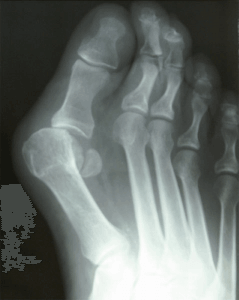
Bunions can be very difficult for many patients. They can often be extremely uncomfortable and make walking unpleasant. Many people try going to larger shoes or wearing toe spacers or straps and padding. This can provide temporary relief however often make the bunion increase in size as larger shoes allow more room for the bunion to grow. The question I hear often is: “When do I have my bunion fixed?”.
When do I have my bunion fixed?
The answer for this is complex and is dependent on each patient and their lifestyle. I think the most important question is does the bunion impact the lifestyle you enjoy? If the answer is yes, it is time to fix it. If your bunion stops you from walking, hiking or even fitting in shoes the time has come.
How is my bunion fixed?
Bunion surgery has significantly progressed in recent years. The majority of bunions can be fixed with a simple procedure that takes less than 2 hours. Most often these can be done in our office and do not require any trips to the hospital. It is very common to be able to walk after surgery and maintain an exercise program with some modifications.
Is it painful?
I think it is important to realize all surgery can cause pain. The majority of our patients do very well with pain control. We have fixed 1000’s of bunions and have developed great post-operative pain control techniques.
Will my bunion come back?
The most important part of bunion surgery is procedure selection. Not all bunions are the same and therefore not all bunions can be fixed with the same procedure. It is vital to have and x-ray and a thorough evaluation of your foot. I also believe having somebody operate on your bunion that has vast experience with bunion surgery is something to consider as well.
I hope this was helpful and answered some common questions. You could be a candidate to have it fixed or even a candidate that we can employ some conservative measures. Please give us a call at 425-391-8666 or make an appointment online.
Dr. Brandon Nelson Discusses Capsulitis of The Second Metatarsal and Toe
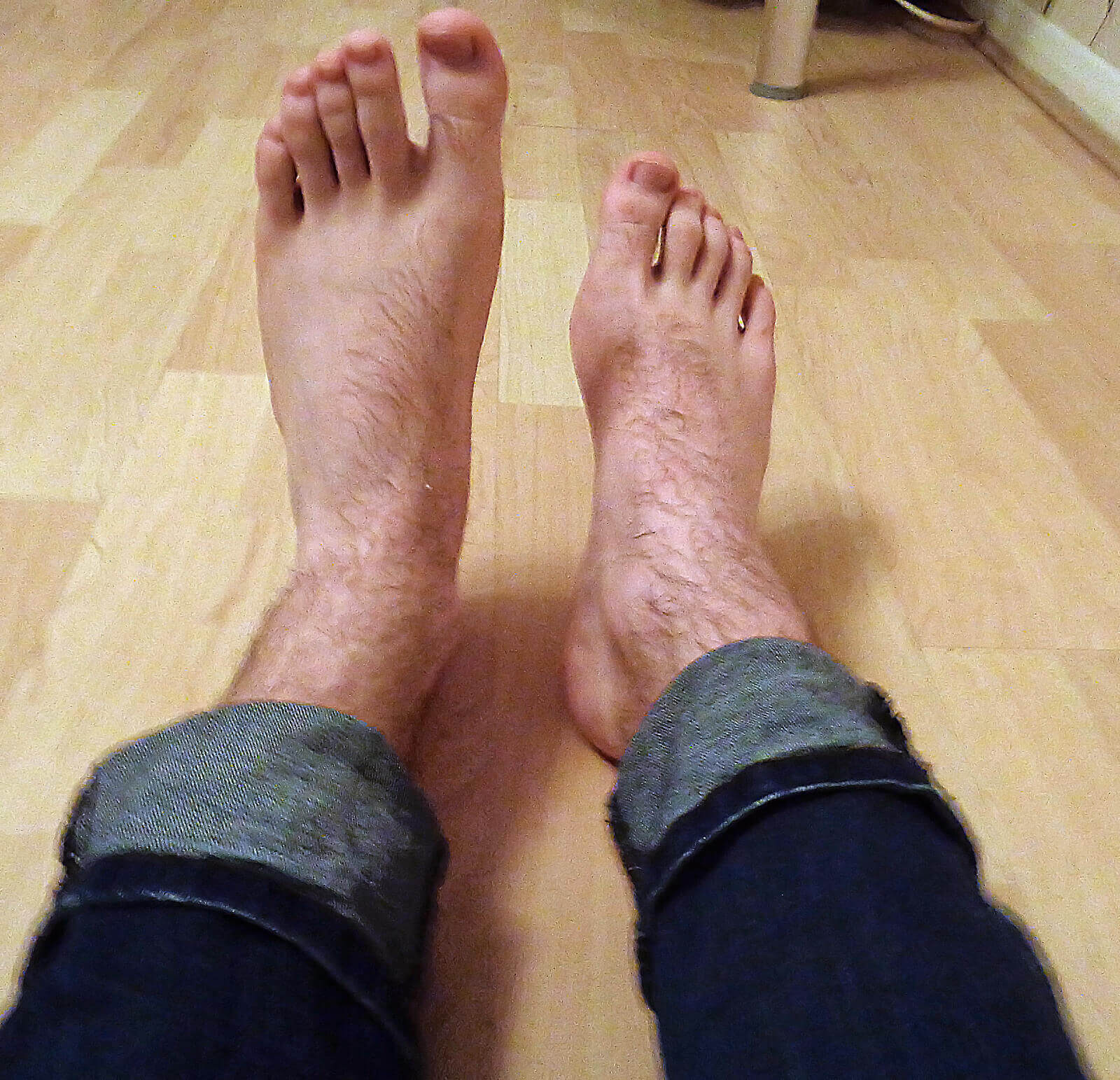
Capsulitis is a generic term for inflammation of a joint or the joint capsule. A joint is where two bone come together and are covered with cartilage and surrounded by a joint sac filled with fluid. This allows the joint to glide smoothly and motion to occur. Joints can become painful, especially with abnormal movements or increased pressures. Capsulitis of the second metatarsal is a common condition in the foot.
Capsulitis of the second metatarsal or toe typically presents with pain or swelling under the second toe. Patients often describe a burning or tingling sensation that is worse with walking. The majority of people that experience this type of condition will have other foot and ankle pathologies that are contributing to the capsulitis.
Contributing factors for capsulitis can include a tight calf muscle or a bunion deformity. A tight calf muscle can cause increased pressure to the forefoot. A bunion can create instability and again overload the second metatarsal. Other factors that can play a role in the development are a flatfoot or even shoe gear and exercise patterns.
Second metatarsal capsulitis can be very challenging from a treatment standpoint. It is important to evaluate both feet and all presenting pathologies. An x-ray is a great place to start the evaluation and look at the generalized foot structure. If you believe you have capsulitis schedule and appointment today so we can help. Give us a call at 425-391-8666 or make an appointment online today.
How to Care for Ankle Sprains and Strains
 A sprained or strained ankle is a common injury. While full recovery can take between 6 to 8 weeks, there are steps that you can take at home to encourage healing. Wrapping the ankle with a bandage can support it during short, necessary activities, like walking from room to room. Applying ice to the injured area can reduce pain and swelling. Resting the ankle is important to avoid aggravating the injury, and the ankle should be elevated while you rest. Taking nonsteroidal anti-inflammatory medications can also help reduce pain. For best results, it is important to follow the instructions of your doctor. If you have injured your ankle, it is recommended that you see a podiatrist for treatment.
Although ankle sprains are common, they aren’t always minor injuries. If you need your ankle injury looked at, contact the podiatrists from Issaquah Foot & Ankle Specialists. Our doctors can provide the care you need to keep you pain-free and on your feet.
How Does an Ankle Sprain Occur?
Ankle sprains are the result of a tear in the ligaments within the ankle. These injuries may happen when you make a rapid shifting movement while your foot is planted. A less common way to sprain your ankle is when your ankle rolls inward while your foot turns outward.
What Are the Symptoms?
- Pain at the sight of the tear
- Bruising/Swelling
- Ankle area is tender to touch
- In severe cases, may hear/feel something tear
- Skin discoloration
Preventing a Sprain
- Wearing appropriate shoes for the occasion
- Stretching before exercises and sports
- Knowing your limits
Treatment of a Sprain
In many cases, the RICE method (Rest, Ice, Compression, and Elevate) is used to treat ankle sprains. However, you should see a podiatrist to see which treatment option would work best with your injury. In severe cases, surgery may be required.
It is important to ask your doctor about rehab options after you receive treatment for your injury. Stretching, strength training, and balance exercises may help the ankle heal while also preventing further injury.
If you have any questions, please feel free to contact one of our offices located in Issaquah, WA . We offer the newest diagnostic and treatment technologies for all your foot care needs.
Ankle Sprains
Although ankle sprains may not be as serious as a broken ankle, they should be given immediate attention and care. An ankle sprain can lead to a significant amount of pain, as well as limited mobility. They are often characterized by the swelling and discoloration of the skin. This occurs when the ligaments are stretched beyond their limits.
The simple act of walking can sometimes cause a sprain, which makes ankle sprains a very common injury that can happen to anyone. They occur when the ankle twists in an awkward way or rolls over itself, causing a pop or snap in the tendons around the ankle. Some people are more at risk than others. These include athletes who continually push their bodies to the limits and also people who have previously suffered accidents to the feet, ankles, or lower legs.
Most of the time, an ankle sprain is not severe enough for hospital attention. There are many at-home treatment options available, including propping the leg up above your head to reduce blood flow and inflammation, applying ice packs to the affected area as needed, taking over-the-counter pain relievers and anti-inflammatory medication, using an ACE bandage to wrap and support the injured ankle, and most importantly, remaining off your feet until the ankle has fully healed.
Despite this, an ankle sprain can turn into a severe injury that might require hospitalization. If the ankle ligaments or muscles are damaged from a tear or rip, that is one sign that the sprain is severe enough for hospital attention and possibly for surgery. Even after the surgery, the recovery process can be long. You may need to have rehabilitation sessions administered by your podiatrist to get your ankle back to full health.
The severity of your sprain might become apparent if you are unable to stand or walk, consistent pain occurs over a prolonged period of time, swelling is much more severe than initially present, or if you start to experience tingling or numbness. These signs may indicate that your ankle sprain might actually be a broken ankle, an injury that requires immediate medical attention.
Although they are not completely avoidable, ankle sprains can be curbed with some preventative treatment measures. These include wearing appropriate-fitting shoes that not only provide a comfortable fit, but also ankle support. It is also recommended to stretch before doing any kind of physical activity, as this will help lower your body’s chance for an injury.
How Seniors Can Care for Their Feet
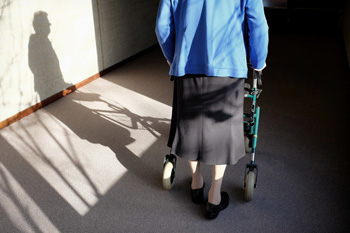 Because the foot is made up of 26 bones, plus a variety of tendons, ligaments, muscles and joints, proper foot care is very important. As our bodies age, the feet experience a lot of wear and tear and other chronic health conditions begin to develop. Therefore, foot care becomes even more important for seniors. Seniors should do daily foot checks to monitor sores, cracks and cuts as well as check for infections. They should also wash their feet daily and make sure that they are dried thoroughly. Keeping the toenails trimmed straight across can help to prevent ingrown toenails. Shoes should fit properly and help protect the feet from extreme hot or cold temperatures. Moisturizing cream should be used to help keep the skin soft. Seniors who are dealing with corns, calluses, bunions or any other foot related issues should visit a podiatrist for proper care.
Proper foot care is something many older adults forget to consider. If you have any concerns about your feet and ankles, contact the podiatrists from Issaquah Foot & Ankle Specialists. Our doctors can provide the care you need to keep you pain-free and on your feet.
The Elderly and Their Feet
As we age we start to notice many changes in our body, but the elder population may not notice them right away. Medical conditions may prevent the elderly to take notice of their foot health right away. Poor vision is a lead contributor to not taking action for the elderly.
Common Conditions
- Neuropathy – can reduce feeling in the feet and can hide many life-threatening medical conditions.
- Reduced flexibility – prevents the ability of proper toenail trimming, and foot cleaning. If left untreated, it may lead to further medical issues.
- Foot sores – amongst the older population can be serious before they are discovered. Some of the problematic conditions they may face are:
- Gouging toenails affecting nearby toe
- Shoes that don’t fit properly
- Pressure sores
- Loss of circulation in legs & feet
- Edema & swelling of feet and ankles
Susceptible Infections
Diabetes and poor circulation can cause general loss of sensitivity over the years, turning a simple cut into a serious issue.
If you have any questions, please feel free to contact one of our offices located in Issaquah, WA . We offer the newest diagnostic and treatment technologies for all your foot care needs.
Elderly Foot Care
As you grow older, you will start to notice more problems with your feet due to wear and tear. This may also happen because the skin will start to become thin and lose elasticity. Some signs of aging feet are regular aches and pains, bunion development, and clawed toes.
Fortunately, there are ways you can improve comfort, relieve pain, and maintain mobility in your feet. One of the best ways to deal with aging feet is to exercise. If you keep active, your muscles will become toned which will then strengthen the arches in the foot and stimulate blood circulation.
It is important that you practice proper foot care to protect your aging feet. You should wash your feet in warm water on an everyday basis. Afterward, the feet need to be dried well and it is important to dry between the toes. Your toenails should be trimmed and kept under control; nails that are poorly cut may become ingrown. At the end of each day, performing an inspection of your feet will allow you to detect any ailments in their early stages.
As you grow older, it becomes more important that you wear comfortable shoes. Your shoes should be secure, and they should provide decent arch support. If you are looking to buy a new pair of shoes, it is best to look for a pair that are made from a breathable material. It is also helpful to have shoes that have a bit of extra room at the top of the shoe, especially if you suffer from swollen feet.
The most common foot problems that elderly people will encounter are bunions, calluses, corns, hammertoes, heel pain, and foot problems related to diabetes. Some other issues include arch pain, tarsal tunnel syndrome, Achilles tendonitis, and Morton’s neuroma
An annual foot examination is a great way for you to ensure that you do not have any serious health problems with your feet. You should talk to a podiatrist about the available treatment options for whichever foot issue you are dealing with.
Dr. Brandon Nelson Discusses When To See A Doctor If You Have Heel Pain
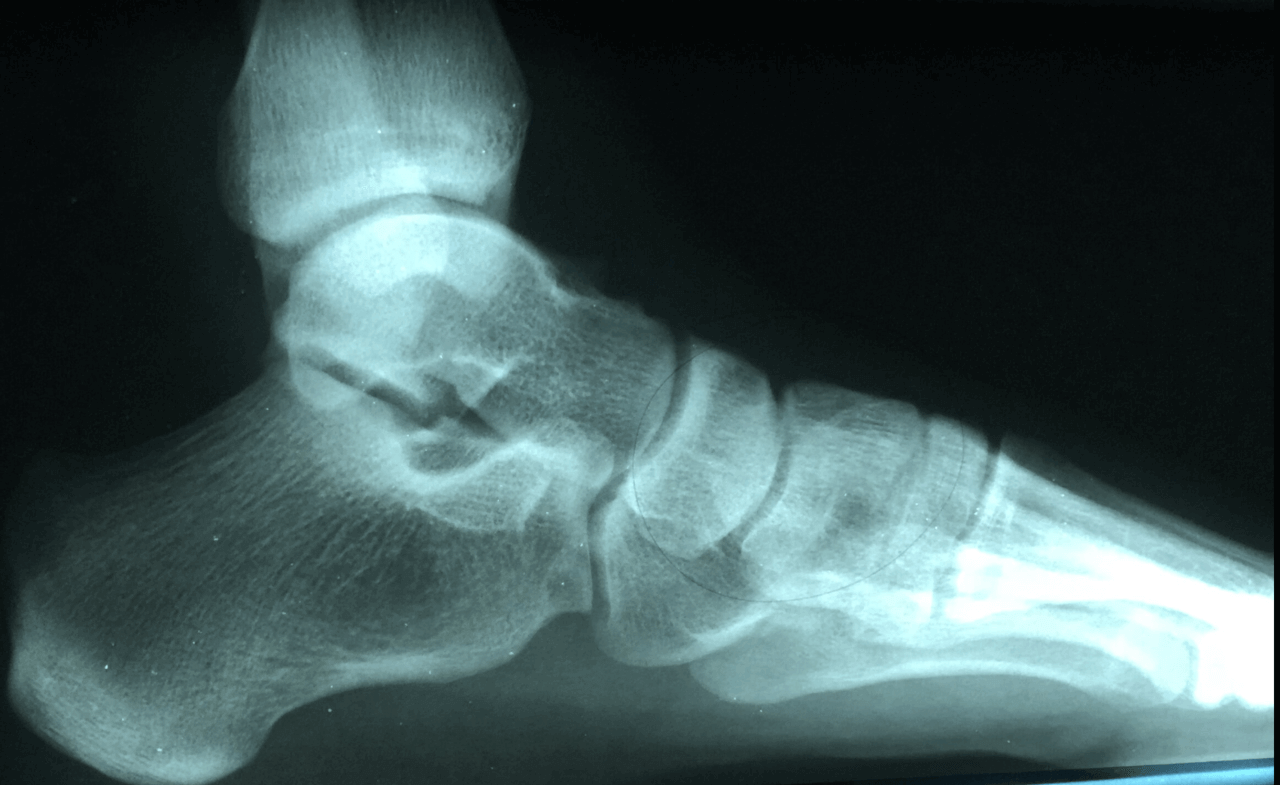
Heel pain has many causes, however the most common cause for adults is Plantar Fasciitis. Most of us have heard this term at some point in our lives because a friend or co-worker has talked about it. But what is it? The Plantar Fascia is the main supporting network of the foot. It runs from your heel bone all the way to your toes. It is active every time you stand or walk and is very important for normal gait cycles. Since this structure is under chronic strain it can become inflamed and over used. This will typically lead to pain in the morning or a bruised type sensation on the bottom of the heel. Patients will often state they feel like they are walking on a pebble. Plantar Fasciitis left untreated can become extremely painful and debilitating.
So when should you see a doctor. I cannot tell you how many patients I see that have had heel pain for greater than a year. The majority of patients will have tried icing and stretching and continue to have pain. I cannot stress enough that plantar fasciitis is much easier to treat with early intervention. I find it extremely valuable to get in to see your doctor early. This will lead to faster recovery and a better long term outcome. Additionally, they are other causes of heel pain and some of these can create serious long term damage. I think it is best if you have pain for greater than a week it is time to have it evaluated. Once evaluated my average patient has a 50-90% reduction in symptoms in less than 1 week.
If you are suffering from heel pain please give us a call at 425-391-8666 or make an appointment online.
Dr. Brandon Nelson Discusses When the Best Time to Have Bunion Surgery Is
Surgery can be quite a bit to think about. Patients need to make work arrangements and plan with family and sometimes even friends. Especially if it is your first time having surgery it can feel like a lot. We at Issaquah Foot & Ankle Specialists have helped so many patients with surgery that our process makes it extremely easy and relaxing. We will help every step of the way. We provide a surgical binder that has everything you need and will make sure that you get all the assistance you need to make the process feel simple.
I think the most important part of planning when to have surgery is simply preparation. I tell most of my patients to think ahead and figure out when the slowest time of year is for you with both family and work. This is not always possible so the good news is we are here to help. The majority of procedures will allow patients to get back to activities in a few days. We have years of experience and can provide answers to any questions or concerns you may have.
The surgical process is easy as well. We have an onsite surgery center and most of the time you will be at the office for just a couple hours. We have dedicated rooms and staff that will assist you the entire time. If you are contemplating having your bunion fixed or having your neuroma or hammertoes corrected, we can help. Give us a call today at 425-391-8666 or make an appointment online.
