




March 2021
Dr. Timothy Young a Board Certified Foot Surgeon, Talks About Capsulitis of the Second Toe and a Bunion Deformity Combined
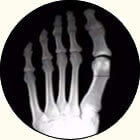
This is a common combination.
When this happens in the first metatarsal does not carry its fair share of weight. It is common, for the next in line 2nd metatarsal to develop a stress overload. We can evaluation both conditions with an x-ray. We sometimes use an MRI to evaluation the extent of the 2nd toe capsulitis including for a capsular tear or plantar plate tear. Both the bunion and the 2nd toe capsulitis can be a difficult combination to treat.
The best bunion treatment can involve shoes and orthotics can also help with non-invasive bunion treatment. Bunion treatment options may be limited in severe cases and often need surgical treatment.
Dr. Brandon Nelson Discusses How to Get Rid of Your Neuromas Without Surgery
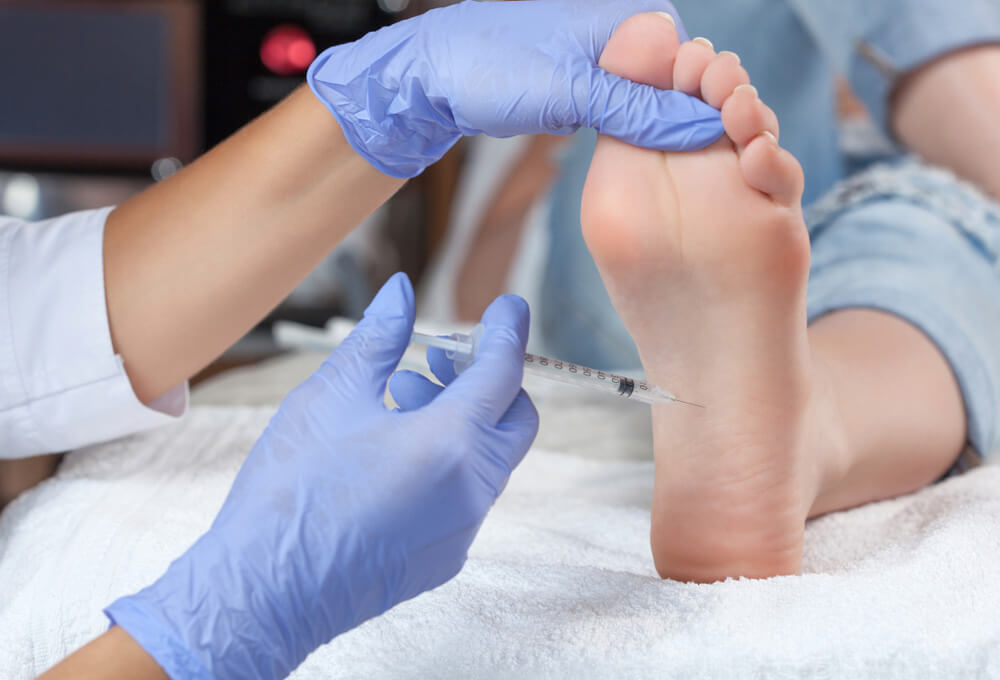
Neuromas refer to a condition where the nerve in the foot often becomes intolerable secondary to pain and discomfort. The majority of people with neuromas will describe a burning or tingling sensation in their foot. This pain is often worse in shoes or after prolonged periods of walking. The majority of neuroma patients are female between the ages of 40 and 60.
Historically neuromas were treated with surgical excision and patients did well with this procedure. However, newer options are available. Alcohol injection therapy and shockwave therapy continue to show increasing success for neuroma patients. The alcohol therapy works by dehydrating the nerve and decreasing the pain signal conduction to the brain. Shockwave therapy works by applying acoustic sound waves to the scarred down nerve and breaking up the inflammatory cycle and increasing blood supply to the area.
The majority of patients we see for neuromas do extremely well with alcohol injections. These alcohol injections have a success rate in the literature up to 90%. The average person needs approximately 4-6 injections 1-2 weeks apart. We have seen incredible success for most of our patients and have had to remove far less neuromas.
Shockwave protocol typically takes between 3 and 5 and often times is done in conjunction with the alcohol injection therapy. Shockwave has no down time and no pain and is one of the most advanced techniques for chronic pain.
If you are currently suffering from nerve pain or neuromas please give us a call at 425-391-8666 or make an appointment online today.
Running, Warming Up And Cooling Down
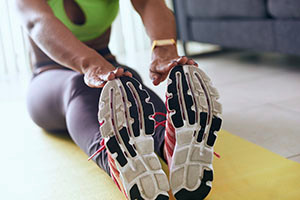 The benefits of exercising generally affects the overall body. Preventing running injuries is important in keeping the body strong, and can be accomplished in several ways. These can include properly stretching and warming up before any running activity begins, and cooling down when it is completed. It is beneficial to practice running that coincides with your fitness level, and wearing shoes that fit correctly may help to prevent painful running injuries. Many people who enjoy running often find it is helpful to gradually increase the time, mileage, and type of running that is pursued. If you would like more information about how running injuries can affect the feet, and how to prevent them, please schedule a consultation with a podiatrist.
Exercising your feet regularly with the proper foot wear is a great way to prevent injuries. If you have any concerns about your feet, contact the podiatrists of Issaquah Foot & Ankle Specialists. Our doctors will treat your foot and ankle needs.
How to Prevent Running Injuries
Many common running injuries are caused by overuse and overtraining. When the back of the kneecap starts wearing out and starts causing pain in your knee, this is commonly referred to as runner’s knee. Runner’s knee is a decrease in strength in your quadriceps and can occur if you’re not wearing properly fitted or supporting shoes. To prevent runner’s knee, focusing on hip strengthening is a good idea, as well as strengthening your quads to keep the kneecaps aligned.
What Are Some Causes of Running Injuries?
- One cause of a common running injury is called iliotibial band syndrome.
- Plantar fasciitis is also another common injury.
- Stress fractures can occur from overtraining, lack of calcium, or even your running style.
Best Ways to Prevent Running Injuries
- Wear footwear that fits properly and suits your running needs.
- Running shoes are the only protective gear that runners have to safeguard them from injury.
- Make a training schedule. Adding strengthening exercises as well as regular stretching can help keep you strong and limber and can lessen the possibility of injuries.
- Stretching keeps muscles limber; this will help you gain better flexibility.
If you have any questions, please feel free to contact one of our offices located in Issaquah, WA . We offer the newest diagnostic and treatment technologies for all your foot care needs.
How to Prevent Running Injuries
Overtraining and overusing the feet are the main causes of common running injuries. A number of these common injuries are caused by overrunning. Runner’s knee is a condition that is characterized by the back of the kneecap beginning to wear away and cause pain in the knee. This frequently occurs due to either a decrease in strength in the quadriceps muscles or ill-fitting shoes that are lacking in proper support for the inside of the forefoot. Strengthening exercises focusing on the quad muscle and sports orthotics are the usual treatments for those suffering from runner’s knee. Prevention of the condition lies in a focus on hip strengthening and quad-strengthening to keep the kneecap aligned. To help learn the best exercise to heal runner’s knee, one can also undergo physical therapy.
One common injury, called iliotibial band syndrome, is often caused by overtraining. This condition occurs when the iliotibial band gets irritated, creating pain and discomfort in the outside knee area. Plantar fasciitis, another common running injury, also occurs as a result of inflammation and irritation. Plantar fasciitis is an inflammation and irritation of the bone in the foot. A large amount of pain is often experienced due to plantar fasciitis. The condition can be caused by a high arch, improper footwear, tight muscles, or flat feet. It can best be avoided by stretching and wearing appropriate footwear that supports the foot.
Another common injury for runners is stress fractures. These injuries occur due to running style, overtraining, or a lack of calcium. Stress fractures most often occur in several locations in runners, including the inner bone of the leg, the thighbone, the bone at the base of the spine and the bones of the toes. Stress fractures are best prevented by wearing proper footwear and by running on flat and hard surfaces; this will absorb some of the shock created during running.
Aside from overtraining, other causes of common running injuries include ill-fitting footwear, a lack of flexibility and strength, and irregular biomechanics. The best way to avoid running injuries is to prevent them from even occurring. Both iliotibial band syndrome and stress fractures are preventable. The first step that should be taken to prevent running injuries is to only wear footwear that fits properly and that is appropriate for whatever activity you are doing. Running shoes are the only protective gear available to runners that can safeguard them from sustaining injuries. Choosing the right pair of shoes is therefore extremely important. While running shoes are an important factor, it is also important to consider other facets of your running routine such as training schedules, flexibility, and strengthening. These elements should be considered and altered according to your running needs to best maximize your run and minimize the possibility of injury. Careful stretching before and after a run should also be considered to help prevent running injuries. Stretching muscles enables greater flexibility and a lesser chance of sustaining injury.
Dr. Brandon Nelson Discusses the Lapiplasty Bunionectomy
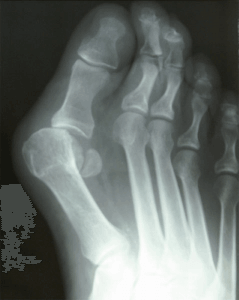
There are many different procedures that can be selected for bunion surgery. These can range from head procedures, midshaft procedures and base procedures and even joint fusions. The procedure selected can often be related to other conditions of the foot as well as how large the bunion itself is and how the patient is. The most important part about procedure selection is having an examination by a physician radiographically and clinically.
The Lapidus procedure has been around for an extremely long time and provides great bunion correction. The Lapidus bunion procedure itself inherently is a little more challenging than some of the other bunion options. Recently new instrumentation has been developed to make the Lapidus bunion procedure easier and more reproducible. This cuts down on recovery and operating room time for the patient and ultimately improves outcomes.
At Issaquah Foot and Ankle Specialists, we have been performing the Lapidus bunionectomy for years and on 100s of patients. The lapiplasty instrumentation has been extremely helpful we have seen increased patient satisfaction. If you are contemplating a bunionectomy I highly recommend an evaluation to see if the Lapiplasty is appropriate for your bunion.
Give us a call at 425-391-8666 or make an appointment online.
Living With Flat Feet
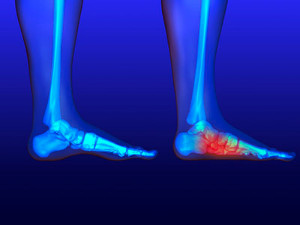 Having flat feet, defined as feet that do not have a visible arch in the sole while standing, can sometimes cause foot problems to arise. While many people have flat feet and do not experience any negative effects, others may find that they have foot pain, fatigue easily, or have an abnormal walking pattern. Fortunately, there are steps you can take to make living with flat feet more comfortable. Over the counter and custom orthotic inserts can be worn in the shoes to provide more cushioning and support to your flat feet as you go about your daily activities. Stretching and strengthening the feet with simple foot exercises can also help to reduce pain and discomfort. For more information about flat feet, please consult with a podiatrist.
Flatfoot is a condition many people suffer from. If you have flat feet, contact the podiatrists from Issaquah Foot & Ankle Specialists. Our doctors will treat your foot and ankle needs.
What Are Flat Feet?
Flatfoot is a condition in which the arch of the foot is depressed and the sole of the foot is almost completely in contact with the ground. About 20-30% of the population generally has flat feet because their arches never formed during growth.
Conditions & Problems:
Having flat feet makes it difficult to run or walk because of the stress placed on the ankles.
Alignment – The general alignment of your legs can be disrupted, because the ankles move inward which can cause major discomfort.
Knees – If you have complications with your knees, flat feet can be a contributor to arthritis in that area.
Symptoms
- Pain around the heel or arch area
- Trouble standing on the tip toe
- Swelling around the inside of the ankle
- Flat look to one or both feet
- Having your shoes feel uneven when worn
Treatment
If you are experiencing pain and stress on the foot you may weaken the posterior tibial tendon, which runs around the inside of the ankle.
If you have any questions, please feel free to contact one of our offices located in Issaquah, WA . We offer the newest diagnostic and treatment technologies for all your foot care needs.
What is Flexible Flat Foot?
Flatfoot is classified as having the entire sole of the foot in contact or near contact to the ground while standing. The disorder is also known as fallen arches, because those affected have no arch in their feet. Flexible flatfoot and rigid flatfoot are the two types of flatfoot.
A person has flexible flatfoot if when sitting or standing on their toes, they have an arch that disappears when they stand with the entire foot on the ground. Flexible flatfoot may also be called “pediatric flatfoot” because the condition first appears in childhood. It is common among infants because the arch does not develop until the age of 5 or 6 years. Rigid flatfoot is not as common in children as it is with adults. This type of flatfoot is developed due to the weakening of tibialis posterior muscle tendon, a major supporting structure of the foot arch. Development of this deformity is progressive and shows early signs of pain and swelling that begins at the inside arch of the foot and moves to the outside of the foot below the ankle. More severe cases can possibly lead to arthritis of the foot and ankle joints.
Although most cases of flatfoot involve people born with the condition, some less common causes are obesity, diabetes, pregnancy, and osteoporosis. In some cases, flatfoot may come with no symptoms at all and does not require any type of treatment. With other cases though, symptoms may include pain in the shin, knee, hips and lower back. If a person with flatfeet experiences such symptoms, a health care provider may suggest using orthotic devices or arch supports, which may reduce the pain. Wearing supportive shoes can also prove more comfortable with flatfeet and staying away from shoes with little support such as sandals. Other methods to relieve pain also include stretching the Achilles tendon properly and using proper form when doing any physical activity. In addition, losing weight can reduce the stress on your feet and reduce the pain.
Dr. Brandon Nelson Discusses Forefoot Capsulitis/Neuroma
Forefoot pain is a very common presenting symptom for patients at our office. We see a lot of people that have returned to activities or started a new exercise program that come in with forefoot discomfort. There are many different causes of forefoot pain. However, the most common are capsulitis and neuromas.
Capsulitis
Capsuilitis is an inflammation of the joint and, in the foot specifically, an inflammation of the metatarsal phalangeal joint. Capsulitis often can present with some swelling to the forefoot and the pain goes away with rest often times. Patients often describe it as a dual ache or throbbing like sensation, additionally there is usually underlying foot pathology that contributed to this. Where the most common other presenting pathology with forefoot capsulitis is a bunion deformity. We see a lot of people with large bunion deformities that are overloading the forefoot getting a considerable amount of discomfort daily. It is important to have an x-ray in order to rule out additional causes like stress fractures and arthritis.
Neuromas
Neuromas involve an inflammation of your nerves. Typically we see this pathology with, but not limited to, people between the ages of 40 and 60. Neuromas will typically present with burning or sharp shooting type pain. Most patients will relate that the pain is relieved by staying off of the foot or by taking off their shoe and rubbing the foot. The most common space for neuroma is the third interspace we typically will be able to isolate this pathology with palpation. However I do recommend an x-ray to rule out other causes as well.
Issaquah Foot and Ankle Specialists provides the most advanced care to all walks of life. We see pediatric patients all the way to geriatric patients. We treat all of our patients like family and look forward to helping you with your foot and ankle care.
Give us a call today at 425-391-8666 or make an appointment online.
Heel Pain Can Be Treated!
Do you suffer from heel pain when you get up in the morning? If so, you should seek professional help and have a proper diagnosis performed. Heel pain can be caused by several different foot-related conditions.
Off-the-Shelf vs. Custom-Made Foot Orthotics
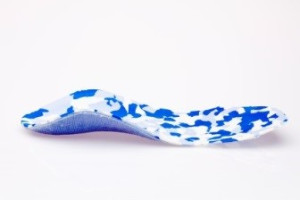 When you are experiencing foot pain, any relief is welcome. Pre-made shoe inserts (foot orthotics) purchased at the drug store can alleviate discomfort for some people. There are also custom-made foot orthotics which go a step further. A podiatrist first determines the cause of your foot pain, and creates either a 3D model or takes an impression of your actual feet. Then, a customized foot orthotic is created to fit you and treat the specific nature of your pain. These made-to-order orthotics can benefit patients with conditions such as plantar fasciitis, bunions, high arches and various forms of arthritis. If you are experiencing pain in one or both of your feet, don’t suffer in silence. It is suggested that you call a podiatrist to see if foot orthotics can improve your quality of life.
If you are having discomfort in your feet and would like to try orthotics, contact the podiatrists from Issaquah Foot & Ankle Specialists. Our doctors can provide the care you need to keep you pain-free and on your feet.
What Are Orthotics?
Orthotics are inserts you can place into your shoes to help with a variety of foot problems such as flat feet or foot pain. Orthotics provide relief and comfort for minor foot and heel pain but can’t correct serious biomechanical problems in your feet.
Over-the-Counter Inserts
Orthotics come in a wide variety of over-the-counter inserts that are used to treat foot pain, heel pain, and minor problems. For example, arch supports can be inserted into your shoes to help correct overarched or flat feet, while gel insoles are often used because they provide comfort and relief from foot and heel pain by alleviating pressure.
Prescription Orthotics
If over-the-counter inserts don’t work for you or if you have a more severe foot concern, it is possible to have your podiatrist prescribe custom orthotics. These high-quality inserts are designed to treat problems such as abnormal motion, plantar fasciitis, and severe forms of heel pain. They can even be used to help patients suffering from diabetes by treating foot ulcers and painful calluses and are usually molded to your feet individually, which allows them to provide full support and comfort.
If you are experiencing minor to severe foot or heel pain, it’s recommended to speak with your podiatrist about the possibilities of using orthotics. A podiatrist can determine which type of orthotic is right for you and allow you to take the first steps towards being pain-free.
If you have any questions, please feel free to contact one of our offices located in Issaquah, WA . We offer the newest diagnostic and treatment technologies for all your foot care needs.
