




December 2021
How to Prevent Running Injuries
Overtraining and overusing the feet are the main causes of common running injuries. A number of these common injuries are caused by overrunning. Runner’s knee is a condition that is characterized by the back of the kneecap beginning to wear away and cause pain in the knee. This frequently occurs due to either a decrease in strength in the quadriceps muscles or ill-fitting shoes that are lacking in proper support for the inside of the forefoot. Strengthening exercises focusing on the quad muscle and sports orthotics are the usual treatments for those suffering from runner’s knee. Prevention of the condition lies in a focus on hip strengthening and quad-strengthening to keep the kneecap aligned. To help learn the best exercise to heal runner’s knee, one can also undergo physical therapy.
One common injury, called iliotibial band syndrome, is often caused by overtraining. This condition occurs when the iliotibial band gets irritated, creating pain and discomfort in the outside knee area. Plantar fasciitis, another common running injury, also occurs as a result of inflammation and irritation. Plantar fasciitis is an inflammation and irritation of the bone in the foot. A large amount of pain is often experienced due to plantar fasciitis. The condition can be caused by a high arch, improper footwear, tight muscles, or flat feet. It can best be avoided by stretching and wearing appropriate footwear that supports the foot.
Another common injury for runners is stress fractures. These injuries occur due to running style, overtraining, or a lack of calcium. Stress fractures most often occur in several locations in runners, including the inner bone of the leg, the thighbone, the bone at the base of the spine and the bones of the toes. Stress fractures are best prevented by wearing proper footwear and by running on flat and hard surfaces; this will absorb some of the shock created during running.
Aside from overtraining, other causes of common running injuries include ill-fitting footwear, a lack of flexibility and strength, and irregular biomechanics. The best way to avoid running injuries is to prevent them from even occurring. Both iliotibial band syndrome and stress fractures are preventable. The first step that should be taken to prevent running injuries is to only wear footwear that fits properly and that is appropriate for whatever activity you are doing. Running shoes are the only protective gear available to runners that can safeguard them from sustaining injuries. Choosing the right pair of shoes is therefore extremely important. While running shoes are an important factor, it is also important to consider other facets of your running routine such as training schedules, flexibility, and strengthening. These elements should be considered and altered according to your running needs to best maximize your run and minimize the possibility of injury. Careful stretching before and after a run should also be considered to help prevent running injuries. Stretching muscles enables greater flexibility and a lesser chance of sustaining injury.
Tips for Preventing Running Injuries

Most runners experience injuries from time to time, and pushing the body too far is probably the most common cause of foot and ankle injuries. Stress fractures and heel pain can also be caused by inefficient running habits. Increasing your cadence slowly, (the number of steps per minute) can help to prevent injury. An efficient running cadence is thought to be between 85 and 100 steps per minute, counting on one leg. Anything under 75 may increase your chances of injury. Another way to avoid injury is to reduce the amount of time your feet are on the ground while running. A third suggestion is to slightly lean into the run and let gravity help propel you forward. These changes can help to reduce the impact that causes stress on the bones and muscles. If you are experiencing foot or heel pain while or after running, please see a podiatrist as soon as possible for a diagnosis and treatment plan before continuing activity.
Exercising your feet regularly with the proper foot wear is a great way to prevent injuries. If you have any concerns about your feet, contact the podiatrists of Issaquah Foot & Ankle Specialists. Our doctors will treat your foot and ankle needs.
How to Prevent Running Injuries
Many common running injuries are caused by overuse and overtraining. When the back of the kneecap starts wearing out and starts causing pain in your knee, this is commonly referred to as runner’s knee. Runner’s knee is a decrease in strength in your quadriceps and can occur if you’re not wearing properly fitted or supporting shoes. To prevent runner’s knee, focusing on hip strengthening is a good idea, as well as strengthening your quads to keep the kneecaps aligned.
What Are Some Causes of Running Injuries?
- One cause of a common running injury is called iliotibial band syndrome.
- Plantar fasciitis is also another common injury.
- Stress fractures can occur from overtraining, lack of calcium, or even your running style.
Best Ways to Prevent Running Injuries
- Wear footwear that fits properly and suits your running needs.
- Running shoes are the only protective gear that runners have to safeguard them from injury.
- Make a training schedule. Adding strengthening exercises as well as regular stretching can help keep you strong and limber and can lessen the possibility of injuries.
- Stretching keeps muscles limber; this will help you gain better flexibility.
If you have any questions, please feel free to contact one of our offices located in Issaquah, WA . We offer the newest diagnostic and treatment technologies for all your foot care needs.
Dr. Timothy Young, a Board Certified Foot Surgeon, Discusses How Doctors Diagnose Resistant Plantar Fasciitis
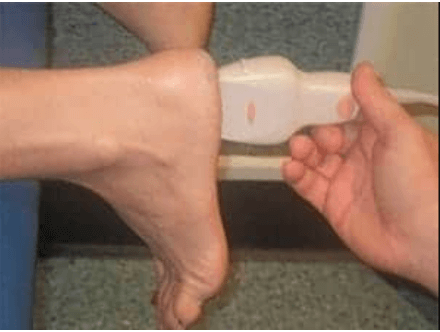
One of the essential tools for evaluation of heel pain is ultrasound high definition imaging. With this diagnostic tool, we can see if the planter fascia is excessively thickened and to what extent. For example typical thickness would be 3- 4 mm. But in severe cases it can be 7 mm or even up to 11 mm thick. This can be especially helpful when comparing to baseline or the non-symptomatic side.
In some cases there has been plantar fasciitis in the past on the non-symptomatic side or some individuals have plantar fasciitis affect on the both the right and left foot which does make baseline comparison a challenge. So when we see a severe case of plantar fasciitis with severe thickening of the fascia then we know it will be even more resistant than typical. That means that we have to consider some some of the treatment options for resisting cases such as shockwave therapy or PRP. We still have to do all of the other traditional treatments for plantar fasciitis.
Give us a call at 425-391-8666 or make an appointment online today.
Dr. Brandon Nelson, Board-Certified Foot and Ankle Physician and Surgeon, Discusses Bunion Surgery
Bunion pain is a common presentation at my clinic. We see a large percentage of bunion patients wanting consultations for surgery. Bunion surgery is highly successful and moderate techniques provide decrease healing times and decreased postoperative pain. It is important to understand that there are many different types of bunion surgery that can be performed. The primary indicator for bunion surgery selection is the overall foot structure and the size of the bunion.
Over the years I have seen many different types of bunion surgery come in and out of favor. It is important to realize there are a few procedures that have been around for years and continue to be the work courses of bunion surgery. The most common bunion surgery performed in the United States is was called a head procedure or an Austin type bunionectomy.
The Austin bunionectomy involves repairing of the small some medium size bunion. It consists of cutting the first metatarsal head in a Chevron type fashion and then moving the head in a lateral position towards the fifth metatarsal. Additionally some bone is typically shaved off the medial aspect or the inside of the first metatarsal head and some soft tissue is released laterally. This is a great procedure provides wonderful correction in the majority of patients are able to fully walk after this procedure.
If you have bunion pain and are interested in having a surgical consultation please make an appointment today or give us a call at 425-391-8666 and I’ll happily help get it fixed.
Sincerely,
Board-certified American College of Foot and Ankle Surgeons
Board-certified American Board of Podiatric Medicine
Diabetic Foot Conditions
Diabetes is the condition in which the body does not properly process food for use as energy. People with Type 1 diabetes cannot produce insulin, which is required for glucose to feed your body’s cells. It is typically caused by the immune system mistaking healthy cells for foreign invaders and destroying the insulin-producing cells in the pancreas. On the other hand, people with Type 2 diabetes cannot respond to insulin properly, and eventually cannot produce enough. The Centers for Disease Control and Prevention reports that over 30 million people in the United States have diabetes, with 1 in 4 having no idea they have it. Surprisingly, diabetes is the seventh leading cause of death in the US. The symptoms of diabetes include frequent urination, fatigue, hunger, and even blurry vision.
Diabetes can also affect the feet as well. Over time, diabetes can cause nerve damage to your feet, which could then lead to symptoms such as tingling, pain and numbness in the feet. Neuropathy can be very dangerous to a person with diabetes, since it prevents them from feeling injuries such as cuts or blisters in the feet, and if not detected early enough, may lead to infection. Neuropathy can also lead changes in the shape of your feet and toes. The best way for people with diabetes to prevent or delay neuropathy is keeping their blood glucose levels in their target range. This consists of eating right, having the correct amount of exercise, and taking medications.
Diabetes can also create calluses and foot ulcers as well. Calluses build up faster and occur more frequently with those affected by diabetes. If there are too many calluses, therapeutic shoes and inserts may be required. It is important to have calluses trimmed by a health professional, as doing it yourself may lead to infections. If these calluses continue to develop and thicken, they can lead to foot ulcers. Foot ulcers are open sores, that appear on the ball of the foot or on the bottom of the big toe. These ulcers can lead to future infections if not treated and may possibly result in losing a limb. It is important to report any ulcers to your podiatrist right away. Your doctor may take x-rays to examine the foot and clean out any dead and infected tissue.
Lastly, diabetes can also lead to poor circulation and peripheral arterial disease (PAD). The poor circulation in the feet and leg area is a result of diabetes narrowing and hardening, eventually slowing down the blood flow in that area. The best way to prevent this is to keep away from smoking and follow your doctor’s advice for maintaining blood pressure and cholesterol. PAD is similar to this complication. PAD is when blood vessels narrow or are blocked by fatty deposits. PAD also increases your risk of heart attacks and strokes and is a common condition to those affected by diabetes. The combination of both PAD and neuropathy may lead to infections and can result in amputation of certain limbs. PAD can be prevented with wearing the proper foot wear and regularly taking care of your feet.
If you want to take care of your feet, you should wash and dry them carefully and perform daily inspections to check for cuts, blisters, or swelling. Any physical activity you partake in should be approved by your health care provider. You should also be sure to wear special shoes if advised to do so by your doctor.
Ways to Avoid or Reduce Diabetic Foot Problems
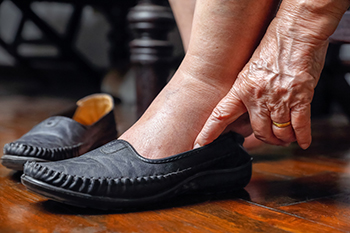 Many people who have diabetes also end up developing foot problems. The best way to avoid them is to control blood sugar levels everyday, which can help to keep nerve and blood vessel damage from increasing. There are also several ways to help avoid foot sores and infection. Check the feet each day, looking for cuts, redness and changes to the skin and toenails. Wash the feet daily and be sure to dry them thoroughly to avoid buildup of moisture. Put your feet up as much as possible, and wriggle the toes and circle the feet. Avoid wearing tight socks that can restrict circulation to the feet. If you notice sores or blisters that won’t heal, if the skin is red, warm and painful, or if you start to notice an odor emanating from the feet, it would be wise to consult a podiatrist as soon as possible for a diagnosis and treatment options.
Diabetic foot care is important in preventing foot ailments such as ulcers. If you are suffering from diabetes or have any other concerns about your feet, contact the podiatrists from Issaquah Foot & Ankle Specialists. Our doctors can provide the care you need to keep you pain-free and on your feet.
Diabetic Foot Care
Diabetes affects millions of people every year. The condition can damage blood vessels in many parts of the body, especially the feet. Because of this, taking care of your feet is essential if you have diabetes, and having a podiatrist help monitor your foot health is highly recommended.
The Importance of Caring for Your Feet
- Routinely inspect your feet for bruises or sores.
- Wear socks that fit your feet comfortably.
- Wear comfortable shoes that provide adequate support.
Patients with diabetes should have their doctor monitor their blood levels, as blood sugar levels play such a huge role in diabetic care. Monitoring these levels on a regular basis is highly advised.
It is always best to inform your healthcare professional of any concerns you may have regarding your feet, especially for diabetic patients. Early treatment and routine foot examinations are keys to maintaining proper health, especially because severe complications can arise if proper treatment is not applied.
If you have any questions, please feel free to contact one of our offices located in Issaquah, WA . We offer the newest diagnostic and treatment technologies for all your foot care needs.
Dr. Brandon Nelson, Board-Certified Foot and Ankle Surgeon, Discusses Treatment Options for Plantar Fasciitis
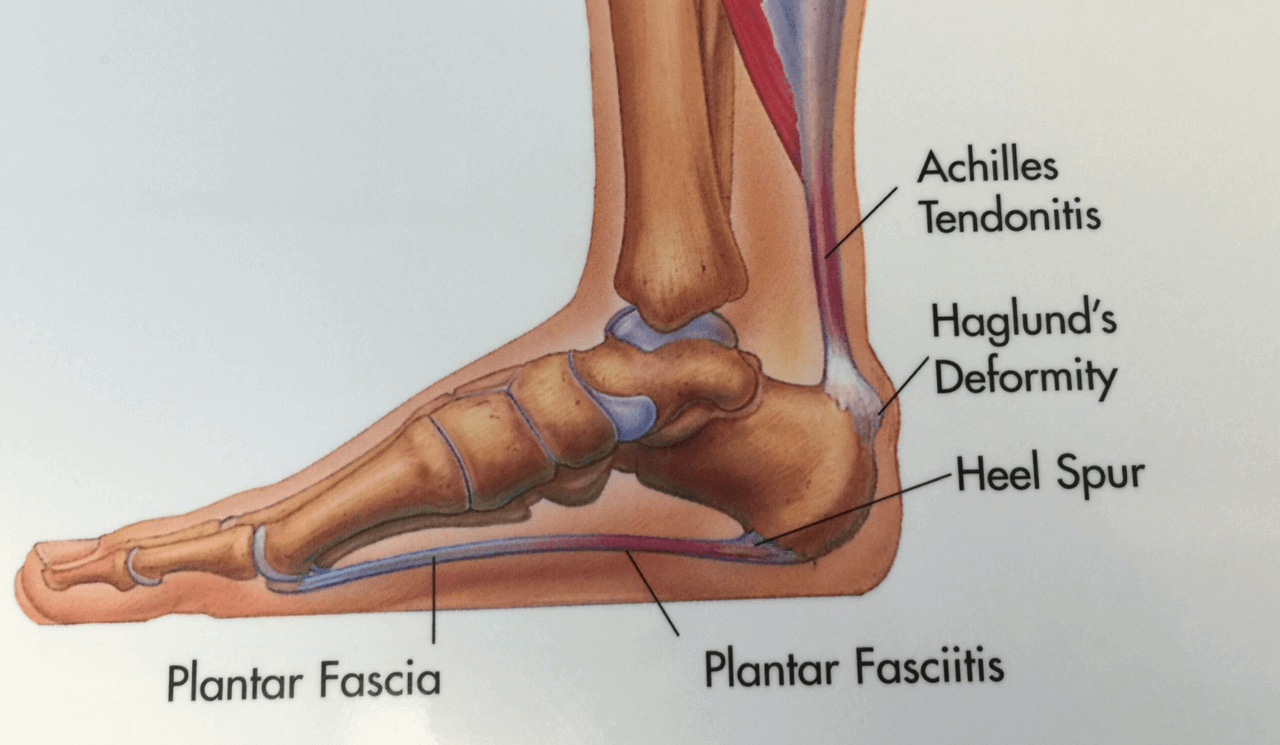
Plantar fasciitis and other causes of heel pain including Sever’s disease, apophysitis, calcaneal stress fractures and bursitis can sometimes be difficult to differentiate between. It is important to have a thorough workup including x-rays and sometimes even an MRI by a physician that specializes in heel pain. Heel pain and the treatment of heel pain have been a passion of mine for over 15 years. I am constantly reviewing Journal articles in the latest research for heel pain to improve my care for my patients can speed recovery.
The most common cause of heel pain continues to be plantar fasciitis. Most people will experience pain in the morning or after prolonged periods of rest. In addition often times patients will have pain at the end of the day sometimes a burning tingling type sensation. There are often is a correlation with increased activities or change in shoe gear.
Plantar fasciitis or heel pain is by far the most common treated pathology that I encountered. Once an accurate diagnosis is made the conservative success rate is almost 90%. The treatment needs to be patients specific. There is important to address the overall foot structure and mechanics of the patient. I highly recommend seeing a foot and ankle physician experiencing heel pain and making sure to have a thorough workup including appropriate blood work x-rays and even advanced imaging is needed.
If you currently experiencing heel pain I can help. Please give me a call 425-391-8666
Sincerely,
Board-certified American College of Foot and Ankle Surgeons
Board-certified American College of Podiatric Medicine
Pregnancy and Foot Health
Many pregnant women complain about foot pain while they are expecting. Foot pain can primarily be caused by weight gain and hormonal changes taking place in the body. By understanding how pregnancy impacts the health of a woman's feet, a pregnant woman can take action to keep her feet as healthy and comfortable as possible.
Because a woman's weight changes during pregnancy, more pressure is brought to bear on both the legs and the feet. This weight shift can cause two major foot problems: over-pronation, also known as flat feet, as well as edema, which is swelling of the feet. Over-pronation occurs when the arch of the foot flattens, causing the foot to roll inwards when the individual is walking, and can aggravate the plantar fascia tissues located along the bottom of the feet. If these tissues become inflamed, a pregnant woman can experience pain in the heel of the foot as well as severe foot pain while walking or standing. Swelling of the feet, or edema, often occurs in the later stages of pregnancy. It is caused by slow circulation and water retention, and may turn the feet a light purple color.
To keep feet in good health and prevent over-pronation, pregnant women should avoid walking barefoot and be sure they are wearing shoes that offer good arch support. A device known as an orthotic can be added to regular footwear in order to provide additional support for the feet during pregnancy. Any expectant mother whose feet hurt should first check to see if the shoes she is wearing are old, worn out and not offering the proper support necessary for distributing the weight of her body during pregnancy.
To treat edema of the feet, a good start is to wear quality footwear which offers support and good circulation. Keep feet elevated whenever possible by using a foot stool while seated. Stay well hydrated by drinking plenty of water to prevent water retention in the feet. Any swelling that occurs in only one foot should be examined as soon as possible by a podiatrist.
Good foot health during pregnancy can help expectant mothers avoid foot pain that leads to other health problems. Massaging the feet and doing regular gentle exercise like walking aids foot health by contributing to good circulation. Supportive shoes are also a good investment that will support foot health during pregnancy.
How to Reduce Foot Swelling During Pregnancy
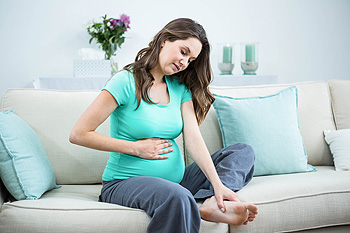
Many women experience swelling in the feet and ankles during pregnancy. This common condition is known as edema, where fluids are trapped in the tissues of the body causing puffiness and swelling under the skin. Edema is more likely to occur in the late afternoon and evening after you have spent the day on your feet. Swollen feet and ankles may be more likely after the fifth month of pregnancy as weight gain continues and water retention increases. There are a few things that can help to alleviate swelling during your pregnancy. Try to avoid standing for long periods and keep your feet elevated while resting. Further, you can opt for comfortable shoes rather than high heels, and wear compression socks or tights. In addition, try to drink more water and cut back on salty foods. While resting, apply a cold compress to the swollen areas. If the swelling becomes serious, please make an appointment with a podiatrist for further examination and information on various treatment methods.
Pregnant women with swollen feet can be treated with a variety of different methods that are readily available. For more information about other cures for swollen feet during pregnancy, consult with the podiatrists from Issaquah Foot & Ankle Specialists. Our doctors will attend to all of your foot and ankle needs.
What Foot Problems Can Arise During Pregnancy?
One problem that can occur is overpronation, which occurs when the arch of the foot flattens and tends to roll inward. This can cause pain and discomfort in your heels while you’re walking or even just standing up, trying to support your baby.
Another problem is edema, or swelling in the extremities. This often affects the feet during pregnancy but tends to occur in the later stages.
How Can I Keep My Feet Healthy During Pregnancy?
- Wearing orthotics can provide extra support for the feet and help distribute weight evenly
- Minimize the amount of time spent walking barefoot
- Wear shoes with good arch support
- Wear shoes that allow for good circulation to the feet
- Elevate feet if you experience swelling
- Massage your feet
- Get regular, light exercise, such as walking, to promote blood circulation to the feet
If you have any questions, please feel free to contact one of our offices located in Issaquah, WA . We offer the newest diagnostic and treatment technologies for all your foot care needs.
Plantar Warts Can Be Treated!

Plantar warts are small growths that develop on parts of the feet that bear weight. They're typically found on the bottom of the foot. Don't live with plantar warts, and call us today!
