




December 2021
What Does Shockwave/EPAT Do?
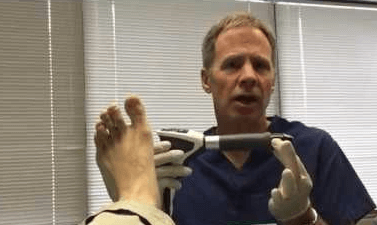
What does shockwave/EPAT do?
We use shockwave for various conditions. For example, with plantar fasciitis the plantar fascia does not have great blood supply. So, with plantar fasciitis, shockwave is extremely effective. The body thinks it is being traumatized and this in turn stimulates additional blood flow to help the plantar fasciitis resolve. The shockwave treatment also stimulates the release of local healing factors that your body has available but aren't normally released or readily available . For example, these healing factors would be released during an injury. So again, this shockwave treatment simulates an injury but it's not creating any real trauma (just fooling the body) .
Over time, shockwave helps allow for long-term healing of the tissues, rather than just masking the problem.
If you are experiencing heel pain, give us a call at 425-391-8666 or make an appointment online today.
Dr. Brandon Nelson a Board Certified Physician & Surgeon Discusses How Heel Pain Can Be Fixed Permanently
The most common cause of heel pain continues to be plantar fasciitis in adults and apophysitis (or Sever’s Disease) in children. With adults it seems to be correlated with an increase in exercise or activities and with children it is common with growth spurts. The two conditions often have similar presentations and can be treated with similar protocols. I recommend having any pain evaluated by a physician as other pathologies can cause heel pain.
They are many different treatment options for heel pain, especially plantar fasciitis. I have now observed different conservative and surgical techniques come in and out of favor. It is important to first get the correct diagnosis and then see what factors are contributing to the pain before implementing treatment. It can be helpful to have and x-ray, an ultrasound or even an MRI before tackling heel pain.
In recent years I have began to approach plantar fasciitis from both a mechanical and biological perspective. I believe foot structure and training can play a large part in the development of heel pain. I also believe once this heel pain starts it often can become chronic and this chronicity is what allows the pain to spiral out of control. Since implementing a protocol that addresses both of these aspects I have seen a huge swing in long term effectiveness. If you are suffering from heel pain for months or even years I can help you fix this once and for all. I know how painful, frustrating and exhausting it can be.
Board Certified Physician and Surgeon
Solutions for Cracked Heels
Cracked heels can make life very frustrating and embarrassing when displaying the bare feet. Aside from being unpleasing to the eye, they can also tear stockings and socks and wear out shoes at a faster rate. When severe, cracked heels may cause pain or infection.
Cracked heels are a problem for those who are athletic, those who may walk a lot, and those who have especially dry skin. Those who use medication that dry the skin, those who swim often, wearing certain types of shoes, and those who are diabetic may have trouble with cracked heels. Seniors whose skin produces less oil may also have trouble with cracked feet. There is no one way to develop cracked feet, and there is no cure.
Today, the market consists of numerous products that have a variety of ingredients to promote healing. Some of these are over-the-counter. Others are prescribed by a doctor, especially for those who have chronic dry feet and heels.
Some doctors recommend wearing socks at night for those with rough skin. This helps further healing, and helps creams stay on longer and better absorb into the skin.
One way to alleviate dryness that causes cracked heels is by using moisturizers both day and night. Another way is to make sure the skin is clean and dry at all times. Using a pumice stone to buff away dead skin before putting on moisturizer can also help. Cracked heels will not respond to the cream unless the outer layer of skin is first removed through exfoliation. After exfoliation, lotion or ointment will be absorbed by the skin more easily.
Foods that produce healing and balance can also help the skin from within. Everything that is put into the body can either help it or hurt it. Taking supplements of omega-3 fatty acids and zinc can also be very beneficial.
Nevertheless, not all products are guaranteed to help treat cracked feet. Seeing a professional is best if other treatments options were unsuccessful. A podiatrist should be able to give the best advice to help with this problem.
Remedies for Repairing Cracked Heels
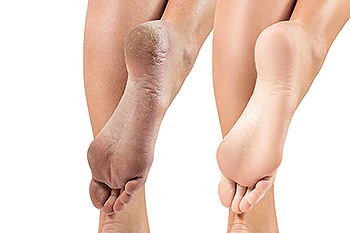 Anyone with cracked heels, which affects around 20 percent of adults in the United States, knows how uncomfortable they can be. Fortunately, there are several simple home remedies that, if utilized regularly, can help improve the condition. Soak the feet for 20 minutes in soapy water, remove dry skin with a pumice stone or other abrasion device, dry the feet thoroughly, and then apply heavy moisturizing lotion to help restore the skin. It’s also a good idea to wear socks to help keep moisture in the heels. Cold and dry weather, especially during the winter months, is a common contributing factor of cracked heels. Other possible causes include obesity, wearing open-heeled sandals, and frequently standing on hard floors for long periods of time. Eczema, psoriasis and fungal infection can cause the heels to crack as well. If you are experiencing extreme discomfort from cracked or split heels, it would be wise to consult a podiatrist for treatment options.
Cracked heels are unsightly and can cause further damage to your shoes and feet. If you have any concerns, contact the podiatrists from Issaquah Foot & Ankle Specialists. Our doctors can provide the care you need to keep you pain-free and on your feet.
Cracked Heels
Cracked heels appear unappealing and can make it harder for you walk around in sandals. Aside from looking unpleasant, cracked heels can also tear stockings, socks, and wear out your shoes. There are several methods to help restore a cracked heel and prevent further damage.
How Do You Get Them?
Dry skin is the number one culprit in creating cracked heels. Many athletes, walkers, joggers, and even swimmers suffer from cracked heels. Age and skin oil production play a role to getting cracked heels as well.
Promote Healing
Over the counter medicines can help, especially for those that need instant relief or who suffer from chronic dry feet.
Wear Socks – Wearing socks with medicated creams helps lock in moisture.
Moisturizers – Applying both day and night will help alleviate dryness which causes cracking.
Pumice Stones – These exfoliate and remove dead skin, which allows for smoother moisturizer application and better absorption into the skin.
Change in Diet
Eating healthy with a well-balanced diet will give the skin a fresh and radiant look. Your body responds to the kinds of food you ingest. Omega-3 fatty acids and zinc supplements can also revitalize skin tissue.
Most importantly, seek professional help if unsure how to proceed in treating cracked heels. A podiatrist will help you with any questions or information needed.
If you have any questions, please feel free to contact one of our offices located in Issaquah, WA . We offer the newest diagnostic and treatment technologies for all your foot care needs.
Dr Brandon Nelson, a Board-Certified Physician and Surgeon, Discusses What His Patients Experience After Bunion Surgery
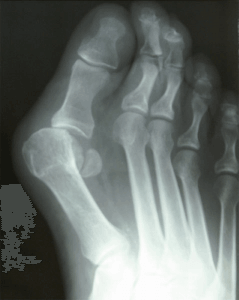
I have now been operating for about 15 years and can tell you bunion surgery has really changed. In the average week I correct 3-5 bunions and have now operated on 1000’s of bunions. Some bunions are small, and some are large and very complex, but all can be fixed. I continue to learn and research new techniques, and these have afforded me opportunities and skills to provide great outcomes and minimal down time.
In the past bunion surgery was done at the hospital and often required and overnight stay. Patients were placed in casts and often non-weight bearing for months. I have heard stories of patients being uncomfortable for weeks.
I can tell you techniques have changed, and I am happy to outline how the average patient experience goes at my clinic. My clinic has an onsite surgery center that provides a huge cost and time savings as compared to a free-standing surgery center or a hospital. Most bunion cases are completed in under 3 hours from the time one enters the clinic to when ones leaves. We utilize IV sedation which is safer and allows me to perform a nerve block for long term pain relief. Pain medication is only needed for a few days and many patients do not even take anything apart from an NSAID. Weight bearing status depends on any ancillary procedures, but most bunion patients can walk immediately after surgery.
If you have bunion and have been contemplating having it fixed make an appointment today and I will review your options and help you make an informed decision.
Sincerely,
Dr Brandon Nelson, A Board-Certified Physician and Surgeon, Discusses Options to Treat Neuromas
Neuromas of the foot are common in woman between the ages of 40-60. The typical neuroma will present with pain, burning and tingling to the forefoot. Most people state the pain feels better without shoes and rubbing one’s foot can help. There does not need to be a history or trauma or even previous foot pain to have a neuroma.
The neuroma itself is usually located in the 3rd interspace of the foot. This is between the 3rd and 4th toe and can be either right or left foot and rarely both feet. The reason this is the most common spot is the fact two nerves come together in this location. Often this creates an entrapment as this location can have limited space.
Treatment options for neuromas range from stretching and icing to injections and orthotics. Rarely now is surgery required as the conservative measures are so successful. I typically employ a prescription orthotic in conjunction with a series of alcohol injections. I have developed a protocol over years of treating thousand of patients and this has proved so successful that I rarely find surgery needed. I even see quite a few patients that have seen multiple other providers. If you want to avoid surgery and have a neuroma I can help. I look forward to getting you back on the road to recovery, Dr. Brandon Nelson, Board Certified Physician and Surgeon.
Give us a call at 425-391-8666 or make an appointment online today.
