




August 2020
Dr. Nelson Discusses When to Have Bunion Surgery
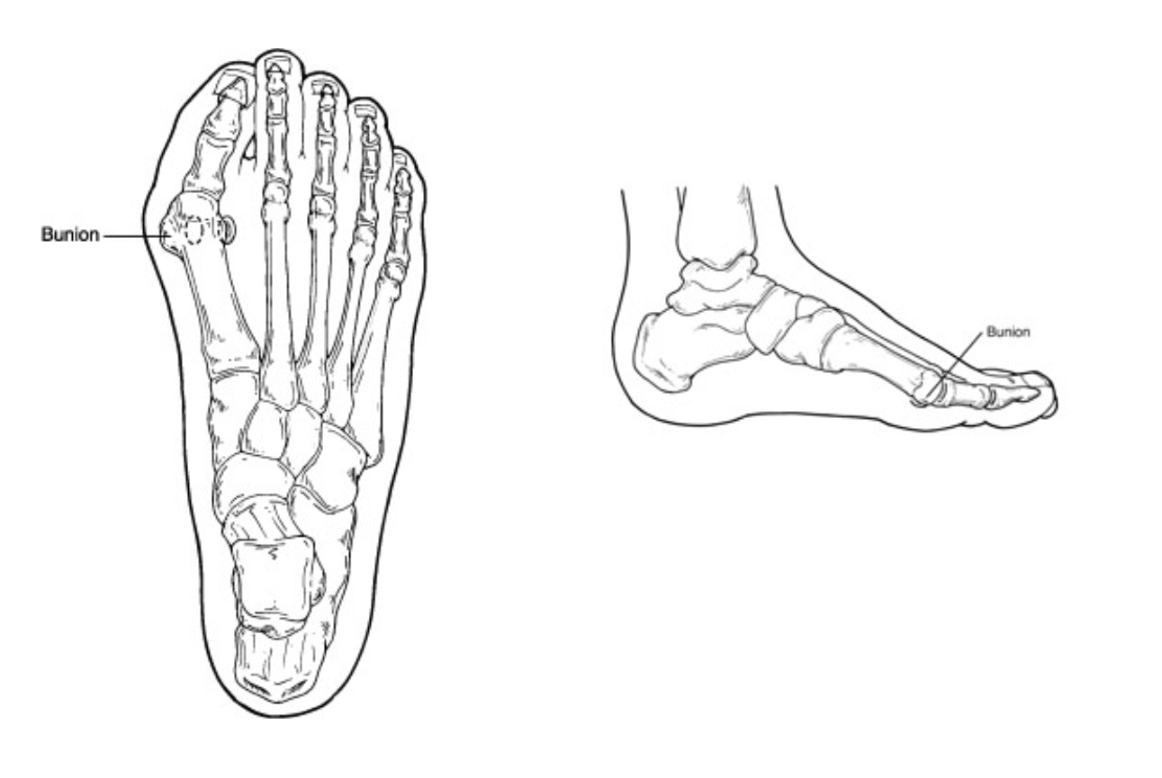
The most common surgical procedure I perform by far is a bunionectomy. The bunionectomy procedure itself can be very rewarding for patients and physicians like. Often times patients come in with a significant amount of foot pain and a history of multiple conservative modalities have been attempted all to no avail. These people are obviously good candidates for surgical correction. Additionally I see a lot of patients that are currently not in pain however have a hard time fitting shoe gear or have a large bunion a family history of bunion deformities.
Surgical intervention is often warranted for patients that have a family history of bunion deformities or have a hard time fitting in shoes. A few patients come in with a large bunion that doesn’t have pain. Initially it is important to evaluate the patient from a clinical standpoint and radiographic standpoint. Often times on the x-ray we’ll see the beginning of arthritis and correcting the bony can help reduce the chance of long-term arthritic changes. I recommend patients that have a bunion to release be evaluated. That way we can at least implement conservative measures.
Choosing the Right Running Shoe
Choosing the right running shoes for you is an important part of running. A good pair of running shoes will make the running experience more enjoyable for you and prevent potential injury.
Poorly-fitted shoes can increase the risk of injury in runners substantially. Common injuries from running with poor quality shoes include shin splints, sprained ankles, Achilles tendinitis, stress fractures, plantar fasciitis and more. This is due to the fact that bad shoes do not provide proper foot support, can increase pronation (how much the foot rolls when hitting the ground), have little to no cushioning, do not allow the feet to breath, and do not provide enough flex and rigidity in the right parts.
When looking for running shoes, first, determine where you will be running. If you are a trail runner, then pick trail shoes. If you run on concrete and asphalt, then regular running shoes are the best choice. When trying on shoes, its best to go at the end of the day as feet grow during the day and shrink after a night of sleep. Shoes should be more rigid towards the back of the foot while being more flexible up where the toes are. The toe box should provide enough room for the toes to move freely. The overall fit should be snug, not too tight but not too loose. A good pair of running shoes should also provide enough arch support for your foot type. If you experience overpronation or under-pronation while running, try to find a pair of shoes that will help correct this with different sole patterns. Finally, try to find a pair of shoes that allow the feet to breathe like nylon mesh or synthetic leather.
Don’t forget about the socks either. Socks that hold too much moisture can lead to athlete’s foot. Socks should be breathable so that your feet can air out and breathe. Synthetic socks wick away moisture like sweat. If you tend to run a lot, having a second pair of shoes that you can wear while you let the first pair air out is smart. Just don’t forget to replace your shoes after about every 300 to 500 miles.
Before you start running, it is advised to see a podiatrist to see if running is right for you. They can also offer good advice on how to run and what to look for in a pair of running shoes. If you have flat feet or poorly supported ones, they can also offer custom-made orthotics that will help give your feet the support they need.
When Should I Replace My Running Shoes?
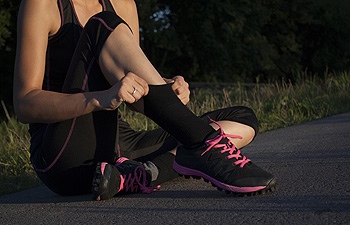 Whether you’re just starting out or are an experienced runner, it is important that you have the proper footwear for the style of running that you enjoy. Most running shoes can last about 400 miles, however if you’re running on rugged, uneven, or rough terrain, it is possible that they may experience wear and tear earlier on. Your particular type of running stride can also play a role in wearing down your running shoes. Tracking your miles while you run, and inspecting the state of your shoes before starting your activity, can help you to recognize if your shoes need to be replaced. You may also notice your knees and feet may ache after a run if your shoes are too used, and the support they once gave is now lacking. For more advice on caring for your running shoes and knowing when to replace them, please speak with a podiatrist.
If you are a runner, wearing the right running shoe is essential. For more information, contact the podiatrists from Issaquah Foot & Ankle Specialists. Our doctors can provide the care you need to keep you pain-free and on your feet.
Choosing the Right Running Shoe for Your Foot Type
To increase performance and avoid the risk of injury, it is important to choose the right running shoe based on your foot type. The general design of running shoes revolves around pronation, which is how the ankle rolls from outside to inside when the foot strikes the ground.
- Neutral runners are able to choose from a wide variety of shoes, including minimalist shoes or even going barefoot.
- Runners who overpronate, or experience an over-abundance of ankle rolling, should choose shoes that provide extra motion control and stability.
- Runners who underpronate, or supinate, have feet that have high arches and lack flexibility, preventing shock absorption. They require shoes with more flexibility and cushion.
If you have any questions, please feel free to contact one of our offices located in Issaquah, WA . We offer the newest diagnostic and treatment technologies for all your foot care needs.
Achilles Tendon Injuries
The Achilles tendon is the largest tendon in the body; it is a tough band of fibrous tissue that stretches from the bones of the heel to the calf muscles. This tendon is what allows us to stand on our toes while running, walking, or jumping, it is common for this tendon to become injured. In severe cases, the Achilles tendon may become partially torn or completely ruptured. However, this tendon is susceptible to injury because of its limited blood supply and the high level of tension it endures.
The people who are more likely to suffer from Achilles tendon injuries are athletes who partake in activities that require them to speed up, slow down, or pivot. Consequently, athletes who engage in running, gymnastics, dance, football, baseball, basketball, or tennis are more likely to suffer from Achilles tendon injuries. Additionally, there are other factors that may make you more prone to this injury. People who wear high heels, have flat feet, tight leg muscles or tendons, or take medicines called glucocorticoids are more likely to have Achilles tendon injuries.
A common symptom of an Achilles tendon injury is pain above the heel that is felt when you stand on your toes. However, if the tendon is ruptured, the pain will be severe, and the area may become swollen and stiff. Other symptoms may be reduced strength in the lower ankle or leg area, and reduced range of motion in the ankle. When the Achilles tendon tears, there is usually a popping sound that occurs along with it. People who have acute tears or ruptures may find walking and standing to be difficult.
If you suspect you have injured your Achilles tendon, you should see your podiatrist to have a physical examination. Your podiatrist will likely conduct a series of tests to diagnose your injury including a “calf-squeeze” test. Calf squeeze tests are performed by first squeezing the calf muscle on the healthy leg. This will pull on the tendon and consequently cause the foot to move. Afterward, the same test will be performed on the injured leg. If the tendon is torn, the foot won’t move because the calf muscle won’t be connected to the foot.
The Location of the Achilles Tendon
 The portion of tissue that is known as the Achilles tendon is located in the back of the leg, and connects the heel to the calf muscles. If an injury occurs to this part of the foot, it is often accompanied by severe pain and discomfort. An injury can happen for several reasons, including wearing shoes that do not fit correctly, suddenly twisting the foot while abruptly changing direction, and pursuing running activities without properly warming up or cooling down. A common symptom can include pain that is felt in the heel and back of the leg upon arising in the morning, and it may swell as the day progresses. Mild relief may be found when the activity that caused the injury is stopped, and it may help to wear custom made orthotics. If you have endured an Achilles tendon injury, it is strongly advised that you consult with a podiatrist who can properly diagnose and treat this condition.
Achilles tendon injuries need immediate attention to avoid future complications. If you have any concerns, contact the podiatrists of Issaquah Foot & Ankle Specialists. Our doctors can provide the care you need to keep you pain-free and on your feet.
What Is the Achilles Tendon?
The Achilles tendon is a tendon that connects the lower leg muscles and calf to the heel of the foot. It is the strongest tendon in the human body and is essential for making movement possible. Because this tendon is such an integral part of the body, any injuries to it can create immense difficulties and should immediately be presented to a doctor.
What Are the Symptoms of an Achilles Tendon Injury?
There are various types of injuries that can affect the Achilles tendon. The two most common injuries are Achilles tendinitis and ruptures of the tendon.
Achilles Tendinitis Symptoms
- Inflammation
- Dull to severe pain
- Increased blood flow to the tendon
- Thickening of the tendon
Rupture Symptoms
- Extreme pain and swelling in the foot
- Total immobility
Treatment and Prevention
Achilles tendon injuries are diagnosed by a thorough physical evaluation, which can include an MRI. Treatment involves rest, physical therapy, and in some cases, surgery. However, various preventative measures can be taken to avoid these injuries, such as:
- Thorough stretching of the tendon before and after exercise
- Strengthening exercises like calf raises, squats, leg curls, leg extensions, leg raises, lunges, and leg presses
If you have any questions please feel free to contact one of our offices located in Issaquah, WA . We offer the newest diagnostic tools and technology to treat your foot and ankle needs.
Dr. Timothy Young Talks About How Long to Wait for Bunion Surgery
There are multiple factors to consider on timing for bunion surgery.
One consideration is that over time the bunion gets worse and it’s possible that a more corrective procedure will be needed that will take more time to heal, causing more downtime. Therefore "putting it off" can mean more concerns in the future. Another factor is the fact that this is surgery and it’s helpful to have family help for the first week afterwards. Some of our patients just can’t wait because the bunions are so bad. Then it’s helpful to have a family member help, especially if for example it’s a mother with small children.
Another factor as I mentioned is that the longer you wait the more other problems can develop. It’s not uncommon over time with a bunion to also develop a hammer toe with the second toe. So now there is another procedure that needs to be addressed surgically.
Overtime there is adaptation of the great toe joint with a bunion and more potential for adaptive changes and arthritis.
If you have a bunion and want to discuss treatment options and surgical treatments, please make an appointment to consult with my self - Dr. Timothy Young, or my partner - Dr. Brandon Nelson.
Dr. Brandon Nelson Discusses Home Remedies For Heel Pain and Plantar Fasciitis
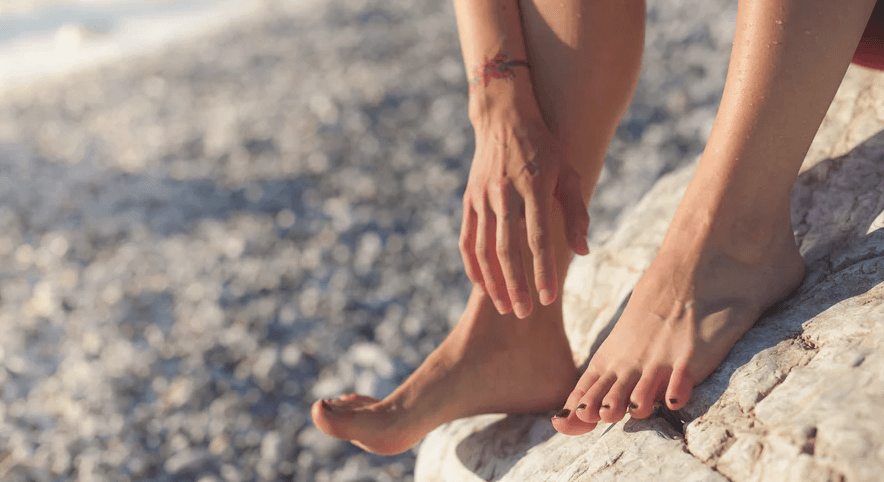
There is always a lot of discussion about what patients can do at home to help with plantar fasciitis. There are a couple simple instructions that can be helpful for heel pain or plantar fasciitis. One of the most important concepts is icing. Plantar fasciitis is an inflammatory disorder that is directly related to increased pressures on the heel and/or tight calf muscles. Icing can be extremely beneficial for the inflammatory component of this pain. I recommend icing at least 10 minutes a day and most patients will find this extremely beneficial. Icing actually decreases the blood supply to the fascia which helps decrease the inflammatory cascade.
However, decreasing the blood supply to the fascia can delay the healing process so it is essential to have any pain in the foot or ankle evaluated by a podiatrist. The majority of heel pain is caused from plantar fasciitis and before starting any treatment it is important to know the cause. Another treatment option I can be performed at home that patients find it extremely beneficial is calf stretching. It is important to stretch both the gastroc and the soleus muscles so one must perform stretching with both the knee extended the knee flexed. The majority of plantar fasciitis is extremely amenable with conservative measures. If you suffer from chronic heel pain or pain in general of the foot or ankle, please give us a call and we’ll get you back on the road to recovery.
Heel Pain
Have you ever gotten up from a chair or out of bed in the morning, and upon taking that first step, feel like your heel has stepped on a tack? Many people experience a feeling of sharp pain which radiates into their arch from their heel and which does not allow them to put their heel on the floor. Sometimes they need to sit back down, stand only on their toes and use the wall for balance. If you can take a few steps, it seems to go away and lessen, allowing you to then resume your activity. Later, throughout your day and after a period of rest, it can happen again. If this sounds familiar you may be suffering from your first attack of heel pain.
Heel pain is a debilitating condition that affects day to day activities. Running and walking both causes stress on the heel because the heel is the part of the foot that hits the ground first. This means that the heel is taking on your entire weight. Diagnosis and treatments for heel pain can be easily found through your podiatrist.
Plantar Fasciitis
One of the main causes of heel pain is a condition known as plantar fasciitis. The plantar fascia is a band of tissue that extends along the bottom of the foot, from the toe to the bottom of the heel. A rip or tear in this ligament can cause inflammation of these tissues, resulting in heel pain. People who do not wear proper fitting shoes are often at risk of developing problems such as plantar fasciitis. Unnecessary stress from ill-fitting shoes, weight change, excessive running, and wearing non-supportive shoes on hard surfaces are all causes of plantar fasciitis.
Achilles Tendonitis
Achilles tendonitis is another cause of heel pain. Similar to plantar fasciitis, inflammation of the Achilles tendon will cause heel pain due to stress fractures and muscle tearing. A lack of flexibility of the ankle and heel is an indicator of Achilles tendonitis. If left untreated, this condition can lead to plantar fasciitis and cause even more pain on your heel.
Heel Spur
A third cause of heel pain is a heel spur. A heel spur occurs when the tissues of the plantar fascia undergo a great deal of stress, leading to a separation of the ligament from the heel bone entirely. This results in a pointed fragment of bone on the ball of the foot, known as a heel spur.
Possible Causes of Heel Pain
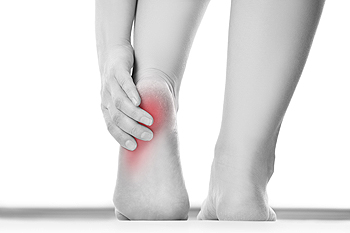 Heel pain can often be uncomfortable, and may be indicative of existing foot conditions. A common cause of heel pain is plantar fasciitis, which occurs as a result of a damaged or injured plantar fascia. The plantar fascia is the portion of tissue that connects the heel to the toes, and it can cause severe pain and discomfort if it becomes injured. Additional reasons for heel pain to develop can happen from being overweight, or from standing for extended periods of time throughout the day. Additionally, wearing shoes that do not fit correctly may be a cause of heel pain. Children who participate in running and jumping activities may be susceptible to developing Sever’s disease, which is a condition that affects the growth plate in the heel. If you are experiencing heel pain, it is strongly suggested that you consult with a podiatrist, who can properly diagnose and treat any type of heel pain, as quickly as possible.
Many people suffer from bouts of heel pain. For more information, contact the podiatrists of Issaquah Foot & Ankle Specialists. Our doctors can provide the care you need to keep you pain-free and on your feet.
Causes of Heel Pain
Heel pain is often associated with plantar fasciitis. The plantar fascia is a band of tissues that extends along the bottom of the foot. A rip or tear in this ligament can cause inflammation of the tissue.
Achilles tendonitis is another cause of heel pain. Inflammation of the Achilles tendon will cause pain from fractures and muscle tearing. Lack of flexibility is also another symptom.
Heel spurs are another cause of pain. When the tissues of the plantar fascia undergo a great deal of stress, it can lead to ligament separation from the heel bone, causing heel spurs.
Why Might Heel Pain Occur?
- Wearing ill-fitting shoes
- Wearing non-supportive shoes
- Weight change
- Excessive running
Treatments
Heel pain should be treated as soon as possible for immediate results. Keeping your feet in a stress-free environment will help. If you suffer from Achilles tendonitis or plantar fasciitis, applying ice will reduce the swelling. Stretching before an exercise like running will help the muscles. Using all these tips will help make heel pain a condition of the past.
If you have any questions, please feel free to contact one of our offices located in Issaquah, WA . We offer the newest diagnostic and treatment technologies for all your foot care needs.
Tips for Achilles Tendinitis
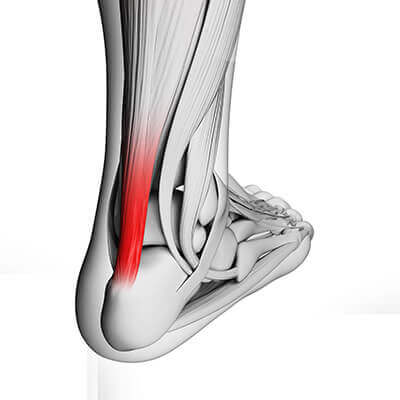
One of the most common injuries that we encounter at Issaquah Foot and Ankle Specialists is Achilles tendonitis. The Achilles tendon is the largest tendon in the body, and also one of the most frequently used since it connects the calf muscles to the back of the heel bone. Every time you walk, run, jump, or tiptoe, you use the Achilles tendon.
The most common injuries that can trouble the Achilles tendon are tendon ruptures and Achilles tendinitis. Achilles tendinitis is the milder of the two injuries. It can be recognized by the following symptoms: inflammation, dull to severe pain, an increased flow of blood to the tendon, thickening of the tendon, and slower movement time. Tendinitis can be treated via several methods and is often diagnosed by an MRI.
As a runner or avid exerciser, Achilles tendonitis can really become a frustrating problem. Our foot doctors recommend the following prevention and self-care treatment options for beating Achilles tendonitis:
• Orthotic devices, shoes, or inserts can help to relieve strain on the tendon and reduce impact on the heel.
• When you begin to feel strain on your Achilles tendon, use the RICE method to relieve symptoms: Rest, Ice, Compression, and Elevation. Without adequate rest, the tendon can become overworked and cause more damage.
• Use supportive sneakers with good arch support and heel cupping so that you don’t have too much tension on the Achilles tendon.
If you are experiencing foot or ankle pain, give us a call today at 425-391-8666 or make an appointment online today.
