




March 2020
What Is ESWT?
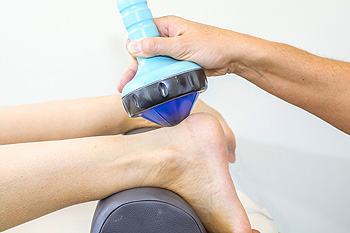 The medical procedure that is known as extracorporeal shock wave therapy (ESWT) has been successfully used to treat specific types of chronic foot conditions. These may include heel spurs, plantar fasciitis, and tendonitis. It's defined as a treatment administered by a machine that transmits sound waves directly into the affected tissue and may be helpful in forming new blood vessels. This may help to diminish a portion of the pain which is often associated with these types of ailments. Research has indicated there are some patients who would not be eligible for this type of treatment. This group of people can include patients who have pacemakers, are pregnant, or who may have tumors. If you're considering this type of treatment, it's strongly suggested that you're under the care of a podiatrist who can properly guide you toward an effective treatment method that's correct for you.
Shockwave therapy is a treatment commonly used to treat various injuries and conditions, particularly plantar fasciitis in the feet. To learn more, consult with the podiatrists from Issaquah Foot & Ankle Specialists. Our doctors can provide the care you need to keep you pain-free and on your feet.
Shockwave Therapy
Shockwave therapy is a new treatment option designed to treat bone conditions such as tennis elbow, shoulder pain, and others. Shockwave therapy uses high intensity sound waves that are directed to the affected tissues of the body with pinpoint accuracy. The effects are very beneficial, leading to a production of collagen fibers, eliminating inflammation.
Who Benefits from Shockwave?
Shockwave is recommended for patients suffering from heel pain and associated problems. Heel pain is a common condition which can be caused by obesity, overexertion, and spending a substantial amount of time on hard floors with your feet exposed and unsupported.
Fast and Easy
The therapy is actually a simple process that can leave patients feeling better the very next day. Shockwave therapy is not as dramatic as it sounds. It enables more blood flow to effected areas, addressing the source of the problem and allowing treatment to last for a long time.
Treatment & Recovery Time
Shockwave treatment will enable your feet to recover quickly. This is especially important since surgery is not required. It is cost effective and does not require the use of anesthesia. This treatment is a better option to surgery, since it is proven safe.
If you have any questions, please feel free to contact one of our offices located in Issaquah, WA . We offer the newest diagnostic and treatment technologies for all your foot care needs.
Shockwave Therapy
Extracorporeal Shockwave Therapy (ESWT) is an alternative treatment method that is used for bone and soft tissue disorders in the foot and ankle. EWST is a noninvasive option for pain relief and it was originally created to help dissolve kidney stones. This therapy works by focusing impulses to target the area in pain. This method has been proven to show a reduction in the amount of nerve fibers that transmit painful impulses, which leads to a reduction in pain. Shockwave therapy can also expedite the tissue which would, in turn, increase the amount of new blood vessels that are formed.
Conditions that can be treated with shockwave therapy include Achilles pain and heel pain. People with plantar fasciitis may opt for this therapy and the results are usually great after 18 months. Additionally, this method can also be used to treat fractures that have failed to heal correctly. Anesthesia is not required to perform this treatment. It usually is not painful, but it can be uncomfortable.
The duration of treatment sessions usually lasts 5-15 minutes each. This procedure is safe since there is no risk of infection from wound complications, if you are looking to try shockwave therapy to heal plantar fasciitis, it may take 3-4 sessions to start working. After treatment, patients typically notice a dull pain in the area which was treated. However, this pain rarely lasts more than 24 hours.
Nevertheless, there are pros and cons that come along with Shockwave Therapy. The most obvious pro is that this treatment is noninvasive, meaning surgery will not be required. Another upside is that there have been very little complications that have been found with this procedure. On the other hand, those who opt for surgery are at risk for continued pain, wound problems, and infections. The biggest con for ESWT is that it is very expensive; it typically costs around $1,000 before insurance. Another con is that the effectiveness of the treatment is questionable. Usually, if this treatment is helpful, the difference is small.
If you are curious about Shockwave Therapy, you should talk to your podiatrist to see if this treatment method is right for you. At times, patients will find that there are other treatment options that are more efficient for their individual cases.
How to Stop Heel Pain the Fastest Way Possible
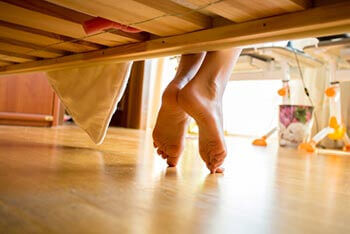
Heel pain, especially that causes pain in the morning or after we get up from a seated position can be very challenging. The most common cause is from plantar fasciitis and we are here to help. We are the number one heel pain center and have the most experience in treating heel pain. We have developed techniques to get fast relief, even on the first visit.
There are no other clinics like us in Washington State, we have seen others try and impersonate us even naming themselves as a heel pain center. However, Issaquah Foot & Ankle Specialists home to the original heel pain center. Do not let heel pain stop you from enjoying your time outside or get in the way of your summer. Schedule an appointment online today or give us a call at 425-391-8666 and cure your heel pain once and for all.
Minimally Invasive Bunion Surgery
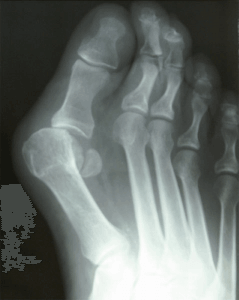
Minimally invasive bunion surgery does provide a few advantages compared to traditional bunion surgery. It often can leave smaller scars, have a faster recovery speed and have less pain. The term minimally invasive is rather vague and can be misleading. The most important part of bunion surgery is proper procedure selection. Procedure selection is based on the clinical evaluation and x-rays.
Minimally invasive techniques do have limitations and are not useful in large bunion deformities. The best way to determine whether or not you are a candidate is to schedule an appointment with us. We have an onsite surgical suite and can provide you with all the details to make a decision. We are even able to offer conservative measures for bunion pain. Don’t delay we are here to help at Issaquah Foot & Ankle Specialists. Give us a call at 425-391-8666 today.
Exercises and Activities After Foot Problem or Injury

Dr Timothy Young discusses how to resume exercise and sports
In some cases it is possible to return to exercise and normal activities fairly soon after an injury or foot/ankle problem. With many acute injuries it is necessary to wait 3–4 weeks or longer, before attempting to return to activity. Depending upon the problem and level of recovery it may be necessary to wait until there is significant progress with the healing and recovery.
Pain is the key. Use pain as your guideline. Sometimes our patients will not know if they are okay with their activity level or exercises until later that day or even the following day. For example let's say you are a "walker" who would do 3-5 miles "preinjury" and you decide to return to your walking. That day you're fine but the next day may be telling, you can tell if you did too much too soon. In this case you know it is too soon to return to activity and you have to give it more time, possibly 1 week or longer. Listen to your body, and let pain help guide you.
Start slowly! After a foot problem or injury when you are ready to start resuming some activity, always start at a reduced level. For example if you typically walk 3–5 miles then try walking just 1 mile when you first return to activity. Do this for the first week and again use pain as your guideline, if all goes well then add a half mile the next week and continue that pattern.
Consider crosstraining: Aqua jogging and a stationary bike are often ways that you can do exercises without any impact. When using the stationary bike it is often necessary to use your heel and not the front of your foot on the injured side.
Use taping and braces: We have handouts on foot and ankle taping (KT tape). Taping and braces often allow you to get back to activity sooner than you would otherwise. Often you don't have to tape every day, just on those days were you will be on your foot much more or when you are doing weigh bearing exercises.
Chair Yoga May Help to Stretch the Feet
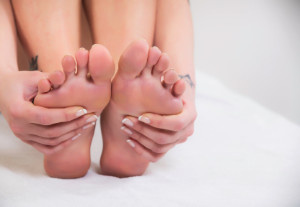 A form of stretching, which is referred to as chair yoga, may be beneficial to practice after sitting and standing for extended periods of time. It can be helpful to stretch the feet in a classroom environment, which can be accomplished by a variety of methods. Heel raises are performed while keeping both heels flat on the floor, and lifting one heel at a time. After holding this position for a few seconds, repeat with the other foot. When the toes and feet are flexible, it may lead to easing tension in the shoulders and neck. This can be a result of utilizing the reflex zones that are located in the feet, and is accomplished by clenching the toes and soles of the feet, and then relaxing them. If you would like additional information about the benefits of stretching the feet, it is suggested that you speak to a podiatrist.
Stretching the feet is a great way to prevent injuries. If you have any concerns with your feet consult with the podiatrists from Issaquah Foot & Ankle Specialists. Our doctors will assess your condition and provide you with quality foot and ankle treatment.
Stretching the Feet
Being the backbone of the body, the feet carry your entire weight and can easily become overexerted, causing cramps and pain. As with any body part, stretching your feet can serve many benefits. From increasing flexibility to even providing some pain relief, be sure to give your feet a stretch from time to time. This is especially important for athletes or anyone performing aerobic exercises, but anyone experiencing foot pain or is on their feet constantly should also engage in this practice.
Great ways to stretch your feet:
- Crossing one leg over the others and carefully pull your toes back. Do 10-20 repetitions and repeat the process for each foot
- Face a wall with your arms out and hands flat against the wall. Step back with one foot and keep it flat on the floor while moving the other leg forward. Lean towards the wall until you feel a stretch. Hold for 30 seconds and perform 10 repetitions for each foot
- Be sure not to overextend or push your limbs too hard or you could risk pulling or straining your muscle
Individuals who tend to their feet by regular stretching every day should be able to minimize foot pain and prevent new problems from arising.
If you have any questions please contact one of our offices located in Issaquah, WA . We offer the newest diagnostic and treatment technologies for all your foot and ankle needs.
Stretching Your Feet
Debilitating foot pain is a problem for many people. But just as stretching the torso can help alleviate back pain, stretching the feet can also help mend existing foot problems and prevent future ones.
The feet, as the body’s foundation, carry the body’s entire weight and can get easily strained from overexertion. Persistent sharp pain and cramping in the feet are often common concerns. Foot pain and foot problems can be due to any number of causes, and in many cases pain may be eased without medication or doctor visits. It is always a good idea, however, to first rule out any serious medical issues with a physician.
Stretching can help relax the feet and alleviate pain, but is especially important before heavy aerobic exercise. Stretching before such activities can help you avoid experiencing painful cramps or strained foot muscles. Stretches should be performed slowly and deliberately without forceful pulling. The stretch should be held for several seconds before relaxing.
A great way to stretch out and loosen up the foot muscles while sitting is to cross one leg over the other and pull the toes carefully back without overextending. Start by resting the left ankle on the right knee. With the left hand, gently flex the left foot by pulling back on the toes. Do not pull too hard; just hard enough to feel the stretch in the arch of the foot. Then point the toes of the left foot as far as you can. Rotate the motion of pointing with pulling back on the toes. This should relax and stretch the muscles on the bottom and the top of the foot. Doing this stretch ten to twenty times should bring relief. Repeat the whole process for the other foot by resting the right ankle on the left knee.
A stretch that focuses on the often injured Achilles tendon involves standing and facing a wall with your arms out and hands flat against the wall. Step back with one foot, keeping it flat against the floor. Move the other leg forward and lean toward the wall. You should feel a stretch through the back of your leg and your Achilles tendon, but do not push yourself too much. Stop when you feel a stretching sensation, and hold for 30 seconds. Ten repetitions may be done for each foot.
Stretching the feet is important for athletes or those performing aerobic exercise, but it can also help anyone with foot pain caused by poor footwear, plantar fasciitis, or long hours standing and walking. Individuals who tend to their feet by regularly stretching every day should be able to minimize foot pain and prevent new problems from arising.
Boards Certification and Foot Surgery
Recent Developments in Bunion Surgery
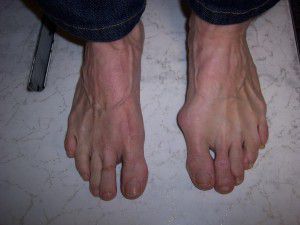
Bunion surgery continues to evolve and techniques continue to change. Recently there has been a lot of talk about the Lapiplasty technique. The Lapiplasty technique is used for large bunions or people with hypermobile foot structures. The procedure basically involves the use of a jig. The surgeon aligns the jig on the foot in the correct orientation.
The cuts to correct the bunion are then performed and then the joint is compressed. Once controlled compression is achieved the joint is fixated in multiple planes. The Lapiplasty technique is a highly effective tool that can make bunion correction easier. Issaquah Foot & Ankle Specialists have been performing Lapidus procedures for more than 20 years. If you have a bunion and would like to be evaluated give us a call at 425-391-8666 or make an appointment online. We have an onsite surgical suite to save you time and money.
Are You Considering Bunion Surgery?
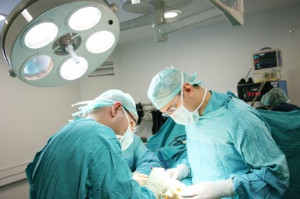 Patients who experience the uncomfortable foot condition that is known as a bunion may be interested in having it permanently removed. Bunion removal involves a procedure that is referred to as a bunionectomy, and may be helpful in alleviating the pain and discomfort this condition often brings. Complications that can arise from having this type of surgery performed may involve the healing process. This may be a result of poor circulation, and the desire to walk on the affected foot. Additionally, research has indicated that it is beneficial to stop smoking several weeks before and after surgery, as this may help to increase the oxygen supply that is needed for healing. If you are considering having bunion surgery, it is strongly suggested that you seek the advice of a podiatrist, who can help you to determine if this is the correct choice for you.
Foot surgery is sometimes necessary to treat a foot ailment. To learn more, contact the podiatrists of Issaquah Foot & Ankle Specialists. Our doctors will assist you with all of your foot and ankle needs.
When Is Surgery Necessary?
Foot and ankle surgery is generally reserved for cases in which less invasive, conservative procedures have failed to alleviate the problem. Some of the cases in which surgery may be necessary include:
- Removing foot deformities like bunions and bone spurs
- Severe arthritis that has caused bone issues
- Cosmetic reconstruction
What Types of Surgery Are There?
The type of surgery you receive will depend on the nature of the problem you have. Some of the possible surgeries include:
- Bunionectomy for painful bunions
- Surgical fusion for realignment of bones
- Neuropathy decompression surgery to treat nerve damage
Benefits of Surgery
Although surgery is usually a last resort, it can provide more complete pain relief compared to non-surgical methods and may allow you to finally resume full activity.
Surgical techniques have also become increasingly sophisticated. Techniques like endoscopic surgery allow for smaller incisions and faster recovery times.
If you have any questions, please feel free to contact one of our offices located in Issaquah, WA . We offer the newest diagnostic and treatment technologies for all your foot care needs.
