




November 2020
What are Achilles Tendon Injuries
The Achilles tendon is the strongest tendon in the human body. Its purpose is to connect the lower leg muscles and calf to the heel of the foot. This tendon is responsible for facilitating all types of movement, like walking and running. This tendon provides an enormous amount of mobility for the body. Any injuries inflicted to this tissue should be immediately brought up with a physician to prevent further damage.
The most common injuries that can trouble the Achilles tendon are tendon ruptures and Achilles tendinitis. Achilles tendinitis is the milder of the two injuries. It can be recognized by the following symptoms: inflammation, dull-to-severe pain, increased blood flow to the tendon, thickening of the tendon, and slower movement time. Tendinitis can be treated via several methods and is often diagnosed by an MRI.
An Achilles tendon rupture is trickier to heal, and is by far the most painful injury. It is caused by the tendon ripping or completely snapping. The results are immediate and absolutely devastating, and will render the patient immobile. If a rupture or tear occurs, operative and non-operative methods are available. Once the treatment begins, depending on the severity of the injury, recovery time for these types of issues can take up to a year.
Simple preventative measures can be taken as a means to avoid both injuries. Prior to any movement, taking a few minutes to stretch out the tendon is a great way to stimulate the tissue. Calf raises, squats, leg curls, leg extensions, leg raises, lunges, and leg presses are all suggested ways to help strengthen the lower legs and promote Achilles tendon health.
Many problems arise among athletes and people who overexert themselves while exercising. Problems can also happen among those who do not warm up properly before beginning an activity. Proper, comfortable shoes that fit correctly can also decrease tendon injuries. Some professionals also suggest that when exercising, you should make sure that the floor you are on is cushioned or has a mat. This will relieve pressure on the heels. A healthy diet will also increase tendon health.
It is very important to seek out a podiatrist if you believe you have an injury in the Achilles region. Further damage could result in severe complications that would make being mobile difficult, if not impossible.
How Painful Is an Achilles Tendon Injury?
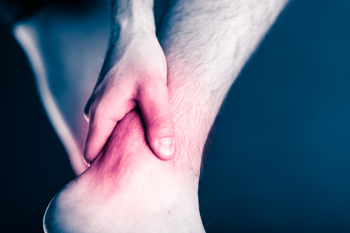 The Achilles tendon is located in the calf behind the heel, and is a band of tissue that connects the two together. While considered to be the strongest tendon in the body, it can still be prone to serious injury. Severe pain and discomfort often accompanies an Achilles tendon injury, and can cause difficulty in completing daily activities. The injury can happen as a result of suddenly stepping off of a curb, or from frequently wearing high heels. Common symptoms that many patients experience with an Achilles tendon tear or rupture can include extreme tenderness, soreness, and difficulty walking. Relief may be found when the affected foot is rested, and it may help to wear a protective boot as the healing process occurs. Additionally, simple stretches can be performed which may help to strengthen the tendon. If you have endured an injury that affects the Achilles tendon, it is strongly suggested that you consult with a podiatrist who can determine what the best course of treatment is for you.
Achilles tendon injuries need immediate attention to avoid future complications. If you have any concerns, contact the podiatrists of Issaquah Foot & Ankle Specialists. Our doctors can provide the care you need to keep you pain-free and on your feet.
What Is the Achilles Tendon?
The Achilles tendon is a tendon that connects the lower leg muscles and calf to the heel of the foot. It is the strongest tendon in the human body and is essential for making movement possible. Because this tendon is such an integral part of the body, any injuries to it can create immense difficulties and should immediately be presented to a doctor.
What Are the Symptoms of an Achilles Tendon Injury?
There are various types of injuries that can affect the Achilles tendon. The two most common injuries are Achilles tendinitis and ruptures of the tendon.
Achilles Tendinitis Symptoms
- Inflammation
- Dull to severe pain
- Increased blood flow to the tendon
- Thickening of the tendon
Rupture Symptoms
- Extreme pain and swelling in the foot
- Total immobility
Treatment and Prevention
Achilles tendon injuries are diagnosed by a thorough physical evaluation, which can include an MRI. Treatment involves rest, physical therapy, and in some cases, surgery. However, various preventative measures can be taken to avoid these injuries, such as:
- Thorough stretching of the tendon before and after exercise
- Strengthening exercises like calf raises, squats, leg curls, leg extensions, leg raises, lunges, and leg presses
If you have any questions please feel free to contact one of our offices located in Issaquah, WA . We offer the newest diagnostic tools and technology to treat your foot and ankle needs.
Dr. Brandon Nelson Discusses Other Causes of Heel Pain
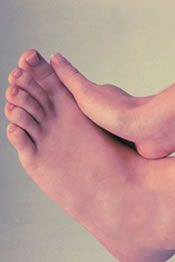
One of the most common patient complaints to a foot and ankle physician is heel pain. It is important for patients to understand there are many other causes of heel pain and we will review some of those today. A short list of these would include lumbosacral radiculopathy, plantar fascial rupture, tarsal tunnel syndrome, Baxter’s nerve entrapment and fat pad atrophy.
Lumbosacral radiculopathy:
The most common cause of back pain leading to heel pain is nerve entrapment around L4-S1 vertebral level. Most patients will have a history of back pain or heel pain that manifests. It is important to consider an MRI of back for this or any EMG NCV which are nerve conduction studies. Often times physical therapy for nerve medication can help control the symptoms.
Plantar fascial rupture:
Ruptures of the plantar fascia are relatively uncommon, but can occur for patients that have had ongoing heel pain. The majority of patients that we see rupture their fascia have had some sort of high impact activity like football players or long distance runners. Diagnosis of the rupture often includes an MRI treatment can depend on the varying degree of the rupture in the site of the rupture. There many options for plantar fascial rupture including repair.
Tarsal tunnel syndrome:
Tarsal tunnel syndrome is a nerve entrapment that is similar to carpal tunnel. Usually involves the posterior tibial nerve and branches that wrap around the heel. Many patients will describe burning or tingling in predispositions, this include patients with diabetes or a flatfoot. Often times an MRI or nerve conduction study is needed to verify this. Treatment often can require steroid injections or decompression of the nerve.
Baxter’s nerve entrapment:
This is a common condition that a lot of physicians will not recognize as this is a tough diagnosis. This can be undiagnosed or underdiagnosed relatively easily. This often times can be confused a tarsal tunnel syndrome as well. One of the key diagnostic indicators for this is inability to move your fifth digit. Again often times advanced imaging is utilized and a steroid injection and sometimes decompression the nerve is required.
Fat pad atrophy:
Fat pad atrophy is typically seen in older or obese patients. The majority us have a nice cushion on the bottom of the heel to help with shock and provide support. Often times there are thinning in other areas of the foot that can be identified help clue physicians in. This usually can be solid with a prescription orthotic and a rocker-bottom soft tissue.
If you have heel pain, call Issaquah Foot and Ankle Specialists today at 425-391-8666 or make an appointment online.
Foot Pain
Our feet are arguably the most important parts of our bodies because they are responsible for getting us from place to place. However, we often don’t think about our feet until they begin to hurt. If you have pain in your feet, you need to first determine where on the foot you are experiencing it to get to the root of the problem. The most common areas to feel pain on the foot are the heel and the ankle.
Heel pain is most commonly attributed to a condition called plantar fasciitis. Plantar fasciitis occurs when the plantar fascia, which is the band of tough tissue connecting the heel bone to the toes becomes inflamed. Plantar fasciitis pain is usually worse in the morning, and it tends to go away throughout the day. If you have plantar fasciitis, you should rest your foot and do heel and foot muscles stretches. Wearing shoes with proper arch support and a cushioned sole has also been proven to be beneficial.
Some common symptoms of foot pain are redness, swelling, and stiffness. Foot pain can be dull or sharp depending on its underlying cause. Toe pain can also occur, and it is usually caused by gout, bunions, hammertoes, ingrown toenails, sprains, fractures, and corns.
If you have severe pain in your feet, you should immediately seek assistance from your podiatrist for treatment. Depending on the cause of your pain, your podiatrist may give you a variety of treatment options.
What Is Fat Pad Atrophy?
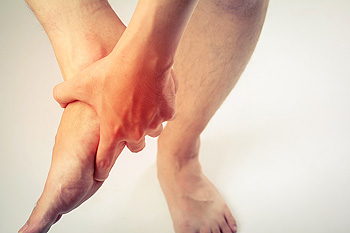 There is a portion of the foot that is known as the fat pad. It is located under the heel and ball of the foot and provides the necessary cushioning that is needed to perform daily activities. Additionally, the fat pad helps in shifting the body weight without damaging neighboring tissues and ligaments. The condition that is referred to as fat pad atrophy is characterized by gradual thinning of the fat pad on the bottom of the foot. This ailment can cause severe pain and discomfort and may become worse when high heels are worn. It can develop as a result of an injury that has occurred, or from medical conditions such as diabetes and arthritis. Patients who have this condition may find mild relief when insoles are worn in the shoes and low impact exercises are frequently performed. Please consult with a podiatrist if you suspect you have this condition.
Foot Pain
Foot pain can be extremely painful and debilitating. If you have a foot pain, consult with the podiatrists from Issaquah Foot & Ankle Specialists. Our doctors will assess your condition and provide you with quality foot and ankle treatment.
Causes
Foot pain is a very broad condition that could be caused by one or more ailments. The most common include:
- Bunions
- Hammertoes
- Plantar Fasciitis
- Bone Spurs
- Corns
- Tarsal Tunnel Syndrome
- Ingrown Toenails
- Arthritis (such as Gout, Rheumatoid, and Osteoarthritis)
- Flat Feet
- Injury (from stress fractures, broken toe, foot, ankle, Achilles tendon ruptures, and sprains)
- And more
Diagnosis
To figure out the cause of foot pain, podiatrists utilize several different methods. This can range from simple visual inspections and sensation tests to X-rays and MRI scans. Prior medical history, family medical history, and any recent physical traumatic events will all be taken into consideration for a proper diagnosis.
Treatment
Treatment depends upon the cause of the foot pain. Whether it is resting, staying off the foot, or having surgery; podiatrists have a number of treatment options available for foot pain.
If you have any questions, please feel free to contact one of our offices located in Issaquah, WA . We offer the newest diagnostic and treatment technologies for all your foot care needs.
Dr. Brandon Nelson Discusses Heel Pain in Children

I currently have two children and actually have had one that was experiencing some heel pain. It was pretty classical symptoms of apophysitis or what we call Sever’s disease which is and inflammation of the growth plate. Kids often present with this type of pain after activities or after going barefoot. Most commonly we see this in young girls between the ages of 8 and 14 and young boys between the ages of 12 and 16. This is when kids often experience a growth spurt and the growth plates can become quite inflamed.
This inflammation of the growth plate can often be seen on x-ray and I highly recommend kids with heel pain get an x-ray. There are many great modalities that work well. I recommended starting with ice and stretching in the calf. However, I would discourage parents from doing home therapies until an accurate diagnosis is made. If your child is experiencing some heel pain we would like to help.
Give us a call at 425-391-8666 or make an appointment online today.
Flatfoot
Flatfoot is a foot disorder that is not as straightforward as many people believe. Various types of flatfoot exist, each with their own varying deformities and symptoms. The partial or total collapse of the arch, however, is a characteristic common to all types of flatfoot. Other signs of flatfoot include:
- “Toe drift,” or the pointing outward of the toes and the front part of the foot
- The tilting outward of the heel and the tilting inward of the ankle
- The lifting of the heel off the ground earlier when walking due to a tight Achilles tendon
- Hammertoes
- Bunions
One of the most common types of flatfoot is flexible flatfoot. This variation usually starts in childhood and progresses as one ages into adulthood. Flexible flatfoot presents as a foot that is flat when standing, or weight-bearing. When not standing, the arch returns. Symptoms of flexible flatfoot include:
- Pain located in the heel, arch, ankle, or along the outside of the foot
- Overpronation, or an ankle that rolls in
- Shin splint, or pain along the shin bone
- General foot aches or fatigue
- Pain located in the lower back, hip, or knee
Your podiatrist will most likely diagnose flatfoot by examining your feet when you stand and sit. X-rays may be taken to define the severity and help determine the treatment option best for your condition. Nonsurgical treatments can include activity modification, weight loss, orthotics, immobilization, medications, physical therapy, shoe modifications, and ankle foot orthoses (AFO) devices. If nonsurgical methods prove ineffective, surgery may be considered. Multiple surgical procedures can correct flatfoot; and depending on your specific condition, one may be selected alone or combined with other techniques to ensure optimal results.
Athletes and Flat Feet
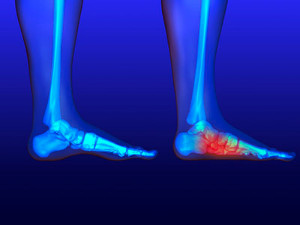 The medical condition that is known as flat feet is noticeable while standing on the floor, and is generally caused by genetic factors. Some people can live with flat feet and have no issues or pain arise, but many athletes affected by this ailment can result in serious injury if not prepared for. The arch acts similar to shock absorbers, and can help in pushing off when walking and running. Patients who are afflicted with flat feet may feel pain and discomfort while participating in sporting activities, which may be caused by loose tendons. Additionally, these patients may have difficulty standing for extended periods of time, and may experience pain in other areas of the body, including the feet, knees, hips, and lower back. If you have flat feet, please consult with a podiatrist who can determine the right treatment for you.
Flatfoot is a condition many people suffer from. If you have flat feet, contact the podiatrists from Issaquah Foot & Ankle Specialists. Our doctors will treat your foot and ankle needs.
What Are Flat Feet?
Flatfoot is a condition in which the arch of the foot is depressed and the sole of the foot is almost completely in contact with the ground. About 20-30% of the population generally has flat feet because their arches never formed during growth.
Conditions & Problems:
Having flat feet makes it difficult to run or walk because of the stress placed on the ankles.
Alignment – The general alignment of your legs can be disrupted, because the ankles move inward which can cause major discomfort.
Knees – If you have complications with your knees, flat feet can be a contributor to arthritis in that area.
Symptoms
- Pain around the heel or arch area
- Trouble standing on the tip toe
- Swelling around the inside of the ankle
- Flat look to one or both feet
- Having your shoes feel uneven when worn
Treatment
If you are experiencing pain and stress on the foot you may weaken the posterior tibial tendon, which runs around the inside of the ankle.
If you have any questions, please feel free to contact one of our offices located in Issaquah, WA . We offer the newest diagnostic and treatment technologies for all your foot care needs.
Dr. Nelson Discusses How to Get Rid of Plantar Fasciitis Permanently

Plantar fasciitis, heel pain or bone spurs of the foot can be extremely painful. Quite a few patients suffer from this and have been for years. We see patients that have had to change activities and even give up exercising. I personally suffered from plantar fasciitis and can empathize with patients when they are in extreme amounts of pain. Typically plantar fasciitis will exhibit pain in the morning or pain after prolonged periods of rest. However there can be many other presenting symptoms of plantar fasciitis. It is important to have heel pain evaluated as there are multiple causes and they all respond to different modalities.
I feel an x-ray is often warranted especially on the initial visit to rule out other causes. The x-ray can often reveal a bone spur or inflammation around the fascial band or even a stress fracture. Initial therapies for fasciitis usually include resting and stretching. There are many other initial treatment options and I can tell you the success rate is about 95% for our patients. There are a small number of patients who go on to have more of a chronic type issue and further diagnostic work workup is warranted. Often times an MRI or nerve conduction studies can be valuable for patients. Depending on the cause of the fasciitis there are many extremely successful long-term fixes for fasciitis. Often times or degenerative medicine or shockwave therapy can provide permanent fixes. If you suffer from heel pain and would like it fixed permanently come see Issaquah Foot and Ankle Specialists.
Give us a call at 425-391-8666 or make an appointment online.
All About Broken Ankles
Broken ankles are a serious injury that can lead to an inability to walk, function, and also cause a significant amount of pain. A broken ankle is a break in one of the three bones in your body that connect at the ankle joint: the tibia, the fibula, and the talus. The tibia and fibula are your two primary leg bones that connect at the knee, which sit directly upon the talus bone. This is protected by a fibrous membrane that allows for movement in the ankle joint. A broken ankle is usually caused by the foot rolling under or twisting too far, causing one of these three bones to snap.
A broken ankle is different from an ankle sprain, which occurs when the ankle ligaments are ripped or torn but no bones have been broken. A sprain can still be very severe, causing bruising in the foot and an inability to hold your own weight, much like a broken ankle would. If you’re unable to stand, and suspect that you have a broken ankle, the first thing to do would be to get an immediate X-ray to determine the severity of the break.
A common cause of broken ankles is when the ankle is rolled over with enough pressure to break the bones. This usually happens during exercise, sports, or other physical activity. Another common cause is a fall or jump from a tall height.
One immediate treatment for pain relief is elevating the foot above your head to reduce blood flow to the injured area. You can also apply ice packs to your ankle to help reduce swelling, redness, inflammation, and pain. After these initial steps, getting a cast and staying off your feet as much as possible will aid in the recovery of the broken ankle. The less movement and stress the ankle has to endure, the more complete it will heal. A doctor can determine if surgery is needed in order to heal correctly. In these cases, an operation may be the only option to ensure the ability to walk properly again, followed by physical therapy and rehabilitation.
It is highly important to determine if surgery is needed early on, because a broken ankle can become much more severe than you realize. If not professionally treated, the broken ankle will inhibit your walking, daily functioning, and produce a large amount of pain. Treating your broken ankle early on will help prevent further damage to it.
