




January 2025
Heel Pain Can Be Treated!

Do you suffer from heel pain when you get up in the morning? If so, you should seek professional help and have a proper diagnosis performed. Heel pain can be caused by several different foot-related conditions.
Solutions for Cracked Heels
Cracked heels can make life very frustrating and embarrassing when displaying the bare feet. Aside from being unpleasing to the eye, they can also tear stockings and socks and wear out shoes at a faster rate. When severe, cracked heels may cause pain or infection.
Cracked heels are a problem for those who are athletic, those who may walk a lot, and those who have especially dry skin. Those who use medication that dry the skin, those who swim often, wearing certain types of shoes, and those who are diabetic may have trouble with cracked heels. Seniors whose skin produces less oil may also have trouble with cracked feet. There is no one way to develop cracked feet, and there is no cure.
Today, the market consists of numerous products that have a variety of ingredients to promote healing. Some of these are over-the-counter. Others are prescribed by a doctor, especially for those who have chronic dry feet and heels.
Some doctors recommend wearing socks at night for those with rough skin. This helps further healing, and helps creams stay on longer and better absorb into the skin.
One way to alleviate dryness that causes cracked heels is by using moisturizers both day and night. Another way is to make sure the skin is clean and dry at all times. Using a pumice stone to buff away dead skin before putting on moisturizer can also help. Cracked heels will not respond to the cream unless the outer layer of skin is first removed through exfoliation. After exfoliation, lotion or ointment will be absorbed by the skin more easily.
Foods that produce healing and balance can also help the skin from within. Everything that is put into the body can either help it or hurt it. Taking supplements of omega-3 fatty acids and zinc can also be very beneficial.
Nevertheless, not all products are guaranteed to help treat cracked feet. Seeing a professional is best if other treatments options were unsuccessful. A podiatrist should be able to give the best advice to help with this problem.
Cracked Heels in Winter
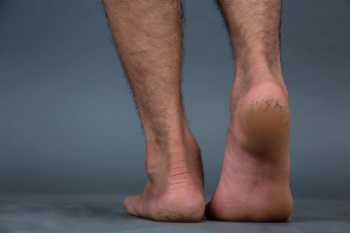
Cracked heels are a common concern during winter when cold, dry air strips moisture from the skin. The feet endure constant pressure from body weight, causing the skin on the heels to expand. If the skin is dry and rigid, it can split, leading to painful cracks, called fissures. Unlike other areas of the body, the soles of the feet lack sebaceous glands to lubricate the skin, making them more prone to dryness. Factors like prolonged standing, wearing poorly fitting shoes, or conditions such as diabetes, hypothyroidism, eczema, and athlete’s foot can increase the likelihood of cracked heels. Severe cracks may make walking uncomfortable and even lead to infections if left untreated. A podiatrist can evaluate the condition of your heels, recommend specialized treatments to improve skin hydration, and address any underlying health issues that may be contributing to the problem. This foot doctor can also suggest footwear and preventative measures to maintain healthy feet all year long. If you have painful cracked heels, it is suggested that you schedule an appointment with a podiatrist for an exam and appropriate treatment.
Cracked heels are unsightly and can cause further damage to your shoes and feet. If you have any concerns, contact the podiatrists from Issaquah Foot & Ankle Specialists. Our doctors can provide the care you need to keep you pain-free and on your feet.
Cracked Heels
Cracked heels appear unappealing and can make it harder for you walk around in sandals. Aside from looking unpleasant, cracked heels can also tear stockings, socks, and wear out your shoes. There are several methods to help restore a cracked heel and prevent further damage.
How Do You Get Them?
Dry skin is the number one culprit in creating cracked heels. Many athletes, walkers, joggers, and even swimmers suffer from cracked heels. Age and skin oil production play a role to getting cracked heels as well.
Promote Healing
Over the counter medicines can help, especially for those that need instant relief or who suffer from chronic dry feet.
Wear Socks – Wearing socks with medicated creams helps lock in moisture.
Moisturizers – Applying both day and night will help alleviate dryness which causes cracking.
Pumice Stones – These exfoliate and remove dead skin, which allows for smoother moisturizer application and better absorption into the skin.
Change in Diet
Eating healthy with a well-balanced diet will give the skin a fresh and radiant look. Your body responds to the kinds of food you ingest. Omega-3 fatty acids and zinc supplements can also revitalize skin tissue.
Most importantly, seek professional help if unsure how to proceed in treating cracked heels. A podiatrist will help you with any questions or information needed.
If you have any questions, please feel free to contact one of our offices located in Issaquah, WA . We offer the newest diagnostic and treatment technologies for all your foot care needs.
Sports Related Foot And Ankle Injuries
Foot and ankle injuries are common among people who participate in sports. Several factors contribute to this. They include failing to stretch or warm up properly, not wearing the proper type of shoe and not taping or providing other types of support for the ankle or foot. The most common foot and ankle injuries suffered by people involved in sports are plantar fasciitis, ankle sprains and Achilles tendon damage or ruptures. If not treated properly, they can lead to permanent disability.
Treating these injuries is relatively simple if they are identified and addressed early. Many athletes dismiss the initial aches and pains associated with injury as just soreness or tired muscles. Their first response is usually to try to work through it. This can lead to serious problems. Many minor injuries are made far more serious when athletes continue to put strain and pressure on them. That attitude can change a mild strain into a serious strain and a minor tear into a rupture. Athletes should have unusual aches and pains evaluated by a skilled medical professional.
Plantar fasciitis is a painful injury. It is inflammation of the plantar fascia, the thick band of tissue running from the heel to the base of the toes. If left untreated, it can lead to a degenerative disease called plantar fasciosis. There are several effective treatments for this ailment. Podiatrists often prescribe rest, massages, stretching, night splints, physical therapy, anti-inflammatory medication, corticosteroids or surgery, usually in that order. The most effective treatment for plantar fasciitis is orthotics, which offers foot support. Surgery is occasionally used as a last resort, but it comes with the risk of nerve damage and infection and often does not stop the pain.
The Achilles tendon is the largest tendon in the body. It connects the calf muscles to the heel bone. Running, jumping and walking all impact this tendon. Two common injuries to the Achilles tendon are tendonitis and a rupture of the tendon. Tendonitis is inflammation in the tendon often caused by an increase in the amount of stress placed on it. Non-surgical treatments include rest, ice or anti-inflammatory medication. A rupture (tear) of the Achilles tendon can be treated by placing the lower leg in a cast for several weeks or with surgery. Many podiatrists feel surgery is the better option because it lowers the risk of re-ruptures. Both methods require 4 to 6 months of rehabilitation.
Ankle sprains are the most common sports related foot and ankle injury. A sprain occurs when the ligament holding the ankle bones and joint stretches beyond its normal range. It can be treated non-surgically with a combination of rest, ice wrapped around the joint for 30 minutes immediately after injury, compression by a bandage and elevating the ankle above the heart for 48 hours. This combination is referred to as RICE. Severe ankle sprains in which the ligaments are torn may require reconstructive surgery followed by rehabilitation.
Bowling Foot and Ankle Injuries
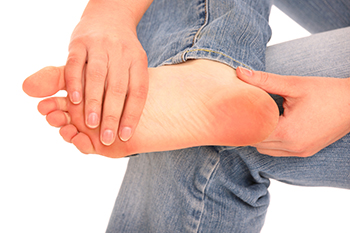
Bowling might not seem high-impact, but it can place stress on the foot and ankle, leading to strains and sprains. The repetitive motion and force exerted during sliding, planting, and delivering the ball can strain tendons, ligaments, and muscles, causing discomfort or injury. Bowlers may experience posterior ankle impingement, which occurs when tissues at the back of the ankle become compressed. This can result from hyperextension during the follow-through, leading to pain, swelling, and limited mobility. Wearing improper footwear, overuse, or a poor bowling stance can increase the risk of foot and ankle injuries. Ignoring these issues may worsen pain and prolong recovery, affecting your performance on the lanes and overall foot health. If you experience persistent pain or suspect an injury from bowling, it is suggested that you consult a podiatrist for a proper evaluation, treatment, and prevention strategies.
Sports related foot and ankle injuries require proper treatment before players can go back to their regular routines. For more information, contact the podiatrists of Issaquah Foot & Ankle Specialists. Our doctors can provide the care you need to keep you pain-free and on your feet.
Sports Related Foot and Ankle Injuries
Foot and ankle injuries are a common occurrence when it comes to athletes of any sport. While many athletes dismiss the initial aches and pains, the truth is that ignoring potential foot and ankle injuries can lead to serious problems. As athletes continue to place pressure and strain the area further, a mild injury can turn into something as serious as a rupture and may lead to a permanent disability. There are many factors that contribute to sports related foot and ankle injuries, which include failure to warm up properly, not providing support or wearing bad footwear. Common injuries and conditions athletes face, including:
- Plantar Fasciitis
- Achilles Tendinitis
- Achilles Tendon Rupture
- Ankle Sprains
Sports related injuries are commonly treated using the RICE method. This includes rest, applying ice to the injured area, compression and elevating the ankle. More serious sprains and injuries may require surgery, which could include arthroscopic and reconstructive surgery. Rehabilitation and therapy may also be required in order to get any recovering athlete to become fully functional again. Any unusual aches and pains an athlete sustains must be evaluated by a licensed, reputable medical professional.
If you have any questions please contact one of our offices located in Issaquah, WA . We offer the newest diagnostic and treatment technologies for all your foot and ankle needs.
Custom Orthotics for High Heels

Custom Orthotics help you not have to choose between style and comfort. With Custom Orthotics designed for high heels, you can walk with confidence, knowing your feet are supported. Custom Orthotics help distribute pressure evenly, reducing the risk of pain and discomfort. Whether it's a day at the office or a night on the town, make every step graceful and pain-free. Discover the magic of Custom Orthotics for high heels by calling our office today.
Foot Pain
Our feet are arguably the most important parts of our bodies because they are responsible for getting us from place to place. However, we often don’t think about our feet until they begin to hurt. If you have pain in your feet, you need to first determine where on the foot you are experiencing it to get to the root of the problem. The most common areas to feel pain on the foot are the heel and the ankle.
Heel pain is most commonly attributed to a condition called plantar fasciitis. Plantar fasciitis occurs when the plantar fascia, which is the band of tough tissue connecting the heel bone to the toes becomes inflamed. Plantar fasciitis pain is usually worse in the morning, and it tends to go away throughout the day. If you have plantar fasciitis, you should rest your foot and do heel and foot muscles stretches. Wearing shoes with proper arch support and a cushioned sole has also been proven to be beneficial.
Some common symptoms of foot pain are redness, swelling, and stiffness. Foot pain can be dull or sharp depending on its underlying cause. Toe pain can also occur, and it is usually caused by gout, bunions, hammertoes, ingrown toenails, sprains, fractures, and corns.
If you have severe pain in your feet, you should immediately seek assistance from your podiatrist for treatment. Depending on the cause of your pain, your podiatrist may give you a variety of treatment options.
Common Areas and Solutions for Foot Pain
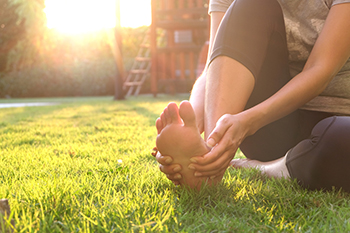
Foot pain affects millions of people, impacting mobility and quality of life. The most common areas for foot issues include the heel, arch, toes, and ball of the foot. Conditions like plantar fasciitis, bunions, and metatarsalgia frequently cause discomfort. It is estimated that nearly 75% of people experience foot pain at some point, with a higher prevalence in older adults and those with active lifestyles or jobs that require prolonged standing. Self-assessment for foot pain can involve gently pressing on the affected area and noting if pain occurs with movement. Reduced mobility or swelling may signal underlying issues. Diagnosis typically involves a physical exam, sometimes with imaging like X-rays. Treatment options vary, from rest to orthotics, targeted exercises, and, in severe cases, surgery. Early attention to foot pain helps prevent chronic discomfort and supports long-term mobility. If you have foot pain, it is suggested that you visit a podiatrist for a proper diagnosis and treatment options.
Foot Pain
Foot pain can be extremely painful and debilitating. If you have a foot pain, consult with the podiatrists from Issaquah Foot & Ankle Specialists. Our doctors will assess your condition and provide you with quality foot and ankle treatment.
Causes
Foot pain is a very broad condition that could be caused by one or more ailments. The most common include:
- Bunions
- Hammertoes
- Plantar Fasciitis
- Bone Spurs
- Corns
- Tarsal Tunnel Syndrome
- Ingrown Toenails
- Arthritis (such as Gout, Rheumatoid, and Osteoarthritis)
- Flat Feet
- Injury (from stress fractures, broken toe, foot, ankle, Achilles tendon ruptures, and sprains)
- And more
Diagnosis
To figure out the cause of foot pain, podiatrists utilize several different methods. This can range from simple visual inspections and sensation tests to X-rays and MRI scans. Prior medical history, family medical history, and any recent physical traumatic events will all be taken into consideration for a proper diagnosis.
Treatment
Treatment depends upon the cause of the foot pain. Whether it is resting, staying off the foot, or having surgery; podiatrists have a number of treatment options available for foot pain.
If you have any questions, please feel free to contact one of our offices located in Issaquah, WA . We offer the newest diagnostic and treatment technologies for all your foot care needs.
Investing in Custom Orthotics Means Investing in Foot Health
Custom orthotics offer a tailored approach to foot health, providing a host of benefits that extend far beyond conventional shoe inserts. One of the primary advantages lies in their ability to address specific biomechanical issues. Unlike off-the-shelf inserts, custom orthotics are crafted based on an individual's unique foot structure, gait, and any existing foot conditions.
The personalized design of custom orthotics ensures optimal support for the arches, promoting proper alignment and distributing pressure evenly across the feet. This can be particularly beneficial for individuals dealing with issues such as overpronation or underpronation, as custom orthotics help correct imbalances that may lead to discomfort or injury.
Beyond biomechanics, custom orthotics can alleviate a range of foot problems, including plantar fasciitis, bunions, and metatarsalgia. They provide targeted relief to areas under stress, reducing pain and inflammation. Additionally, for those with specific medical conditions like diabetes, custom orthotics can play a crucial role in preventing complications associated with poor foot health.
Comfort is another key aspect of custom orthotics. By accommodating the unique contours of an individual's feet, these inserts enhance overall comfort, making daily activities more enjoyable. Whether for athletes looking to optimize performance or individuals seeking relief from chronic foot pain, custom orthotics offer a versatile solution.
Investing in custom orthotics is an investment in long-term foot health. They not only provide immediate relief but also contribute to the prevention of future issues. With the ability to seamlessly integrate into various types of footwear, custom orthotics empower individuals to prioritize foot comfort without compromising on style. In essence, custom orthotics are a personalized prescription for happy, healthy, and pain-free feet.
Foot Orthotics for Children with Flexible Flat Feet
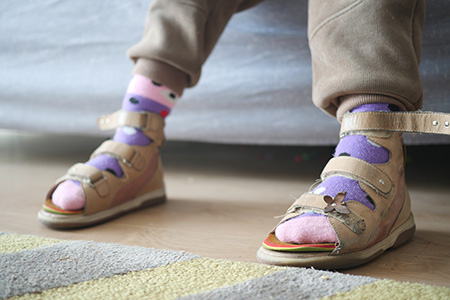
Flexible flat feet are a common condition in children, where the arch of the foot appears flat when standing but returns when the foot is lifted. While many children with flexible flat feet do not experience pain, some may develop discomfort or difficulty walking. In such cases, foot orthotics can be an effective solution. Custom-made orthotics for children with flexible flat feet are designed to provide proper arch support and promote correct foot alignment. These orthotics help distribute weight evenly across the foot, reducing stress on the joints and muscles. By encouraging the foot to function more naturally, orthotics can improve posture, prevent further issues, and reduce the risk of developing other foot problems in the future. Early intervention with foot orthotics can help support healthy foot development and ensure better mobility as the child grows. If your child is uncomfortable from having flat feet, it is suggested that you consult a podiatrist who can determine if custom-made orthotics are a viable treatment solution.
Custom orthotics are specialized shoe inserts created to support and align the feet according to each person’s unique structure and walking pattern. They are an effective way to relieve foot discomfort caused by conditions such as flat feet, high arches, plantar fasciitis, bunions, and heel pain. When the natural alignment of the foot is off balance, it can lead to pressure points, strain, and pain that affect how a person stands, walks, and moves. Orthotics work by redistributing weight evenly and supporting the arch to reduce stress on the muscles, tendons, and joints of the feet and lower legs.
Foot discomfort can develop for many reasons, including wearing improper footwear, long hours of standing, repetitive motion, or underlying structural problems. Over time, this discomfort can extend beyond the feet, contributing to knee, hip, or lower back pain. Custom orthotics help correct these issues by improving alignment and promoting more efficient movement. They are made using precise measurements and imaging to ensure the best fit for each patient, providing targeted support and cushioning where it is needed most.
Unlike generic insoles, custom orthotics are durable, medically designed, and tailored to your specific needs. Whether you are managing chronic pain, recovering from an injury, or simply seeking better comfort and stability, orthotics can make a noticeable difference in how your feet feel throughout the day.
If you are experiencing persistent foot discomfort or fatigue, it may be time to have your feet evaluated by a podiatrist. Call our office today for more information or to schedule an appointment.
If you have any questions, please feel free to contact one of our offices located in Issaquah, WA .
