




March 2024
Dr Brandon Nelson, A Double Board-Certified Physician & Surgeon, Discusses Stubborn Heel Pain
I have to say that exercise for me helps with my mental health and overall wellbeing. I typically workout 6/7 days a week and enjoy running, biking, rucking and walking the dog. It is a great stress relief and helps me clear my head after a day of work. I am sure many of you can relate and as the weather clears more of us are getting back into an exercise routine.
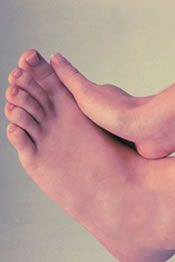
That being said, I always see a spike in heel pain patients this time of year. It makes sense with the weather drying up and everyone wanted to get outside and ready for summer. Heel pain can really sideline you as you return to activities. It can come on suddenly and stick around for months. As a side note, the earlier you get treatment the faster you can recover. It is usually caused by inflammation of your plantar fascia.
The plantar fascia is the main support network of the foot. It is a soft tissue structure that runs from your heel to your toes. It has the function of controlling the foot and helping with propulsion. It can get worn out with time or tired from increased loads. It is by far the most common condition I treat.
Some patients wait quite a while before coming in and these cases are often what I call “stubborn heel pain” or “chronic fasiitis”. This is because the inflammation has now become chronic, and the body has given up on trying to fix it and now coexists with this pathology. These cases are harder to treat and usually require more extensive care. I think it is important to understand that once it becomes chronic, part of the treatment usually requires a reactivation of the body’s ability to recognize this condition. You must take the chronic state of inflammation and turn it back to an acute state.
I really enjoy helping my patients get their life back and their feet pain free. If you would like a consultation for your heel pain I can help. Call to make an appointment with me at 425-391-8666 or make an appointment online.
Sincerely,
American College of Foot & Ankle Surgeons
Issaquah’s Top Podiatrist
Ankle Sprains
Ankle sprains occur when ligaments that support the ankle stretch beyond their limits and tear. These types of injuries are very common and can occur in people of all ages. Sprains may range from mild to severe, depending on how much damage is done to the ligaments. If a sprain goes untreated, a more severe sprain may occur which can further damage the ankle. Repeated ankle sprains can lead to chronic ankle pain.
There are some risk factors that can increase your risk of suffering a sprained ankle. Those who participate in sports, walk on uneven surfaces, have a prior ankle injury, are in poor physical condition, or wear improper shoes are more likely to get a sprained ankle.
There are a few symptoms to look out for if you suspect you are suffering from a sprained ankle. Some common symptoms are swelling, bruising, tenderness, and instability of the ankle. In cases where the tearing of the ligaments is severe, there may be a “popping” sound when the strain occurs.
The RICE method is proven to be effective in treating ankle sprains. RICE stands for Rest, Ice, Compression, and Elevation. Rest is important for treatment, especially within the first 24 to 48 hours. You should also ice your sprained ankle for the first 48 hours for 20 minutes at a time. A small piece of cloth should be placed between the ice and the affected area. For the compression step, you should wear a brace that is snug, but not too tight that it cuts off circulation. When choosing a brace, be sure to choose one that is suitable for the type of ankle sprain you have. Lastly, you should elevate your foot above the heart as often as possible.
After you treat a sprain, you should go through rehabilitation to prevent the injury from occurring again. There are three phases to the rehab process. The first phase involves resting, protecting, and reducing the swelling of the injury. The second phase consists of restoring the ankle’s flexibility, range of motion, and strength. The third phase consists of slowly returning to activity and maintenance exercises.
If you suspect you have an ankle sprain, you shouldn’t hesitate to consult with your podiatrist. Your podiatrist will be able to give you a proper diagnosis and a suitable treatment option for your condition.
Types of Acute Ankle Sprains
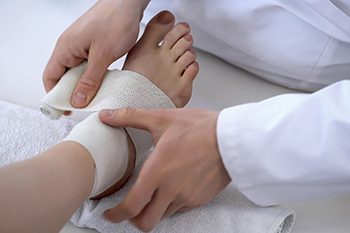
Acute ankle sprains are common injuries when the ligaments surrounding the ankle are stretched or torn. There are three main types of sprains. They are inversion, eversion, and high ankle sprains. Inversion sprains, the most prevalent, happen when the foot rolls inward, stretching the lateral ligaments. Eversion sprains occur when the foot rolls outward, affecting the medial ligaments. High ankle sprains involve the ligaments connecting the tibia and fibula and typically result from excessive external rotation of the foot. These injuries often transpire during activities involving sudden changes in direction, uneven surfaces, or improper landing from jumps. If not adequately treated, acute ankle sprains can lead to chronic ankle instability. This occurs when the ligaments do not heal properly, resulting in recurring episodes of instability, pain, and potential long-term joint damage. Chronic instability may necessitate rehabilitation exercises, bracing, or even surgery to regain stability and prevent further injury. If you have sprained your ankle, and especially if you have had recurrent ankle sprains, it is suggested that you make an appointment with a podiatrist for expert evaluation, diagnosis, and treatment.
Ankle sprains are common but need immediate attention. If you need your feet checked, contact the podiatrists from Issaquah Foot & Ankle Specialists. Our doctors can provide the care you need to keep you pain-free and on your feet.
How Does an Ankle Sprain Occur?
Ankle sprains take place when the ligaments in your ankle are torn or stretched beyond their limits. There are multiple ways that the ankle can become injured, including twisting or rolling over onto your ankle, putting undue stress on it, or causing trauma to the ankle itself.
What Are the Symptoms?
- Mild to moderate bruising
- Limited mobility
- Swelling
- Discoloration of the skin (depending on severity)
Preventing a Sprain
- Wearing appropriate shoes for the occasion
- Stretching before exercises and sports
- Knowing your limits
Treatment of a Sprain
Treatment of a sprain depends on the severity. Many times, people are told to rest and remain off their feet completely, while others are given an air cast. If the sprain is very severe, surgery may be required.
If you have suffered an ankle sprain previously, you may want to consider additional support such as a brace and regular exercises to strengthen the ankle.
If you have any questions please feel free to contact one of our offices located in Issaquah, WA . We offer the newest diagnostic tools and technology to treat your foot and ankle needs.
Custom Orthotics For Ankle Stability

Step with assurance, thanks to enhanced ankle stability from orthotics! If you're active and on the move, Custom Orthotics are your ally for stronger, steadier ankles. They align your foot and ankle, reducing the risk of sprains and offering solid support for every stride. Don’t let instability hold you back. Try Custom Orthotics from our office, and discover unshakable confidence in every step!
Dr. Brandon Nelson, A Board Certified Foot Physician & Surgeon, Issaquah’s Top Podiatrist, Discusses Why You Should Have Your Bunion Fixed
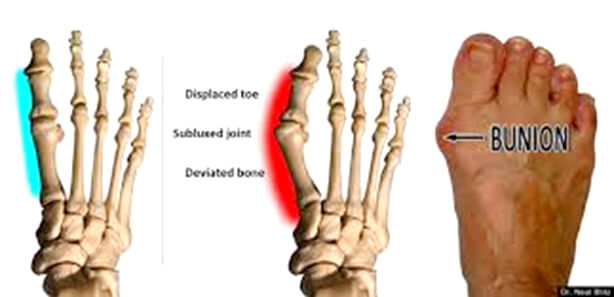
Bunions are one of the most common reasons people schedule an appointment with a foot and ankle surgeon. It is by far the most common surgical procedure I do. People of all ages and activity levels can have a bunion. The primary reason people schedule an appointment is difficulty fitting the shoes they would like to wear.
I think there are quite a few reasons to fix your bunions these days and I will discuss a few of the most beneficial reasons.
Bunions are an inherited foot disorder and are more common in women. They are usually the result of a foot that wants to flatten out too much or what we would call pronate. A bunion results when the first metatarsal tries to stabilize the medial arch. This results in the first metatarsal moving out of place and the bunion developing. Fixing a bunion can result in stabilization of the medial arch. This can have effects on the overall stability of the foot. I see patients that have had plantar fasciitis or other stability issues that resolve once the bunion is fixed.
2. Shoe Fit
Another big issue with bunions becomes an inability to fit in normal shoes. I see a lot of wide shoes and short extra depth shoes when people try to accommodate bunions and other toe deformities. It is often a relief to be able to have shoes fit again and get back to wearing the shoes you once enjoyed or liked after your toe is straightened.
3. Your Bunion Will Get Larger
Many people believe they can use straps or tape or toe straighteners and change their bunion. However, we know from long term data this is not true. There is no way to reverse your bunion without surgery. Everyone’s bunion with time and mileage will get bigger. I recommend having it fixed before it causes the 2nd toe to become a hammer toe or begins to cross over or under the 2nd toe.
If you have a bunion and want an evaluation schedule an appointment with me, or make an appointment online, I will help you.
Sincerely,
Board Certified Physician & Surgeon
Issaquah’s Top Podiatrist & Foot/Ankle Surgeon
Causes, Symptoms, and Treatment of Poor Blood Circulation in the Feet
Poor blood circulation in the feet and legs is often caused by peripheral artery disease (PAD), which is usually the result of a buildup of plaque in the arteries. Plaque buildup, or atherosclerosis, can be the result of excess calcium and cholesterol in the bloodstream. This restricts how much blood can flow through arteries. Reduced blood flow to a certain area of the body severely limits the amount of oxygen and nutrients that part of the body receives. This leads to degeneration in the muscles and other tissues. Sometimes, poor blood circulation in the feet and legs can be caused by other conditions, such as the damaging or inflammation of blood vessels, known as vasculitis.
The lack of oxygen and nutrients caused by poor blood circulation can restrict muscle growth and development, as well as cause muscle pain and cramps, weakness, and stiffness. Other common symptoms include numbness in the legs and feet, skin discoloration in the affected limbs, slower nail and hair growth, and erectile dysfunction in men. In more severe cases of PAD, pain can be present even when a person isn't exercising, and may range from mildly uncomfortable to completely debilitating.
Poor blood circulation in the feet and legs is more common in those who are overweight or obese, have diabetes, high blood pressure, high cholesterol, who smoke, or who have a family history of PAD or related conditions such as a heart attack, stroke, etc. Diabetes and smoking place a person at greatest risk for developing poor blood circulation, although advanced age, over 50, can also increase risk.
If you are experiencing poor blood circulation in the feet and legs caused by PAD, it is important to make changes to your lifestyle in order to reduce your risk of experiencing a heart attack or stroke caused by this condition. If you smoke, quit completely. This will increase the amount of oxygen in your bloodstream. Exercising and reducing the saturated fats in your diet. Saturated fats come from fatty meats, fried foods, whole milk, etc., can make a difference in improving blood circulation in feet. It is also important to avoid developing influenza and to carefully control your blood sugar if you have diabetes.
Your doctor may recommend combining lifestyle changes with a prescription medication regimen to improve blood circulation. The most commonly-used medications for PAD are called statins and work by blocking the amount of enzymes in your body that produce cholesterol. They are known by the brand names Zocor, Lipitor, Crestor, and others.
Causes of Cold Feet and Poor Circulation
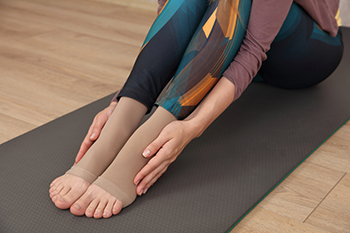 Cold feet can often signal poor circulation, a condition where blood flow to your extremities, especially the feet, is not adequate. There are several common causes of poor circulation in the feet. One is peripheral artery disease, where arteries narrow due to plaque buildup, reducing blood flow to your lower limbs. Diabetes can also contribute to poor circulation due to high blood sugar levels damaging blood vessels and nerves, leading to decreased sensation and blood flow. Additionally, conditions like Raynaud's disease cause blood vessels to narrow dramatically in response to cold or stress, further limiting blood flow. Smoking also worsens circulatory issues as it constricts blood vessels. It is important to get checked for any underlying health issues if you have circulatory issues in the feet and lower limbs. If you are experiencing cold feet on a regular basis, it is suggested that you consult a podiatrist, a foot doctor who can diagnose the source of the issue and offer treatment solutions for poor circulation.
While poor circulation itself isn’t a condition; it is a symptom of another underlying health condition you may have. If you have any concerns with poor circulation in your feet contact the podiatrists of Issaquah Foot & Ankle Specialists. Our doctors will treat your foot and ankle needs.
Poor Circulation in the Feet
Peripheral artery disease (PAD) can potentially lead to poor circulation in the lower extremities. PAD is a condition that causes the blood vessels and arteries to narrow. In a linked condition called atherosclerosis, the arteries stiffen up due to a buildup of plaque in the arteries and blood vessels. These two conditions can cause a decrease in the amount of blood that flows to your extremities, therefore resulting in pain.
Symptoms
Some of the most common symptoms of poor circulation are:
- Numbness
- Tingling
- Throbbing or stinging pain in limbs
- Pain
- Muscle Cramps
Treatment for poor circulation often depends on the underlying condition that causes it. Methods for treatment may include insulin for diabetes, special exercise programs, surgery for varicose veins, or compression socks for swollen legs.
As always, see a podiatrist as he or she will assist in finding a regimen that suits you. A podiatrist can also prescribe you any needed medication.
If you have any questions, please feel free to contact one of our offices located in Issaquah, WA . We offer the newest diagnostic and treatment technologies for all your foot care needs.
Investing in Custom Orthotics Means Investing in Foot Health
Custom orthotics offer a tailored approach to foot health, providing a host of benefits that extend far beyond conventional shoe inserts. One of the primary advantages lies in their ability to address specific biomechanical issues. Unlike off-the-shelf inserts, custom orthotics are crafted based on an individual's unique foot structure, gait, and any existing foot conditions.
The personalized design of custom orthotics ensures optimal support for the arches, promoting proper alignment and distributing pressure evenly across the feet. This can be particularly beneficial for individuals dealing with issues such as overpronation or underpronation, as custom orthotics help correct imbalances that may lead to discomfort or injury.
Beyond biomechanics, custom orthotics can alleviate a range of foot problems, including plantar fasciitis, bunions, and metatarsalgia. They provide targeted relief to areas under stress, reducing pain and inflammation. Additionally, for those with specific medical conditions like diabetes, custom orthotics can play a crucial role in preventing complications associated with poor foot health.
Comfort is another key aspect of custom orthotics. By accommodating the unique contours of an individual's feet, these inserts enhance overall comfort, making daily activities more enjoyable. Whether for athletes looking to optimize performance or individuals seeking relief from chronic foot pain, custom orthotics offer a versatile solution.
Investing in custom orthotics is an investment in long-term foot health. They not only provide immediate relief but also contribute to the prevention of future issues. With the ability to seamlessly integrate into various types of footwear, custom orthotics empower individuals to prioritize foot comfort without compromising on style. In essence, custom orthotics are a personalized prescription for happy, healthy, and pain-free feet.
The Role of Orthotics in Tarsal Tunnel Syndrome
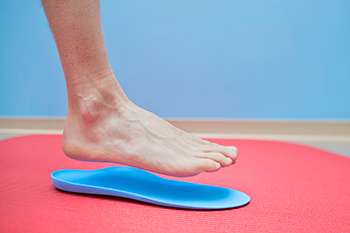
Tarsal tunnel syndrome, or TTS, can bring about pain, tingling, and numbness in the feet. This is due to inflammation in the posterior tibial nerve, found along the inside of the ankle and foot. Nerve damage and compression, often stemming from injuries like ankle sprains or health conditions such as arthritis or diabetes, contribute to TTS. Orthotics can play a pivotal role in managing symptoms of tarsal tunnel syndrome. These specialized devices help alleviate pressure on the affected area and provide much-needed support to the arch of the foot. By reducing the strain on the tibial nerve, orthotics aid in mitigating the pain and discomfort associated with TTS. If you are suffering with foot pain of this type, it is suggested that you seek an early diagnosis and appropriate treatment from a podiatrist, which may include custom-made orthotics.
Custom orthotics can make a remarkable difference in daily comfort and mobility by supporting the feet in their most natural and balanced position. Because the feet form the foundation for the entire body, any imbalance can affect not only how a person walks, but also how the knees, hips, and spine align. Over time, this can lead to fatigue, pain, or reduced movement. Custom orthotics are designed to restore stability and promote proper alignment, which can transform the way a person feels and functions throughout the day.
People who wear custom orthotics often experience improved posture, less joint strain, and greater endurance during work, exercise, and leisure activities. The support they provide helps relieve chronic discomfort from conditions such as plantar fasciitis, flat feet, and heel pain, while also reducing the risk of future injuries. For those who stand for long hours or engage in sports, orthotics can make movement smoother and more efficient, allowing the body to perform at its best without unnecessary stress.
Each pair of custom orthotics is created after a detailed evaluation of foot structure, gait, and pressure distribution. By addressing each person’s unique needs, they offer comfort and confidence with every step.
If you are experiencing ongoing foot discomfort or fatigue, it is suggested that you contact our office for more information or to make an appointment.
If you have any questions, please feel free to contact one of our offices located in Issaquah, WA .
Preventing Running Injuries
Over half of all runners encounter at least one injury per year. The reason for this is because many runners do not train properly. Injuries are almost inevitable due to the physical stress that running causes. While our bodies are great at adapting to the stress, it can only handle it in small doses. Injuries occur when the stress is applied too quickly for the body to handle, causing something within it to break down. With each step you take, your leg is absorbing two or three times your body’s weight.
Some of the most popular running injuries are shin splints, plantar fasciitis, Achilles tendinitis, and stress fractures. Shin splints cause pain along the inside or outside of the shins, and this pain is usually felt at the beginning of a run. The condition itself is defined as an inflammation of the muscles or tendons located around the shinbone. To treat shin splints, it is advised that you ice the shin area and stretch the calf muscles. To prevent this injury, you should slowly increase the distance you plan on running, instead of jumping into a more strenuous routine.
Achilles tendinitis is another common injury and it feels like pain along the back of the leg, toward the heel. This condition is defined as an inflammation of the Achilles which is the largest tendon in the body. The Achilles is responsible for connecting your calf muscles to the heel bone and it is caused by tight calf muscles. If you want to treat this injury, you should take a break from running to cross train with a low-impact activity.
There are a lot of common mistakes runners make that are causing them to experience injury. One mistake is stretching too much prior to warming up. If you plan to go on a run, you should warm up with a gentle 3-5-minute walk followed by a 5-minute run-walk. Another common mistake is jumping into a routine too quickly. Consequently, you should incorporate cross-training into your routine. If you are looking to get active, you should slowly weave running into an activity you are currently participating in. For example, you can try bike riding for 40 minutes followed by a 10-minute run.
Another way to prevent running injuries is to choose shoes that are appropriate for running. There are certain things you should look for when buying a new pair of running shoes. An important factor in these sneakers is flexibility. Running shoes should be capable of bending and flexing at the forefoot. However, you should not be able to bend the entire shoe in half with ease because this is a sign that the shoe does not have enough structure. Additionally, you should look for the fit of the running shoes you want to purchase. It is best to visit a specialty running shoe store to have your feet properly sized. Choosing shoes that fit properly can prevent many foot ailments.
If you are suffering from any pain from running injuries, you should make an appointment with your podiatrist to discover the underlying cause of your pain. He or she will be able to help treat your condition in the best way possible.
Check if allow_url_fopen is enabled on your server. It is mandatory. If not then you must activate it. Contact with your Server Admin / Hosting Provider.
Steps to enable allow_url _fopen :
allow_url_fopen = on
allow_url_include = on.
Add it to php.ini settings.
Google Business Reviews Error Notice!
Read Below Steps Carefully :
1. Check your API key and PLACE id. May be it is not right. Make sure it is correct one.
2. This message commonly shows when api key is exceeded daily request quota for this API or there is no active billing account for this API. Because according to Google there is a limit for free API key. If it exceeds they ask for billing.
3. To know more about Google Pricing , Check here : Google Pricing
4. You can create your Google API key here
5. Must use a right PlaceID. Get PlaceID here
6. One important thing, Don't forget to add billing account to Google. Must check what Google says here
7. If you still find issue , then check first if your Business registered with Google or not. Read more about it here
8.Still find issue, then contact developer : info@aaextensions.com or ashik685@gmail.com
