




July 2023
Dr Brandon Nelson, A Board Certified Physician & Surgeon, and the Lapiplasty Procedure for Bunion Correction
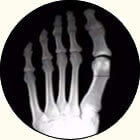
Today we find ourselves in a new era of healthcare. We have robots and small cameras and new instruments to utilize to improve outcomes and simplify procedures. When I completed residency 15 years ago we were introduced to these new devices. It has been interesting to see the evolution of these tools and new and exciting tools enter healthcare. One of the most advanced instrument sets I have seen is the Lapiplasty system by Treace Medical. This has revolutionized bunion surgery and made the surgeons part much easier and more reproducible.
The lapiplasty system is based on the lapidus procedure that was first described by Paul Lapidus almost 100 years ago. This procedure has been utilized in the Pacific Northwest for years. When I began my training the lapidus procedure for bunion correction was very popular as it provided great outcomes with low recurrence rates. The new lapiplasty system is based on the original surgical procedure but has tools that make the surgery easier to execute and recovery faster for patients.
The advantages of patients are numerous and I will discuss a few. First off any surgery should be reproducible. The jig and cutting system of the Lapiplasty has taken away the variability among surgeons and removed eyeballing of bone cuts. This makes for better long term outcomes and reliable positioning of bones for correction of bunions. Secondly it provides better fixation that allows faster recovery. Traditionally the Lapidus procedure can take quite a long time to transition to weight bearing and a normal shoe. This is a big advantage for the new Lapiplasty and one of my most favorite parts of the system.
If you have a bunion and would like to discuss Lapiplasty make an appointment with me today. Give us a call at 425-391-8666 or make an appointment online today.
Sincerely,
Dr. Brandon Nelson
Dr Brandon Nelson, A Board-Certified Physician & Surgeon Discusses Plantar Fasciitis and Heel Spurs
Heel pain and heel spur syndrome are painful conditions that can affect everyday life and make walking and exercise miserable. I see patients that have been suffering for years from this and have tried to live with it. I encourage anybody with heel pain or bone spurs to seek help earlier as it is much easier to rectify this situation with early intervention.
Heel pain is often caused by plantar fasciitis. The plantar fascia is a large thick band of connective tissue that helps to hold up the arch. It is activated when you walk or exercise to provide dynamic control of the foot. It can become extremely painful with overuse and create a considerable cycle of pain. Usually, the pain is worse in the morning, then gets a little better as the day goes on but returns anytime you sit down or rest. Currently there are many great treatment options for fasciitis, however the underlying cause needs to be identified.
Heel spur syndrome often occurs with plantar fasciitis. This is when a bone spur develops on the heel bone or calcaneus. It is often on the site where the plantar fascia attaches and can be a result of long-term tension from the fascia. It can be difficult to determine if it is the bone spur or the fascia that is inflamed. Both can be present at the same time and often testing is needed to differentiate the sources of pain.
I understand that heel pain can be life altering and am here to help.
If you have heel pain, and want to get back to enjoying your life, make an appointment with me today at 425-391-8666 or book an appointment online.
Dr. Brandon Nelson
Issaquah Foot and Ankle Specialists
How to Prevent Running Injuries
Overtraining and overusing the feet are the main causes of common running injuries. A number of these common injuries are caused by overrunning. Runner’s knee is a condition that is characterized by the back of the kneecap beginning to wear away and cause pain in the knee. This frequently occurs due to either a decrease in strength in the quadriceps muscles or ill-fitting shoes that are lacking in proper support for the inside of the forefoot. Strengthening exercises focusing on the quad muscle and sports orthotics are the usual treatments for those suffering from runner’s knee. Prevention of the condition lies in a focus on hip strengthening and quad-strengthening to keep the kneecap aligned. To help learn the best exercise to heal runner’s knee, one can also undergo physical therapy.
One common injury, called iliotibial band syndrome, is often caused by overtraining. This condition occurs when the iliotibial band gets irritated, creating pain and discomfort in the outside knee area. Plantar fasciitis, another common running injury, also occurs as a result of inflammation and irritation. Plantar fasciitis is an inflammation and irritation of the bone in the foot. A large amount of pain is often experienced due to plantar fasciitis. The condition can be caused by a high arch, improper footwear, tight muscles, or flat feet. It can best be avoided by stretching and wearing appropriate footwear that supports the foot.
Another common injury for runners is stress fractures. These injuries occur due to running style, overtraining, or a lack of calcium. Stress fractures most often occur in several locations in runners, including the inner bone of the leg, the thighbone, the bone at the base of the spine and the bones of the toes. Stress fractures are best prevented by wearing proper footwear and by running on flat and hard surfaces; this will absorb some of the shock created during running.
Aside from overtraining, other causes of common running injuries include ill-fitting footwear, a lack of flexibility and strength, and irregular biomechanics. The best way to avoid running injuries is to prevent them from even occurring. Both iliotibial band syndrome and stress fractures are preventable. The first step that should be taken to prevent running injuries is to only wear footwear that fits properly and that is appropriate for whatever activity you are doing. Running shoes are the only protective gear available to runners that can safeguard them from sustaining injuries. Choosing the right pair of shoes is therefore extremely important. While running shoes are an important factor, it is also important to consider other facets of your running routine such as training schedules, flexibility, and strengthening. These elements should be considered and altered according to your running needs to best maximize your run and minimize the possibility of injury. Careful stretching before and after a run should also be considered to help prevent running injuries. Stretching muscles enables greater flexibility and a lesser chance of sustaining injury.
Causes of Foot Pain After Running
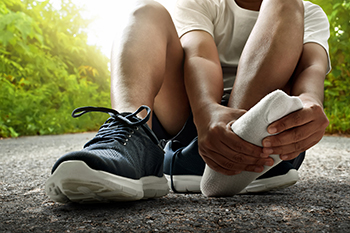
Running has become a popular method of keeping physically fit, but it can also come at a price. Besides having a certain level of fatigue, running can also cause painful injuries to the feet. Several factors can contribute to foot pain after running, but experts believe that ignoring the pain can often make matters worse. The top three causes of most foot pain are being overweight, overtraining, and wearing improper or ill-fitting shoes. Wearing shoes that do not fit well or are the wrong type of shoe for the terrain on which running takes place can increase the chances of injury, aches, and sore feet. In addition, poor quality outsoles that fail to cushion the feet adequately can cause foot problems. Running on uneven terrain or hard surfaces can subject the feet to more pressure and lead to unnatural strides. Overtraining, especially running farther than the body can handle, often results in foot maladies such as plantar fasciitis and stress fractures. Carrying extra weight is particularly harmful to the feet, which absorb several times the body weight with each step. This opens up the runner to injury or, at the very least, foot aches and pains. If you experience foot pain after running, it is suggested that you make an appointment with a podiatrist.
Exercising your feet regularly with the proper foot wear is a great way to prevent injuries. If you have any concerns about your feet, contact the podiatrists of Issaquah Foot & Ankle Specialists. Our doctors will treat your foot and ankle needs.
How to Prevent Running Injuries
Many common running injuries are caused by overuse and overtraining. When the back of the kneecap starts wearing out and starts causing pain in your knee, this is commonly referred to as runner’s knee. Runner’s knee is a decrease in strength in your quadriceps and can occur if you’re not wearing properly fitted or supporting shoes. To prevent runner’s knee, focusing on hip strengthening is a good idea, as well as strengthening your quads to keep the kneecaps aligned.
What Are Some Causes of Running Injuries?
- One cause of a common running injury is called iliotibial band syndrome.
- Plantar fasciitis is also another common injury.
- Stress fractures can occur from overtraining, lack of calcium, or even your running style.
Best Ways to Prevent Running Injuries
- Wear footwear that fits properly and suits your running needs.
- Running shoes are the only protective gear that runners have to safeguard them from injury.
- Make a training schedule. Adding strengthening exercises as well as regular stretching can help keep you strong and limber and can lessen the possibility of injuries.
- Stretching keeps muscles limber; this will help you gain better flexibility.
If you have any questions, please feel free to contact one of our offices located in Issaquah, WA . We offer the newest diagnostic and treatment technologies for all your foot care needs.
Dr Brandon Nelson, A Board-Certified Physician & Surgeon Discusses Key Steps in the Lapiplasty Bunion Procedure
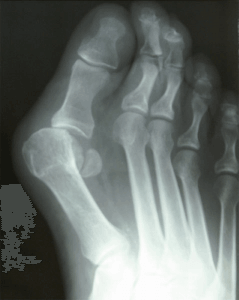
Bunion surgery has been performed for years and many different types of surgical techniques exist. The last few years a newer procedure called the Lapiplasty has been pushed to the forefront of surgical correction. It involves previously researched correction techniques combined with a newer jig for bone cuts. It is the fastest growing bunion surgery in the United States. There are a few key steps that make a difference in the correction that must be carefully followed.
The first key step is freeing up the joint so it can be rotated in 3 different planes to correct the triplane bunion deformity.
The second involves making sure to release and mobilize soft tissue around the big toe.
Next provisional reduction needs to be done and fixated with a clamp to apply the cutting jig. Once the correction is obtained the jig is placed and the bone is cut.
The wedges of bone are removed, and the joint is fenestrated to promote fusion and graft can be placed.
The joint is then compressed, and correction again obtained, and fixation occurs with plates and screws.
The advantages of this system are reproducibility and stable fixation which allows earlier weight bearing.
If you have a bunion and are in pain, I can help. Make an appointment with me today at 425-391-8666 or fill out a contact form online.
Dr Brandon Nelson
Issaquah Foot and Ankle Specialists
Dr Brandon Nelson, A Board-Certified Physician & Surgeon Discusses Bunion Surgery, The Lapiplasty
.jpg)
Surgery for a bunion is most used for long term correction, meaning realigning the bone for the foot to function in a stabilized fashion. Many bunion surgeries are what is called a head procedure. This is when the metatarsal head is cut and pinned or screwed in place. The procedure itself is straightforward and can usually be done in under an hour. The average person will be walking the entire post operative phase and can be in a normal shoe in 4-6 weeks typically.
Should I fix my bunion?
I think the answer to this question is does it hurt or do you have a hard time fitting in shoes or doing the activities you enjoy because of the bunion? Most people with a bunion at some point will answer yes to this question and that is a good time to think about fixing it. The other consideration is do other parts of my foot hurt because of the bunion or are my toes changing position because of my bunion? Again if this is happening now maybe the time to fix it.
Is Surgery going to hurt?
Yes, surgery is going to be uncomfortable. However, we work very closely with our post-operative patients to make sure their pain is well controlled during recovery. It is imperative that patients get a head of the pain and take all medications that are prescribed.
How long does it take to recover?
This is a harder question to answer. There are many factors that lead to recovery but in general. Some patients are walking on their feet immediately and some must wait weeks. The return to shoe can be as early as 4 weeks or longer like 10-12 weeks. Most sports or activities have no limitation at 3 months.
Does bunion surgery need to be done at the hospital?
A lot of surgeons still use the hospital or outpatient surgery center for bunion surgery. These facilities can be very expensive. My practice has a surgical suite which saves large amounts of money and time for every patient.
If you have a bunion and are in pain, I can help. Make an appointment with me today at 425-391-8666 or fill out a contact form online.
Sincerely,Dr Brandon Nelson
American College of Foot & Ankle Surgeons
Causes Symptoms and Treatment for Poor Circulation in the Feet
The purpose of the body’s circulation system is to transport blood, oxygen, and nutrients throughout the body. A reduction of blood to a specific part of the body may cause one to experience symptoms of poor circulation. The most common causes of poor circulation in the feet are obesity, diabetes, and heart conditions such as peripheral artery disease (PAD). Common symptoms of poor circulation include tingling, numbness, throbbing, pain and muscle cramps.
Peripheral artery disease is a common cause of poor circulation in the legs. Symptoms of PAD are cramping, pain or tiredness in the leg or hip muscles while walking or climbing stairs. This pain tends to go away with rest and starts back up when you begin to walk. It is a condition that causes the blood vessels and arteries to become narrow. Although PAD is more common in adults over the age of 50, it may also occur in younger people. A similar condition called atherosclerosis causes arteries to stiffen up due to a buildup of plaque in the arteries and blood vessels.
Blood clots are also a common cause of poor circulation in the feet. Clots may obstruct blood vessels and if they occur in the legs, they may eventually lead to pain and discoloration. This occurrence is commonly known as deep vein thrombosis (DVT) and it may travel to the lungs. Varicose veins are another condition that may lead to poor circulation, and it is caused by incompetence of the valves in the veins. Women who are overweight are prone to developing this condition. Lastly, diabetes, which is correlated with poor blood sugar metabolism may lead to chronic poor circulation. Those with diabetes often suffer from cramping in the legs, calves, thighs and buttocks.
If you are looking for ways to avoid poor circulation there are some tips you can follow. One tip is to avoid sitting for too long. If you plan to sit down for a long period of time, you should try standing up occasionally, to improve your circulation. Another great way to avoid poor circulation is to exercise. Exercise is an excellent way to pump the heart and increase blood flow. Those who suffer from poor circulation should also avoid smoking, reduce their salt intake, and try to lose weight.
If you are experiencing symptoms from poor circulation in your feet, you should consult with your podiatrist to determine the best method for treatment for you. He or she may prescribe medication in addition to recommending specific lifestyle changes to improve your circulation.
Poor Circulation and Dry Skin
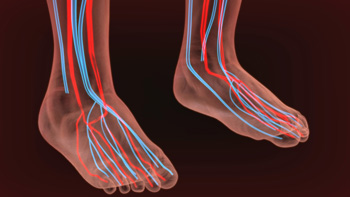
Maintaining proper blood circulation to the feet is a critical part of practicing good everyday foot health. This is because proper circulation ensures that blood and oxygen reach the feet. There is an interesting connection between poor circulation in the feet and dry skin. Namely, when an individual struggles with obesity, they can essentially carry extra weight that inhibits proper blood circulation. As a result of this inhibited circulation, the skin on the feet may harden and become dry. If you are someone living with poor circulation in the feet, it is suggested that you reach out to a podiatrist today to address any concerns or problems.
Poor circulation is a serious condition and needs immediate medical attention. If you have any concerns with poor circulation in your feet contact the podiatrists of Issaquah Foot & Ankle Specialists. Our doctors will treat your foot and ankle needs.
Poor Circulation in the Feet
Poor blood circulation in the feet and legs is can be caused by peripheral artery disease (PAD), which is the result of a buildup of plaque in the arteries.
Plaque buildup or atherosclerosis results from excess calcium and cholesterol in the bloodstream. This can restrict the amount of blood which can flow through the arteries. Poor blood circulation in the feet and legs are sometimes caused by inflammation in the blood vessels, known as vasculitis.
Causes
Lack of oxygen and oxygen from poor blood circulation restricts muscle growth and development. It can also cause:
- Muscle pain, stiffness, or weakness
- Numbness or cramping in the legs
- Skin discoloration
- Slower nail & hair growth
- Erectile dysfunction
Those who have diabetes or smoke are at greatest risk for poor circulation, as are those who are over 50. If you have poor circulation in the feet and legs it may be caused by PAD and is important to make changes to your lifestyle in order to reduce risk of getting a heart attack or stroke. Exercise and maintaining a healthy lifestyle will dramatically improve conditions.
As always, see a podiatrist as he or she will assist in finding a regimen that suits you. A podiatrist can also prescribe you any needed medication.
If you have any questions, please feel free to contact one of our offices located in Issaquah, WA . We offer the newest diagnostic and treatment technologies for all your foot care needs.
Dr Brandon Nelson, A Board-Certified Physician & Surgeon Discusses The Austin Bunionectomy

Bunions are primarily an inherited foot structure issue. These often begin to develop in early adolescents and progressively get bigger as time goes on. They develop as one’s foot becomes increasingly unstable through the medial. The bunion itself seems to grow as the first metatarsal shifts outwards and the big toe begins to drift into the adjacent digits. This shift will continue until it is treated and will get larger as time and milage gets greater.
There are many different ideas about the treatment of a bunion. There are conservative and surgical options available. It is important to note that conservative options do not correct the bunion or stop it from getting larger. This can only be accomplished surgically.
Surgery for a bunion is most used for long term correction. Meaning realigning the bone for the foot to function in a stabilized fashion. Many bunion surgeries are what is called a head procedure. This is when the metatarsal head is cut and pinned or screwed in place. The procedure itself is straight forward and can usually be done in under an hour. The average person will be walking the entire post operative phase and can be in a normal shoe in 4-6 weeks typically.
If you have a bunion and are in pain, I can help. Make an appointment with me today at 425-391-8666 or submit a contact form online and our team will reach out as soon as possible.
Sincerely,
Dr Brandon Nelson
American College of Foot & Ankle Surgeons
Dr Brandon Nelson, A Board-Certified Physician & Surgeon Discusses Bunion Surgery and How to Recover Faster
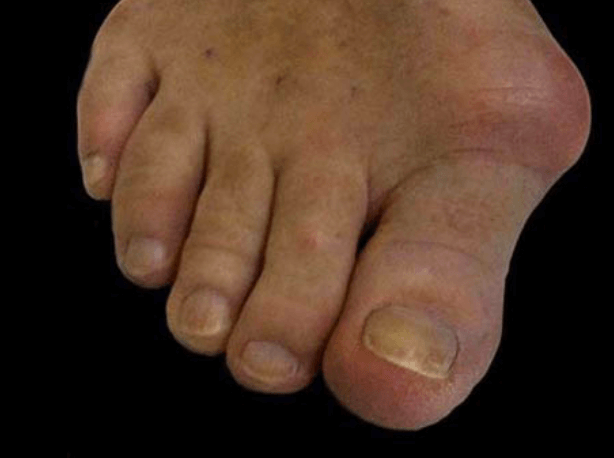
Bunion surgery is one of the most common procedures done in the United States. It is recommended most of these are done in an outpatient setting and patients can go home the same day. Most procedures are done in about 2 hrs and patients can walk in a protective boot. Most bunion procedures involve cutting bone or realigning joints.
Since bone is cut it is important to take calcium or a bone healing supplement. These can help decrease healing time and make recovery much easier. Additionally, I like my patients to use a bone stimulator and remain home for the first couple days. Sacrificing a little time on the front end of the surgery can make recovery much easier. Another supplement like collagen can help with skin healing and provide better scar appearance.
The vast majority of bunion surgeries can be done in our office. A mild anesthetic and a little bit of local anesthetic will provide enough comfort to sleep right through the procedure. Having it done in our office setting, in a sterile environment, provides large cost savings and time savings for patients.
If you have a bunion and are in pain, I can help. Make an appointment today with me at 425-391-8666 or contact us online.
Sincerely,
Dr Brandon Nelson
American College of Foot & Ankle Surgeons
