




June 2023
Dr Timothy Young, a board certified foot surgeon talks about Reversing a Bunion: Understanding the Causes, Treatment Options, and Prevention Part 2
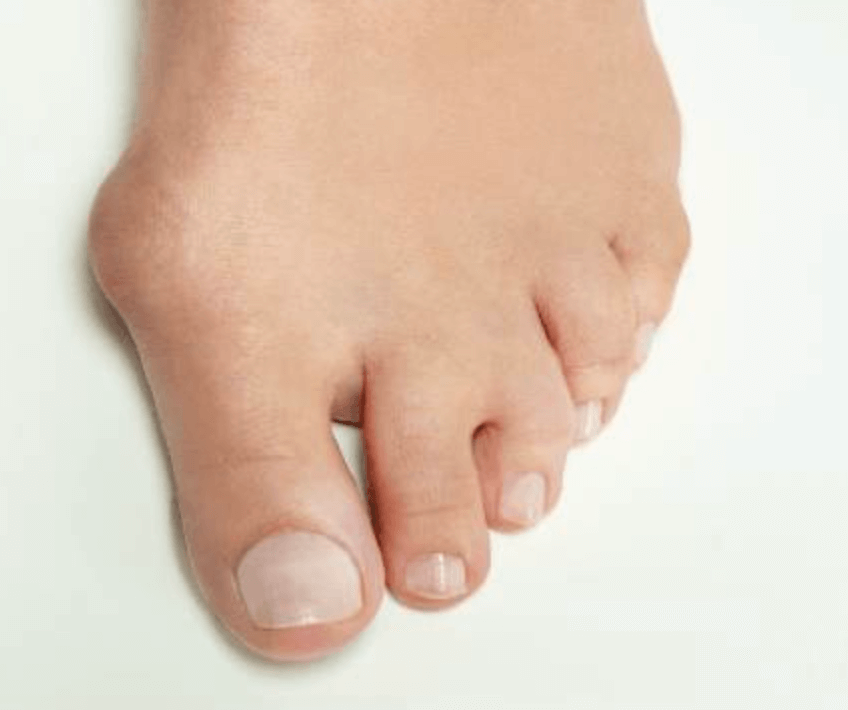
Dr Timothy Young, a board certified foot surgeon talks about Reversing a Bunion: Understanding the Causes, Treatment Options, and Prevention Part 2
Surgical Intervention:
Bunionectomy: In some cases where conservative treatments are not effective, a bunionectomy may be necessary. This surgical procedure involves realigning the affected structures and bones to correct the deformity. The specific surgical technique used will depend on the severity and complexity of the bunion.
Preventive Measures:
It is often not possible to prevent bunions however, certain measures can help slow down their progression or reduce the likelihood of developing them:
a. Footwear choices: Look for shoes that provide extra room for the toes, have a wide toe box, and have good arch support.
b. Avoid high heeled shoes: Wearing high-heeled shoes can exacerbate existing bunions or increase the risk of developing them.
c. Maintain a healthy weight: Excess body weight can put extra pressure on the feet, potentially worsening bunions.
d. Exercises and stretches: Regular foot exercises and stretches can help strengthen the muscles and improve flexibility.
Dr. Young's Postoperative Swelling Tips
Conclusion:
Reversing a bunion involves a comprehensive approach combining conservative treatments, such as good footwear and orthotic devices, with surgical treatments if necessary. Early preventive measures are helpful steps in treating bunions effectively. If you are experiencing foot pain or notice a bunion forming, please contact our clinic. We specialize in bunion treatments.
Give us a call today at 425-391-8666 or make an appointment online today.
Dr Timothy Young, a board certified foot surgeon talks about Reversing a Bunion: Understanding the Causes, Treatment Options, and Prevention
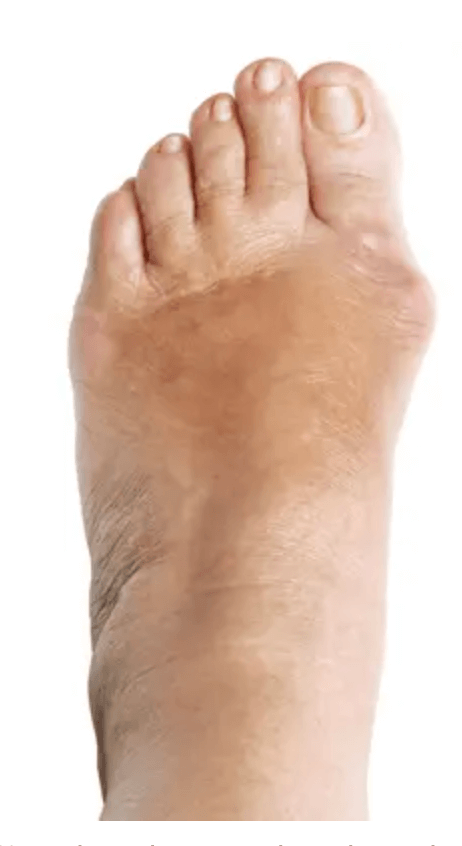
Dr Timothy Young, a board certified foot surgeon talks about Reversing a Bunion: Understanding the Causes, Treatment Options, and Prevention Part 1
Introduction:
Bunions are a common condition that can cause foot discomfort, pain, and limit mobility. Bunions are typically associated with a bony protrusion at the base of the big toe, and they are actually the result of a complex structural deformity in the foot. We will review the causes of bunions, explore the available treatment options, and discuss preventive measures that can help reverse this condition.
Understanding Bunions:
Bunions, are also known as hallux valgus. This condition occurs when the joint at the base of the big toe becomes misaligned. The misalignment causes the big toe to angle inward, towards the other toes, leading to the formation of a bony bump on the side of the foot. Bunions can be hereditary, but they are often aggravated by certain factors, including:
a. Footwear: Tight, pointed shoes that squeeze the toes together can contribute to the formation of bunions.
b. Foot structure: Certain foot types, such as very pronated flat feet with low arches, are more prone to develop bunions.
c. Arthritis: Certain forms of arthritis can increase the risk of developing bunions. And conversely, bunions can lead to abnormal joint wear with potential for arthritis.
Treatment Options:
While bunions are generally progressive and often worsen over time, there are several treatment options available to address the symptoms and reverse the condition:
Wearing good footwear: look for wide-toe shoes with a low heel and nice arch support can reduce discomfort.
Orthotic devices: prescription custom-made shoe inserts (orthotics) can help stabilize the foot and reduce further progression of the bunion.
Padding and taping: Using padding or taping around the bunion that will provide cushioning and reduce pain.
*If you are experiencing foot or ankle pain, give us a call at 425-391-8666 or make an appointment online today.
Morton's Neuroma
A neuroma is a thickening of nerve tissue and can develop throughout the body. In the foot, the most common neuroma is a Morton’s neuroma; this typically forms between the third and fourth toes. The thickening of the nerve is typically caused by compression and irritation of the nerve; this thickening can in turn cause enlargement and, in some cases, nerve damage.
Neuromas can be caused by anything that causes compression or irritation of the nerve. A common cause is wearing shoes with tapered toe boxes or high heels that force the toes into the toe boxes. Physical activities that involve repeated pressure to the foot, such as running or basketball, can also create neuromas. Those with foot deformities, such as bunions, hammertoes, or flatfeet, are more likely to develop the condition.
Symptoms of Morton’s neuroma include tingling, burning, numbness, pain, and the feeling that either something is inside the ball of the foot or that something in one’s shoe or sock is bunched up. Symptoms typically begin gradually and can even go away temporarily by removing one’s shoes or massaging the foot. An increase in the intensity of symptoms correlates with the increasing growth of the neuroma.
Treatment for Morton’s neuroma can vary between patients and the severity of the condition. For mild to moderate cases, padding, icing, orthotics, activity modifications, shoe modifications, medications, and injection therapy may be suggested or prescribed. Patients who have not responded successfully to less invasive treatments may require surgery to properly treat their condition. The severity of your condition will determine the procedure performed and the length of recovery afterwards.
Morton’s Neuroma and Wearing High Heels
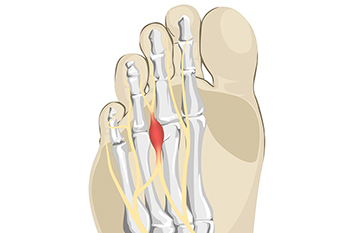
Morton’s neuroma is a foot condition that affects the nerves between the third and fourth toes. It generally happens from weaning shoes that do not have enough room for the toes to move freely in. This condition can develop in people who frequently wear high heels, and the nerve can become irritated or damaged. Common symptoms many patients experience can consist of having a burning pain in this area, and it can feel as if a small stone is in the shoe or sock. Mild relief can be found when the offending pair of shoes is not worn, and the affected foot is elevated. It is beneficial to wear wide, comfortable shoes that have a soft sole and low heel, and it may help to lose weight if needed. If there is a pain in this part of your foot, and simple relief tactics are ineffective, it is strongly suggested that you seek the counsel of a podiatrist who can effectively diagnose Morton’s neuroma, and guide you toward permanent relief methods.
Morton’s neuroma is a very uncomfortable condition to live with. If you think you have Morton’s neuroma, contact the podiatrists of Issaquah Foot & Ankle Specialists. Our doctors will attend to all of your foot care needs and answer any of your related questions.
Morton’s Neuroma
Morton's neuroma is a painful foot condition that commonly affects the areas between the second and third or third and fourth toe, although other areas of the foot are also susceptible. Morton’s neuroma is caused by an inflamed nerve in the foot that is being squeezed and aggravated by surrounding bones.
What Increases the Chances of Having Morton’s Neuroma?
- Ill-fitting high heels or shoes that add pressure to the toe or foot
- Jogging, running or any sport that involves constant impact to the foot
- Flat feet, bunions, and any other foot deformities
Morton’s neuroma is a very treatable condition. Orthotics and shoe inserts can often be used to alleviate the pain on the forefront of the feet. In more severe cases, corticosteroids can also be prescribed. In order to figure out the best treatment for your neuroma, it’s recommended to seek the care of a podiatrist who can diagnose your condition and provide different treatment options.
If you have any questions, please feel free to contact one of our offices located in Issaquah, WA . We offer the newest diagnostic and treatment technologies for all your foot care needs.
Dr Brandon Nelson, A Board-Certified Physician & Surgeon Discusses Why Your Heel Pain Will Not Go Away
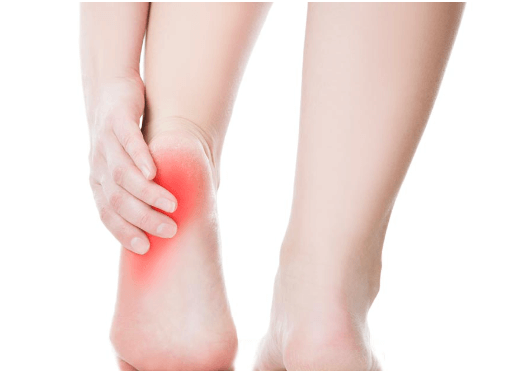
Heel pain is always a challenge to deal with as a patient. It can be very tiring on one’s nerves. It is hard to wake up in pain and go to sleep in pain. Especially if you have first step pain, that pain when you put your foot on the ground when getting and it makes you just want to just crawl back into bed. Plantar fasciitis is challenging and can take time and effort to get rid of it. The good news is that I can help. I have seen 1000s of patients with heel pain. I can help whether you have had it for a week or for a year.
It is important to understand the cause of the pain. Is it the fascia, is it the Achilles tendon or is it a pinched nerve. Regardless of the reason, a thorough workup is paramount to helping fix the underlying cause. At the very least an x-ray is useful and the first place to start. New types of shoe gear and changes in training can be informative as well. Additionally, what does the pain feel like, what have you tried so far and how long has it been present. These are all great things to share with your provider and helpful in coming up with a treatment plan.
If you have heel pain and it is not getting better I can help. Make an appointment online or call us today at 425-391-8666.
Sincerely,
Dr Brandon Nelson, A Board-Certified Physician & Surgeon Discusses The Reason To Have a Lapiplasty Bunionectomy
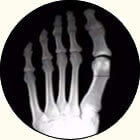
Bunions can be extremely painful and limiting to one’s activities. It is hard to find shoes, especially comfortable shoes. Bunions continue to grow and become difficult to manage. I have seen large and small bunions that are painful. Most bunions end up requiring surgical repair.
I see a lot of patients that have been deciding whether or not to fix their bunion. I ask all my patients the same things, is it painful, does it interfere with life and is it getting bigger? These seem to be all good reasons to fix your bunion. Fixing your bunion has never been easier. The Lapiplasty is one of my most favorite procedures as it provides reproducible results and long lasting correction. Most patients can begin to weight bear at 2 weeks and return to activities much sooner than previous procedures.
If you have a bunion and have been contemplating having it fixed I can help. I have an onsite surgical suite making it more convenient and saving both time and money. Make an appointment today at 425-391-8666 or fill out a contact form online and we'll reach out to you.
Sincerely,
American College of Foot & Ankle Surgeons
Sever's Disease
Sever's disease, also known as calcaneal apophysitis, is a medical condition that causes heel pain in children’s feet while they’re growing. Sever's disease occurs most commonly in boys and girls between the ages of 8 and 14.
Sever's disease occurs when the child’s growth plate, or the calcaneal epiphysis, an area attached to the Achilles tendon, is injured or when the muscles and tendons of the growing foot do not keep pace with bone growth. The result is constant pain experienced at the back of the heel and the inability to put any weight on the heel. This forces the child to bear weight on their toes while walking. When a toe gait develops, the child must change the way they walk to avoid placing weight on the painful heel. If this is not properly addressed, this can lead to further developmental problems.
The most common symptom of Sever's disease is acute pain felt in the heel when a child engages in physical activity such as walking, jumping or running. Children who are active athletes are among the group most susceptible to experiencing Sever's disease. This is due to the extreme stress and tension placed on their growing feet. The rolling movement of the foot during walking or running and obesity are both additional conditions linked to causing Sever's disease.
The first step in treating Sever's disease is to rest the foot and leg and avoid physical activity. Over the counter pain-relieving and anti-inflammatory medications can be helpful for reducing the amount of heel pain. A child with Sever's disease should also wear shoes that properly support the heel and the arch of the foot. Consider purchasing orthotic shoe inserts which can help support the heel and foot while it is healing. Most patients with Sever's disease symptoms report an eventual elimination of heel pain after wearing orthotic insoles that support the affected heel.
Sever's disease may affect either one heel or both. It is important for a child experiencing heel pain to be examined by a foot doctor who can apply the squeeze test. The squeeze test compresses both sides of the heel in order to determine if there is intense pain. Discourage any child diagnosed with Sever's disease from going barefoot as this can intensify the problem. Apply ice packs to the affected painful heel two or three times a day for pain relief.
Exercises that help stretch the calf muscles and hamstrings are effective at treating Sever's disease. An exercise known as foot curling has also proven to be very effective at treating Sever's disease. When foot curling, the foot is pointed away from the body, then curled toward the body to help stretch the muscles. The curling exercise should be done in sets of 10 or 20 repetitions and repeated several times throughout the day.
Treatment methods can continue for at least 2 weeks and as long as 2 months before the heel pain completely disappears. A child can continue doing daily stretching exercises for the legs and feet to prevent Sever’s disease from returning.
Sever’s Disease Causes Heel Pain
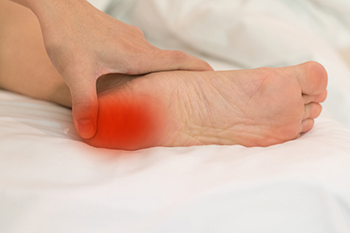
Sever’s disease is a foot condition that active children and young teenagers may be prone to getting. It happens as a result of the growth plate in the heel developing faster than the surrounding muscles and tendons. Heel pain is often the first sign of Sever’s disease, and can come from repeated stress while frequently performing physical activities. Some of these can include soccer, football, and track. Additionally, wearing shoes that do not fit correctly may increase heel pain, and parents may notice their child is limping or walking on tip-toes. A diagnosis is generally performed that can begin with analyzing the child's gait, or walking pattern. This can be effective in ruling out an abnormal foot shape, which may include having flat feet or high arches. Treatment typically begins with temporarily stopping the activity that caused the pain, and resting the affected foot as often as possible. If you notice symptoms in your child that may indicate Sever’s disease, it is suggested that you confer with a podiatrist who can help your child to feel better.
Sever's disease often occurs in children and teens. If your child is experiencing foot or ankle pain, see the podiatrists from Issaquah Foot & Ankle Specialists. Our doctors can treat your child’s foot and ankle needs.
Sever’s Disease
Sever’s disease is also known as calcaneal apophysitis, which is a medical condition that causes heel pain I none or both feet. The disease is known to affect children between the ages of 8 and 14.
Sever’s disease occurs when part of the child’s heel known as the growth plate (calcaneal epiphysis) is attached to the Achilles tendon. This area can suffer injury when the muscles and tendons of the growing foot do not keep pace with bone growth. Therefore, the constant pain which one experiences at the back of the heel will make the child unable to put any weight on the heel. The child is then forced to walk on their toes.
Symptoms
Acute pain – Pain associated with Sever’s disease is usually felt in the heel when the child engages in physical activity such as walking, jumping and or running.
Highly active – Children who are very active are among the most susceptible in experiencing Sever’s disease, because of the stress and tension placed on their feet.
If you have any questions, please feel free to contact one of our offices located in Issaquah, WA . We offer the newest diagnostic and treatment technologies for all your foot care needs.
Dr Timothy Young, a Board Certified Foot Surgeon on: Should I Get Bunion Surgery? Part 3
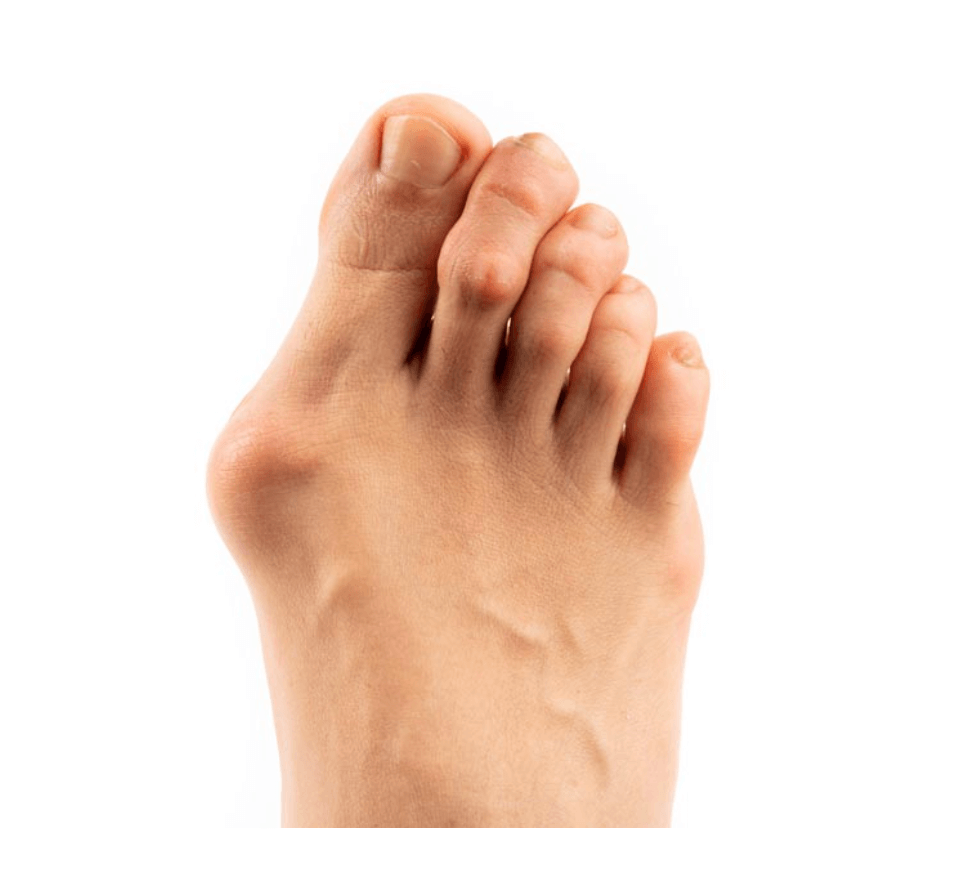
Dr Timothy Young, a Board Certified Foot Surgeon on: Should I Get Bunion Surgery? Part 3
Second Opinions: Obtaining a additional opinion is often recommended before making a decision about any surgery. Seeking the advice of another board certified foot surgeon can help validate the initial recommendation and provide additional insights. It also allows you to compare treatment approaches, potential outcomes, and associated risks.
Conclusion: Deciding whether or not to have bunion correction surgery is a choice that should be based on a combination of factors, including the extent of your symptoms, how fast the bunion is progressing, the impact on your daily life, and the potential risks and benefits. It's crucial to consult with a board certified foot surgeon who can evaluate your specific case and provide professional advice tailored to your needs. Remember, bunion surgery should be considered after conservative treatments. By carefully weighing the pros and cons and seeking expert opinions, you can make an informed decision regarding bunion corrective surgery that aligns with your personal needs and goals.
If you are experiencing foot or ankle pain, give us a call at 425-391-8666 or make an appointment online today.
Rare Foot Conditions
A podiatrist will be able to address a variety of rare foot conditions, particularly the ones that affect children. The most common are Kohler’s disease, Maffucci syndrome, and Freiberg’s disease. They can be properly diagnosed by having an X-ray taken, but in more serious cases an MRI may be needed. Kohler’s disease generally affects younger boys and bone deterioration may result from an interruption of blood supply. Children who have Kohler’s disease may find relief when the affected foot is rested, and a special boot is worn. Benign growths in the long bones of a child’s foot may lead to the development of bone lesions, and this is known as Maffucci syndrome. People who have this condition find mild relief when custom-made orthotics are worn. Freiberg’s disease targets the ball of the foot and can typically affect pre-teen and teenage girls. The metatarsal bone becomes deteriorated and flattened, and common symptoms include swelling and stiffness. A cast is often necessary to wear with this disease as it can help to reduce existing pain. Erythromelalgia is a rare foot condition, and its cause is unknown. Symptoms of this disease can include intense burning pain and the feet may appear red or feel warm. Relief may be found when the affected foot is immersed in ice water. It can also be beneficial to elevate the foot frequently. If your child complains of foot pain, it is strongly suggested that you consult with a podiatrist who can diagnose and treat rare foot conditions.
