




May 2023
Dr Brandon Nelson, A Board Certified Physician & Surgeon, Discusses ForeFoot Pain or Pain In The Front Of One’s Foot
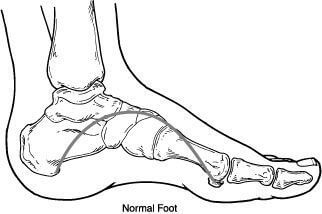
The front of your foot or the area where your toes begin is called the forefoot. This area consists of your toe bones, your phalanges and your metatarsals, the long foot bones. This area is where you push off when ambulating and provides stability for forward propulsion. This is a complex anatomical area and more than a few pathologies can exist in this location but I will discuss a few of the most common. These include neuromas, capsulitis and stress fractures.
Neuromas are an entrapped nerve that can cause burning and tingling. These usually occur in the 3rd interspace. Most patients have a sensation that is electrical and is worse in shoes and relieved by taking off their shoes and rubbing the forefoot. These seem to be more common in women than men and especially around the 4th-6th decade of life. Neuromas have some great treatment options available one of most successful is dehydrated alcohol injections. The success rate with these injections approaches 89%.
Capsulitis is a term we use to describe inflammation of a joint. This most commonly occurs in the metatarsophalangeal joint of the foot. We tend to see this in a patient with a bunion or high arched foot. The main cause seems to be a biomechanical imbalance. It is important to get an x-ray with capsulitis as arthritis can have a similar presentation.
Stress fractures usually present with swelling. They often occur as one begins a new training program and can cause pain for weeks. Typically these will be relieved with rest and exacerbated by activity. Most will heal with a change in activities and calcium supplementation. However again an x-ray is warranted to rule out other pathologies and to monitor healing.
If you are having forefoot pain I can help. Schedule an appointment with Dr Brandon Nelson, give us a call at 425-391-8666 or make an appointment online.
Sincerely,
Board Certified Physician & Surgeon
Dr Brandon Nelson, A Board Certified Physician & Surgeon, Discusses Chronic Heel Pain and How to Get Rid of It
The number one cause of heel pain is Plantar Fasciitis. Plantar Fasciitis is an inflammation of a band of tissue on the bottom of one’s foot. The most common reason is overuse. Overuse can come in many forms, people that work on their feet, or avid exercisers and even just long term wear and tear on your feet. It is important to know that your fascia is the main supporting network of one’s feet and is under chronic mechanical load.
It is important in the process of trying to cure plantar fasciitis to identify any outlying reasons for fasciitis. These outliers can be systemic causes, training errors or general overuse injuries. I think an x-ray is always warranted as well as an overall skeletal exam. The earlier one sees a foot and ankle physician the faster we can get you on the road to recovery.
Once an exam has been performed the next stop is how do we fix the underlying causes and cure the fascia long term. There are many options you can read about but the mainstay is reducing mechanical burdens and inflammation. I have a protocol I have used for more than 10 years and on 1000’s of patients. The majority of my patients are 50-70% better within the first week of seeing me.
Then there are the patients that have chronic fasciitis or long term fasciitis. The workup for these patients should be a little different and more extensive. Once plantar fasciitis has been identified as the root problem more advanced modalities will usually cure the fasciitis. The focus of these modalities is usually to stimulate one’s own biology to actively heal the underlying inflammation. These are some of the most cutting edge techniques and technologies available and our office has the 2 most effective modalities to fix your heel pain.
If you have heel pain, schedule an appointment with me, Dr. Nelson and I will get you fixed and ready to enjoy your summer! Give us a call at 425-391-8666 or make an appointment online.
Voted by Holistic Magazine as a top holistic provider.
Sincerely,
Board Certified Physician & Surgeon
How Did I Get a Blister on My Foot?
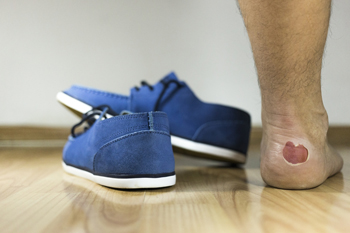
Blisters on the feet can cause extreme discomfort. They form as a result of having a portion of damaged skin, which is generally caused by excess friction. They are defined as a small area that is filled with liquid, which helps to protect the raw skin. The majority of people who develop blisters on their feet understand the importance of keeping them from popping prematurely, and this can be difficult while wearing shoes. The blister will gradually drain when new skin has formed, and the ease of completing daily activities can return. It is beneficial to implement prevention techniques that can help to avoid blisters. These can include wearing shoes and socks that fit correctly, and wearing sunscreen, which can protect the skin. Blisters may also develop if the feet are exposed to extreme cold or excessive heat, or possibly from an allergic reaction to an insect bite. If you have a blister on your foot, it is suggested that you confer with a podiatrist for additional tips on how to treat and prevent foot blisters from developing.
Blisters may appear as a single bubble or in a cluster. They can cause a lot of pain and may be filled with pus, blood, or watery serum. If your feet are hurting, contact the podiatrists of Issaquah Foot & Ankle Specialists. Our doctors can provide the care you need to keep you pain-free and on your feet.
Foot Blisters
Foot blisters are often the result of friction. This happens due to the constant rubbing from shoes, which can lead to pain.
What Are Foot Blisters?
A foot blister is a small fluid-filled pocket that forms on the upper-most layer of the skin. Blisters are filled with clear fluid and can lead to blood drainage or pus if the area becomes infected.
Symptoms
(Blister symptoms may vary depending on what is causing them)
- Bubble of skin filled with fluid
- Redness
- Moderate to severe pain
- Itching
Prevention & Treatment
In order to prevent blisters, you should be sure to wear comfortable shoes with socks that cushion your feet and absorb sweat. Breaking a blister open may increase your chances of developing an infection. However, if your blister breaks, you should wash the area with soap and water immediately and then apply a bandage to the affected area. If your blisters cause severe pain it is important that you call your podiatrist right away.
If you have any questions, please feel free to contact one of our offices located in Issaquah, WA . We offer the newest diagnostic and treatment technologies for all your foot care needs.
Blisters
Blisters are small pockets of fluid that occur on the top layers of the skin for several reasons. Friction, burns, and diseases are all known causes of blisters. Smaller blisters are known as vesicles, while larger blisters are referred to as bulla. The fluid inside the bubble can be blood, pus, or serum; which is a clear liquid that protects the skin. In most cases, blisters are not a major health issue, but they can be an indicator of a more serious condition.
Causes of blisters vary. Blisters are commonly caused by wearing poorly fitted shoes that rub against the foot. However, there are many other causes besides from friction; including burns, sunburn, insect bites, frostbite, poison ivy/oak, chemical exposure, impetigo, eczema, viral infections, and more.
Most blisters heal by themselves and do not require immediate medical care. If you have a blister, do not pop it since this may cause infection; it is advised to put a bandage over the blister to protect it. If the blister is large, causes pain, or if you have a fever, it is recommended that you see a doctor who can provide proper care. Blisters are easy to diagnose, and if considered prudent by the doctor, can easily be drained of fluid with a sterile needle as well.
To prevent blisters on the feet, wear shoes that fit properly and don’t cause rubbing. Socks can help prevent friction and it is recommended that you wear them if you are wearing shoes. Hand blisters can be avoided by wearing gloves during activities that cause friction against the hand. If you have a blister that pops, do not remove the dead skin, wash the area, apply antibiotic ointment, and cover with a bandage. It is okay in most cases to not seek immediate medical care for a blister if it was just caused by friction. However, if the blister causes pain or does not go away, it is suggested that you see a doctor for a diagnosis.
Dr Brandon Nelson, A Board-Certified Physician & Surgeon Discusses How the Lapiplasty Bunionectomy Works
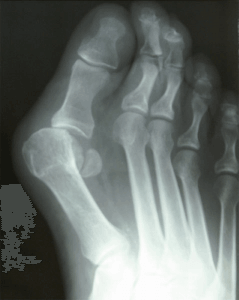
A bunion is a common foot condition I see at my clinic. It is amazing the different sizes and shapes of bunions I have seen during my career. There are a couple of things I have noted during this time. One is that the bunion gets bigger. It does not grow but the bone continues to move out of alignment. Secondly it is easier to fix earlier in the process especially when the other toes are not involved. Lastly, the most important aspect is proper procedure selection. This leads me to my discussion today. The Lapiplasty has really revolutionized bunion surgery.
I was listening to a lecture today and they were discussing the fact that there are over 150 different types of bunion surgery. Most of these techniques are no longer utilized. But this is important because it illustrates how difficult it can be to get long term corrections. This is why I am a fan of the Lapiplasty procedure. The Lapiplasty corrects the bunion at its apex. It helps to realign the bone in all 3 cardinals planes that the body moves in. It has helped surgeons to provide the best correction for the patient and speed recovery. I find this procedure has incredible outcomes and my patients are happy with their results.
If you are suffering from a bunion I can help. I have seen how painful and debilitating these can be. Make an appointment online or give us a call at 425-391-8666
Sincerely,
American College of Foot & Ankle Surgeons
How Can I Prevent Falls From Bed?
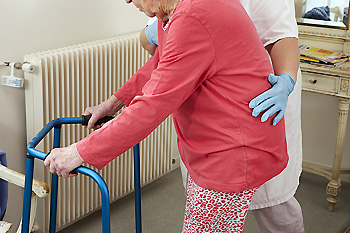
Part of maintaining proper foot health as a senior citizen is ensuring that any potential falls are prevented. This is because falls can cause foot conditions like fractured feet. Something you might consider doing to prevent falls is to think about how you can minimize your risk of falling when getting out of bed. For example, one might try to ensure that all necessary items on the nightstands are within easy reach. Namely, if you sleep with any water or reading materials on your bedside, you could try to make sure they are not too far out of reach. Additionally, one could possibly try to clear the floor area immediately next to the bed. Specifically, seniors could try to remove all of the cords and other debris cluttering the area. If you are a senior or are caring for one, it is suggested that you schedule an appointment with a podiatrist today to learn more about fall prevention.
Preventing falls among the elderly is very important. If you are older and have fallen or fear that you are prone to falling, consult with the podiatrists from Issaquah Foot & Ankle Specialists. Our doctors will assess your condition and provide you with quality advice and care.
Every 11 seconds, an elderly American is being treated in an emergency room for a fall related injury. Falls are the leading cause of head and hip injuries for those 65 and older. Due to decreases in strength, balance, senses, and lack of awareness, elderly persons are very susceptible to falling. Thankfully, there are a number of things older persons can do to prevent falls.
How to Prevent Falls
Some effective methods that older persons can do to prevent falls include:
- Enrolling in strength and balance exercise program to increase balance and strength
- Periodically having your sight and hearing checked
- Discuss any medications you have with a doctor to see if it increases the risk of falling
- Clearing the house of falling hazards and installing devices like grab bars and railings
- Utilizing a walker or cane
- Wearing shoes that provide good support and cushioning
- Talking to family members about falling and increasing awareness
Falling can be a traumatic and embarrassing experience for elderly persons; this can make them less willing to leave the house, and less willing to talk to someone about their fears of falling. Doing such things, however, will increase the likelihood of tripping or losing one’s balance. Knowing the causes of falling and how to prevent them is the best way to mitigate the risk of serious injury.
If you have any questions, please feel free to contact one of our offices located in Issaquah, WA . We offer the newest diagnostic and treatment technologies for all your foot care needs.
Falls Prevention
Elderly Americans are very susceptible to falls as they get older. Everyone experiences decreases in flexibility, balance, strength, and the senses as they age. This correlates to some eye-opening statistics. 1 in 4 Americans aged 65 and older fall each year. An elderly American is being treated for a fall in an emergency room every 11 seconds. In light of these striking statistics, one can see the importance of taking steps to prevent falls.
Finding an exercise program for the elderly is an excellent way to reduce the likelihood of falls. Look for an exercise program that improves strength and balance. Elderly people who live a more sedentary lifestyle, with little physical activity, are at an increased risk of falling. Wearing well-fitted footwear that provides good foot support and cushion will help prevent falls from poorly fitted shoes. Talking to a podiatrist about your susceptibility to falls and about inspecting your prescriptions will help to avoid any medication that could make falls more likely. Due to a decline in the senses among the elderly, having your eyes and hearing checked is recommended.
Around half of all falls occur in the household. Removing tripping hazards in the home and making it more accommodating to older persons can significantly reduce falls. Some notable household changes include increasing lighting around the house, installing grab bars in the shower and bathroom, and making sure the floor is clear of clutter. Other smart options include installing a shower chair, using rubber-bottomed rugs, and placing railings on both sides of stairwells.
Finally, discuss with a doctor and your family about your fear of falling. This will help to increase awareness among the population on the need for fall prevention. A lack of awareness on the matter, and a downplaying of importance are what increase the risks of falling. Following these tips can help to reduce the risk for yourself and your loved ones.
Dr Brandon Nelson, A Board Certified Physician & Surgeon, Discusses Recovery from the Lapiplasty Bunion Surgery
.jpg)
I have seen many types of bunion surgery after operating and practicing now for 15 years. Surgical techniques change and fixation changes and surgery in general tends to improve. What I mean by improvement is outcomes get better with new research and recovery can shorten with new ideas or medical devices. The days of not walking on your surgical foot are behind us. The majority of patients I see and operate on are walking when the can tolerate the swelling and discomfort. This is different from the bunion surgeries of the past.
Historically a lot of the bunions we fixed required a long period of non-weight bearing or even an overnight stay in the hospital. This has really changed with newer techniques and the average surgery for a bunion now is about 2 hours. The other dramatic difference is the majority of patients can walk on their feet after surgery. The longest I typically instruct patients to be off their feet now is about 2 weeks. The big factor in this change is the Lapiplasty procedure and its newer fixation methods.
The Lapiplasty is based on the Lapidus bunionectomy. This is a procedure we have utilized for years with great success. However, newer instruments and fixation have advanced healing and outcomes. I truly love utilizing the lapiplasty to fix bunions and have seen incredible results. If you are suffering from bunion pain I can help! Give me a call at 425-391-8666 or make an appointment online today.
Sincerely,
American College of Foot & Ankle Surgeons
Dr Brandon Nelson, A Board Certified Physician & Surgeon, Discusses How to Fix Your Bunion
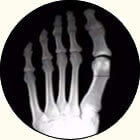
Bunions can be extremely painful. They can make everyday activities uncomfortable. These can be things like running or hiking or climbing or even just trying to wear shoes. The pain is often described as a dull ache or even a burning type sensation. Plenty of patients relate other things like trying to wear a shoe again after being in a sandal all summer or a sudden sharp pain on the bottom of their foot. The symptoms and problems associated with a bunion can be diverse and understanding the pathology can be helpful.
A bunion is not a growth on the side of the foot. Quite a few patients come into the office believing that they have a bony growth that is causing the bunion. However this is a common misconception. The bunion is caused by a change in position of the 1st metatarsal bone. This bone begins to deviate towards the other foot and as it changes position the big toe drifts towards your 5th digit or pinky toe. This deviation gets worse with time. There are factors that influence the bunion. Primarily it is genetics. Your bunion develops because one has a family history of bunions. There are factors that will increase the speed at which it occurs like high heel shoes for example. Eventually it becomes big enough or painful enough to have it fixed.
Fixing a bunion is my specialty. I really enjoy helping patients to get back to the activities they love. Bunion surgery can be relatively straightforward and provide excellent results. The vast majority of bunions can be fixed in 1-2 hours as an outpatient procedure. The surgical recovery depends on the procedure selected and the fixation utilized to repair the bunion. If you are suffering from bunion pain I can help! Give me a call at 425-391-8666 or make an appointment online today.
Sincerely,
American College of Foot & Ankle Surgeons
The Importance of Daily Foot Care
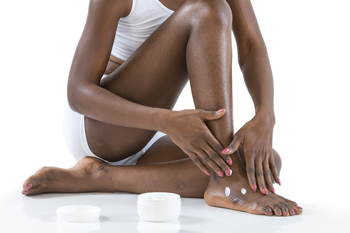
The feet can be a barometer of our health, and like other parts of our bodies, it is important to care for our feet. The feet need to be strong, limber, and stable to perform daily functions, keep us upright, and prevent us from falling. Foot pain is common, yet many of us do not care for our feet as we should. A daily foot routine can go a long way in preventing foot problems. Things to consider doing as part of such a routine include washing, drying, and moisturizing the feet daily, cutting toenails regularly and straight across to prevent ingrown toenails, and wearing shoes that are comfortable and fit well. Examining the feet for brewing issues, such as cuts, growths, or discoloration, is also important. If you would like more information on caring for your feet, it is suggested that you make an appointment with a podiatrist today.
Everyday foot care is very important to prevent infection and other foot ailments. If you need your feet checked, contact the podiatrists from Issaquah Foot & Ankle Specialists. Our doctors can provide the care you need to keep you pain-free and on your feet.
Everyday Foot Care
Often, people take care of their bodies, face and hair more so than they do for their feet. But the feet are a very important aspect of our bodies, and one that we should pay more attention to. Without our feet, we would not be able to perform most daily tasks.
It is best to check your feet regularly to make sure there are no new bruises or cuts that you may not have noticed before. For dry feet, moisturizer can easily be a remedy and can be applied as often as necessary to the affected areas. Wearing shoes that fit well can also help you maintain good foot health, as well as making it easier to walk and do daily activities without the stress or pain of ill-fitting shoes, high heels, or even flip flops. Wearing clean socks with closed shoes is important to ensure that sweat and bacteria do not accumulate within the shoe. Clean socks help to prevent Athlete’s foot, fungi problems, bad odors, and can absorb sweat.
If you have any questions, please feel free to contact one of our offices located in Issaquah, WA . We offer the newest diagnostic and treatment technologies for all your foot care needs.
