




April 2023
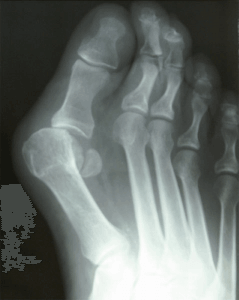
Dr Timothy Young Discusses Bunion Surgeries, Part 2
Dr Timothy Young Discusses Bunion Surgeries, Part 2
Operating Room Preparation
Dr. Young and his staff will prepare the operating room by ensuring that the required equipment is sterilized and ready for use. This includes special surgical instruments that Dr. Young utilizes specifically for bunion correctionsurgery along with other standard surgical instruments. Also, surgical drapes, and other materialsrequired for the surgery. Dr. Young and the surgical team will also put on sterile clothing and gloves to reduce the risk of infection
Surgical Procedure
At the time of surgery, the correct surgical location is verified. IV antibiotics are administered by the anesthesia staff. The foot is prepped by a surgical scrub tech. Dr. Young will then do a final antibacterial scrub, in combination with sterile drapes placed around the foot isolated and protect the foot from infection.
Dr. Young will then start by making incisions on the foot to access the bunion. Dr. Young is careful and meticulous going down through the soft tissue layers over the bunion. Enlargement of the bunion itself (bone) is removed. Dr. Young then performs the bunion realignment surgery. You can think of this as resetting the bones like a surgical fracture. Just like a fracture, once the new position is exactly where Dr. Young wants it, he then uses any needed combination of pins screws and plates to maintain the correction. The hardware (screws plates and or pins) is used to hold the bones in place during the healing process.
This is also where the art of surgery comes in. For example, after realigning the first metatarsal, if the great toe is still out alignment, then additional correction is necessary. This needs to be done at the time of surgery. Additional release of lateral soft tissue structures can be done. An additional procedure called an Akin can be done. There are several options, and this is where it is critical to make sure that the foot is fully corrected before the dressings go on and the surgery is complete. Dr. Young will also use intraoperative fluoroscopy (which is a form of x-rays) to verify the bones and correction are exactly where he wants them. When our patients first see their bunion correction after surgery. We want to make sure that they are happy, and that the bunion is fully corrected. This also helps to minimize the risk of recurrence of a bunion.
If you are experiencing foor or ankle pain, give us a call at 425-391-8666 or make an appointment online.
Dr Timothy Young Discusses Bunion Surgeries
Dr Timothy Young Discusses Bunion Surgeries in Detail, Part 1
Bunion surgery is a common procedure performed by Dr Timothy Young and other Foot Surgeons to correct a bunion deformity. A bunion is usually combination of the first metatarsal being out of alignment and bony bump that forms on the joint at the base of the big toe. This can cause pain and discomfort when walking or wearing shoes. The bunion correction surgery itself usually takes 1-2 hours. The surgeon’s preparation for bunion surgery requires planning ahead and, requires attention to detail. In this blog, we will go over the steps that Dr. Young and other foot surgeons take to prepare for the best bunion treatment and the best bunion surgery.
Patient Evaluation
Before any bunion surgery, Dr. Young will evaluate the patient's medical history, medications, and overall health to make sure that our patients are good surgical candidates. Dr. Young will also examine the patient's foot to determine the severity of the bunion, the extent of the deformity, and the type of bunion surgery that would be most appropriate. For example, some patients have a severe bunion deformity and require a Lapidus or Lapiplasty procedure. Some patients have extreme adaptation of the great toe joint and require a procedure that realigns the joint. Some bunions are mild and yet the joint is not flexible and for this, decompressing the joint is an effective treatment. These evaluations come from both physically examining the foot, and imaging evaluation.
Imaging Tests
The surgeon will typically order imaging tests such as X-rays, CT scans, or MRI scans to get a better understanding of the bunion’s structure and position. This information will help the surgeon plan the surgery and determine the best approach to correcting the deformity. Dr. Young uses digital x-rays which allow for precise measurements and preoperative planning that can be done right on the computer.
Anesthesia Planning
Dr. Young will discuss the anesthesia options before surgery. Dr. Young often utilizes local anesthetic combined with MAC anesthesia (monitored anesthesia with conscious sedation). Other options include general anesthesia, regional anesthesia, or local anesthesia. The type of anesthesia can be discussed prior to surgery and will depend upon the patient's medical history and the type of foot surgery and the extent of bunion surgery. With MAC anesthesia combined with local anesthetic, the patient is still conscious and breathing on their own (not intubated). This is more like a twilight sleep and the patient's recovery extremely fast, and we can avoid the typical side effects that can be encountered with the general anesthetic.
The preoperative visit:
Dr. Young's patients come in the week prior to surgery to help them prepare for surgery. We will discuss details of the surgery itself and how to care for the foot after bunion surgery and if crutches or a special boot will be required. Also, the patient's medical history and medications are reviewed. Some medications will be avoided prior to surgery. Usually, the patient will be required to fast prior to surgery and need to make driving arrangements after the procedure. Our patients are given a special antibacterial scrub to do at home prior to surgery.
If you are experiencing foor or ankle pain, give us a call at 425-391-8666 or make an appointment online.
How to Care for Your Arthritic Foot
Arthritis is an inflammation of the joints and it can occur at any joint in the body, especially in the foot. It generally effects those who are older, however, it can occur at any age. Although there are many different forms of arthritis, there are three main types that occur in the foot. The three types are osteoarthritis, rheumatoid arthritis, and gout.
The primary cause of osteoarthritis is aging. As you age, cartilage degenerates around the joints which causes friction and pain. Obesity can cause osteoarthritis through mechanical stress. Injuries that damage joints can increase the probability as well. Finally, a family history of osteoarthritis can also increase chances of having it.
Rheumatoid arthritis occurs when the immune system attacks the joint linings and weakens them over a long time. While there is no known cause of rheumatoid arthritis, obesity and smoking can increase your chances of getting it. Women are also more likely to get it than men.
Gout is a form of arthritis that occurs when there is too much uric acid in your blood and painful crystals form in your joints. Men are more likely to have gout than women. People who are obese or drink alcohol often are also more likely to develop gout. Furthermore, having diabetes, heart disease, high blood pressure, high cholesterol, gastric bypass surgery or a family history of gout may increase your likelihood of developing the condition.
Symptoms of arthritis include pain, stiffness, swelling in the joints. These symptoms can make it harder and more painful to walk. Physical activity can increase pain and discomfort. Furthermore, joint pain can worsen throughout the day for osteoarthritis. Gout attacks generally last several days with the first few being the worst.
Diagnosis of gout includes either a joint fluid test or a blood test. X-ray imaging can detect osteoarthritis but not gout. On the other hand, there is no blood test for osteoarthritis. Rheumatoid arthritis is difficult to diagnosis. Doctors utilize family and personal medical history, a physical examination, and antibody blood tests to determine if you have rheumatoid arthritis.
Treatment varies for the different kinds of arthritis. Anti-inflammatory medication or steroids can help reduce pain from inflammation of the joints. Changing shoe types can help with some symptoms. Wider shoes can help with discomfort from gout and osteoarthritis. High heels should be avoided. Shoes with proper arch support and that take pressure off the ball of the foot can help with rheumatoid arthritis. Drinking lots of water can also help rid uric acid from the blood. Losing weight, improving your diet, and limiting alcohol and smoking can also help prevent or lessen the symptoms of arthritis.
If you are having trouble walking or pain in your feet, see a podiatrist to check if you have arthritis.
Early Signs of Arthritis
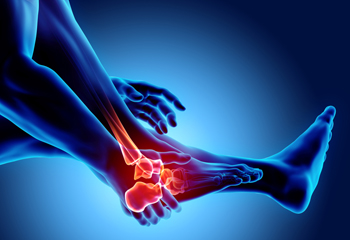
Joint pain may be common for those who participate in high intensity sports. It can be caused by injury to muscles, tendons, and ligaments. However, continued pain may be a sign that arthritis is developing. Though it is more common for one to get arthritis with age, it is also something that can gradually develop if repeated injuries happen and proper healing does not take place. There are different types of arthritis, and they fall into the two main categories known as inflammatory arthritis and osteoarthritis. Inflammatory arthritis results from a systemic disease where the body’s immune system attacks its own joints and tissues. Rheumatoid arthritis is an example of inflammatory arthritis, and is a symmetrical problem that affects both sides of the body at the same time. Osteoarthritis is a degenerative ailment that comes from wear and tear on joints over time. This is a typical type of arthritis that can affect the big toe. If you are experiencing joint pain in your feet, it is suggested that you contact a podiatrist who can properly diagnose whether arthritis is the cause and offer treatment options.
Arthritis can be a difficult condition to live with. If you are seeking treatment, contact the podiatrists from Issaquah Foot & Ankle Specialists. Our doctors can provide the care you need to keep you pain-free and on your feet.
Arthritic Foot Care
Arthritis is a term that is commonly used to describe joint pain. The condition itself can occur to anyone of any age, race, or gender, and there are over 100 types of it. Nevertheless, arthritis is more commonly found in women compared to men, and it is also more prevalent in those who are overweight. The causes of arthritis vary depending on which type of arthritis you have. Osteoarthritis for example, is often caused by injury, while rheumatoid arthritis is caused by a misdirected immune system.
Symptoms
- Swelling
- Pain
- Stiffness
- Decreased Range of Motion
Arthritic symptoms range in severity, and they may come and go. Some symptoms stay the same for several years but could potentially get worse with time. Severe cases of arthritis can prevent its sufferers from performing daily activities and make walking difficult.
Risk Factors
- Occupation – Occupations requiring repetitive knee movements have been linked to osteoarthritis
- Obesity – Excess weight can contribute to osteoarthritis development
- Infection – Microbial agents can infect the joints and trigger arthritis
- Joint Injuries – Damage to joints may lead to osteoarthritis
- Age – Risk increases with age
- Gender –Most types are more common in women
- Genetics – Arthritis can be hereditary
If you suspect your arthritis is affecting your feet, it is crucial that you see a podiatrist immediately. Your doctor will be able to address your specific case and help you decide which treatment method is best for you.
If you have any questions please feel free to contact one of our offices located in Issaquah, WA . We offer the newest diagnostic tools and technology to treat your foot and ankle needs.
Dr Brandon Nelson, A Board-Certified Physician & Surgeon Discusses Heel Pain That Will Not Go Away
Heel pain is by far the most common thing I see in the office. The number one cause is still being plantar fasciitis. Most patients with heel pain will have resolution of their pain within a month of seeing me. However, there is a small percentage of patients that do not get better and further work up is warranted. We call these patients the outliers or red herrings. There are about 2 main causes of outliers or red herrings. These are nerve issues, i.e., Baxter’s neuritis or a stress fracture.
Baxter’s neuritis is not as common as plantar fasciitis. It is basically an entrapment of a nerve near the heel. The nerve becomes irritated and compressed. The symptoms can be similar to plantar fasciitis. The most common symptom seems to be burning in the heel. Burning or tingling are often associated with nerve pain. Usually, a nerve conduction study is required to diagnose this entrapment. Once it is diagnosed sometimes a local injection of the nerve can help or a prescription orthotic to offload the area can be quite helpful. Baxter’s neuritis differs from a stress fracture in presentation usually.
A stress fracture of the heel bone or calcaneus both can cause heel pain however usually in different areas. With the stress fracture it is usually a constant pain that is a dull ache or throb. Additionally, there is often an increase in training that has resulted in a stress fracture. Usually, a stress fracture will require an MRI and most resolve with time and protected weight bearing. If you are suffering from heel pain, especially if it has been going on for more than a couple weeks I can help. If you are experiencing foot or ankle pain, give us a call at 425-391-8666 or make an appointment online.
Sincerely,
Dr Brandon Nelson, A Board-Certified Physician & Surgeon Discusses the Best Time to Have Bunion Surgery
Bunion surgery can be highly rewarding for patients. When you have a bunion that causes pain daily or pressure in the shoe it is a great time to think about having it fixed. Having a bunion fixed these days is easy and it is done in an outpatient setting.
Timing for some patients is critical. Many patients want to plan around a certain time of year or holiday. I personally believe that timing plays a big role and when it is easier in one’s life is a great idea. What I mean is we can all be busy and certain times of the year are less busy. Or for some certain times or the year are more important to patients. If you are a big skier and winter sports are important, do it in the summer or vice versa. Timing can be crucial but planning I feel is just as important.
Planning can also be extremely important. I recommend thinking about being a couch potato for the 1st week and making sure you are prepared for that. I think it is best to have food prepared, a place set up downstairs if that is appropriate, basically a command center you can live and work in. A place with a bathroom nearby and any way you can minimize having to get up and move around. Recovery is probably the next item we should talk about after planning.
Recovery varies by procedure and what other procedures were done. It can be as quick as walking in a normal shoe in 6 weeks or more like 19 weeks. Some procedures you will need to be on crutches as needed for pain others you may need them for 6 weeks. One could be running around 3 months but others it may be longer. It is important to be patient and allow adequate healing to occur and know it can often take up to 1 year. If you are suffering from heel pain, especially if it has been going on for more than a couple weeks I can help. If you are experiencing foot or ankle pain, give us a call at 425-391-8666 or make an appointment online.
Sincerely,
Elderly Foot Care
As you grow older, you will start to notice more problems with your feet due to wear and tear. This may also happen because the skin will start to become thin and lose elasticity. Some signs of aging feet are regular aches and pains, bunion development, and clawed toes.
Fortunately, there are ways you can improve comfort, relieve pain, and maintain mobility in your feet. One of the best ways to deal with aging feet is to exercise. If you keep active, your muscles will become toned which will then strengthen the arches in the foot and stimulate blood circulation.
It is important that you practice proper foot care to protect your aging feet. You should wash your feet in warm water on an everyday basis. Afterward, the feet need to be dried well and it is important to dry between the toes. Your toenails should be trimmed and kept under control; nails that are poorly cut may become ingrown. At the end of each day, performing an inspection of your feet will allow you to detect any ailments in their early stages.
As you grow older, it becomes more important that you wear comfortable shoes. Your shoes should be secure, and they should provide decent arch support. If you are looking to buy a new pair of shoes, it is best to look for a pair that are made from a breathable material. It is also helpful to have shoes that have a bit of extra room at the top of the shoe, especially if you suffer from swollen feet.
The most common foot problems that elderly people will encounter are bunions, calluses, corns, hammertoes, heel pain, and foot problems related to diabetes. Some other issues include arch pain, tarsal tunnel syndrome, Achilles tendonitis, and Morton’s neuroma
An annual foot examination is a great way for you to ensure that you do not have any serious health problems with your feet. You should talk to a podiatrist about the available treatment options for whichever foot issue you are dealing with.
Foot Care Tips for Seniors
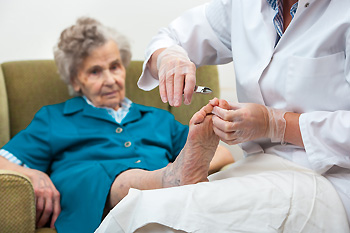
Healthy feet allow seniors to stay independent longer. Foot care is essential to reaching this goal and keeping senior feet comfortable and healthy. Since the feet take one through a lifetime of mobility, it stands to reason that aging feet need extra attention. Over time, feet become flatter and wider. The fatty padding on the foot naturally wears down, and the bones and joints are exposed to more wear and tear. Simple foot problems, like blisters, can interfere with mobility and balance in older adults. More serious foot conditions, like ingrown toenails, sprains, or fractures, can increase the risk of falling and result in various health conditions. Simple foot care tips to help keep feet as healthy as possible include washing, drying, and moisturizing the feet daily, trimming nails straight across, and examining the feet for abnormalities, such as sores. Wearing properly fitted shoes that are sturdy and low-heeled is recommended. If you are an older person or taking care of one, it is suggested that you include a podiatrist among the doctors you visit to monitor any problems brewing and continue caring for the feet.
Proper foot care is something many older adults forget to consider. If you have any concerns about your feet and ankles, contact the podiatrists from Issaquah Foot & Ankle Specialists. Our doctors can provide the care you need to keep you pain-free and on your feet.
The Elderly and Their Feet
As we age we start to notice many changes in our body, but the elder population may not notice them right away. Medical conditions may prevent the elderly to take notice of their foot health right away. Poor vision is a lead contributor to not taking action for the elderly.
Common Conditions
- Neuropathy – can reduce feeling in the feet and can hide many life-threatening medical conditions.
- Reduced flexibility – prevents the ability of proper toenail trimming, and foot cleaning. If left untreated, it may lead to further medical issues.
- Foot sores – amongst the older population can be serious before they are discovered. Some of the problematic conditions they may face are:
- Gouging toenails affecting nearby toe
- Shoes that don’t fit properly
- Pressure sores
- Loss of circulation in legs & feet
- Edema & swelling of feet and ankles
Susceptible Infections
Diabetes and poor circulation can cause general loss of sensitivity over the years, turning a simple cut into a serious issue.
If you have any questions, please feel free to contact one of our offices located in Issaquah, WA . We offer the newest diagnostic and treatment technologies for all your foot care needs.
How to Care for Diabetic Foot
Millions of people are affected by diabetes each year. Diabetes damages blood vessels in all parts of the body, especially the feet. The legs and feet may develop slow blood flow, which causes neuropathy, or nerve damage. Once a diabetic patient develops neuropathy, it is important that the feet are well taken care of. Otherwise, the lower limbs may have to be amputated. This only happens in drastic cases, but it shows how seriously diabetic foot care should be taken.
It is very important to always wash and dry the feet thoroughly, especially in between the toes, if you’re a diabetic. Secondly, examining your feet and toes for redness or sores must be done, even if you do not feel pain. You may also want to examine your feet from the bottom. Try to avoid wearing colored socks to prevent infections that may occur from the dye. Well-fitting socks are also highly recommended.
A diabetic’s physician should always monitor their blood levels to test how well blood sugars are being maintained. In addition to giving advice about everyday eating habits and foot care, a physician may prescribe medicine to help with the diabetic patient’s neuropathy. It is also advised to see a podiatrist if experiencing any feet conditions. Toenails may also need to be taken care of by a podiatrist. This prevents patients from cutting too deeply around their cuticles, which can lead to infection.
A person can take care of their feet at home by following the instructions of their physician. Using creams on one’s feet is also an effective way to heal dryness. Proceed with caution when using tools to remove calluses, as severe diabetics may not be able to feel pain on their feet. If any complications arise do not hesitate to contact a podiatrist.
On a daily basis, diabetic feet must be checked. If you are ever concerned about something, contact your health care professional. You never want to wait until a wound becomes too severe to treat. If left untreated, gangrene may develop. Gangrene is a serious infection that can lead to sepsis or amputation. It is also important for diabetics to be on the lookout for ulcers. Ulcers are sores that develop from tissue loss on the skin. They can be quite painful and require intensive treatment. Early treatment and everyday inspection are imperative to staying healthy.
Effective Diabetic Foot Care Routines
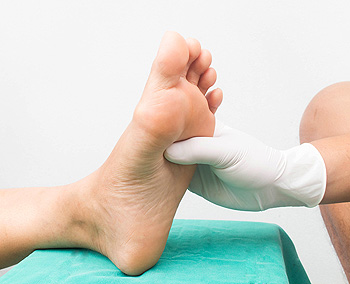
Diabetes is a serious health condition that may eventually affect the feet. It is a common occurrence among diabetic patients, and keeping a close eye on blood sugar levels may help to prevent diabetic foot ulcers. People who have diabetes may be prone to developing neuropathy, which is nerve damage that is caused by high sugar levels. This can cause the inability to feel existing cuts, bruises, or scrapes that have developed, increasing the importance of performing daily self examinations. This can be done by using a mirror to detect small cuts, or an available family member or caregiver may be able to assist with this. Diabetic foot care consists of trimming the toenails weekly and washing and drying the feet thoroughly. It is beneficial to refrain from participating in activities that can injure the feet, in addition to wearing shoes and socks that fit correctly. The risk of developing foot conditions may be reduced when glucose levels are controlled by being closely monitored. If you have diabetes, it is strongly suggested that you are under the care of a podiatrist who can help you to manage this condition.
Diabetic foot care is important in preventing foot ailments such as ulcers. If you are suffering from diabetes or have any other concerns about your feet, contact the podiatrists from Issaquah Foot & Ankle Specialists. Our doctors can provide the care you need to keep you pain-free and on your feet.
Diabetic Foot Care
Diabetes affects millions of people every year. The condition can damage blood vessels in many parts of the body, especially the feet. Because of this, taking care of your feet is essential if you have diabetes, and having a podiatrist help monitor your foot health is highly recommended.
The Importance of Caring for Your Feet
- Routinely inspect your feet for bruises or sores.
- Wear socks that fit your feet comfortably.
- Wear comfortable shoes that provide adequate support.
Patients with diabetes should have their doctor monitor their blood levels, as blood sugar levels play such a huge role in diabetic care. Monitoring these levels on a regular basis is highly advised.
It is always best to inform your healthcare professional of any concerns you may have regarding your feet, especially for diabetic patients. Early treatment and routine foot examinations are keys to maintaining proper health, especially because severe complications can arise if proper treatment is not applied.
If you have any questions, please feel free to contact one of our offices located in Issaquah, WA . We offer the newest diagnostic and treatment technologies for all your foot care needs.
