




February 2023
Are Swollen Ankles Normal During Pregnancy?
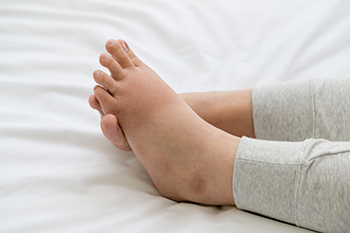
Having swollen feet and ankles is common during pregnancy. Some women refer to their swollen ankles as "cankles." The swelling can be quite evident in the third trimester, especially toward the end of the pregnancy. This is because of the increased blood and fluids the body produces while pregnant, which is necessary to support the growing fetus. It is suggested during pregnancy to drink plenty of water daily, avoid crossing your legs, and limit salt intake and time spent in the heat to help mitigate swollen feet and ankles. It is also helpful to elevate the feet, wear comfortable shoes, and engage in a gentle, consistent exercise routine. If you have questions about how your pregnancy can affect your feet, it is suggested that you confer with a podiatrist who can provide you with helpful relief tips.
Pregnant women with swollen feet can be treated with a variety of different methods that are readily available. For more information about other cures for swollen feet during pregnancy, consult with the podiatrists from Issaquah Foot & Ankle Specialists. Our doctors will attend to all of your foot and ankle needs.
What Foot Problems Can Arise During Pregnancy?
One problem that can occur is overpronation, which occurs when the arch of the foot flattens and tends to roll inward. This can cause pain and discomfort in your heels while you’re walking or even just standing up, trying to support your baby.
Another problem is edema, or swelling in the extremities. This often affects the feet during pregnancy but tends to occur in the later stages.
How Can I Keep My Feet Healthy During Pregnancy?
- Wearing orthotics can provide extra support for the feet and help distribute weight evenly
- Minimize the amount of time spent walking barefoot
- Wear shoes with good arch support
- Wear shoes that allow for good circulation to the feet
- Elevate feet if you experience swelling
- Massage your feet
- Get regular, light exercise, such as walking, to promote blood circulation to the feet
If you have any questions, please feel free to contact one of our offices located in Issaquah, WA . We offer the newest diagnostic and treatment technologies for all your foot care needs.
Pregnancy and Foot Health
Many pregnant women complain about foot pain while they are expecting. Foot pain can primarily be caused by weight gain and hormonal changes taking place in the body. By understanding how pregnancy impacts the health of a woman's feet, a pregnant woman can take action to keep her feet as healthy and comfortable as possible.
Because a woman's weight changes during pregnancy, more pressure is brought to bear on both the legs and the feet. This weight shift can cause two major foot problems: over-pronation, also known as flat feet, as well as edema, which is swelling of the feet. Over-pronation occurs when the arch of the foot flattens, causing the foot to roll inwards when the individual is walking, and can aggravate the plantar fascia tissues located along the bottom of the feet. If these tissues become inflamed, a pregnant woman can experience pain in the heel of the foot as well as severe foot pain while walking or standing. Swelling of the feet, or edema, often occurs in the later stages of pregnancy. It is caused by slow circulation and water retention, and may turn the feet a light purple color.
To keep feet in good health and prevent over-pronation, pregnant women should avoid walking barefoot and be sure they are wearing shoes that offer good arch support. A device known as an orthotic can be added to regular footwear in order to provide additional support for the feet during pregnancy. Any expectant mother whose feet hurt should first check to see if the shoes she is wearing are old, worn out and not offering the proper support necessary for distributing the weight of her body during pregnancy.
To treat edema of the feet, a good start is to wear quality footwear which offers support and good circulation. Keep feet elevated whenever possible by using a foot stool while seated. Stay well hydrated by drinking plenty of water to prevent water retention in the feet. Any swelling that occurs in only one foot should be examined as soon as possible by a podiatrist.
Good foot health during pregnancy can help expectant mothers avoid foot pain that leads to other health problems. Massaging the feet and doing regular gentle exercise like walking aids foot health by contributing to good circulation. Supportive shoes are also a good investment that will support foot health during pregnancy.
Alternatives to Pain Medications
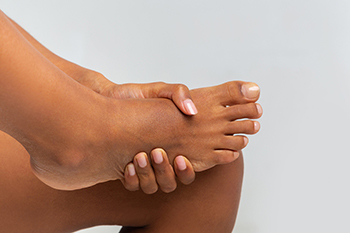
Pain is a characteristic of many foot problems. While pain medications are easy to grab, there are other pain relievers that can be used instead of, or in conjunction with, medications. Using ice packs and warm foot soaks can help soothe and relax sore and aching feet. Foot massages can do the same by reducing tension and improving circulation, but one should take care not to massage an injured foot. If you have injured your foot or do not know what has caused the pain that you are feeling, it is suggested that you see a podiatrist who can do a thorough examination of your feet and provide the best treatment for proper healing.
Foot Pain
Foot pain can be extremely painful and debilitating. If you have a foot pain, consult with the podiatrists from Issaquah Foot & Ankle Specialists. Our doctors will assess your condition and provide you with quality foot and ankle treatment.
Causes
Foot pain is a very broad condition that could be caused by one or more ailments. The most common include:
- Bunions
- Hammertoes
- Plantar Fasciitis
- Bone Spurs
- Corns
- Tarsal Tunnel Syndrome
- Ingrown Toenails
- Arthritis (such as Gout, Rheumatoid, and Osteoarthritis)
- Flat Feet
- Injury (from stress fractures, broken toe, foot, ankle, Achilles tendon ruptures, and sprains)
- And more
Diagnosis
To figure out the cause of foot pain, podiatrists utilize several different methods. This can range from simple visual inspections and sensation tests to X-rays and MRI scans. Prior medical history, family medical history, and any recent physical traumatic events will all be taken into consideration for a proper diagnosis.
Treatment
Treatment depends upon the cause of the foot pain. Whether it is resting, staying off the foot, or having surgery; podiatrists have a number of treatment options available for foot pain.
If you have any questions, please feel free to contact one of our offices located in Issaquah, WA . We offer the newest diagnostic and treatment technologies for all your foot care needs.
Foot Pain
The feet, being the foundation of the body, carry all of the body’s weight and are therefore prone to experiencing pain and discomfort. If you are experiencing foot pain, it is important to determine where in the foot you are experiencing this pain to help discover the cause of it. While pain can be experienced virtually anywhere in the foot, the most common sites of foot pain are in the heel and ankle.
Heel pain can be due to a multitude of conditions including plantar fasciitis, Achilles tendinitis, and heel spurs. Pain experienced in the ankle can be a sign of an ankle sprain, arthritis, gout, ankle instability, ankle fracture, or nerve compression. In more serious cases, pain in the foot can be a sign of improper alignment or an infection.
Foot pain can be accompanied by symptoms including redness, swelling, stiffness and warmth in the affected area. Whether the pain can be described as sharp or dull depends on the foot condition behind it. It is important to visit your local podiatrist if your foot pain and its accompanying symptoms persist and do not improve over time.
Depending on the location and condition of your foot pain, your podiatrist may prescribe certain treatments. These treatments can include but are not limited to prescription or over-the-counter drugs and medications, certain therapies, cortisone injections, or surgery.
If you are experiencing persistent foot pain, it is important to consult with your foot and ankle specialist to determine the cause and location. He or she will then prescribe the best treatment for you. While milder cases of foot pain may respond well to rest and at-home treatments, more serious cases may take some time to fully recover.
A Lump in the Arch of the Foot
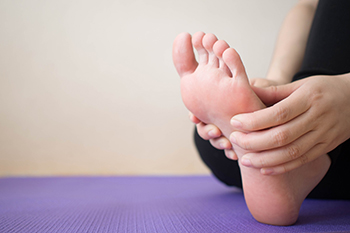
A lump in the arch of the foot may indicate a plantar fibroma has developed. It is defined as a nodule that forms in the arch, and is found inside the plantar fascia, which is the portion of tissue that connects the heel to the toes. This is a benign condition, but it may cause pain and discomfort. Studies have shown it can be caused by genetic reasons or by a foot injury. Additionally, certain medical conditions can make some patients prone to developing a plantar fibroma. These can include diabetes, epilepsy, or liver disease. Many people have found relief by massaging the affected foot and keeping weight off of it as best as possible. If you have a lump on your foot, please consult with a podiatrist who can effectively diagnose and treat a plantar fibroma.
A plantar fibroma may disrupt your daily activities. If you have any concerns, contact the podiatrists of Issaquah Foot & Ankle Specialists. Our doctors can provide the care you need to keep you pain-free and on your feet.
Plantar Fibroma
A plantar fibroma is a fibrous knot in the arch of the foot. It is embedded in the plantar fascia which is a band of tissue that extends from the heel to the toes along the bottom of the foot. There can be multiple plantar fibromas in the feet at the same time. There are no known causes for this condition. If you have a plantar fibroma, there will be a bump in the arch of your foot that cannot be missed. Any associated pain is most often due to a shoe rubbing against the nodule. Non-surgical options, such as steroid injections, physical therapy, and orthotics should be tried first. Surgery is a last resort and is the only thing that will remove a plantar fibroma entirely. Consult with a podiatrist for a proper diagnosis and to determine the treatment regimen that is right for you.
What Causes a Plantar Fibroma?
While there are no specific causes identified, a plantar fibroma can possibly come from genetic predisposition or the formation of scar tissue that forms from healing the tears in the plantar fascia.
What Are the Symptoms of a Plantar Fibroma?
There will be a noticeable lump in the arch of the foot that may or may not cause pain. If pain is felt, it is typically because a shoe is rubbing up against the lump or when walking or standing barefoot.
Treatment and Prevention
A plantar fibroma will not disappear without treatment, but it can get smaller and be a non-issue. If pain persists, a podiatrist examines the foot and when the arch of the foot is pressed, pain can be felt down to the toes. An MRI or biopsy might be performed to help diagnose or evaluate the plantar fibroma. The following non-surgical options are generally enough to reduce the size and pain of these nodules:
- Steroid injections
- Orthotics
- Physical therapy to help apply anti-inflammatory creams on the bump
Surgery is considered if the mass increases in size and the patient continues to feel pain after non-surgical methods are tried.
If you have any questions, please feel free to contact one of our offices located in Issaquah, WA . We offer the newest diagnostic and treatment technologies for all your foot care needs.
Plantar Fibroma
A plantar fibroma is a knot in the arch of the foot. It can cause pain when repeated pressure is applied by walking barefoot or wearing tight shoes. While plantar fibromas can appear in anyone, men who are middle-aged or older are said to be more susceptible. The main symptom of a plantar fibroma is a firm lump on the arch of the foot. If there is pain, it can be intensified by putting pressure on the nodule. The lump can stay one size or grow larger. You may have one or more fibromas in the feet and there tends to be a high incidence of recurring plantar fibromas. Generally, a plantar fibroma can be treated without surgery. Treatment might include steroid injections to help shrink the lump, orthotics to help redistribute weight away from the nodule, plantar fascia stretching, or physical therapy to help use anti-inflammatory medication on the lump. If a lump grows larger or more painful, a podiatrist can be consulted to confirm the diagnosis. The doctor will palpate the lump and this may cause pain that can be felt all the way to the toes. An X-ray, MRI, or biopsy might be done if further evaluation is necessary. A lump in the arch of the foot might be something other than a plantar fibroma, such as cysts, nerve or fatty tumors, swollen tendons, or an infection in the foot. It is important to see a podiatrist for proper diagnosis and treatment of plantar fibromas.
Dr Brandon Nelson, A Board Certified Physician & Surgeon, Finds the Lapiplasty Surgical Procedure for Bunions to be Highly Successful
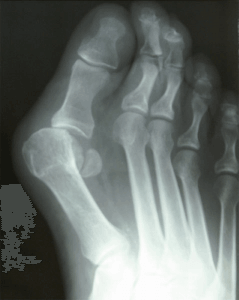
I have been operating on bunions now for over 15 years and have seen all sizes and shapes of bunions. It is interesting to see the techniques that have come in and out of favor. I have had an opportunity to watch as the Lapiplasty has moved to the forefront of surgical procedures for bunion correction. I believe this is a great option for bunion repair and am excited to see what the future holds in regard to the Lapiplasty.
I find the Lapiplasy highly successful for large bunions or patients with flatfeet. The Lapiplasty provides great correction and faster recovery. It is an easily reproducible procedure with gigs and guides to help with correction. It provides for stable fixation and allows for early weight bearing. It can be used at all ages and helps to maintain long term correction. The system is revolutionary for surgeons and has taken years to develop.
I can say I am excited to continue using this system and to help my patients with bunions. It is wonderful to have a tool set like the Lapiplasty at my surgery center and to help so many patients walk normally again. If you have been contemplating bunion correction I would love to share this exciting new technology with you. Give us a call today at 425-391-8666 or make an appointment online today.
Sincerely,
Dr Brandon Nelson, A Board Certified Physician & Surgeon, Founder of the Washington Heel Pain Center
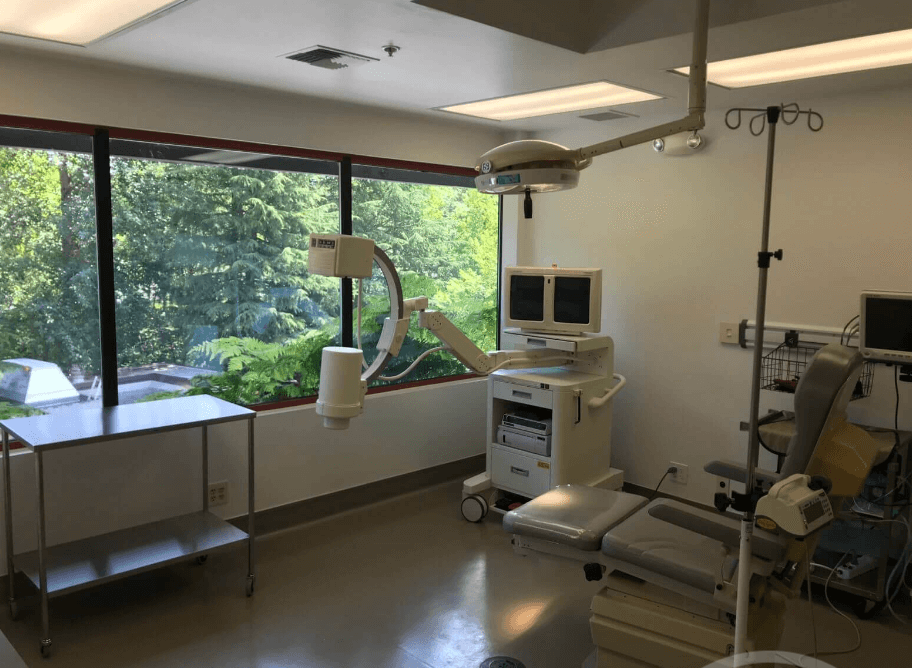
When I created the Washington Heel Pain Center I was excited to bring my years of treating heel pain to patients. I had seen and even experienced heel pain from all types of pathology and was ready to provide the best possible care for heel pain. Heel pain continues to be the most common reason for a patient to visit our clinic and we still provide the best care in Washington, Issaquah, Bellevue and Seattle. There are even offices now that have tried to imitate our heel pain center.
However, being the first heel pain center in Washington and the longest running heel pain center in Washington we continue to provide the best possible care. We have the most advanced technology to diagnose and cure heel pain. Our center provides the latest treatment options available to get patients pain free quickly and back to their favorite activities. Patients come to us from all over the Northwest including Alaska, Canada, Oregon and Idaho.
If you suffer from heel pain I can help. I see the average patient improve their symptoms by 50-70% in a week with my protocol. If you are in pain with every step or have pain when getting out of bed or after rest I can help. If you are experiencing foot or ankle pain, give us a call today at 425-391-8666 or make an appointment online today.
Sincerely,
Dr. Timothy Young, a Board-Certified Foot Surgeon, Discusses Insertional Achilles Tendon Problems
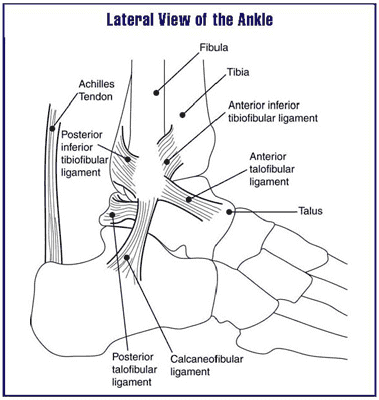
Dr. Timothy Young, a Board-Certified Foot Surgeon, Discusses Insertional Achilles Tendon Problems
Especially very large areas of calcification with men. Although women can get a condition that similar but different called a Haglund deformity. In this case it is the bone on the posterior aspect of the calcaneus that protrudes and can be aggravated by the adjacent Achilles tendon and not intratendon calcification. In the early stages this is very treatable. As time goes on and there are large areas of calcification, they can cause chronic problems. As I mentioned, in the early stages this response to some of the classic treatments for Achilles problems. That means a special brace, orthotics to decrease the workload and side to side mechanical shearing of the tendon at the insertion point, calf stretching and related treatments, and shockwave therapy. The later stages the same treatments are often still helpful, but they may not offer full relief. These are the individuals that often require surgery. The surgery involves access to the back of the Achilles insertion point with removal of the calcific portions and then reattachment of the tendon itself. The healing process for this can be similar to an Achilles rupture. There are new anchors that help to give more reliable surgical reattachment of the Achilles to the underlying bone.
If you are experiencing foot or ankle pain, give us a call at 425-391-8666 or make an appointment online today.
Dr. Timothy Young, a Board-Certified Foot Surgeon Discusses Tendinosis
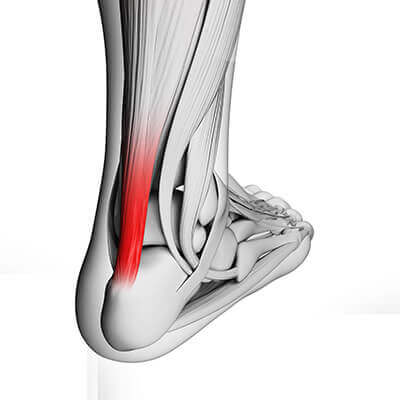
The most effective treatments for this include prescription orthotics to address the mechanics and to reduce the mechanical shearing within the tendon. Calf stretching and a night splint can be very effective. KT tape is a useful adjunct for this problem. Shockwave therapy is extremely helpful for this condition. Some individuals will require surgery for this. This can involve removing some of the damaged portion of the tendon, and it can also involve lengthening the tight calf muscle with the gastrocnemius recession.
If you are experiencing foot or ankle pain, give us a call at 425-391-8666 or make an appointment online today.
