




November 2023
The Importance of Biomechanics in Podiatry
Biomechanics and its related study deal with the forces that act against the body and affect things like our movement. In podiatry, biomechanics are studied to determine the movement of the ankle, toes, and the foot, as well as the forces that impact them. Podiatrists who train in this specialty are able to effectively diagnose and treat conditions that affect people’s everyday movement.
Regardless of your lifestyle, age, or any other factors, many people experience foot problems throughout their lives. Twists and turns, improper balance, and added weight are just a few of the things that can add stress to the feet. These issues can also limit our bodies’ mobility that we often take for granted. Pain in the feet and ankles can also trickle up towards the lower legs, knees, hip, and even back area. This affects the way you move around on a daily basis.
Biomechanics and its related study deal with forces that act against the body and affect things like our movement. In podiatry, biomechanics are studied to determine the movement of the ankle, toes, and the foot, as well as the forces that impact them. Podiatrists who train in this specialty are able to effectively diagnose and treat conditions that affect people’s everyday movement.
Regardless of your lifestyle, age, or any other factors, many people experience foot problems throughout their lives. Twists and turns, improper balance, and added weight are just a few of the things that can add stress to the feet. These issues can also limit our bodies’ mobility that we often take for granted. Pain in the feet and ankles can also trickle up towards the lower legs, knees, hip, and even back area. This affects the way you move around on a daily basis.
The history of studying biomechanics dates back to ancient Egypt at around 3000 B.C., where evidence of professional foot care has been recorded. Throughout the centuries, advances in technology, science, and an understanding of the human body led to more accurate diagnosis of conditions such as corns for example. In 1974, biomechanics garnered a large audience when Merton Root founded Root Lab to make custom orthotics. He proposed that corrections of certain conditions could be implemented to gain strength and coordination in the area. Due to his research, we still use his basic principle of foot orthotics to this day.
As technology has improved, so have the therapeutic processes that allow us to correct deficiencies in our natural biomechanics. Computers can now provide accurate readings of the forces, movements, and patterns of the foot and lower leg. Critical treatment options can be provided to patients now who suffer from problems that cause their biomechanics to not function naturally. The best results are now possible thanks to 3D modeling and computing technologies that can take readings and also map out what treatment will do to the affected areas.
These advanced corrective methods were able to come to light thanks to an increase in both the technologies surrounding biomechanics and also the knowledge of how they work naturally. For example, shoe orthotics are able to treat walking inabilities by realigning the posture deviations in patients caused by hip or back problems. Understanding foot biomechanics can help improve movement and eliminate pain, stopping further stress to the foot. Speak with your podiatrist if you have any of these problems.
How the Bones in the Feet Work Together

Our feet, remarkable in their complexity, house a network of 26 bones each, expertly coordinated to support our body weight and facilitate movement. These bones can be categorized into three main groups, notably the tarsal bones in the ankle, the metatarsals in the arch, and the phalanges in the toes. Tarsal bones, including the heel bone, or calcaneus, and the talus, provide stability and shock absorption. The metatarsals form the longitudinal arch of the foot and act as a lever for propulsion, while the phalanges allow dexterity and balance. Ligaments, tendons, and muscles work in harmony to control these bones and facilitate various movements. The interplay of these bones enables the foot's natural shock-absorbing mechanism, dissipating the forces generated during walking, running, or jumping. Proper alignment and functioning of these bones are essential for maintaining foot health and overall well-being. Understanding the intricate mechanics of the foot's bone structure can help us appreciate the importance of foot care and the significance of maintaining proper posture and gait. If you would like to know more about the biomechanics of the feet, it is suggested that you consult a podiatrist who can provide you with useful information.
If you have any concerns about your feet, contact the podiatrists from Issaquah Foot & Ankle Specialists. Our doctors can provide the care you need to keep you pain-free and on your feet.
Biomechanics in Podiatry
Podiatric biomechanics is a particular sector of specialty podiatry with licensed practitioners who are trained to diagnose and treat conditions affecting the foot, ankle and lower leg. Biomechanics deals with the forces that act against the body, causing an interference with the biological structures. It focuses on the movement of the ankle, the foot and the forces that interact with them.
A History of Biomechanics
- Biomechanics dates back to the BC era in Egypt where evidence of professional foot care has been recorded.
- In 1974, biomechanics gained a higher profile from the studies of Merton Root, who claimed that by changing or controlling the forces between the ankle and the foot, corrections or conditions could be implemented to gain strength and coordination in the area.
Modern technological improvements are based on past theories and therapeutic processes that provide a better understanding of podiatric concepts for biomechanics. Computers can provide accurate information about the forces and patterns of the feet and lower legs.
Understanding biomechanics of the feet can help improve and eliminate pain, stopping further stress to the foot.
If you have any questions please feel free to contact one of our offices located in Issaquah, WA . We offer the newest diagnostic and treatment technologies for all your foot and ankle needs.
Ankle Fracture? Don’t Wait for Treatment

If you're suffering from an ankle fracture, professional attention shouldn't wait. Fractures may worsen over time and can make completing everyday activities incredibly difficult. See your specialist for treatment and guidance through the healing process.
Dr Brandon Nelson, A Board-Certified Physician & Surgeon Discusses How To Best Treat Your Morton’s Neuroma
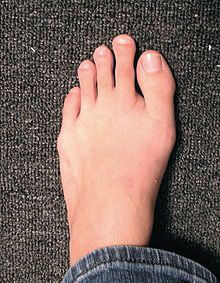
Morton’s neuromas can be extremely painful for many people. I think nerve pain is one of the most challenging pathologies to treat. I see quite a few patients each week with neuromas. I find there are a few things that can make a big difference in neuroma pain. Let’s review them and see if we can help you if you are experiencing nerve pain or neuroma pain.
Neuromas are very susceptible to alcohol injection therapy. This is one of the best available treatment options we have currently. This technique has been around for about 30 years and the literature reports an average success rate of 89%. I have been utilizing it now for about 15 years and find it highly effective for patients. The average patient needs 4-6 injections about 2 weeks apart. I have even had great success with stump neuromas and patients that have tried many other conservative treatments.
Orthotics can be a big help as well. I am not talking about a shoe insert, or something over the counter or at a shoe store. These are prescription orthotics devices made by a physician. A gait analysis and overall biomechanical examination needs to be done to identify causes contributing to the nerve irritation. I like to utilize a 3-D scan of the foot to get an extremely accurate copy of the foot structure. I find active people do well with these devices and find significant pain relief.
Nerve supplements and laser, FDA approved laser, can also be used to help nerve pain. We currently have a laser that has shown extremely promising results with no complications. I like to combine nerve supplements with laser and infra-red-light therapy. The best part of this is no interference with any other medications, no down time, and no side effects.
If you have a neuroma, I can help, call to make an appointment with me at 425-391-8666 or schedule an appointment online.
Sincerely,
American College of Foot & Ankle Surgeons
Dr Timothy Young Discusses What to Expect After Lapiplasty Bunion Surgery: Road to Recovery
.jpg)
Dr Timothy Young Discusses What to Expect After Lapiplasty Bunion Surgery: Road to Recovery
Introduction
Bunions, those painful bony bumps that form at the base of the big toe, can be incredibly uncomfortable and limit your mobility. For those who have chosen to undergo bunion surgery to alleviate the pain and discomfort, it's important to be well-prepared for what comes next. In this blog, we'll discuss what to expect after bunion surgery including Lapiplasty bunion surgery and provide insights into the recovery process to help you make the journey as smooth as possible.
Day of Surgery
1. Arrival at the Surgery Center: On the day of your surgery, you'll arrive at the surgery center, where you will be prepped for the procedure. The medical team will ensure you're comfortable and informed about the process.
Anesthesia: Bunion surgery is typically performed under local anesthesia with sedation. You'll discuss this with your surgeon before the procedure.
The Surgical Procedure: The surgery usually takes approximately 2 hours, depending on the complexity. The surgeon will make incisions, remove the bunion, and realign the toe joint. With the Lapiplasty procedure there will be 2 plates. With some the other Lapidus procedures there may be 2 or possibly 3 screws.
Recovery Timeline
1. Post-Operative Recovery Room: After the surgery, you'll spend some time in the recovery, where the medical staff will monitor your vital signs and ensure you're comfortable.
Returning Home: Most patients return home on the same day of surgery.
The First Weeks After Surgery
1. Pain Management: Expect some pain and discomfort, which is normal after bunion surgery. Your surgeon will prescribe pain medication to help manage this. Follow their instructions carefully.
Swelling and Bruising: Swelling and bruising are common. You can use ice packs and elevate your foot to reduce swelling.
Dressings and Bandages: You will have a dressing on your foot to protect the incision. Keep it clean and dry. Your surgeon will give you instructions on when to change the dressings.
2. Weight-bearing timeline. This varies from patient to patient.
First 2 weeks with the Lapiplasty typically you are using a scooter or crutches and keeping weight off.
Week number 3 – 6 you progressively bear weight with your boot.
If you are experiencing foot or ankle pain, give us a call today at 425-391-8666 or make an appointment online.
