




October 2023
Advantages of In-Office Surgical Procedures
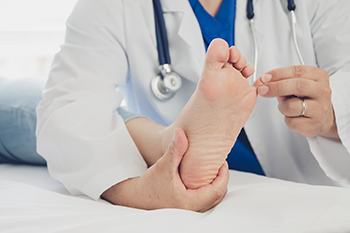
In-office surgery is an evolving trend in podiatry, offering numerous benefits for both patients and their doctors. This type of procedure can be less expensive and time-consuming, as well as more convenient, for both. In-office surgery eliminates the need for patients and podiatrists to travel to hospitals or ambulatory surgical centers, which can save a lot of time. Also, having certain procedures performed at your podiatrist’s office may be the perfect solution for patients seeking more affordable options for their foot health needs. In addition, medical advancements, such as mini C-arms and the use of local anesthesia, contribute to a safer surgical environment. Plus, in-office surgery procedures often can reduce patient anxiety because they are viewed as being easier and less costly. Many common foot conditions, such as bunions, nail problems, neuromas, and warts, can be effectively treated in the podiatrist’s office. It is thought that about 80 percent of podiatry surgical cases fall into this category. To find out more about in-office surgery, it is suggested that you consult your podiatrist to see what options are available.
Foot surgery is sometimes necessary to treat a foot ailment. To learn more, contact the podiatrists of Issaquah Foot & Ankle Specialists. Our doctors will assist you with all of your foot and ankle needs.
When Is Surgery Necessary?
Foot and ankle surgery is generally reserved for cases in which less invasive, conservative procedures have failed to alleviate the problem. Some of the cases in which surgery may be necessary include:
- Removing foot deformities like bunions and bone spurs
- Severe arthritis that has caused bone issues
- Cosmetic reconstruction
What Types of Surgery Are There?
The type of surgery you receive will depend on the nature of the problem you have. Some of the possible surgeries include:
- Bunionectomy for painful bunions
- Surgical fusion for realignment of bones
- Neuropathy decompression surgery to treat nerve damage
Benefits of Surgery
Although surgery is usually a last resort, it can provide more complete pain relief compared to non-surgical methods and may allow you to finally resume full activity.
Surgical techniques have also become increasingly sophisticated. Techniques like endoscopic surgery allow for smaller incisions and faster recovery times.
If you have any questions, please feel free to contact one of our offices located in Issaquah, WA . We offer the newest diagnostic and treatment technologies for all your foot care needs.
Foot and Ankle Surgery
When conservative, noninvasive methods prove ineffective, surgery may be selected as the next course of action for the treatment of your foot or ankle condition. A wide number of foot and ankle surgical procedures exist, and it is up to your podiatrist to determine which intervention will be most appropriate and helpful for your case. Some surgical procedures include bunion surgery, fusion, hammertoe surgery, heel spur surgery, metatarsal surgery, nail surgery, neuroma surgery, reconstructive surgery, skin surgery, and tendon surgery. Typically, surgery is turned to as a definitive way to alleviate excessive pain or discomfort and to return your foot to full mobility.
Regardless of the location on the body, all surgical procedures require preoperative testing and examination to ensure the surgery’s success and preferred outcome. A review of your medical history and medical conditions will take place, as will an evaluation of any current diseases, illnesses, allergies, and medications. Tests such as blood studies, urinalyses, EKG, X-rays, and blood flow studies may be ordered. Because the procedure involves the foot and/or ankle, the structures of your feet while walking may also be observed by your podiatrist.
Care post-surgery will depend on the type of surgical procedure performed. Typically, all postoperative care involves rest, ice, compression, and elevation. To improve and ensure a safe recovery, your foot and ankle surgeon may also employ the use of bandages, splints, surgical shoes, casts, crutches, or canes. He will also determine if and when you can bear weight. A timely and thorough recovery is a priority for both you and your podiatrist, and carefully following postoperative instructions can help achieve this.
Dr Brandon Nelson, A Board-Certified Physician & Surgeon Discusses Burning Pain in Your Heel
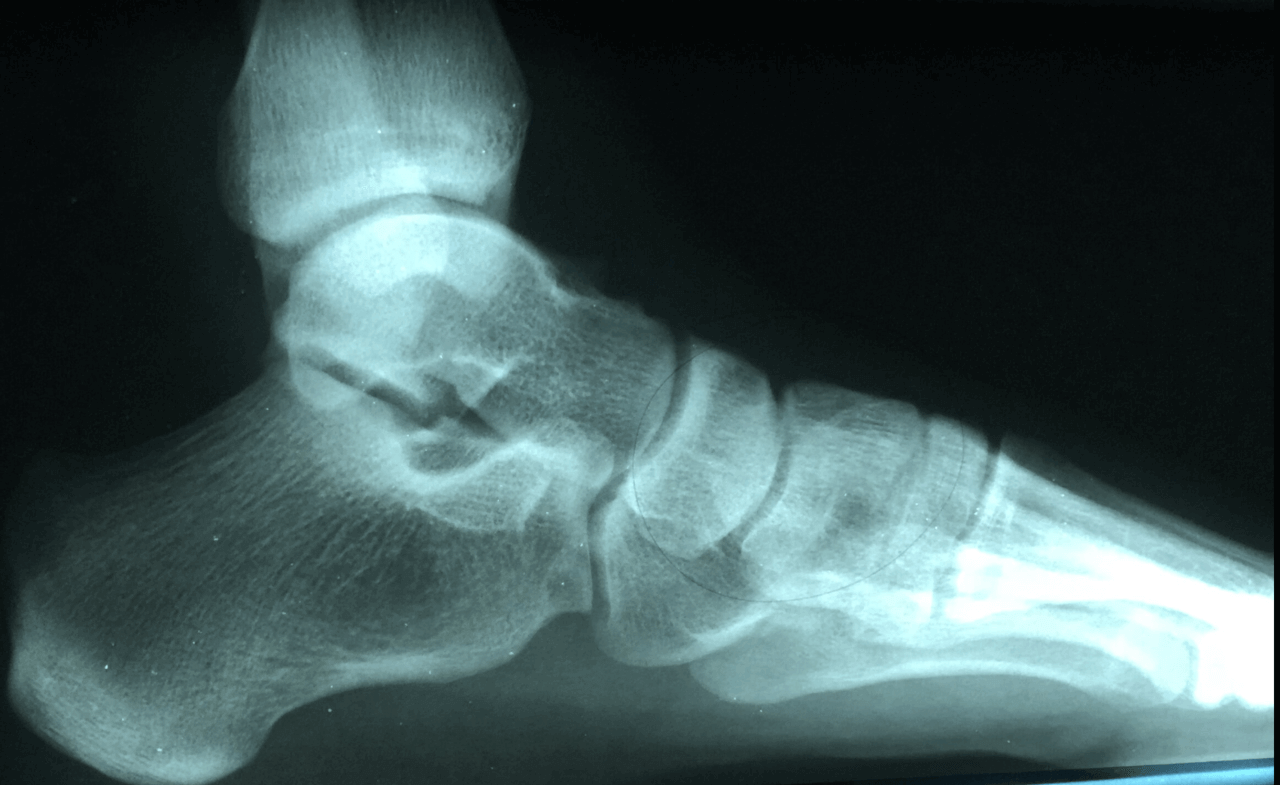
Have you experienced burning in your heel? Does your heel feel like it is on fire? Are you getting pins and needles in your heels? This could be a condition called Baxter’s neuritis or an entrapped nerve in your foot. This can often be confused with plantar fasciitis and the two can be difficult to distinguish.
I saw a few patients this last week that had Baxter’s neuritis and it made me want to write a few words about it. This condition was brought to popularity by Dr Baxter and prior to that this pathology was often thought of as plantar fasciitis. It should be noted that many patients I see have both conditions present. The most notable difference seems to be the burning pain and radiating nerve pain that can be reproduced by tapping the nerve. However, a nerve study can be helpful to confirm the diagnosis and help with planning treatment.
There are a few conservative measures that can provide pain relief. Orthotics, injections, and some medications prove to be successful. However, some patients do not find any improvement and surgical decompression of the nerve is done at that point. The constricting structures around the nerve are freed up and the pain typically resolves. I always recommend trying conservative measures first before considering surgical intervention.
If you have burning heel pain I can help, call to make an appointment with me at 425-391-8666 or schedule an appointment online.
carpet cleaning seattle
Sincerely,
American College of Foot & Ankle Surgeons
How to Prevent Running Injuries
Overtraining and overusing the feet are the main causes of common running injuries. A number of these common injuries are caused by overrunning. Runner’s knee is a condition that is characterized by the back of the kneecap beginning to wear away and cause pain in the knee. This frequently occurs due to either a decrease in strength in the quadriceps muscles or ill-fitting shoes that are lacking in proper support for the inside of the forefoot. Strengthening exercises focusing on the quad muscle and sports orthotics are the usual treatments for those suffering from runner’s knee. Prevention of the condition lies in a focus on hip strengthening and quad-strengthening to keep the kneecap aligned. To help learn the best exercise to heal runner’s knee, one can also undergo physical therapy.
One common injury, called iliotibial band syndrome, is often caused by overtraining. This condition occurs when the iliotibial band gets irritated, creating pain and discomfort in the outside knee area. Plantar fasciitis, another common running injury, also occurs as a result of inflammation and irritation. Plantar fasciitis is an inflammation and irritation of the bone in the foot. A large amount of pain is often experienced due to plantar fasciitis. The condition can be caused by a high arch, improper footwear, tight muscles, or flat feet. It can best be avoided by stretching and wearing appropriate footwear that supports the foot.
Another common injury for runners is stress fractures. These injuries occur due to running style, overtraining, or a lack of calcium. Stress fractures most often occur in several locations in runners, including the inner bone of the leg, the thighbone, the bone at the base of the spine and the bones of the toes. Stress fractures are best prevented by wearing proper footwear and by running on flat and hard surfaces; this will absorb some of the shock created during running.
Aside from overtraining, other causes of common running injuries include ill-fitting footwear, a lack of flexibility and strength, and irregular biomechanics. The best way to avoid running injuries is to prevent them from even occurring. Both iliotibial band syndrome and stress fractures are preventable. The first step that should be taken to prevent running injuries is to only wear footwear that fits properly and that is appropriate for whatever activity you are doing. Running shoes are the only protective gear available to runners that can safeguard them from sustaining injuries. Choosing the right pair of shoes is therefore extremely important. While running shoes are an important factor, it is also important to consider other facets of your running routine such as training schedules, flexibility, and strengthening. These elements should be considered and altered according to your running needs to best maximize your run and minimize the possibility of injury. Careful stretching before and after a run should also be considered to help prevent running injuries. Stretching muscles enables greater flexibility and a lesser chance of sustaining injury.
Essential Exercises to Prevent Running Injuries
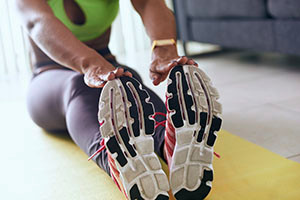
Running is an excellent way to stay fit and enjoy the great outdoors, but it can also come with the risk of injuries. Fortunately, there are specific exercises you can incorporate into your routine to reduce the likelihood of these setbacks. Strengthening your lower body muscles, particularly the quadriceps, hamstrings, and glutes can help stabilize your legs and absorb shock more effectively. Lunges, squats, and calf raises are all beneficial exercises. Additionally, it is important to prioritize core strength. A strong core helps maintain proper running form, reducing strain on your limbs and joints. Planks and bridges are excellent exercise choices for building core stability. Flexibility is another key factor in injury prevention. Regular stretching, especially for the calves, hamstrings, and hip flexors, can improve your range of motion and reduce the risk of strains. Balance exercises, such as single-leg stands and stability ball exercises, can enhance your coordination and reduce the risk of sprains. Incorporating these exercises into your regular regimen can keep you injury-free and can help you to enjoy running for years to come. If you would like more information on what exercises and stretches to perform that can help prevent running injuries, it is suggested that you speak with a podiatrist who can provide you with useful tips.
Exercising your feet regularly with the proper foot wear is a great way to prevent injuries. If you have any concerns about your feet, contact the podiatrists of Issaquah Foot & Ankle Specialists. Our doctors will treat your foot and ankle needs.
How to Prevent Running Injuries
Many common running injuries are caused by overuse and overtraining. When the back of the kneecap starts wearing out and starts causing pain in your knee, this is commonly referred to as runner’s knee. Runner’s knee is a decrease in strength in your quadriceps and can occur if you’re not wearing properly fitted or supporting shoes. To prevent runner’s knee, focusing on hip strengthening is a good idea, as well as strengthening your quads to keep the kneecaps aligned.
What Are Some Causes of Running Injuries?
- One cause of a common running injury is called iliotibial band syndrome.
- Plantar fasciitis is also another common injury.
- Stress fractures can occur from overtraining, lack of calcium, or even your running style.
Best Ways to Prevent Running Injuries
- Wear footwear that fits properly and suits your running needs.
- Running shoes are the only protective gear that runners have to safeguard them from injury.
- Make a training schedule. Adding strengthening exercises as well as regular stretching can help keep you strong and limber and can lessen the possibility of injuries.
- Stretching keeps muscles limber; this will help you gain better flexibility.
If you have any questions, please feel free to contact one of our offices located in Issaquah, WA . We offer the newest diagnostic and treatment technologies for all your foot care needs.
Preventing Running Injuries
Over half of all runners encounter at least one injury per year. The reason for this is because many runners do not train properly. Injuries are almost inevitable due to the physical stress that running causes. While our bodies are great at adapting to the stress, it can only handle it in small doses. Injuries occur when the stress is applied too quickly for the body to handle, causing something within it to break down. With each step you take, your leg is absorbing two or three times your body’s weight.
Some of the most popular running injuries are shin splints, plantar fasciitis, Achilles tendinitis, and stress fractures. Shin splints cause pain along the inside or outside of the shins, and this pain is usually felt at the beginning of a run. The condition itself is defined as an inflammation of the muscles or tendons located around the shinbone. To treat shin splints, it is advised that you ice the shin area and stretch the calf muscles. To prevent this injury, you should slowly increase the distance you plan on running, instead of jumping into a more strenuous routine.
Achilles tendinitis is another common injury and it feels like pain along the back of the leg, toward the heel. This condition is defined as an inflammation of the Achilles which is the largest tendon in the body. The Achilles is responsible for connecting your calf muscles to the heel bone and it is caused by tight calf muscles. If you want to treat this injury, you should take a break from running to cross train with a low-impact activity.
There are a lot of common mistakes runners make that are causing them to experience injury. One mistake is stretching too much prior to warming up. If you plan to go on a run, you should warm up with a gentle 3-5-minute walk followed by a 5-minute run-walk. Another common mistake is jumping into a routine too quickly. Consequently, you should incorporate cross-training into your routine. If you are looking to get active, you should slowly weave running into an activity you are currently participating in. For example, you can try bike riding for 40 minutes followed by a 10-minute run.
Another way to prevent running injuries is to choose shoes that are appropriate for running. There are certain things you should look for when buying a new pair of running shoes. An important factor in these sneakers is flexibility. Running shoes should be capable of bending and flexing at the forefoot. However, you should not be able to bend the entire shoe in half with ease because this is a sign that the shoe does not have enough structure. Additionally, you should look for the fit of the running shoes you want to purchase. It is best to visit a specialty running shoe store to have your feet properly sized. Choosing shoes that fit properly can prevent many foot ailments.
If you are suffering from any pain from running injuries, you should make an appointment with your podiatrist to discover the underlying cause of your pain. He or she will be able to help treat your condition in the best way possible.
Dr Brandon Nelson, Discusses the Lapiplasty Procedure for The Best Possible Correction of a Bunion
Dr Brandon Nelson, Discusses the Lapiplasty Procedure for The Best Possible Correction of a Bunion
Bunions can be quite painful for people especially as they get larger and make it difficult to fit in shoes. Bunions tend to get bigger as time goes on and eventually push the other toes out of alignment. But what can be done to stop the bunion or even slow it down?
Many people want to know what can be done from a conservative standpoint to slow a bunion. I have seen all sorts of devices to pull the toes around to try and straighten a bunion. But, it should be known that the bunion is a bony pathology that is related to a change in position of the bone. This makes it impossible to apply something to the outside of the foot to fix a bone on the inside. However, there are a few things that can slow down a bunion. Most important is to understand a bunion gets larger the more pressure that is exerted on it.
Meaning the more you walk the bigger the bunion gets. This is where conservative therapy begins. The best now measure to intervene here is a prescription orthotic for bunion correction. I am not talking about an insert from a shoe store or online this must be done by a physician. This is a prescription medical device where biomechanical measurements and 3-D measurements of the foot are taken. The good news about this is most insurances cover this device as long as it is prescribed by your foot and ankle physician.
Surgical correction is the ultimate stop gate to the bunion getting bigger. There are many options for surgical correction but the one moving to the forefront of medicine today is the Lapiplasty. This procedure is based upon the Lapidus which has been utilized for almost 100 years. This is a tried and true method for getting amazing bunion correction and providing lasting results. If you have a bunion I can help. Give me a call at 425-391-8666 or make an appointment online today.
Sincerely,
Dr Brandon Nelson
Dr. Timothy Young Discusses Shockwave Therapy for Achilles Tendonitis: A Promising Treatment Option
Introduction
Achilles tendonitis is a common and painful condition that affects the Achilles tendon, the thick cord that connects the calf muscles to the heel bone. This condition often results from overuse or repetitive stress, causing pain, swelling, and stiffness in the back of the ankle. While conservative treatments like rest, physical therapy, and anti-inflammatory medications can help manage Achilles tendonitis, some cases may require more advanced interventions. Shockwave therapy is one of the newer treatment options for resistant Achilles tendonitis.
In this blog post, I will discuss what shockwave therapy is, how it works, its benefits, and its effectiveness in treating Achilles tendonitis.
What is Shockwave Therapy?
Shockwave therapy, also known as extracorporeal shockwave therapy (ESWT), is a non-invasive medical procedure that uses high-energy acoustic waves to stimulate healing and tissue repair. Originally developed to break down kidney stones, this technology has found its place in sports medicine, offering a promising alternative for various musculoskeletal conditions, including Achilles tendonitis.
How Does Shockwave Therapy Work?
Shockwave therapy works by delivering high-energy sound waves to the affected area, creating microtrauma within the damaged tendon. This microtrauma triggers the body's natural healing response, increasing blood flow, promoting collagen production, and stimulating tissue regeneration. In the case of Achilles tendonitis, shockwave therapy targets the degenerated tissue and encourages the formation of healthy tendon fibers.
Benefits of Shockwave Therapy for Achilles Tendonitis
1. Non-Invasive: Shockwave therapy is a non-surgical and non-invasive treatment option, making it suitable for patients who want to avoid surgery or those who have not responded well to conservative treatments.
2. Reduced Pain: Many patients experience a significant reduction in pain after shockwave therapy, which can improve their overall quality of life and enable them to return to their normal activities.
3. Accelerated Healing: Shockwave therapy accelerates the natural healing process by promoting tissue repair and regeneration, allowing patients to recover faster.
4. Minimal Side Effects: Compared to surgery, shockwave therapy carries fewer risks and side effects. It generally has a much shorter recovery time and does not require a lengthy rehabilitation period.
Effectiveness of Shockwave Therapy
Numerous studies and clinical trials have examined the effectiveness of shockwave therapy for Achilles tendonitis, and the results have been promising. It is important to note that individual responses to the treatment may vary, and not all patients will experience the same level of relief.
In a typical treatment plan, patients receive multiple shockwave sessions over several weeks (typically 1X/week for 5 weeks). Each session lasts around 15-20 minutes, and most patients report improvement in pain and function after completing the recommended treatment course.
It's essential to consult with a qualified healthcare professional who can evaluate your specific condition and determine if shockwave therapy is a suitable option for you.
Conclusion
Achilles tendonitis can be a debilitating condition that hinders daily activities and sports performance. While traditional treatments have their merits, shockwave therapy offers a promising alternative for those who seek non-invasive and effective solutions.
Before considering shockwave therapy, it's crucial to consult with a healthcare provider who can assess your condition, discuss treatment options, and tailor a plan that best suits your needs. With the potential to reduce pain, accelerate healing, and improve overall quality of life, shockwave therapy may be the answer for many individuals suffering from Achilles tendonitis
If you are experiencing foot or ankle pain, give us a call today at 425-391-8666 or make an appointment online.
Medical Causes of Cracked Heels
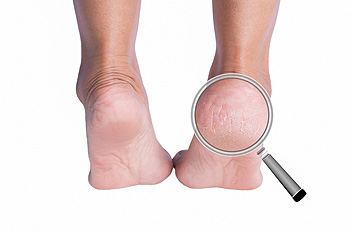
Cracked heels, though often viewed as a cosmetic concern, can be indicative of underlying medical issues. One common medical cause is dry skin or xerosis, which leads to the skin on the heels losing its moisture and elasticity, making it prone to cracking. Conditions such as eczema and psoriasis can exacerbate this dryness, intensifying heel fissures. Another medical culprit is athlete's foot, a fungal infection that can cause dry, flaky, and cracked skin not only on the feet but also between the toes. Peripheral neuropathy, a condition affecting nerve function, can lead to dry skin and decreased sweat production, contributing to heel cracking. Furthermore, systemic diseases like diabetes and thyroid disorders can impair skin health, making individuals more susceptible to cracked heels. Addressing the medical causes of cracked heels often involves treating the underlying condition. Additionally, practicing proper foot care, such as moisturizing and wearing appropriate footwear may help to manage cracked heels. If you have this condition, it is strongly suggested that you are under the care of a podiatrist who can offer prescribed medication as a successful treatment tool.
Cracked heels are unsightly and can cause further damage to your shoes and feet. If you have any concerns, contact the podiatrists from Issaquah Foot & Ankle Specialists. Our doctors can provide the care you need to keep you pain-free and on your feet.
Cracked Heels
Cracked heels appear unappealing and can make it harder for you walk around in sandals. Aside from looking unpleasant, cracked heels can also tear stockings, socks, and wear out your shoes. There are several methods to help restore a cracked heel and prevent further damage.
How Do You Get Them?
Dry skin is the number one culprit in creating cracked heels. Many athletes, walkers, joggers, and even swimmers suffer from cracked heels. Age and skin oil production play a role to getting cracked heels as well.
Promote Healing
Over the counter medicines can help, especially for those that need instant relief or who suffer from chronic dry feet.
Wear Socks – Wearing socks with medicated creams helps lock in moisture.
Moisturizers – Applying both day and night will help alleviate dryness which causes cracking.
Pumice Stones – These exfoliate and remove dead skin, which allows for smoother moisturizer application and better absorption into the skin.
Change in Diet
Eating healthy with a well-balanced diet will give the skin a fresh and radiant look. Your body responds to the kinds of food you ingest. Omega-3 fatty acids and zinc supplements can also revitalize skin tissue.
Most importantly, seek professional help if unsure how to proceed in treating cracked heels. A podiatrist will help you with any questions or information needed.
If you have any questions, please feel free to contact one of our offices located in Issaquah, WA . We offer the newest diagnostic and treatment technologies for all your foot care needs.
Solutions for Cracked Heels
Cracked heels can make life very frustrating and embarrassing when displaying the bare feet. Aside from being unpleasing to the eye, they can also tear stockings and socks and wear out shoes at a faster rate. When severe, cracked heels may cause pain or infection.
Cracked heels are a problem for those who are athletic, those who may walk a lot, and those who have especially dry skin. Those who use medication that dry the skin, those who swim often, wearing certain types of shoes, and those who are diabetic may have trouble with cracked heels. Seniors whose skin produces less oil may also have trouble with cracked feet. There is no one way to develop cracked feet, and there is no cure.
Today, the market consists of numerous products that have a variety of ingredients to promote healing. Some of these are over-the-counter. Others are prescribed by a doctor, especially for those who have chronic dry feet and heels.
Some doctors recommend wearing socks at night for those with rough skin. This helps further healing, and helps creams stay on longer and better absorb into the skin.
One way to alleviate dryness that causes cracked heels is by using moisturizers both day and night. Another way is to make sure the skin is clean and dry at all times. Using a pumice stone to buff away dead skin before putting on moisturizer can also help. Cracked heels will not respond to the cream unless the outer layer of skin is first removed through exfoliation. After exfoliation, lotion or ointment will be absorbed by the skin more easily.
Foods that produce healing and balance can also help the skin from within. Everything that is put into the body can either help it or hurt it. Taking supplements of omega-3 fatty acids and zinc can also be very beneficial.
Nevertheless, not all products are guaranteed to help treat cracked feet. Seeing a professional is best if other treatments options were unsuccessful. A podiatrist should be able to give the best advice to help with this problem.
