




August 2022
Dr. Brandon Nelson, A Board Certified Physician & Surgeon, Discusses Bunion Surgery and the Lapiplasty
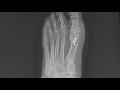
Bunion surgery is the most common type of surgery I perform. I really enjoy correcting bunions and the outcome can be very satisfying for both the patient and physician. There are many types of bunion procedures that can be executed. Procedure selection is based on the size of the bunion, the patient and overall foot structure. It is important to have an overall foot exam and an x-ray.
What are Achilles Tendon Injuries
The Achilles tendon is the strongest tendon in the human body. Its purpose is to connect the lower leg muscles and calf to the heel of the foot. This tendon is responsible for facilitating all types of movement, like walking and running. This tendon provides an enormous amount of mobility for the body. Any injuries inflicted to this tissue should be immediately brought up with a physician to prevent further damage.
The most common injuries that can trouble the Achilles tendon are tendon ruptures and Achilles tendinitis. Achilles tendinitis is the milder of the two injuries. It can be recognized by the following symptoms: inflammation, dull-to-severe pain, increased blood flow to the tendon, thickening of the tendon, and slower movement time. Tendinitis can be treated via several methods and is often diagnosed by an MRI.
An Achilles tendon rupture is trickier to heal, and is by far the most painful injury. It is caused by the tendon ripping or completely snapping. The results are immediate and absolutely devastating, and will render the patient immobile. If a rupture or tear occurs, operative and non-operative methods are available. Once the treatment begins, depending on the severity of the injury, recovery time for these types of issues can take up to a year.
Simple preventative measures can be taken as a means to avoid both injuries. Prior to any movement, taking a few minutes to stretch out the tendon is a great way to stimulate the tissue. Calf raises, squats, leg curls, leg extensions, leg raises, lunges, and leg presses are all suggested ways to help strengthen the lower legs and promote Achilles tendon health.
Many problems arise among athletes and people who overexert themselves while exercising. Problems can also happen among those who do not warm up properly before beginning an activity. Proper, comfortable shoes that fit correctly can also decrease tendon injuries. Some professionals also suggest that when exercising, you should make sure that the floor you are on is cushioned or has a mat. This will relieve pressure on the heels. A healthy diet will also increase tendon health.
It is very important to seek out a podiatrist if you believe you have an injury in the Achilles region. Further damage could result in severe complications that would make being mobile difficult, if not impossible.
Symptoms of an Achilles Tendon Rupture

The Achilles tendon plays an integral role in the functioning of the feet. The tendon essentially connects the calf muscle to the heel bone, facilitating movement of all kinds. Since this tendon is so important, suffering an Achilles tendon injury is nothing to take lightly. An Achilles tendon rupture occurs in an individual when the tendon is stretched or torn. Typically, the tendon can stretch or tear when a person is running and they accelerate their pace too quickly. The symptoms that an individual might feel after suffering from an Achilles tendon rupture can vary. Generally speaking, however, an individual with this tendon rupture is likely to feel pain that comes in sharp, sudden bursts. This pain is typically felt in the ankle or calf. Additionally, if you are suffering from an Achilles tendon rupture, you might sense a feeling of swelling where the Achilles tendon is located, between the heel bone and the calf. Lastly, another common symptom of an Achilles tendon rupture is experiencing discomfort and difficulty when moving the feet. Specifically, walking and moving the toes can be particularly difficult. If you suspect that you have ruptured your Achilles tendon, contact your podiatrist immediately.
Achilles tendon injuries need immediate attention to avoid future complications. If you have any concerns, contact the podiatrists of Issaquah Foot & Ankle Specialists. Our doctors can provide the care you need to keep you pain-free and on your feet.
What Is the Achilles Tendon?
The Achilles tendon is a tendon that connects the lower leg muscles and calf to the heel of the foot. It is the strongest tendon in the human body and is essential for making movement possible. Because this tendon is such an integral part of the body, any injuries to it can create immense difficulties and should immediately be presented to a doctor.
What Are the Symptoms of an Achilles Tendon Injury?
There are various types of injuries that can affect the Achilles tendon. The two most common injuries are Achilles tendinitis and ruptures of the tendon.
Achilles Tendinitis Symptoms
- Inflammation
- Dull to severe pain
- Increased blood flow to the tendon
- Thickening of the tendon
Rupture Symptoms
- Extreme pain and swelling in the foot
- Total immobility
Treatment and Prevention
Achilles tendon injuries are diagnosed by a thorough physical evaluation, which can include an MRI. Treatment involves rest, physical therapy, and in some cases, surgery. However, various preventative measures can be taken to avoid these injuries, such as:
- Thorough stretching of the tendon before and after exercise
- Strengthening exercises like calf raises, squats, leg curls, leg extensions, leg raises, lunges, and leg presses
If you have any questions please feel free to contact one of our offices located in Issaquah, WA . We offer the newest diagnostic tools and technology to treat your foot and ankle needs.
What is Morton's Neuroma?
Morton’s neuroma, (also referred to as Morton’s metatarsalgia, Morton’s neuralgia, plantar neuroma or intermetatarsal neuroma) is a condition that is caused when the tissue around one of the nerves between your toes begins to thicken. This thickening can result in pain in the ball of the foot. Fortunately, the condition itself is not cancerous.
Morton’s neuroma affects women more often than men with a ratio of 4:1. It tends to target women between the age of 50 and 60, but it can occur in people of all ages. There are some risk factors that may put you at a slightly higher risk of developing the condition. People who often wear narrow or high-heeled shoes are often found to be linked to Morton’s neuroma. Additionally, activities such as running or jogging can put an enormous amount of pressure on the ligament and cause the nerve to thicken.
There usually aren’t any outward symptoms of this condition. A person who has Morton’s neuroma may feel as if they are standing on a pebble in their shoe. They may also feel a tingling or numbness in the toes as well as a burning pain in the ball of their foot that may radiate to their toes.
In order to properly diagnose you, the doctor will press on your foot to feel for a mass or tender spot. He may also do a series of tests such as x-rays, an ultrasound, or an MRI. X-rays are usually done to rule out any other causes for your foot pain such as a stress fracture. Ultrasounds are used to reveal soft tissue abnormalities that may exist, such as neuromas. Your podiatrist may want to use an MRI in order to visualize your soft tissues.
There are three main options for treatment of Morton’s neuroma: Injections, decompression surgery, and removal of the nerve. Injections of steroids into the painful area have been proven to help those with Morton’s neuroma. Decompression surgery has been shown to relieve pressure on the affected nerve by cutting nearby structures such as the ligaments in the foot. Another treatment option would be to surgically remove the growth to provide pain relief.
If you suspect that you have Morton’s neuroma you should make an appointment with your podiatrist right away. You shouldn’t ignore any foot pain that lasts longer than a few days, especially if the pain does not improve.
What is Morton’s Neuroma, and How Can Symptoms Be Relieved?

Morton’s neuroma is a foot condition that affects the nerves generally between the third and fourth toes. It is defined as a thickening of the tissue surrounding the toes, and it can cause severe pain and discomfort. It can be thought of as a lump of scar tissue in the foot. It may gradually develop from frequently wearing high heels, or if there has been a foot injury. The nerve can become irritated, and there may be a tingling sensation, or a loss of feeling. Some patients feel the pain in the ball of their foot, and this often becomes worse as time progresses. Specific imaging tests may be performed to determine a correct diagnosis, and the foot may be manipulated to reproduce the symptoms. Relief can come from changing the shoes that are worn, and it may help to wear custom-made orthotics which may lessen the pressure from the neuroma. Additionally, it is beneficial to temporarily stop any physical activity, and this may help to reduce the discomfort. If you feel you have developed Morton’s neuroma, it is advised that you seek the counsel of a podiatrist who can guide you toward correct treatment options.
Morton’s neuroma is a very uncomfortable condition to live with. If you think you have Morton’s neuroma, contact the podiatrists of Issaquah Foot & Ankle Specialists. Our doctors will attend to all of your foot care needs and answer any of your related questions.
Morton’s Neuroma
Morton's neuroma is a painful foot condition that commonly affects the areas between the second and third or third and fourth toe, although other areas of the foot are also susceptible. Morton’s neuroma is caused by an inflamed nerve in the foot that is being squeezed and aggravated by surrounding bones.
What Increases the Chances of Having Morton’s Neuroma?
- Ill-fitting high heels or shoes that add pressure to the toe or foot
- Jogging, running or any sport that involves constant impact to the foot
- Flat feet, bunions, and any other foot deformities
Morton’s neuroma is a very treatable condition. Orthotics and shoe inserts can often be used to alleviate the pain on the forefront of the feet. In more severe cases, corticosteroids can also be prescribed. In order to figure out the best treatment for your neuroma, it’s recommended to seek the care of a podiatrist who can diagnose your condition and provide different treatment options.
If you have any questions, please feel free to contact one of our offices located in Issaquah, WA . We offer the newest diagnostic and treatment technologies for all your foot care needs.
What is a Podiatrist?
A podiatrist specializes in foot, ankle, and related structures of the leg. If you are having any pain, injuries, or abnormalities in these areas, it is best that you seek help from a podiatrist.
Podiatrists complete four years of training in a podiatric medical school. Their training is like that of other physicians, and they may go on to complete a fellowship training after a residency training. Some podiatrists are board certified meaning they have advanced training, clinical experience, and have taken an exam to prove their skills. Certifying boards for podiatry are the American Board of Foot and Ankle Surgery and the American Board of Podiatric Medicine. Podiatrists may work in private practices, hospitals, clinics, or they may even become professors at colleges of podiatric medicine.
While in college, those who want to be podiatrists often take biology, chemistry, and physics classes in preparation for podiatry school. In podiatry school, students study how the bones, nerves, and muscles work together to help you move around. Additionally, they study injuries and how to properly diagnose and treat them. Admittance into podiatric medical school requires the completion of 90 semester hours of undergraduate study with a good grade point average, and acceptable scores on the MCAT (Medical College Admission Test)
Podiatrists treat many different conditions such as: aching feet, ankle pain, bunions, corns, hammertoes, fungus, ingrown toenails, plantar fasciitis, sprains and more. Common forms of treatment for these conditions are physical therapy, drugs, or surgery. Podiatrists may also recommend corrective shoe inserts, custom-made shoes, plaster casts, and strappings to correct deformities.
Even if you are someone whose feet are in generally good condition, you should still visit a podiatrist to have your feet properly exfoliated and maintained, or to make sure you are looking after your feet properly.
Is Podiatry a Good Career Choice for Me?

The type of doctor who specializes in foot conditions is referred to as a podiatrist. This type of doctor can diagnose and treat medical disorders of the foot and ankle. Research has indicated that podiatry dates back to ancient Egypt, and a scalpel was used to remove corns and calluses. Currently, a podiatrist will perform a physical exam in addition to listening to patients about specific foot concerns. Some of the conditions that podiatrists treat include bunions, hammertoe, and ingrown toenails. Surgery may be necessary to treat the removal of bone spurs, cysts, and tumors. Additionally, they are able to prescribe custom-made orthotics that may help to improve mobility and balance. There are doctors who choose to specialize in a specific branch of podiatry. These can consist of pediatric, sports, and advanced surgery which can rebuild the foot and ankle after an injury. Many podiatrists prefer to work in a hospital setting, general practice, or health maintenance organizations. If you think this is a positive career choice for you, please consult with a podiatrist who can help you with your decision.
If you are dealing with pain in your feet and ankles, you may want to seek help from a podiatrist. Feel free to contact the podiatrists from Issaquah Foot & Ankle Specialists. Our doctors can provide the care you need to keep you pain-free and on your feet.
What Is a Podiatrist?
A podiatrist diagnoses and treats conditions of the foot, ankle, and related structures of the leg. Your podiatrist may specialize in a certain field such as sports medicine, wound care, pediatrics, and diabetic care. Podiatrists have the ability to become board certified through training, clinical experience, and then taking an exam.
What Do Podiatrists Do?
On a daily basis, a podiatrist may perform the following activities:
- Diagnose foot ailments such as ulcers, tumors, fractures, etc.
- Use innovative methods to treat conditions
- Use corrective orthotics, casts, and strappings to correct deformities
- Correct walking patterns and balance
- Provide individual consultations to patients
It is very important that you take care of your feet. It’s easy to take having healthy feet for granted, however foot problems tend to be among the most common health conditions. Podiatrists can help diagnose and treat a variety of feet related conditions, so it is crucial that you visit one if you need assistance.
If you have any questions, please feel free to contact one of our offices located in Issaquah, WA . We offer the newest diagnostic and treatment technologies for all your foot care needs.
Dr Brandon Nelson, A Board Certified Foot & Ankle Surgeon & Physician, Discusses Hammer toes
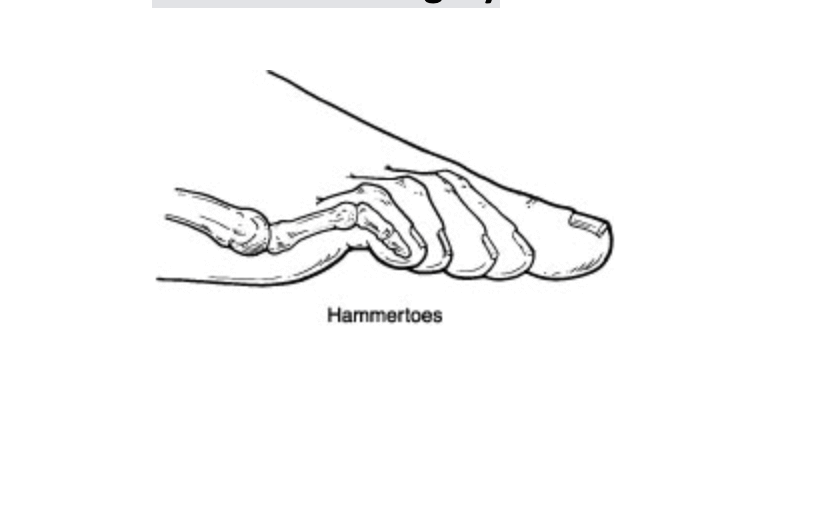
Hammer toes are a condition that develops with a certain foot structure. We see the average hammer toe patient has some underlying foot instability and usually another pathology. The most common pathologies that goes along with hammer toes are bunions or a flatfoot. Sometimes the bunion can cause crowding of the toes, or the flatfoot can cause an increase pull on the tendons to stabilize the foot.
Hammer toes tend to develop with time and milage and get worse with both. The are usually seen as a curling of the toes or a protrusion of the toe bones on the top of the foot. Patients usually begin to feel pressure in their shoes or a rubbing of the digits. This can lead to increased pain and even sores that can become infected.
I always recommend an x-ray as a starting point then an overall foot exam. There are both conservative and surgical options for hammer toes and it depends on location and number of toes involved.
If you have hammer toes or pain in your toes I am happy to help!
Sincerely,
Dr Brandon Nelson, A Board Certified Physician & Surgeon, Discuss the Lapiplasty Bunionectomy
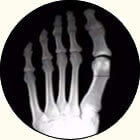
Bunion surgery is by far the most common procedure I do on a weekly basis. It is a very satisfying procedure for patients and can lead to great outcomes. I have now been operating for the last 15 years and have completed 1000’s of bunion surgeries and the Lapiplasty has shown great promise.
With bunion surgeries I like to see the technique to be reliable and reproducible. Additionally, I like a procedure that is versatile and can correct bunions of all sizes. The Lapiplasty seems to meet all these criteria and is seeing a large increase in execution.
I have personally been utilizing this procedure since I was a resident. It has been the work horse of my toolbox and continues to be. The Lapidus procedure provides predictable outcomes and has a very low reoccurrence rate. It is especially useful for pediatric patients and large bunions.
The Lapiplasty is a patented system that makes the Lapidus bunion procedure easier for the surgeon to execute. It is a specific set of instruments that helps the surgeon. I think this system will continue to evolve and help us surgeons to have great outcomes. If you have a bunion and would like a consultation please contact my office today and I will be happy to review all your options as is pertains to bunions and bunion surgery.
Sincerely,
Taking Care of Elderly Feet
Many foot diseases and conditions become more serious and common among the elderly. Some of these conditions include diabetic ulcers, ingrown toenails, fungus, arthritis, corns, and calluses. Unfortunately, it may be harder for older adults to take care of their own feet, but there are some precautions they can take in order to avoid any serious conditions.
Dry, cracked heels tend to be a common problem for older people. In order to avoid this, you should always keep your feet clean and well moisturized. Special feet moisturizers should be used as average lotions might not provide enough moisture for dry and cracked heels. Daily foot inspections are crucial for the elderly to detect any irregularities in their earliest stages. During the aging process, blood circulation tends to slow down causing older people to not feel their feet as well as they used to. This often results in foot problems going unnoticed.
Fungal and bacterial conditions thrive on elderly feet because older adults are less likely to keep their feet clean and dry; this makes it easier for bacteria to take hold in their dry, cracked skin. Elderly people should be sure to thoroughly dry their feet, especially in between the toes, after bathing. This will help them avoid developing any fungal infections. Additionally, clean cotton socks should be worn after the feet are dried.
Cutting toenails straight across will help prevent ingrown toenails. When toenails are cut too lose, the nail might break through the skin resulting in an ingrown nail. Clippers should be used to cut the nails in order to make the cut even.
Elderly people who have diabetes are at risk of developing serious foot problems that may lead to amputation. Ulcers that are left untreated can lead to gangrene. Dry and cracked feet, fungus, and untended cuts under the nails may also lead to infections.
Fortunately, Medicare covers many different types of services for foot care. Elderly people with any of these foot conditions should seek the help of a podiatrist and perform daily foot inspections in order to ensure that they have healthy feet.
