




December 2022
How to Care for Your Child's Feet
It is never normal for a child to experience pain in his or her feet. Foot pain that lasts more than a few days and limits a child’s ability to walk should be examined by a podiatrist. Many adult foot ailments originate in childhood and may be present at birth. Common foot issues that are experienced by children are pediatric flat foot, Sever’s disease, ingrown toenails, and plantar warts.
A child’s foot grows rapidly during the first year, allowing it to reach almost half of their adult foot size. Consequently, foot specialists consider the first year to be the most crucial point in the foot development process. There are ways you can help ensure that your child’s foot develops properly. One way is to carefully look at your baby’s feet. If you notice any deformities, you should immediately seek professional care. You should also loosely cover your child’s foot, since tight coverings may prevent movement and inhibit normal development. Another tip is to change the baby’s positioning throughout the day. If your baby lies down in one spot for too long, it may put an excess amount of strain on the feet and legs.
It is best that you try not to force a child to start walking. Children will begin to walk when they are both physically and emotionally capable to do so. You should also avoid comparing your child’s walking progress with other children because the age range for independent walking may range. When your child’s feet begin to develop, you may need to change both their shoe and sock size every few months to allow room for their feet to grow.
Kids are sometimes prone to splinters, cuts, and severe injuries because they tend to walk around barefoot. This also makes them more susceptible to developing plantar warts which is a condition caused by a virus that invades the sole of the foot through breaks in the skin. These ailments can be avoided by making sure your child wears shoes in unsanitary environments. You should also wash any minor cuts or scrapes on your child’s feet. It is a myth that exposure to fresh air will heal injuries; fresh air will only expose your child’s cuts to germs.
As a parent, you should ensure that your child’s feet are developing properly and are being properly maintained. Consequently, it is important that you perform routine inspections on his or her feet to detect any injuries or deformities in their early stages. Early detection and treatment will help to ensure that your child does not develop any serious foot conditions.
Should My Child Wear Shoes at an Early Age?

Research has shown the average child takes approximately 20,000 steps per day, triggering the thought process for parents to choose the right shoes for their child. This can help to support and protect the child’s feet as they grow older. Many parents feel it is best if their child walks barefoot while indoors, which may help to strengthen the feet. The toes can become stronger from gripping the floor, and this can positively affect balance. Some parents believe that foot and toe deformities can come from wearing shoes at an early age, and they may encourage their children to walk barefoot while indoors and outdoors. When the first shoes are purchased for protection against the outside elements, it is beneficial that the shoes are flexible, lightweight, and have a strong and stable structure. Children’s feet grow at an accelerated speed, and it is suggested that their feet are often measured, which can determine the correct shoe size. If you have questions about what type of shoes to buy for your child, please contact a podiatrist who can address any concerns you may have.
The health of a child’s feet is vital to their overall well-being. If you have any questions regarding foot health, contact the podiatrists of Issaquah Foot & Ankle Specialists. Our doctors can provide the care you need to keep you pain-free and on your feet.
Tips for Keeping Children's Feet Healthy
- Make sure their shoes fit properly
- Look for any signs of in-toeing or out-toeing
- Check to see if they have Clubfoot (condition that affects your child’s foot and ankle, twisting the heel and toes inward) which is one of the most common nonmajor birth defects.
- Lightly cover your baby’s feet (Tight covers may keep your baby from moving their feet freely, and could prevent normal development)
- Allow your toddler to go shoeless (Shoes can be restricting for a young child’s foot)
- Cut toenails straight across to avoid ingrown toenails
- Keep your child’s foot clean and dry
- Cover cuts and scrapes. Wash any scratches with soap and water and cover them with a bandage until they’ve healed.
If you have any questions, please feel free to contact one of our offices located in Issaquah, WA . We offer the newest diagnostic and treatment technologies for all your foot care needs.
Dr. Timothy Young, a Board-Certified Foot Surgeon Discusses Digital Foot Surgery.
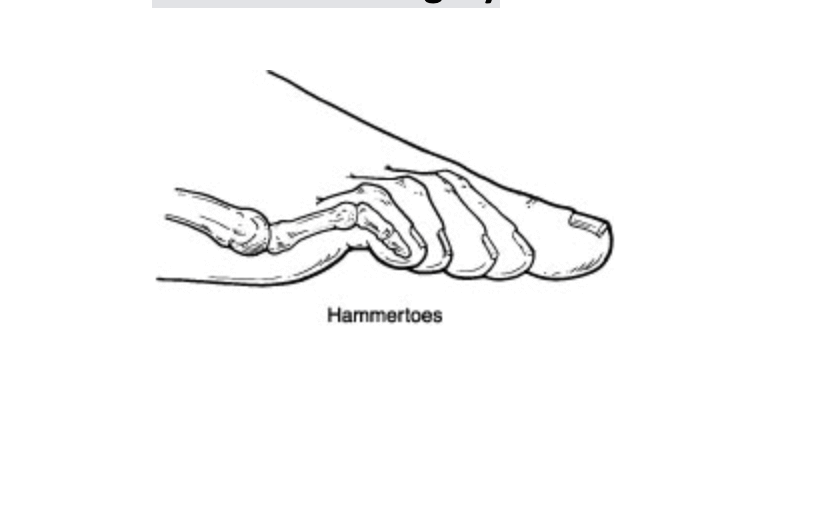
Dr. Timothy Young, a Board-Certified Foot Surgeon Discusses Digital Foot Surgery.
Sometimes during toe surgery, a pin will stick out the end of the toe. And other times, the pin will be buried or covered with skin. As we've discussed previously, it is common to use a K wire or pin during hammertoe surgery or other digital foot surgery. Often times the pin will stick out of the tip of the toe and be visible. When this is done it is very easy when the time is appropriate, for your surgeon to remove the K wire without making an incision in your toe. The advantage to having the K wire covered with skin or buried is that there is no direct pathway for bacteria to travel from the pin into the toe.
Therefore it is okay once you incision has healed to get your foot wet with the buried K wire, but that is not possible when it sticks out of the toe. Also the K wire can be left in this buried position for a longer period of time without pin track irritation or infection. The disadvantage of a buried K wire is that removal will require a minor procedure to remove the pin. Sometimes because there is such a thin fat pad at the tip of the toe, it's difficult to get enough tissue or skin to properly.
If you are experiencing foot or ankle pain, please give us a call at 425-391-8666 or make an appointment online today.
Dr. Timothy Young, a Board-Certified Foot Surgeon, Discusses Why Toes Are Often Pinned During Foot Surgery
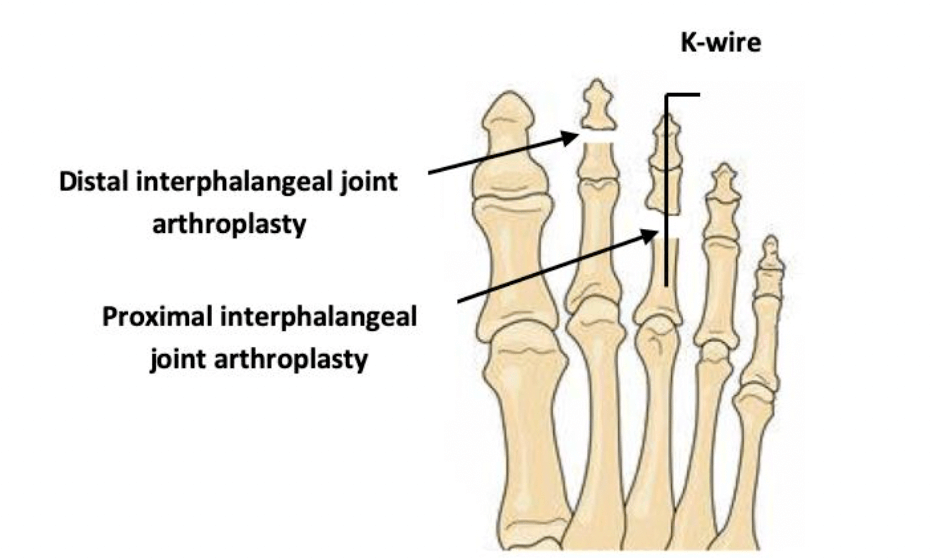
Dr. Timothy Young, a Board-Certified Foot Surgeon, Discusses Why Toes Are Often Pinned During Foot Surgery
Pinning toes (with a K wire) is a common practice with foot surgery. In reality what is called a pin is a Kirschner wire or K wire. The K wire is typically is placed directly within the bones of the toe. The purpose is to hold the toe incorrect alignment. For example in other parts of the body including midfoot, ankle and leg when there's a fracture often a cast will work. But one can not effectively cast a toe. Therefore pinning a toe is an excellent option that holds it stable to allow for the correct healing and the correct alignment to be maintained during the postop time frame. For example, a patient with a hammertoe will have a contracture and adaptation of the proximal interphalangeal joint or the first knuckle within the toe.
This bone has to be surgically remodeled to allow for realignment. Once the bone remodeling is done, rather than just putting a bandage on the toe, a K wire is used in the toe to make certain that the correction and alignment are maintained exactly as necessary and so that the postoperative healing will continue in the correct alignment until that initial healing is adequate. In some cases the toe is actually fused and typically the K wire with stay in between four – six weeks. The closer to the six week timeframe, the higher correlation with long-term successful fusion.
If you are experiencing foot or ankle pain, please give us a call at 425-391-8666 or make an appointment online today.
Causes of Burning Feet Syndrome
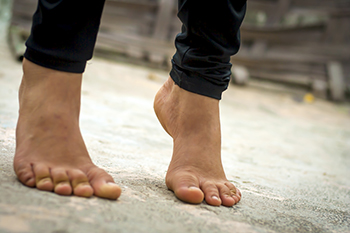
A burning sensation in the feet, especially at night, may indicate certain serious underlying conditions that should not be ignored. One of the main causes of burning feet is peripheral neuropathy, nerve damage that is common among diabetics. Neuropathy also may be the result of overconsumption of alcohol or a deficiency in B vitamins, as well as other conditions. When the nerves in the lower extremities are damaged, they send mixed signals to the feet that generate a burning sensation. Peripheral artery disease is another cause of burning feet. Poor circulation to the feet can trigger pain, tingling and burning, especially when walking. Burning generally starts in the sole of the foot and travels upward toward the ankle. Symptoms usually worsen at night. Treatment for burning feet starts with eliminating the causes, the most common of which are high blood sugar and extreme use of alcohol. Certain medications are available that can help to alleviate symptoms of burning feet. If burning feet are inhibiting your daily life, it is a good idea to consult a podiatrist for an examination, a diagnosis, and treatment options that are best for you.
Foot Pain
Foot pain can be extremely painful and debilitating. If you have a foot pain, consult with the podiatrists from Issaquah Foot & Ankle Specialists. Our doctors will assess your condition and provide you with quality foot and ankle treatment.
Causes
Foot pain is a very broad condition that could be caused by one or more ailments. The most common include:
- Bunions
- Hammertoes
- Plantar Fasciitis
- Bone Spurs
- Corns
- Tarsal Tunnel Syndrome
- Ingrown Toenails
- Arthritis (such as Gout, Rheumatoid, and Osteoarthritis)
- Flat Feet
- Injury (from stress fractures, broken toe, foot, ankle, Achilles tendon ruptures, and sprains)
- And more
Diagnosis
To figure out the cause of foot pain, podiatrists utilize several different methods. This can range from simple visual inspections and sensation tests to X-rays and MRI scans. Prior medical history, family medical history, and any recent physical traumatic events will all be taken into consideration for a proper diagnosis.
Treatment
Treatment depends upon the cause of the foot pain. Whether it is resting, staying off the foot, or having surgery; podiatrists have a number of treatment options available for foot pain.
If you have any questions, please feel free to contact one of our offices located in Issaquah, WA . We offer the newest diagnostic and treatment technologies for all your foot care needs.
Foot Pain
Our feet are arguably the most important parts of our bodies because they are responsible for getting us from place to place. However, we often don’t think about our feet until they begin to hurt. If you have pain in your feet, you need to first determine where on the foot you are experiencing it to get to the root of the problem. The most common areas to feel pain on the foot are the heel and the ankle.
Heel pain is most commonly attributed to a condition called plantar fasciitis. Plantar fasciitis occurs when the plantar fascia, which is the band of tough tissue connecting the heel bone to the toes becomes inflamed. Plantar fasciitis pain is usually worse in the morning, and it tends to go away throughout the day. If you have plantar fasciitis, you should rest your foot and do heel and foot muscles stretches. Wearing shoes with proper arch support and a cushioned sole has also been proven to be beneficial.
Some common symptoms of foot pain are redness, swelling, and stiffness. Foot pain can be dull or sharp depending on its underlying cause. Toe pain can also occur, and it is usually caused by gout, bunions, hammertoes, ingrown toenails, sprains, fractures, and corns.
If you have severe pain in your feet, you should immediately seek assistance from your podiatrist for treatment. Depending on the cause of your pain, your podiatrist may give you a variety of treatment options.
Dr Brandon Nelson, A Board Certified Physician and Surgeon, Discusses Relief from Neuromas
I see many patients that come in for burning or tingling of the forefoot. Some even relate a stabbing or shooting pain in the front of the foot. Typically they often describe pain that is worse with shoe gear and relieved by taking off their shoes and rubbing their feet. These are very typical symptoms of somebody with nerve pain.
Neuromas are one of the most common causes of nerve pain in the feet, specifically the forefoot. Neuromas occur typically in females between the ages of 40-60, however they are common in men of the same ages as well. The neuromas itself occurs where two nerves in the feet come together. These two nerves are the medial and lateral plantar nerves that are branches of the posterior tibial nerve. They come together to form one nerve in the 3rd interspace of the foot. This is the region between the 3rd and 4th toes.
Most people will present with numbness and tingling. However some patients just present with pain to the toe or toes. Often there can be a change in shoe gear or activities that precipitate the nerve irritation. The prevailing theory is that this nerve is getting mechanically stimulated or crushed by the surrounding structures or the foot, most likely the metatarsal bones. Repetitive irritation leads to the symptoms that we see i.e., numbness and pain.
There are many great options to relieve nerve pain or neuroma pain. However the most important part of that is identification of the cause. It is paramount to see a provider that has experience and expertise in this area. I have been treating neuromas for over 15 years and have many excellent options to relieve pain and neuromas symptoms long term. If you are experiencing nerve pain I would love to help you get your life back. Give us a call at 425-491-8666 or make an appointment online.
Sincerely,
Dr Brandon Nelson, A Board Certified Physician & Surgeon, Discusses Burning & Tingling in the Feet
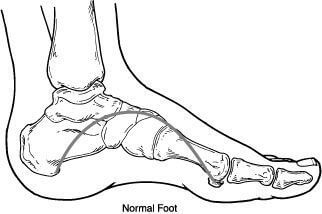
Burning and tingling can be very uncomfortable for anybody, especially when it occurs in the feet. We often think of nerve issues when we hear this type of presentation from a patient. Stabbing, burning and tingling are all sensations that can be attributed to dysfunctional nerves. These types of symptoms can occur with rest or even after exercise. I encourage you to seek help earlier with nerve type pains.
The most common cause of nerve pain is diabetes. Diabetes can cause nerve sensitivity, a term referred to as neuropathy. Most patients with neuropathy, more specifically diabetic neuropathy usually have a long term history of elevated glucose levels. The neuropathy can present in both hands and feet.
Another common cause can be compression issues around nerves. Most people have heard of carpal tunnel, a nerve dysfunction that occurs in the wrist, well you can get the same scenario in the ankle or foot. This happens when soft tissue structures press on nerves and the nerves swell and become inflamed and the usual result is numbness or tingling.
Neuromas are another big cause of burning in the feet. These usually are more common in females and present with ball of foot burning. The most common area affected from a neuroma is the 3rd and 4th toes. Typically we see the pain is better without shoes and can increase with shoe pressure.
If you are suffering from numbness, tingling or burning I can help. Please call and schedule an evaluation today 425-391-8666 or make an appointment online.
Sincerely,
Dr Brandon Nelson
Plantar Warts Can Be Treated!

Plantar warts are small growths that develop on parts of the feet that bear weight. They're typically found on the bottom of the foot. Don't live with plantar warts, and call us today!
Reasons for Ingrown Toenails

An ingrown toenail is often difficult to ignore. It is easy to notice, as the nail grows into the skin instead of over it. The symptoms include severe pain where the nail meets the skin, and it is often red and swollen. Shoes may be painful to wear, and relief is often sought. A temporary remedy consists of soaking the affected foot in warm water, and this can help to soften the skin. At this point, a small piece of cotton can be used to gently pull the skin away from the nail. The pain can return once the skin has hardened, and it is advised to seek professional medical attention which can help to provide a permanent solution. A common reason why ingrown toenails develop can be from the shoes that are worn, which may be too tight. Additionally, it may happen from trimming the toenails incorrectly, possibly causing the nail to cut into the skin. If you have developed this painful foot condition, it is strongly suggested that you confer with a podiatrist who can provide effective treatment methods and relieve painful symptoms.
Ingrown toenails can become painful if they are not treated properly. For more information about ingrown toenails, contact the podiatrists of Issaquah Foot & Ankle Specialists. Our doctors can provide the care you need to keep you pain-free and on your feet.
Ingrown Toenails
Ingrown toenails occur when a toenail grows sideways into the bed of the nail, causing pain, swelling, and possibly infection.
Causes
- Bacterial infections
- Improper nail cutting such as cutting it too short or not straight across
- Trauma to the toe, such as stubbing, which causes the nail to grow back irregularly
- Ill-fitting shoes that bunch the toes too close together
- Genetic predisposition
Prevention
Wearing proper fitting shoes and using proper cutting techniques will also help decrease your risk of developing ingrown toenails.
Treatment
Ingrown toenails are a very treatable foot condition. In minor cases, soaking the affected area in salt or antibacterial soaps will not only help with the ingrown nail itself, but also help prevent any infections from occurring. In more severe cases, surgery is an option. In either case, speaking to your podiatrist about this condition will help you get a better understanding of specific treatment options that are right for you.
If you have any questions, please feel free to contact one of our offices located in Issaquah, WA . We offer the newest diagnostic and treatment technologies for all your foot care needs.
