




June 2021
Hyperhidrosis of the Feet
Each foot, on average, has about 250,000 eccrine sweat glands that produce half a pint of sweat each day. Sweating is a natural and important bodily function. It regulates the body’s temperature by cooling the skin so that it does not overheat. In individuals with hyperhidrosis, the sympathetic nervous system works in "overdrive", producing far more sweat than what is required. People with plantar hyperhidrosis experience an excess amount of sweat on their feet. It is estimated that 2% to 3% of all Americans suffer from some form of hyperhidrosis. This condition is often caused by neurologic, endocrine, infectious, and other systemic disease. Other factors that may trigger the condition are heat and emotions.
People with hyperhidrosis may notice an overabundance of sweat on their feet, along with a strong odor. The feet may also have a wet appearance coupled with infections such as athlete’s foot or toenail fungus. The sweat may even appear in low temperatures, such as during the winter months. People with plantar hyperhidrosis often need to change their socks several times throughout the day.
The specific cause of hyperhidrosis is unknown, and many believe it may be caused by over-activity. However, others believe the condition is genetic. Caffeine and nicotine are known to cause excitement and nervousness which are two emotions that may make the condition worse.
If you are looking to treat your hyperhidrosis the most important thing you should do is wash your feet every day. You may even need to wash your feet twice a day, if necessary. You should also make sure you are wearing the right socks. Wool and cotton socks are both known to be good for ventilation, meaning they allow the feet to breathe. You should avoid socks made from nylon which trap moisture and lead to sogginess. Other common treatment options are over-the-counter antiperspirants that contain a low dose of metal salt. In some cases, prescription strength antiperspirants that contain aluminum chloride hexahydrate may be necessary. In severe cases, surgery may be required.
Untreated hyperhidrosis can easily lead to complications. Some complications that may arise from the disorder include nail infections, warts, and bacterial infections. Consequently, it is important that you seek treatment from your podiatrist if you suspect that you may have plantar hyperhidrosis.
Solving Super Sweaty Feet
 Nearly everybody deals with unwanted foot sweat — especially during the summer months — but if you regularly soak straight through your socks and sandals, you may have plantar hyperhidrosis. Plantar hyperhidrosis is a condition in which the feet sweat excessively due to overactive sweat glands. Besides being embarrassing and uncomfortable, excess moisture on the feet can damage the skin, causing unusual cracking, scaling, or pruning, and increasing your risk of getting a fungal infection such as athlete’s foot. Treatment options for plantar hyperhidrosis include topical antiperspirants, botox injections into the feet, and iontophoresis. If you suspect that you may have this condition, please consult with a podiatrist.
If you are suffering from hyperhidrosis contact the podiatrists of Issaquah Foot & Ankle Specialists. Our doctors can provide the care you need to attend to all of your foot and ankle needs.
Hyperhidrosis of the Feet
Hyperhidrosis is a rare disorder that can cause people to have excessive sweating of their feet. This can usually occur all on its own without rigorous activity involved. People who suffer from hyperhidrosis may also experience sweaty palms.
Although it is said that sweating is a healthy process meant to cool down the body temperature and to maintain a proper internal temperature, hyperhidrosis may prove to be a huge hindrance on a person’s everyday life.
Plantar hyperhidrosis is considered to be the main form of hyperhidrosis. Secondary hyperhidrosis can refer to sweating that occurs in areas other than the feet or hands and armpits. Often this may be a sign of it being related to another medical condition such as menopause, hyperthyroidism and even Parkinson’s disease.
In order to alleviate this condition, it is important to see your doctor so that they may prescribe the necessary medications so that you can begin to live a normal life again. If this is left untreated, it is said that it will persist throughout an individual’s life.
A last resort approach would be surgery, but it is best to speak with your doctor to find out what may be the best treatment for you.
If you have any questions, please feel free to contact one of our offices located in Issaquah, WA . We offer the newest diagnostic and treatment technologies for all your foot care needs.
Do Your Child's Feet Hurt?

Have your child's feet been examined lately? Healthy feet are happy feet. If your child is complaining of foot pain, it may be a sign of underlying problems.
Dr. Brandon Nelson, A Board Certified Bunion Expert, Discusses Which Bunion Surgery Is The Most Successful
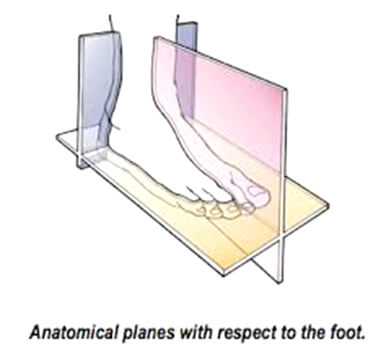
Bunion surgery is one of the most common procedures that I perform. I see patients from all over the Northwest that come to have surgery at our office. Our onsite surgery center makes it convenient and provides a huge cost savings as compared to a hospital or free-standing surgery center. We provide sedation and a nerve block that makes the surgery completely pain free and comfortable.
Bunion surgery itself is a successful surgery. There are a few factors that need to be addressed before surgery. A complete foot exam, gait analysis, and x-ray usually provide all the vital information that is needed. Once I have all these factors it is easy to make a recommendation of what procedure would provide the best outcome.
Bunion surgery can really be broken down into two types. The first what is called a head procedure, this is the most common bunion to date. The second type is what is called a base procedure. Often the head procedure or Austin bunionectomy is utilized for small to medium bunions that have no sign of foot collapse. This surgery is done by cutting the head of the metatarsal and shifting it towards the outside of the foot. The bone is usually help in place with a screw or a pin.
The second type of bunionectomy the base procedures can be broken down to what is called an osteotomy or fusion. The osteotomy is where you remove a wedge of bone to correct the deformity. This procedure can be used for large bunions with no foot instability. The other type of bunionectomy, the fusion or Lapidus as it is called provides significant stability to the foot. This procedure is phenomenally successful and provides great improvement to the overall function of the foot. If you are suffering from a bunion, give us a call at 425-391-8666 or make an appointment today and together we can come up with a long term plan that provides the best out come for you lifestyle.
Dr. Timothy Young, A Board-Certified Foot Surgeon Talks About Mid Foot Bone Spur Surgery Part 1
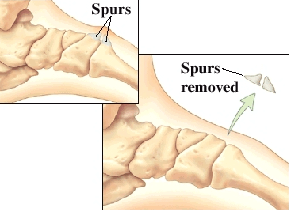
Bone spurs in the midfoot are quite common. One common example is a prominence or spur or bump on the top of the foot. In the midfoot area this often involves the first or second metatarsal cuneiform joints. This creates a pressure point in the midfoot and often times the dorsal nerves in the midfoot get pinched in this area.
This are does not have much additional subcutaneous layer to cushion and protect it. Shoe pressure here can cause problems. Often this is aggravated with shoe pressure. Changing shoelacing can help and shoes that do not come off for on the top of the midfoot can help also such as a moccasin-type shoe. Note that some bone spurs are the result of underlying arthritis in the midfoot. This can be a different scenario and may require fusion of the involved joints. A common example of this would be fusion of the second metatarsal–cuneiform joint.
If you are experiencing foot or ankle pain, give us a call at 425-391-8666 or make an appointment online.
What Does Sesamoiditis Look Like?
 Sesamoiditis is a condition in which the sesamoids, two pea-shaped bones located beneath the big toe joint in the ball of the foot, are injured. Sesamoiditis is not visible to the naked eye, but can be diagnosed by a podiatrist. People with sesamoiditis typically feel a slow, steady onset of pain beneath the big toe. The pain tends to be worse when the foot is bearing weight and improves when the foot is elevated or at rest. The area directly beneath one or both sesamoid bones may be tender to the touch. The big toe will usually have a normal range of motion, but it may hurt to move it upwards. X-rays may be ordered to confirm the diagnosis and rule out other conditions, such as fractures, that can cause similar symptoms. If you suspect that you have sesamoiditis, please see a podiatrist for a proper diagnosis and treatment.
Sesamoiditis is an unpleasant foot condition characterized by pain in the balls of the feet. If you think you’re struggling with sesamoiditis, contact the podiatrists of Issaquah Foot & Ankle Specialists. Our doctors will treat your condition thoroughly and effectively.
Sesamoiditis
Sesamoiditis is a condition of the foot that affects the ball of the foot. It is more common in younger people than it is in older people. It can also occur with people who have begun a new exercise program, since their bodies are adjusting to the new physical regimen. Pain may also be caused by the inflammation of tendons surrounding the bones. It is important to seek treatment in its early stages because if you ignore the pain, this condition can lead to more serious problems such as severe irritation and bone fractures.
Causes of Sesamoiditis
- Sudden increase in activity
- Increase in physically strenuous movement without a proper warm up or build up
- Foot structure: those who have smaller, bonier feet or those with a high arch may be more susceptible
Treatment for sesamoiditis is non-invasive and simple. Doctors may recommend a strict rest period where the patient forgoes most physical activity. This will help give the patient time to heal their feet through limited activity. For serious cases, it is best to speak with your doctor to determine a treatment option that will help your specific needs.
If you have any questions, please feel free to contact one of our offices located in Issaquah, WA . We offer the newest diagnostic and treatment technologies for all your foot care needs.
Sesamoiditis
Sesamoiditis is a condition in which the sesamoid bones in the forefoot become inflamed from physical activity. Sesamoid bones are bones that are not connected to other bones but are located in tendons or muscle. Two of these sesamoid bones are very small and located on the underside of the foot near the big toe. Athletes such as runners, baseball and football players, and dancers are likely to experience sesamoiditis. Those with high arched feet, flat feet, or runners who run on the ball of their foot are also prone to suffer from sesamoiditis.
Symptoms include pain or throbbing on the ball of the foot near the big toe. The pain generally starts with a mild throbbing but gradually builds up to shooting pain. Bruising, swelling, and redness are possible, but in most cases, these symptoms are not present. However, moving the big toe can result in pain and difficulty.
To conduct a diagnosis, the podiatrist will examine the ball of the foot and big toe. They will look for any outliers and check the movement of the toe. X-rays will be taken to rule out any other conditions and ensure that it is sesamoiditis.
Treatment for sesamoiditis is generally mild and includes rest, anti-inflammatory and pain medication, and ice treatments to deal with the swelling and pain. Orthotics may be needed with people who have flat or high arched feet to relieve pressure off the bones. In some cases the toe will be taped and immobilized to allow healing. The podiatrist may also decide to use a steroid injection to help with swelling as well. If you have sesamoiditis, you shouldn’t engage in any intensive activity, as it may inflame the area and worsen your pain. If the sesamoid bone has fractured, surgery may be required to remove the sesamoid bone.
If you are suffering from sesamoiditis or are experiencing symptoms similar to sesamoiditis, you should stop all physical activity that puts strain on the area. Furthermore you should see a podiatrist for a diagnosis to see if you have sesamoiditis.
Dr. Brandon Nelson, A Board-Certified Surgeon and Bunion Expert, Discusses the Most Common Bunion Surgery In The United States
About 150,000 bunion surgeries are performed every year. Most of these procedures continue to be the Austin bunionectomy or what is called a distal osteotomy. Before we get into what the procedure is let us get a little background as to what a bunion is. A bunion is an inherited foot condition. It occurs when the 1st and 2nd metatarsal separate and create and enlargement on the inside of the foot. Please watch this video to get a general understanding of the bunion. You will need to open the video labeled bunions in the first column titled “Podiatric Medicine” it is the 5th video in that drop down menu. 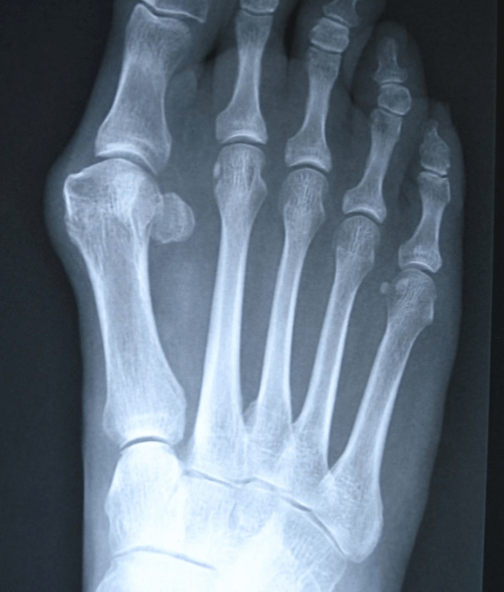
There is a common misconception that something grows on the inside of the foot. However as seem above on the x-ray you can see the 1st and 2nd metatarsal are deviating. The 1st metatarsal is the long bone on the left side of the picture and the 2nd is the long bone directly to the right of the 1st. The 1st metatarsal continues to separate and begins to poke out the side of the foot leading to the bunion deformity we are familiar with.
Surgery is the only way a bunion can be removed. The surgery involves working on the head or base of the foot. The head of the 1st metatarsal in towards the top of the picture and the base is towards the bottom. The most common procedure continues to be the Austin bunionectomy.
The Austin bunionectomy involves cutting the head of the metatarsal and shifting it back into place, or towards the 2nd metatarsal. Please watch the video below to see an example of the Austin bunionectomy.
http://www.physicianwebpages.com/animator/austin_l.html
The typical Austin bunionectomy patients can walk the entire time post-operatively because of the technique I use. I tell my patients you will be sore for a few days but able to walk. The recovery depends on the patient’s overall health and how well they follow post-operative protocols. I have taken years to develop my post-operative protocols and do everything possible to decrease recovery times. If you have a bunion and would like to have a consultation with a bunion surgery expert please call my office at 425-391-8666 or make an appointment online.
Dr. Brandon Nelson, A Board Certified Physician, Discusses Burning and Tingling In The Foot
What is it?
Burning or tingling can be one of the most challenging symptoms to treat in the foot. The number one reason patients have burning of tingling in the foot is neuropathy. Neuropathy is a disfunction of the sensory nerves in the lower extremity. The most common cause for neuropathy is diabetes. High levels of glucose in the body can attack the nerves and lead to burning and tingling. There are other causes including medications, alcoholism and exposure to toxic metals. Additionally, about 60% of neuropathy is idiopathic, meaning we are unable to identify a cause. Neuropathy typically gets worse as time goes on and can become quite debilitating for patients.
How can we help?
We understand how frustrating neuropathy can be and how emotionally taxing it can become. Our goal is to help identify the cause and to help decrease the factors that make it worse. We have now established a protocol that significantly reduces the symptoms of neuropathy. Recently I had a patient tell me he felt his feet for the first time in 10 years. We have a combination approach that is extremely successful. We utilize an FDA approved laser for neuropathy in combination with some vitamin supplements that are specifically designed for nerve pain.
If you are suffering from neuropathy or fibromyalgia we can help, schedule an appointment today. Give us a call at 425-391-8666 or make an appointment online.
Elderly and their Feet
While proper foot care is important for everybody, senior citizens have the tendency to be more susceptible to certain foot conditions. The elderly should therefore be well informed about any problems that may arise and about what they can do to properly avoid or treat them.
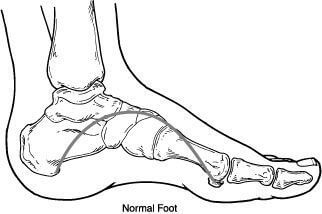
Some of the most common foot problems seniors are susceptible to include foot ulcers, ingrown toenails, fallen arches, and fungal nails. A foot ulcer is an open sore on the foot and can be a result of diabetes and decreased sensation in the feet. An ingrown toenail is defined as when the nail grows into the side of the toe. Fallen arches are indicated by the instep of the foot collapsing. A fungal nails is a condition that results in deformed and discolored toenails.
In order to avoid these conditions it is recommended that the feet be inspected by the patient on a regular basis. If these inspections are carried out routinely, there is a good likelihood that problems can be identified before they become severe, or can even be avoided altogether. If any abnormality is discovered, it is important that the individual consult a podiatrist for diagnosis and information on treatment options.
Proper foot hygiene is also important. Making sure that you always have clean, dry socks on can be a major deterrent to many different problems including bacterial infections, foot odor, and certain types of fungus. Wet feet are a major cause of many of these problems. If your socks get wet, it is important to change them. Walking around in wet socks may not only lead to various infections, but can irritate the skin and result in a number of various complications. Clean, dry feet are less likely to be affected by fungal and other infections.
As people age, the fat present on your feet begins to deteriorate. The protective nature of this fat keeps the feet healthy by providing a barrier between your bones and the ground. This also aids in giving the skin on the feet a certain amount of elasticity. This is one factor that causes elderly people to develop some serious foot issues. Foot moisturizers can be helpful to avoid certain problems associated with this. However, water-based moisturizers do not work as well for elderly people as they do for the young. Instead, it is more effective to use an emollient instead. An emollient is effective because it binds the water in the foot, keeping it from becoming absorbed too readily which will result in dry skin. Emollients also have a special property called occlusion, which provides a layer of oil on the skin. This layer prevents the foot from drying up and can be very effective in treating dry skin disorders. If you can keep the skin on your feet healthy, this will substantially reduce the number of foot problems you will encounter in old age.
Proper footwear is another way to keep feet healthy. Shoes that fit well and provide proper support help prevent ingrown toenails and fallen arches.
Certain medical conditions such as diabetes or poor blood circulation increase the risk for foot issues. For individuals with any of these conditions it is extremely important to conduct regular foot inspections to make sure that there are no sores or infections present.
