




May 2021
Dr. Brandon Nelson, A Board Certified Physician, Discusses Painful Neuromas and Burning and Tingling in the Toes
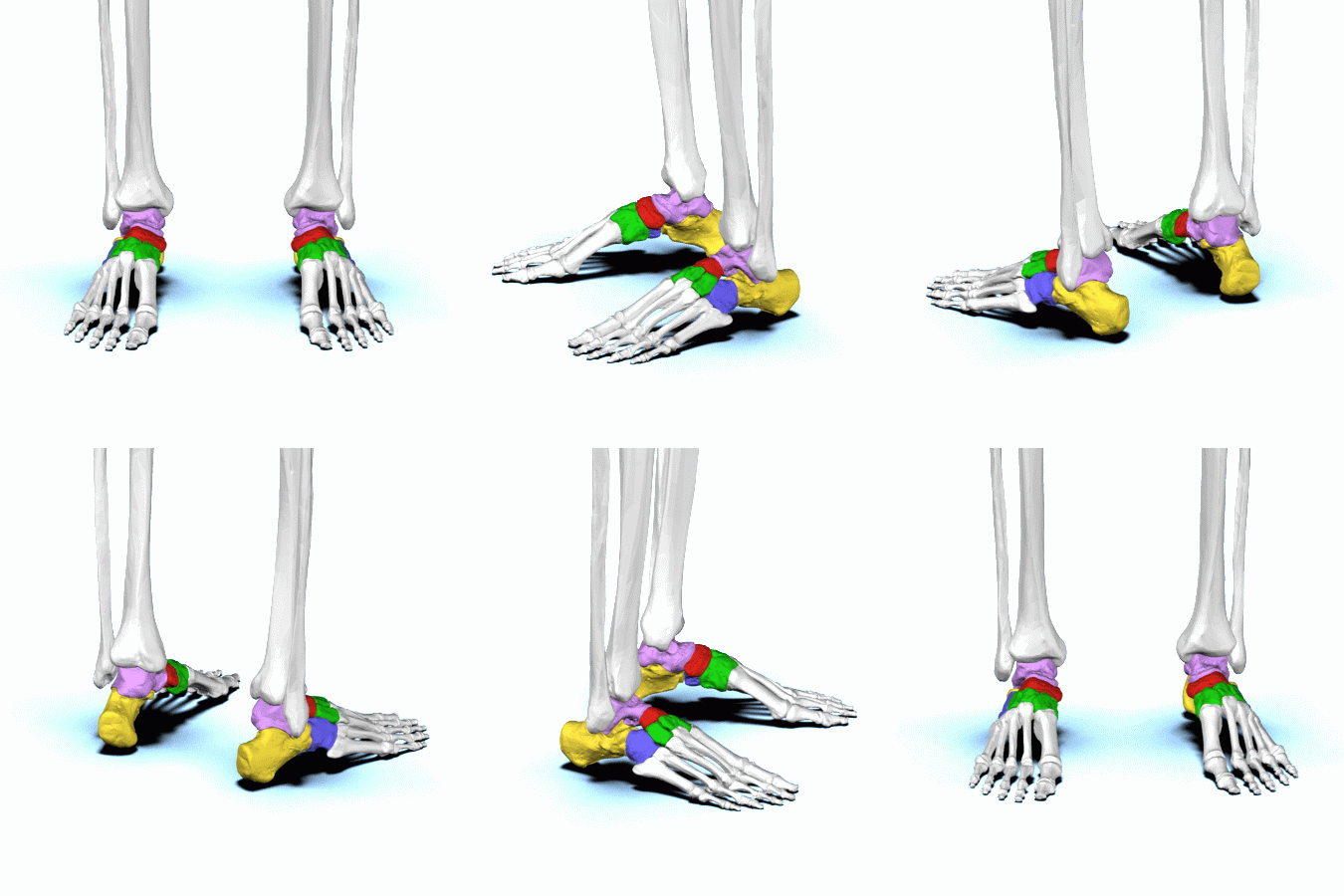
Burning and tingling in the toes or even electrical shooting type pains can often be the result of nerve injury. Nerve pain or injury often produces a shooting style pain and can be quite painful. Often it is worse with shoe gear, especially tight-fitting shoes, standing or activities. There does not need to be any previous trauma to get nerve pain in can be causally related to anatomical issues or even genetic.
The most common cause of nerve pain in the foot is a neuroma or a nerve entrapment like tarsal tunnel syndrome. Neuromas typically cause shooting pain to the 3rd and 4th digit of the feet and are more common in woman than men. Tarsal tunnel syndrome is usually located around the ankle and causes electrical pain around the inside of the ankle. Patients with tarsal tunnel often have a history of carpal tunnel in the wrist.
It is important to get an accurate diagnosis of a neuroma or tarsal tunnel. The best place to start is an x-ray. However, some patients will require a MRI or Nerve conduction studies to further support the diagnosis.
Treatment is centered around the cause. It can be useful to remove pressure and decrease inflammation around the nerve. If you are experiencing nerve pain we can help. Give us a call at 425-391-8666 or make an appointment online.
Dr. Brandon Nelson, A Board Certified Surgeon, Discusses Everything You Need To Know About Bunion Surgery
Thinking about bunion surgery can be overwhelming. I like to help my patients at least a week before surgery so we can prepare together. It is important to think about all the factors that can influence your outcome. I have patients make a list of questions before we meet and advise them to bring a family member or friend to their pre-operative appointment.
A few suggestions to think about before surgery are:
1. Set up a general operation center, i.e the couch with everything you need
2. Think about how you will use the shower and bathroom
3. Supplements, these can be important, examples are calcium and collagen
4. Exercise plan, what can you still do?
5. Review your timeline, how long will you be down?
6. Do you have all your post-operative appointments?
7. Consider side effects of mediations, constipation/nausea
8. Make and freeze a few meals
This list is not exhaustive but it is a good place to start. The majority of your questions will be answered at your pre-operative appointment.
The Surgery itself:
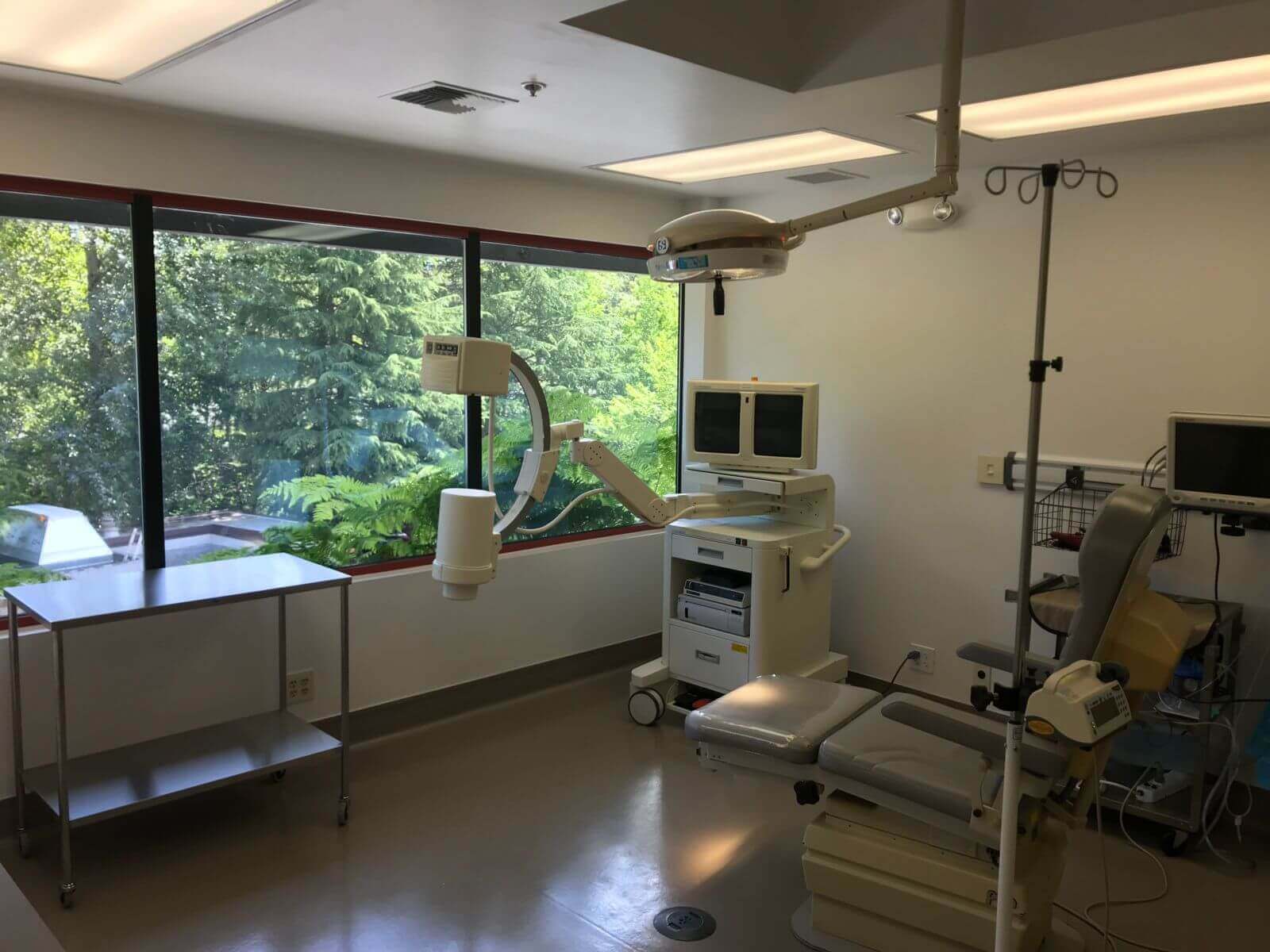
Bunion surgery usually takes about 1 to 2 hours and is done in an outpatient setting. Our practice is set up to provide the most convenient and cost-effective approach to your bunion surgery by having a surgery center on site. The day of surgery most patients will have nothing to eat or drink 8 hours before surgery and will show up at the practice about an hour before their operation.
You will see the surgeon again and meet your anesthesia provider. Next you will be brought into the operating room and an IV will be started and you will wake up after the surgery is completed. Typically, most patients have a nerve block that will last about 24 hours. You will then have your first post-operative appointment with 4-10 days.
Recovery:
Recovery really depends on the procedure selected. All our bunion surgery patients can walk after surgery. We also help our athletes stay in shape by helping them tailor a recovery period workout. Recovery can be influenced by your diet and how well you follow the post-operative course.
If you are struggling with bunion pain we are here to help! Give us a call 425-291-8666 or make an appointment online.
Why Does My Pinky Toe Hurt?
 Although the pinky toe is small, an injury to this toe can be very painful. Stubbing your toe, dropping something heavy on it, hitting it while playing a sport, or wearing tight shoes can all cause pinky toe pain. Common causes of pinky toe pain may include a toe fracture, in which the toe bone is fully broken, or a stress fracture, in which the bone has one or more tiny cracks. Your toe can also hurt if it has been dislocated or sprained. A specific type of bunion, called a tailor’s bunion or bunionette, can form on the pinky toe, as can corns and calluses. If you are experiencing pain in any of your toes, please see a podiatrist, who can diagnose and treat your condition.
Broken toes may cause a lot of pain and should be treated as soon as possible. If you have any concerns about your feet, contact the podiatrists from Issaquah Foot & Ankle Specialists. Our doctors will treat your foot and ankle needs.
What Is a Broken Toe?
A broken toe occurs when one or more of the toe bones of the foot are broken after an injury. Injuries such as stubbing your toe or dropping a heavy object on it may cause a toe fracture.
Symptoms of a Broken Toe
- Swelling
- Pain (with/without wearing shoes)
- Stiffness
- Nail Injury
Although the injured toe should be monitored daily, it is especially important to have a podiatrist look at your toe if you have severe symptoms. Some of these symptoms include worsening or new pain that is not relieved with medication, sores, redness, or open wounds near the toe.
If you have any questions please feel free to contact one of our offices located in Issaquah, WA . We offer the newest diagnostic tools and technology to treat your foot and ankle needs.
What to Know About a Broken Toe
The forefoot is composed of five metatarsal bones and fourteen phalanges. Each toe has three phalanges except for the big toe which only has two. Our toes play an essential role to the walking process, which is why a broken toe could seriously disrupt one’s ability to move around. Toe fractures are common and can be very painful. Fortunately, these injuries rarely require surgery and usually heal with rest and a change in activity.
Broken toes typically result from a traumatic event such as falling, stubbing the toe, or dropping something on the toe. Traumatic toe fractures may be categorized as either minor or severe fractures. At times, one may hear a “pop” or “crack” sound when the bone breaks. Common symptoms of a traumatic toe fracture include pain, throbbing, bruising, swelling, and redness.
Another type of toe fractures is a stress fracture. These injuries usually appear in the form of small hairline breaks on the bone. Stress fractures develop after repetitive activity instead of a single injury. Stress fractures occur when the muscles in the bone become too weak to absorb impact. Consequently, the toe bone becomes vulnerable to any pressure and impact it endures. Symptoms for a stress fracture in the toe include swelling without bruising, tenderness to the touch, pain that goes away with rest, and pain after walking or running.
If you suspect that you have a broken toe, you should make an appointment with your podiatrist. He or she will likely diagnose you by performing a physical exam and an X-ray. Treatment for a broken toe may include the R.I.C.E. method, buddy taping, surgery, or antibiotics. The R.I.C.E. method (Rest, Ice, Compression, and Elevation) is a common treatment method for many injuries because it decreases pain. Buddy tapping involves wrapping the injured toe next to an adjacent toe to keep it supported and protected. These two methods have proven to be effective in the healing process for toe fractures. The estimated healing time for a broken toe is approximately four to six weeks. If the injury becomes infected or requires surgery, the estimated healing time may take eight weeks or more.
Dr. Timothy Young, a Board-certified Foot Surgeon, Discusses Removing Hardware After Bunion Surgery
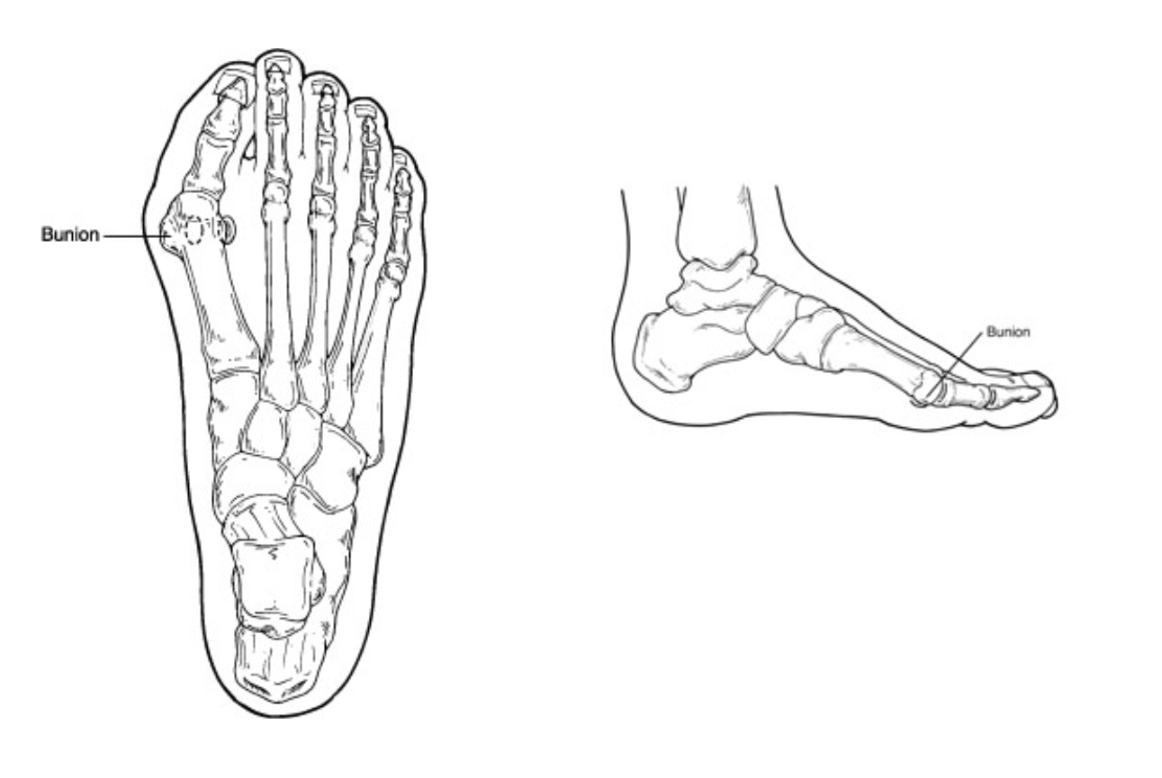
Most bunion surgeries require screws or plates (or a combination). It’s important during bunion surgery, in order to get full correction and realign the bones and joints, the bone is typically resected or effusions are done to realign the first metatarsal. This requires hardware such as plates and screws. Once the hardware has done his job and the bone has healed and maintained the new corrected alignment and position, many of our patients elect to have hardware removed. The hardware can be medical grade stainless steel or titanium. These are the most common metal/metallic implants used.
Sometimes the head of the screw causes minor irritation or part of the threads protrudes enough that there is irritation with some of the adjacent soft tissue.
In other instances some patients seem to be sensitive to having a foreign body or a non-human item in the body. Some patients have minor skin manifestations although this isn’t common. In general patients feel better once the hardware is out.
If you are experiencing foot or ankle pain, give us a call at 425-391-8666 or make an appointment online today.
Dr. Brandon Nelson, a Board Certified Physician, Discusses Achilles Tendonitis
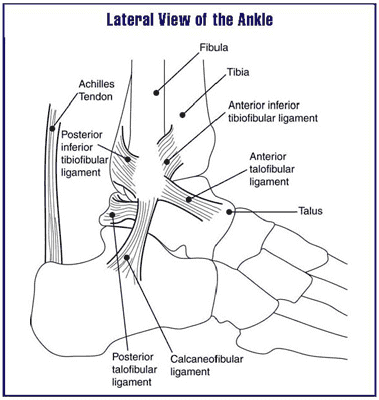
The Achilles tendon is the work horse of the lower extremity. It provides forward propulsion and is the thickest, strongest tendon in the human body. It basically never has a chance to rest if you are walking. The tendon itself is made of three different muscles and contracts to provide power. That is why it is one of the most common tendons to experience tendonitis in.
It is probably the most common type of tendonitis we see in the office. I would also say it is one of the most challenging to treat. The challenge is it's constantly in use and the number one cause of Achilles tendonitis is overuse. We see a fair amount as the summer starts and people get outside. The other big culprit is a new exercise program. Most of these patients are usually men and around the age of 40.
I encourage patients to get in early and treat this aggressively. The Achilles tendon is notorious for taking a long time to return to a normal state and recover from tendonitis. The earlier and more aggressive the treatment the better the long-term outcomes. Focusing on eliminating the abnormal pull of the Achilles and stretching provide relief. There are numerous opportunities to administer more advanced treatment options that utilize the body's own ability to heal. These techniques seem to have the best long term outcomes. If you are suffering from Achilles’ tendon pain we can help.
Give us a call at 425-391-8666 or make an appointment online today.
What is a Podiatrist?
The branch of medicine that is focused on the treatment, diagnosis, and study of disorders of the lower leg, ankle and foot is referred to as podiatry. Because people often spend a great deal of their time on their feet, many problems in this area can occur. A person seeks help from the field of podiatry when they need treatment for heel spurs, bunions, arch problems, deformities, ingrown toenails, corns, foot and ankle problems, infections, and problems with the foot that are related to diabetes and additional diseases.
To treat problems of the foot, ankle or lower leg, a podiatrist may prescribe physical therapy, drugs, perform surgery, or set fractures. Individuals may also be recommended to wear corrective shoe inserts, custom-made shoes, plaster casts and strappings in order to correct deformities.
When trying to gather information on a patient problem, a scanner or force plate may be used in order to design orthotics. During this procedure, patients are told to walk across a plate that is connected to a computer; the computer then takes a scan of the foot and indicates weight distribution and pressure points. The computer readouts will give the podiatrist information to help them determine the correct treatment plans.
Diagnosis is also provided through laboratory tests and x-rays. Through the foot, the first signs of serious problems such as heart disease, diabetes and arthritis can show up. For example, individuals that have diabetes may frequently have problems such as infections and foot ulcers because they experience poor circulation in the foot area. A podiatrist can then have consultations with patients when symptoms arise. Referrals will then be made to specialists that handle the greater health problems.
Some podiatrists have their own independent, private practices or clinics where they have a small staff and administrative personnel. Many podiatrists work within group practices. They usually spend time performing surgery in ambulatory surgical centers or hospitals, or visit patients in nursing homes. Podiatrists typically spend between 30 to 60 hours of week working. Some podiatrists specialize in public health, orthopedics, surgery, or primary care. Other fields include specialties in geriatrics, dermatology, pediatrics, diabetic foot care and sports medicine.
Some podiatrist specialists complete extra training in the area of foot and ankle reconstruction that results from the effects of physical trauma or diabetes. There are also surgeons that perform surgery of a cosmetic nature to correct bunions and hammertoes.
Podiatrists Specialize in Common Foot Conditions
 The proper name for a doctor who specializes in foot and ankle disorders is known as a podiatrist. The technical term is a doctor of podiatric medicine, and the letters “DPM” follow the doctor’s name. The education that is needed to pursue this form of medicine consists of four years of medical school after obtaining a bachelor's degree. Residency training will take approximately three years, and this is accomplished in hospitals and clinics. Some of the specialties podiatrists are qualified for can include wound care, treating diabetic foot conditions, and performing foot surgery. Common foot conditions many patients seek the expertise of a podiatrist can consist of bunions, hammertoes, heel pain, and various foot infections. If pursuing a career in podiatry is of interest, it is suggested that you speak with a podiatrist who can address any questions you may have.
If you are experiencing pain in the feet or ankles, don’t join the stubborn majority refusing treatment. Feel free to contact the podiatrists from Issaquah Foot & Ankle Specialists. Our doctors can provide the care you need to keep you pain-free and on your feet.
What Is a Podiatrist?
Someone would seek the care of a podiatrist if they have suffered a foot injury or have common foot ailments such as heal spurs, bunions, arch problems, deformities, ingrown toenails, corns, foot and ankle problems, etc.
Podiatric Treatment
A podiatrist will treat the problematic areas of the feet, ankle or lower leg by prescribing the following:
- Physical therapy
- Drugs
- Orthotic inserts or soles
- Surgery on lower extremity fractures
A common podiatric procedure a podiatrist will use is a scanner or force plate which will allow the podiatrist to know the designs of orthotics. Patients are then told to follow a series of tasks to complete the treatment. The computer will scan the foot a see which areas show weight distribution and pressure points. The podiatrist will read the analysis and then determine which treatment plans are available.
If you have any questions, please feel free to contact one of our offices located in Issaquah, WA . We offer the newest diagnostic and treatment technologies for all your foot care needs.
Wounds That Don't Heal Need to Be Checked

Your feet are covered most of the day. If you're diabetic, periodic screening is important for good health. Numbness is often a sign of diabetic foot and can mask a sore or wound.
Dr. Timothy Young, a Board-Certified Foot Surgeon Discusses Removing Hardware After Bunion Surgery
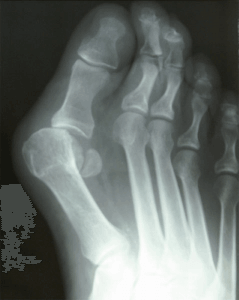
Most bunion surgeries require screws or plates (or a combination). It’s important during bunion surgery, in order to get full correction and realign the bones and joints, the bone is typically resected or effusions are done to realign the first metatarsal. This requires hardware such as plates and screws. Once the hardware has done his job and the bone has healed and maintained the new corrected alignment and position, many of our patients elect to have hardware removed. The hardware can be medical grade stainless steel or titanium. These are the most common metal/metallic implants used.
Sometimes the head of the screw causes minor irritation or part of the threads protrudes enough that there is irritation with some of the adjacent soft tissue.
In other instances some patients seem to be sensitive to having a foreign body or a non-human item in the body. Some patients have minor skin manifestations although this isn’t common. In general patients feel better once the hardware is out.
If you are experiencing bunion pain, give us a call at 425-391-8666 or make an appointment online today.
