




February 2021
Dr. Timothy Young Talks About Anterior Shin Splints (Anterior Tibial Stress Syndrome)
Causes and definition: The anterior tibial muscle is on the front of the shin directly beside the shin bone or tibia. Its purpose is to help decelerate the impact of the foot during gait. A classic example would be a runner who was running downhill and after that heel hits the ground, rather than the foot immediately slapping to the ground the anterior tibial muscle helps to decelerate the foot as it slowly plantarflexes upon full impact. Another classic example would be a tennis player who also has quick side to side motions and quickly lands heel first and the anterior tibial muscle engages to slow down the foot as it fully engages on the tennis court surface.
Diagnosis: The diagnosis for this condition is similar to that of a posterior tibial shin splint. Again this condition can range from the more severe case of a stress fracture of the tibia, to irritation where the muscle attaches to the bone (periosteum), to fatigue and involvement of the muscle itself but not the main attachment to bone. This can be diagnosed by physical examination and is exacerbated by activity. It can also be diagnosed in severe cases with a bone scan or MRI. Again sometimes ultrasound or x-ray can be helpful.
Treatment: The treatment for this is similar to that of posterior shin splints. Because it is a mechanical problem it isn't there is some Has less fashion is often due to training and sport activity and this has to often be curtailed while the muscle and related attachments gets a chance to calm down and "rest". Changing activities such as avoiding going up and especially downhill can be helpful for runners. Avoiding a hard surface such as concrete for workouts or sport activities can be helpful. Wearing shoes that have good shock absorption to help deal with impact of heel strike can be helpful and some shoes may be worse for this condition even the weight of the outsole is designed where the shoe impacts the ground at heel strike. Cases respond to mechanical treatment and support that can include wearing good shoes.
-Good shock absorbing shoes that are not cantilevered or flared at the back of the outsole.
-Stretching and icing.
-Taping such as KT tape.
-A shin splints sleeve can be helpful.
-Prescription orthotics are recommended especially for difficult cases.
-Shockwave therapy is excellent treatment for difficult cases.
Dr. Timothy Young Talks About Posterior Shin Splints (Medial Tibial Stress Syndrome)
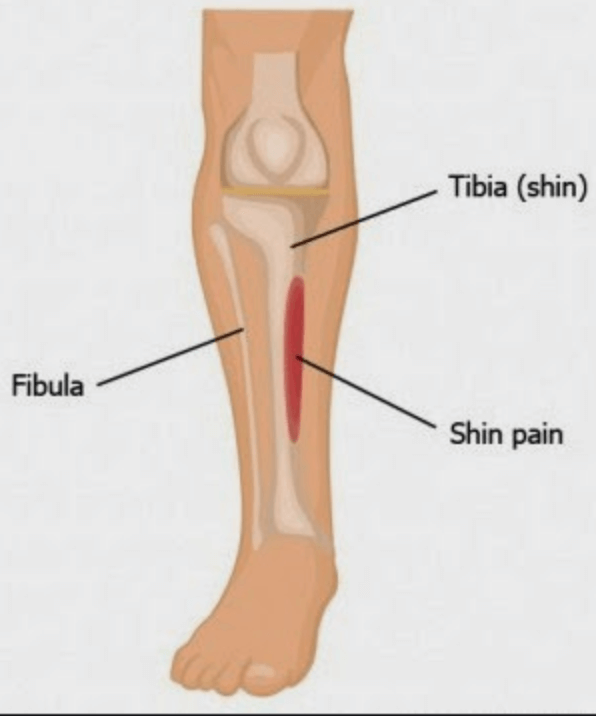
Dr. Timothy Young Talks About Posterior Shin Splints (Medial Tibial Stress Syndrome)
Causes: Shin splints are common problem. These can either affect the front of the shin or the side of the shin (most commonly the medial or inside of the shin). A posterior shin splint is the inside of the shin or medial aspect that involves the posterior tibial muscle. The purpose of this muscle is primarily to stabilize the foot during the stance phase of gait and running. It is also one of the primary muscle tendon complexes to help limit and slow pronation. The most common individuals to have this problem are athletes and especially runners. It is not uncommon to have this problem from too much too soon (overtraining). But it can also happen from individuals to train very well but just have mechanics that put extra stress and an extra workload on the posterior tibial muscle. Therefore patients that pronate a lot are more prone to this problem.
Diagnosis: This problem can range from muscle fatigue and overuse, to actual damage where the muscle attaches to the outer layer of bone (periosteum), to more severe cases that can become stress fractures. Diagnosing this can be done with physical examination. A stress fracture can be more difficult to diagnose and is often pinpoint pain over the tibia or shin bone. It can be diagnosed in severe cases with an x-ray, or earlier onset cases can be diagnosed with a bone scan or MRI. Sometimes an ultrasound can be helpful also.
Treatment: Severe cases and stress fractures require a cast boot and rest. Chronic non-severe cases respond to mechanical treatment and support that can include wearing good shoes.
-Pronation control stability type of athletic shoes and avoiding going barefoot.
-Stretching and icing after activities always helpful. Anti-inflammatories may just mask the problem.
-Taping such as KT tape can be helpful.
-You can also purchase a shin splints sleeve either at a local sporting goods store such as Dicks sporting goods, or online at Amazon.
-Chronic and difficult cases are treated with prescription orthotics.
-Shockwave therapy is another excellent treatment for chronic and difficult cases.
If you are experiencing foot or ankle pain, give us a call at 425-391-8666 or make an appointment online today.
Hammertoe
Hammertoe is a foot deformity that occurs due to an imbalance in the tendons, muscles, or ligaments that are responsible for holding the toes in their normal position. This condition may be caused by poor footwear, foot structure, trauma, and disease. The most common solution for hammertoe is to relieve the pain by changing your footwear and wearing orthotics. In severe cases, surgery may be required.
The shoes that are most likely to cause hammertoe are high heeled shoes or shoes that are too tight in the toe box. Tight shoes will force your toes to crowd together in a curled position. This position will likely continue when you take your shoes off. Another cause is trauma. When you stub your toe, you are increasing the chance that you will develop hammertoe.
There are risk factors that may make you more likely to develop this condition. Women are more likely to have the condition compared to men, and it is also more likely to appear in those who are older in age.
Many different foot problems can be avoided by wearing shoes that have adjustability, adequate toe room, and low heels. Furthermore, if you want to buy new shoes, you should look to purchase them at the end of the day and make sure you know your correct size. The importance of buying shoes at the end of the day is that your feet swell as the day progresses. You should also ensure that you are wearing your correct size because your shoe size may change as you grow older.
To diagnose someone with hammertoe, your podiatrist will need to conduct a thorough examination of your foot. Your doctor may even order an x-ray to evaluate the bones and joints of your feet and toes.
If you have hammertoe, your podiatrist may recommend that you wear shoes that fit you better along with inserts to place inside them. Additionally, he or she may suggest special exercises for you to perform to stretch your toes. One helpful exercise it to pick up marbles with your feet or crumple a towel with your toes.
Prior to meeting with your podiatrist, it will be helpful to make a list of all the symptoms you are experiencing. You should also make a note of medications you are taking and important personal information about your medical history.
How Hammertoes Affect the Toes
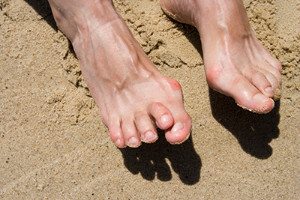 Hammertoes when the second and third toes are bent at the middle joint. They are considered to be a deformity and can cause the toes to resemble hammers. Many patients have calluses that develop on top of the bent joints, which happen when the toes rub against your shoes while walking. Patients who have hammertoe may have weakened nerves or a muscle imbalance. Buddy taping, which is accomplished by taping the affected toe to the toe next to it, may be effective in providing stability. Additionally, it is beneficial to perform specific stretches that can help to strengthen the toes and overall foot. It is recommended that you confer with a podiatrist if you notice the signs of a developing hammertoe.
Hammertoes can be a painful condition to live with. For more information, contact the podiatrists of Issaquah Foot & Ankle Specialists. Our doctors will answer any of your foot- and ankle-related questions.
Hammertoe
Hammertoe is a foot deformity that occurs due to an imbalance in the muscles, tendons, or ligaments that normally hold the toe straight. It can be caused by the type of shoes you wear, your foot structure, trauma, and certain disease processes.
Symptoms
- Painful and/or difficult toe movement
- Swelling
- Joint stiffness
- Calluses/Corns
- Physical deformity
Risk Factors
- Age – The risk of hammertoe increases with age
- Sex – Women are more likely to have hammertoe compared to men
- Toe Length – You are more likely to develop hammertoe if your second toe is longer than your big toe
- Certain Diseases – Arthritis and diabetes may make you more likely to develop hammertoe
Treatment
If you have hammertoe, you should change into a more comfortable shoe that provides enough room for your toes. Exercises such as picking up marbles may strengthen and stretch your toe muscles. Nevertheless, it is important to seek assistance from a podiatrist in order to determine the severity of your hammertoe and see which treatment option will work best for you.
If you have any questions, please feel free to contact one of our offices located in Issaquah, WA . We offer the newest diagnostic and treatment technologies for all your foot care needs.
Dr. Brandon Nelson Discusses The Lapiplasty, One Of The Most Advance Surgical Options To Fix Your Bunion
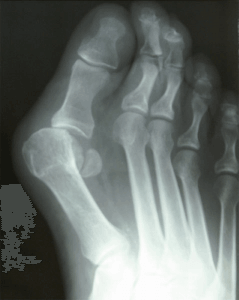
Bunion surgery is by far the most common surgery I perform. In an average year I fix approximately 100-200 bunions. I have been operating now for 15 years and that adds up to a lot of bunions. That is why I am excited about a new option for helping my patients with bunions. The Lapiplasty is a new option that helps correct bunions. The procedure itself has been around for greater than 50 years however this new instrumentation system allows for quicker healing times and smaller incisions. Please watch this video to see an introduction to the Lapiplasty.
The Lapidus technique to fix a bunion has proven to be one of the best options we have available for bunion surgery. We have been using this technique for years and it has proven to have excellent results and long term outcomes. The Lapiplasty technique is a modification to an existing procedure that improves patient recoveries. See this video for an explanation of the surgical technique.
If you are suffering from a bunion and are finally ready to have it fixed schedule and appointment today. Dr. Nelson has extensive experience with the Lapidus and can help you fix your bunion and get you back to the activities you love. Give us a call today at 425-391-8666 or make an appointment online.
Patient Testimonials: See some happy patients below.
Dr. Brandon Nelson, a Board Certified Bunion Expert, Discusses Bunion Surgery and Covid-19
Bunion surgery and even surgery in general requires planning. Covid-19 has created a new work environment for a lot of people in Washington State. A larger percentage of people are working from home and have decided this provides an opportunity for them to have bunion surgery.
Surgery in general can be challenging, trying to find the correct time and date, planning for the recovery and taking time off work. However, we have seen quite a few people this year that have found working from home to be an advantage for surgery recovery. Without the need for a commute recovering at home and working has seem to work well.
I agree with these patients as foot and ankle surgery often requires modification to one’s work schedule. People working from home have a great opportunity to get the surgery they have been putting off. I think that this is a silver lining of Covid-19. I have personally seen our surgical load increase this year as people want to have elective surgeries they have been procrastinating.
I still think it is important to plan ahead. I like to provide my patients with all the information they require so they can prepare and make their recovery easier. Being preparde can make the surgical process much easier. Getting your house ready, making sure you have a way to get around, setting up a work station all these little tips make a big difference.
If you have a bunion or have been waiting to have surgery on your foot or ankle now is a great time. Give us a call today at 425-391-8666 or make an appointment online.
Ingrown Toenails
An ingrown toenail is a nail that has curved downward and grown into the skin. This typically occurs at either the nail borders or the sides of the nail. As a result, pain, redness, swelling, and warmth may occur in the toe. If a break in the skin forms due to the ingrown nail, bacteria may enter and cause an infection in the area; this is typically characterized by a foul odor and drainage.
Ingrown toenails have multiple reasons for developing. In many instances, the condition is a result of genetics and is inherited. The most common cause, however, is improper trimming; cutting the toenails too short forces the skin beside the nail to fold over. An ingrown toenail can also develop due to trauma, such as stubbing the toe, having an object fall on the toe, or participating in activities that involve repeated kicking or running. Wearing shoes that are too tight or too short can also cause ingrown toenails.
Treatment for an ingrown toenail varies between patients and the severity of the condition. In most cases, it is best to see your podiatrist for thorough and proper treatment. After examining your toe, your podiatrist may prescribe oral antibiotics to clear the infection if one is present. Surgical removal of either a portion of the nail or the entire nail may also be considered. In some cases, complete removal or destruction of the nail root may be required. Most patients who undergo nail surgery experience minimal pain afterward and can return to normal activity the following day.
Ingrown toenails can be prevented with proper nail trimming and by avoiding improper-fitting shoes. When cutting the toenails, be sure that you are cutting in a straight line and avoid cutting them too short. Shoes should not be too short or tight in the toe box.
Signs Your Child May Have an Ingrown Toenail

An ingrown toenail is defined as the nail on the big toe growing into the surrounding skin. Parents may notice their child is limping as this condition develops. In severe cases, it can cause difficulty walking, and may be beneficial to seek immediate treatment. Ingrown toenails can cause severe pain and discomfort, and often occur due to wearing shoes that do not have adequate room for the toes to move freely. Additionally, genetic factors may contribute to the onset of an ingrown toenail. The symptoms patients can experience can include redness, swelling, extreme tenderness, and a yellow discharge oozing from the affected area. If you notice your child has any of these symptoms, it is strongly suggested that you consult with a podiatrist who can effectively treat ingrown toenails.
Ingrown toenails may initially present themselves as a minor discomfort, but they may progress into an infection in the skin without proper treatment. For more information about ingrown toenails, contact the podiatrists of Issaquah Foot & Ankle Specialists. Our doctors can provide the care you need to keep you pain-free and on your feet.
Ingrown Toenails
Ingrown toenails are caused when the corner or side of a toenail grows into the soft flesh surrounding it. They often result in redness, swelling, pain, and in some cases, infection. This condition typically affects the big toe and may recur if it is not treated properly.
Causes
- Improper toenail trimming
- Genetics
- Improper shoe fitting
- Injury from pedicures or nail picking
- Abnormal gait
- Poor hygiene
You are more likely to develop an ingrown toenail if you are obese, have diabetes, arthritis, or have any fungal infection in your nails. Additionally, people who have foot or toe deformities are at a higher risk of developing an ingrown toenail.
Symptoms
Some symptoms of ingrown toenails are redness, swelling, and pain. In rare cases, there may be a yellowish drainage coming from the nail.
Treatment
Ignoring an ingrown toenail can have serious complications. Infections of the nail border can progress to a deeper soft-tissue infection, which can then turn into a bone infection. You should always speak with your podiatrist if you suspect you have an ingrown toenail, especially if you have diabetes or poor circulation.
If you have any questions, please feel free to contact one of our offices located in Issaquah, WA . We offer the newest diagnostic and treatment technologies for all your foot care needs.
Dr. Brandon Nelson, A Board Certified Bunion Expert, Discusses Why Issaquah Foot & Ankle Specialists Is The Number One Bunion Surgery Center
Why Us?
The bunion is a complex deformity that arises for many reasons. It is primarily a deviation of the toe on the first metatarsal and the medial cuneiform.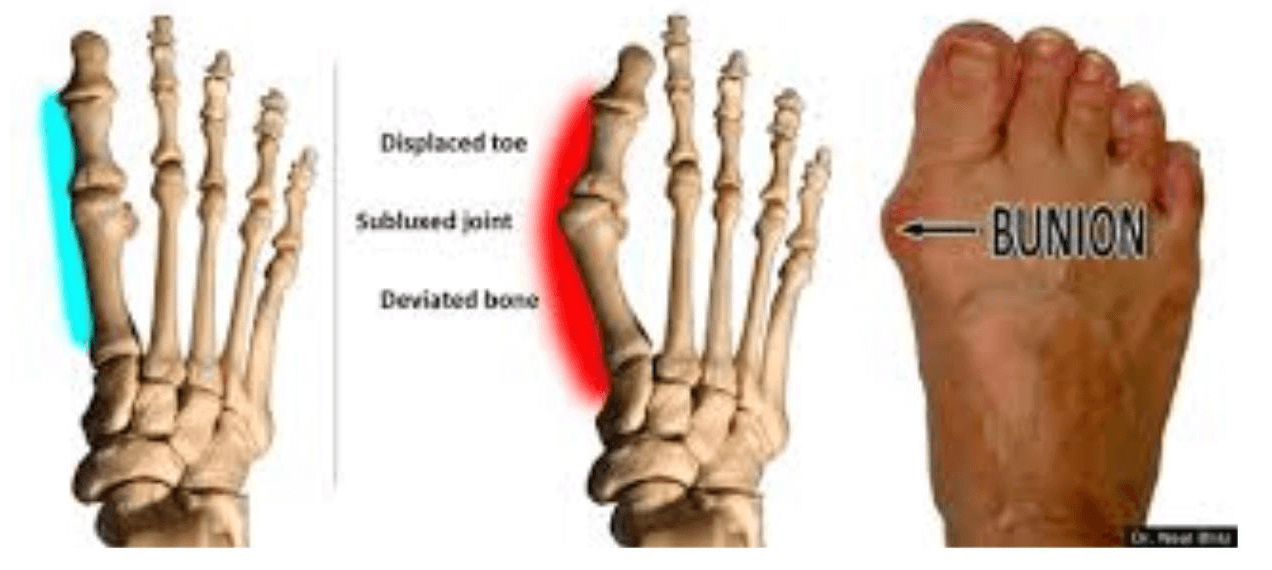
However, it is much more complex than that. The majority of surgeons do not appreciate the fundamental nature of the bunion and the inherit instability of the foot that leads to the bunion. That is where Issaquah Foot & Ankle Specialists are different than the majority of clinics, we specialize in bunions and are considered the premier experts.
To further expend on why we are the only place to have bunion surgery will take a little understanding of the deformity itself. The bunion is not a simple deviation of the toe it is complex condition that requires consideration of the overall foot structure and the cardinal planes of the body. Cardinal planes or anatomical planes are terms we use to describe the three-dimensional relationship of the human body
and how it moves in space. The three cardinal planes are the frontal, transverse and saggital.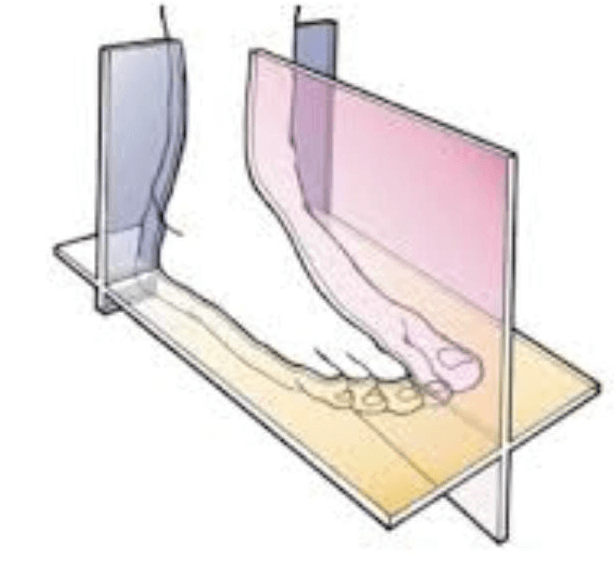
Why are these cardinal planes important when it comes to bunion surgery?
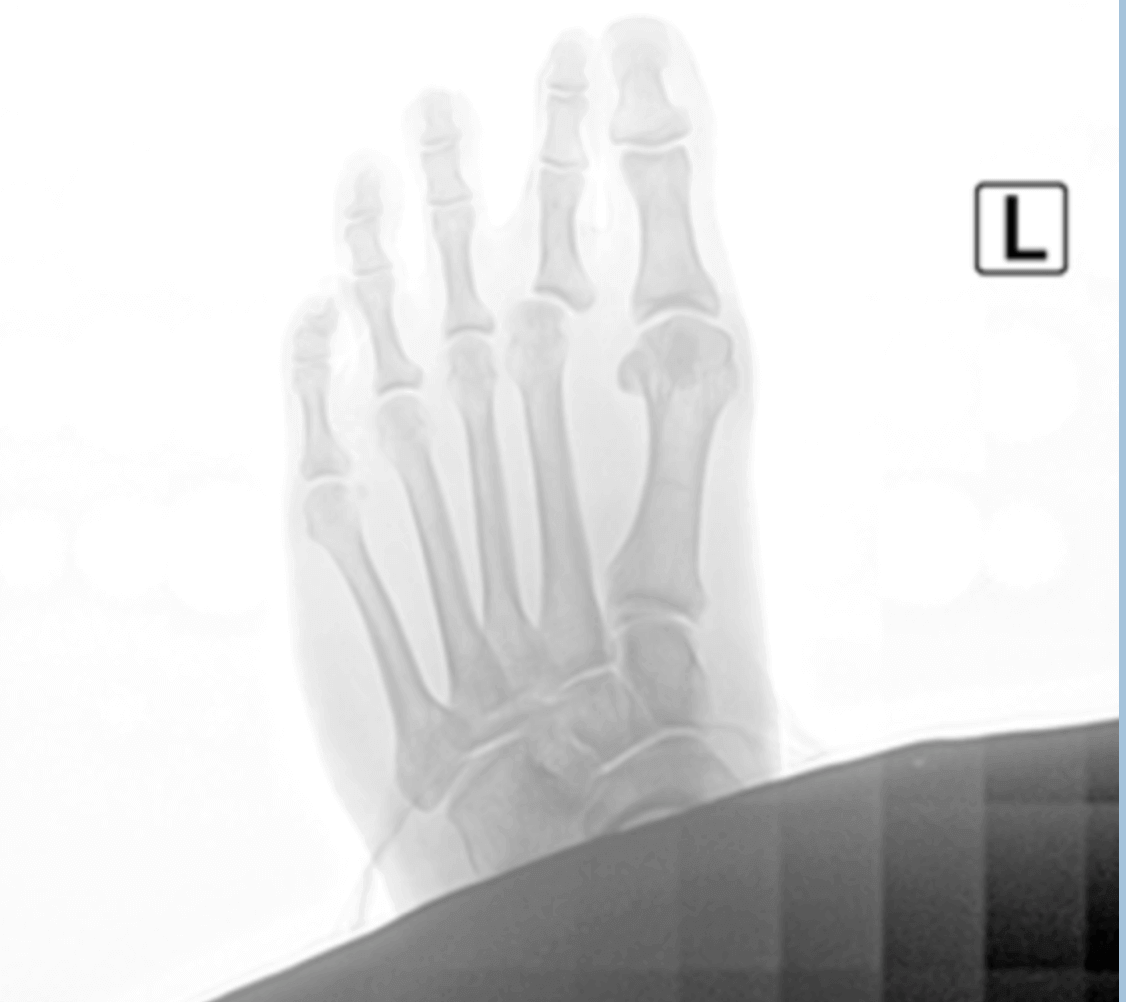
It is extremely important to evaluate all three anatomical planes when it comes to a bunion. The vast majority of bunion surgeons do not evaluate the bunion with respect to these planes and often use a 2-D picture to describe a 3-D problem. An example of this is what is called the Anterior-Posterior x-ray view. This is the view most commonly employed for a bunion.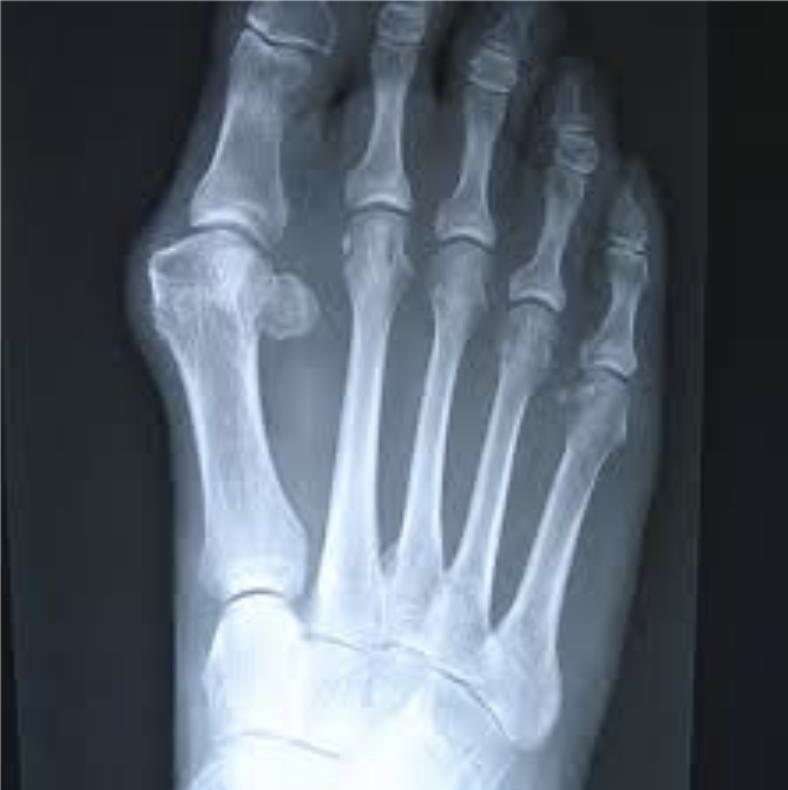
The problem with only evaluating the bunion on this top-down view is it only provides a picture of the deformity in one anatomical plane. This is where the problem lies. The large majority of bunion surgeons stop here and provide a correction in this plane only. This can ultimately result in reoccurrence and revisional surgery. This is an incomplete understanding of the bunion and one of the main reasons for poor outcomes. Issaquah Foot & Ankle Specialists provide a complete evaluation of the foot and bunion as a whole. That is why we also incorporate an x-ray technique that helps to evaluate the bunion relationship to the foot and all anatomical planes.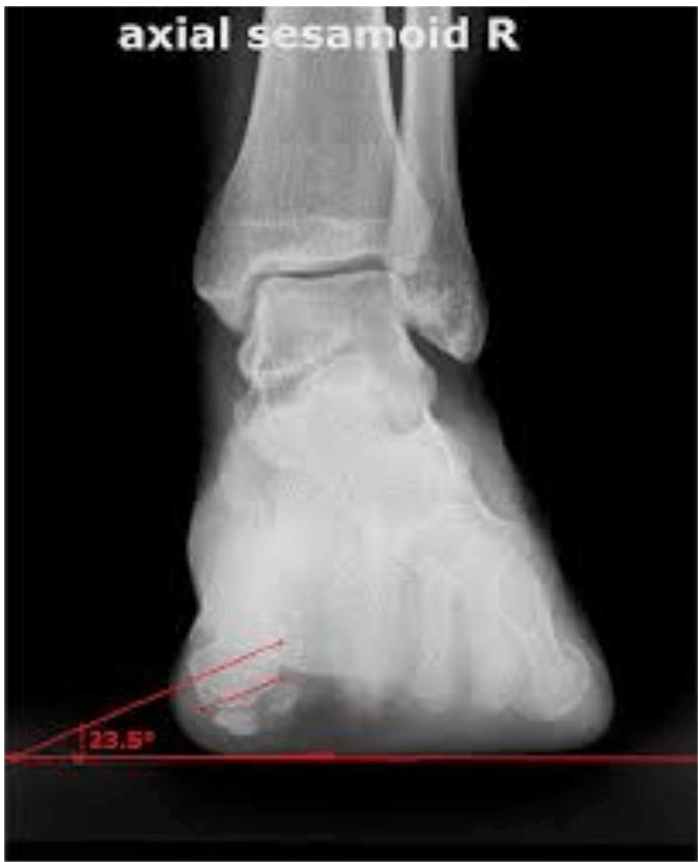
The above picture is called a sesamoid axial x-ray. It is one of the most important x-rays for a bunion. This helps the surgeon, in combination with the top-down view we saw above, make the best possible decision in planning for a bunion deformity correction. This sesamoid view above determines the bunion’s relationship in another anatomical plane the frontal plane. The frontal plane basically describes the position of the bunion and whether there is any rotation of the bone. If your surgeon only looks in one cardinal plane, they will miss the rotation of the bunion and only provide correction in one plane and your reoccurrence rate goes up.
I strongly recommend anybody that is contemplating bunion surgery to have your foot evaluated by one of our Doctors, we are Board Certified Bunion Experts and have over 30 years of experience and performed 1000’s of bunion surgeries.
Give us a call today at 425-391-8666 or make an appointment online today.
Dr. Brandon Nelson Discusses When Heel Pain is Not Plantar Fasciitis
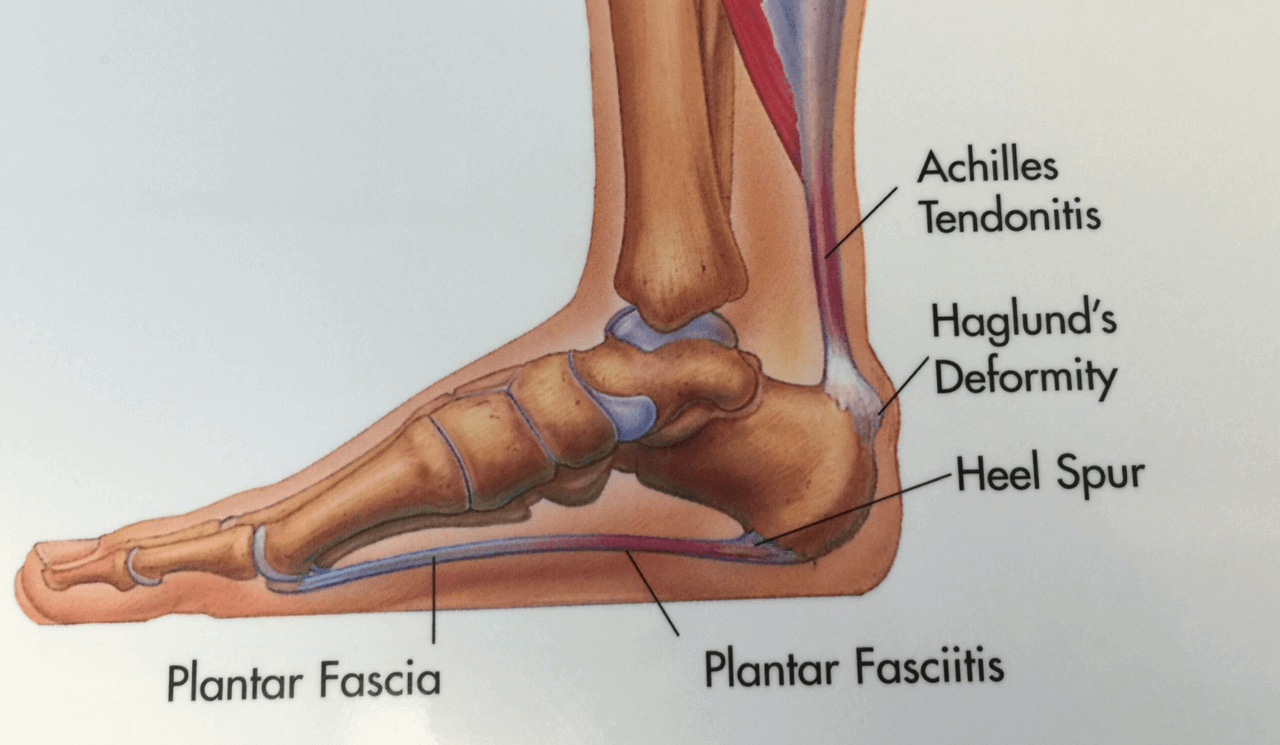
It is well known that the number one cause of heel pain is plantar fasciitis. The most common presenting symptoms if one has plantar fasciitis are pain in the morning and a bruised type sensation on the bottom of the heel. However, there can be many other causes of heel pain and I will discuss a few today. It is important to remember to have your foot evaluated by a physician as this will lead to better outcomes and prevent further damage.
Bursitis, bursitis refers to an inflammation process of a sac of fluid or a bursa. This can be a common cause of heel pain. The presentation of heel bursitis is very similar to plantar fasciitis. One of the best ways to differentiate the two is to have an ultrasound of the heel. Issaquah Foot & Ankle Specialists keeps an ultrasound on hand for all patients with heel pain. Heel bursitis is usually seen on a patient with a thin fat pad and high arched feet.
Tarsal Tunnel Syndrome, or another type of nerve entrapment are common for people that have burning in their feet. This condition is very similar to carpal tunnel of the wrist and involves a nerve or nerves being compressed in the foot or ankle. Typically these patients will have numbness or tingling or pain that does not go away. Often this diagnosis will require a nerve conduction study.
If you are suffering from heel pain make an appointment today and we can help. Give us a call at 425-391-8666 or make an appointment online.
