




June 2020
Dr. Timothy Young Talks About Minimally Invasive Foot Surgery
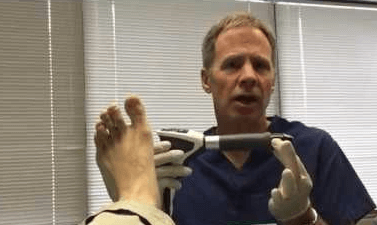
So it is a compromise. There are times when minimal incision surgery is extremely effective. For example smaller bone spurs on the toes can be removed with a small incision and a burr power. Sometimes a tight tendon can be released through a very small incision. There are some innovative new systems and medical instrument companies that are coming up with techniques to do some procedures through a small incision. The following is an example of minimal incision surgery to remove a spur on the fifth toe. There is a before and after image of the x-ray. The incision on this is typically only 4 mm in length.
Dr. Brandon Nelson Discusses That Terrible Pain in Your Foot That Occurs in the Morning
Getting up in the morning is hard enough without adding foot pain. Many patients present to our clinic with morning pain or first step pain that has been present for months. I believe this has to be a very challenging way to start your day and I empathize with anybody that suffers from this. The most common cause of morning pain or first step pain is plantar fasciitis, heel pain or bone spurs. Typically once calf muscle and plantar fascia have a chance to relax with sleeping a contracture occurs. This contracture makes for a tight fascia and heel cord so that when patients steps down after sleeping or after resting that tightness creates pain.
This morning or first step pain can create a cycle of chronic pain making plantar fasciitis hard to treat. I really encourage my patients to do a significant amount of calf and plantar fascia stretching. It is very important for patients to work on overall tightness of your calf and facia, utilizing tools like a foam rolling, calf stretching techniques or a theraband can help. I also encourage early intervention by a foot and ankle physician to avoid chronic fasciitis. Once patients reach a chronic fasciitis state can be extremely challenging and frustrating for both the patient and physician alike. At Issaquah Foot and Ankle Specialists, we pride ourselves on utilizing the most advanced treatments available to cure plantar fasciitis once and for all. If you’re suffering from morning pain or plantar fasciitis, give us a call at 425-391-8666 or make an appointment online today.
How Does Gout Occur?
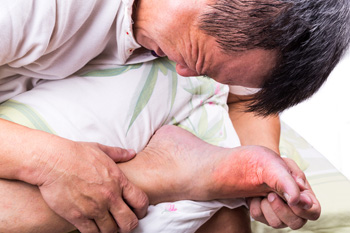 Elevated levels of uric acid in the blood are often the cause of a medical condition that is known as gout. Common symptoms that many patients experience are severe pain and discomfort, and it is often difficult to walk. Gout may occur as a result of eating specific foods that can include red meat, seafood, and drinks that have a high sugar content. Additional reasons can consist of genetic factors and existing medical conditions such as diabetes and obesity. After a proper diagnosis is performed, treatment can begin. It is beneficial to adopt healthy eating habits and drink plenty of water daily. If you are afflicted with gout, it is strongly advised that you are under the care of a podiatrist who can determine the correct treatment plan for you.
Gout is a foot condition that requires certain treatment and care. If you are seeking treatment, contact the podiatrists from Issaquah Foot & Ankle Specialists. Our doctors will treat your foot and ankle needs.
What Is Gout?
Gout is a type of arthritis caused by a buildup of uric acid in the bloodstream. It often develops in the foot, especially the big toe area, although it can manifest in other parts of the body as well. Gout can make walking and standing very painful and is especially common in diabetics and the obese.
People typically get gout because of a poor diet. Genetic predisposition is also a factor. The children of parents who have had gout frequently have a chance of developing it themselves.
Gout can easily be identified by redness and inflammation of the big toe and the surrounding areas of the foot. Other symptoms include extreme fatigue, joint pain, and running high fevers. Sometimes corticosteroid drugs can be prescribed to treat gout, but the best way to combat this disease is to get more exercise and eat a better diet.
If you have any questions, please feel free to contact one of our offices located in Issaquah, WA . We offer the newest diagnostic and treatment technologies for all your foot care needs.
Everything You Need to Know About Gout
Gout, typically found in diabetic patients, is an unusually painful form of arthritis caused by elevated levels of uric acid in the bloodstream. The condition typically strikes the big joint on the big toe. It has also been known to strike the knees, elbows, fingers, ankles and wrists—generally anywhere that has a functioning, moving joint.
The high level of uric acid in a person’s bloodstream creates the condition known as hyperuricema—the main cause of gout. Genetic predisposition occurs in nine out of ten sufferers. The children of parents who suffer gout will have a two in ten chance of developing the condition as well.
This form of arthritis, being particularly painful, is the leftover uric acid crystallizing in the blood stream. The crystallized uric acid then travels to the space between joints where they rub, causing friction when the patient moves. Symptoms include: pain, redness, swelling, and inflammation. Additional side effects may include fatigue and fever, although reports of these effects are very rare. Some patients have reported that pain may intensify when the temperature drops, such as when you sleep.
Most cases of gout are easily diagnosed by a podiatrist’s assessment of the various symptoms. Defined tests can also be performed. A blood test to detect elevated levels of uric acid is often used as well as an x-ray to diagnose visible and chronic gout.
Treatment for gout simply means eliminating symptoms. Non-steroid anti-inflammatory drugs or NSAIDs (Colchicine and other corticosteroid drugs, etc.) will quell the redness, the swelling, and the inflammation. However, managing your diet, lifestyle changes, and using preventative drugs are all helpful toward fully combating the most severe cases.
Those that lead an inactive lifestyle are at a higher risk for gout. Any amount of exercise decreases the probability of repeat encounters with the condition. Reducing your consumption of red meat, sea food, and fructose-sweetened drinks also reduces the likelihood of chronic gout as well.
Ingesting Vitamin C, coffee, and particular dairy products can help with maintaining a healthy lifestyle. There are new drugs out on the market that inhibit the body’s production of uric acid-producing enzymes. However, reducing or eliminating your overall levels of uric acid is the best remedy to ensuring you lead a gout-free life.
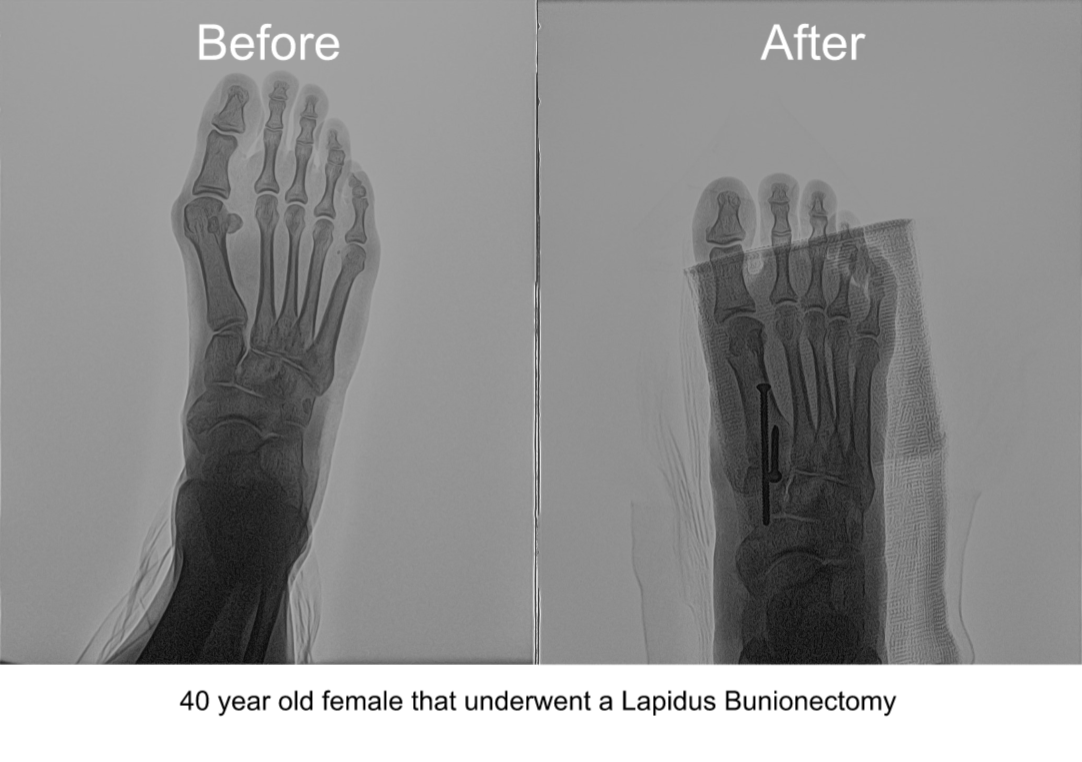
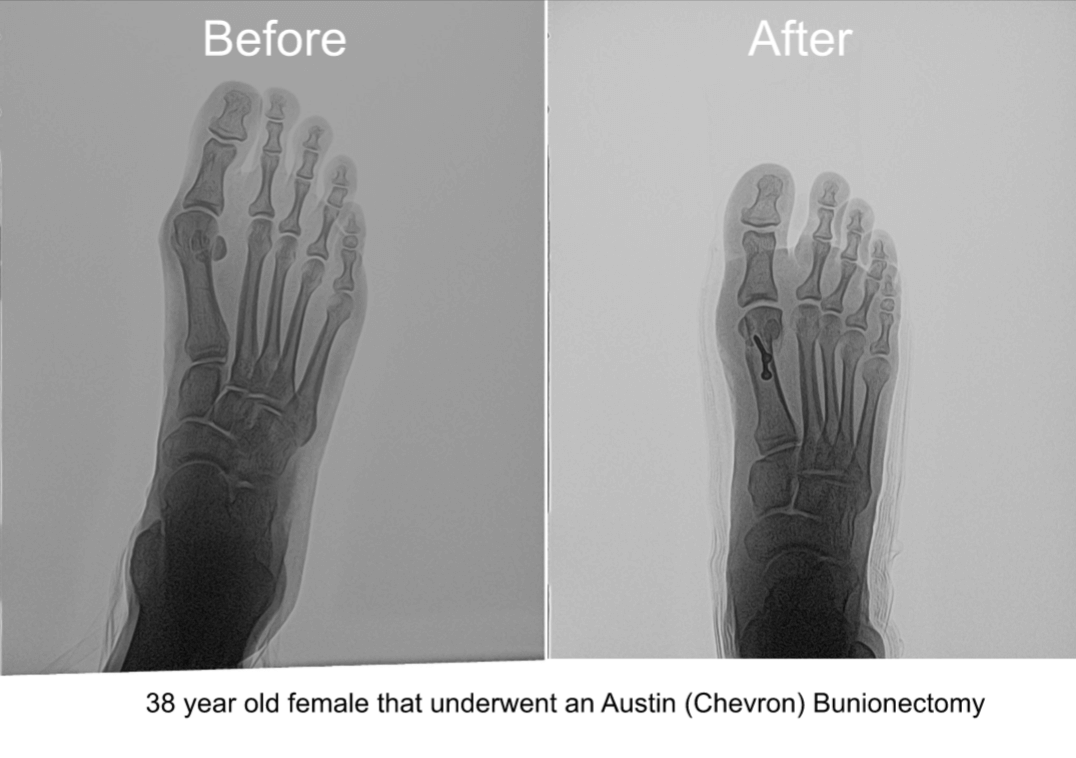
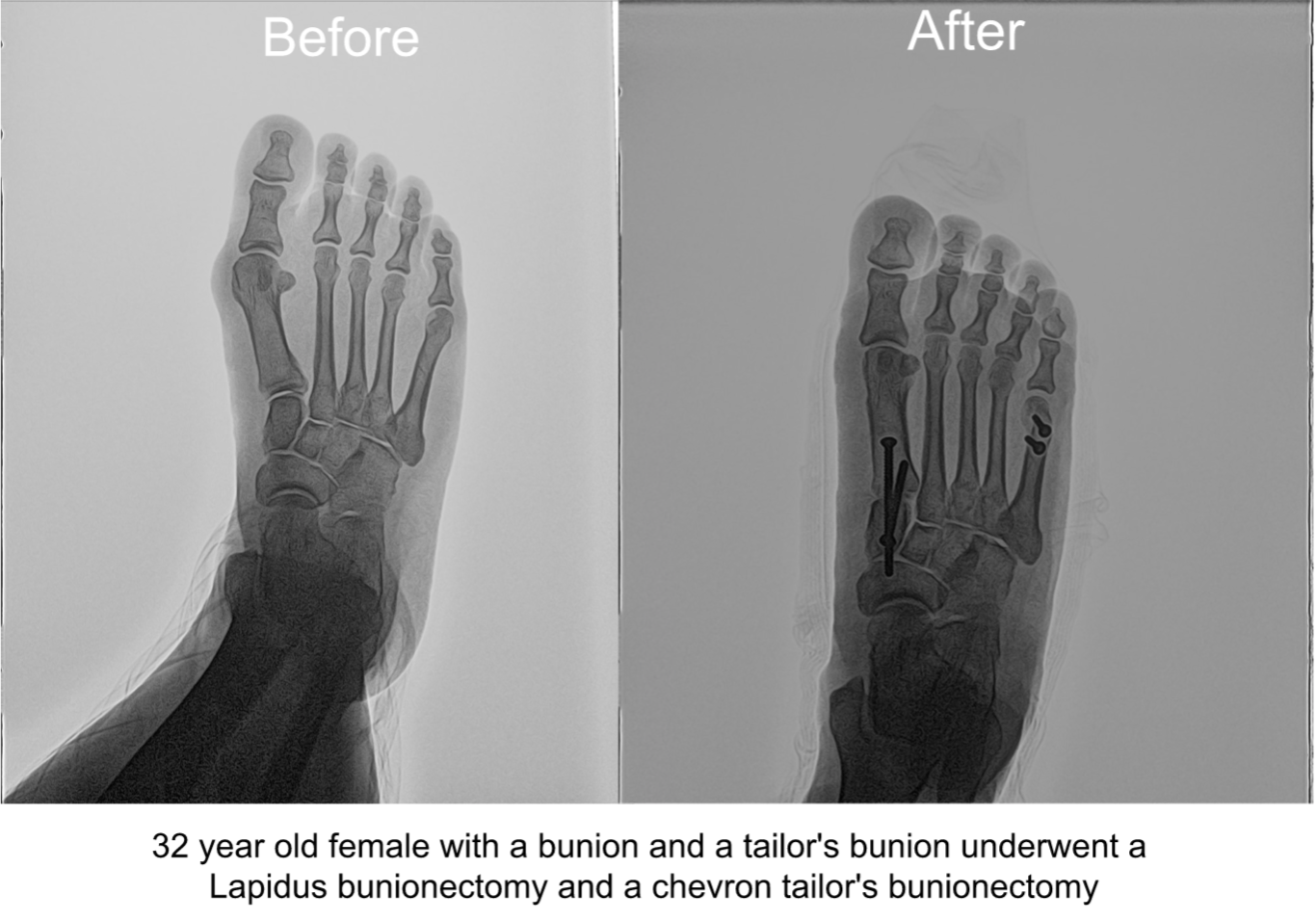
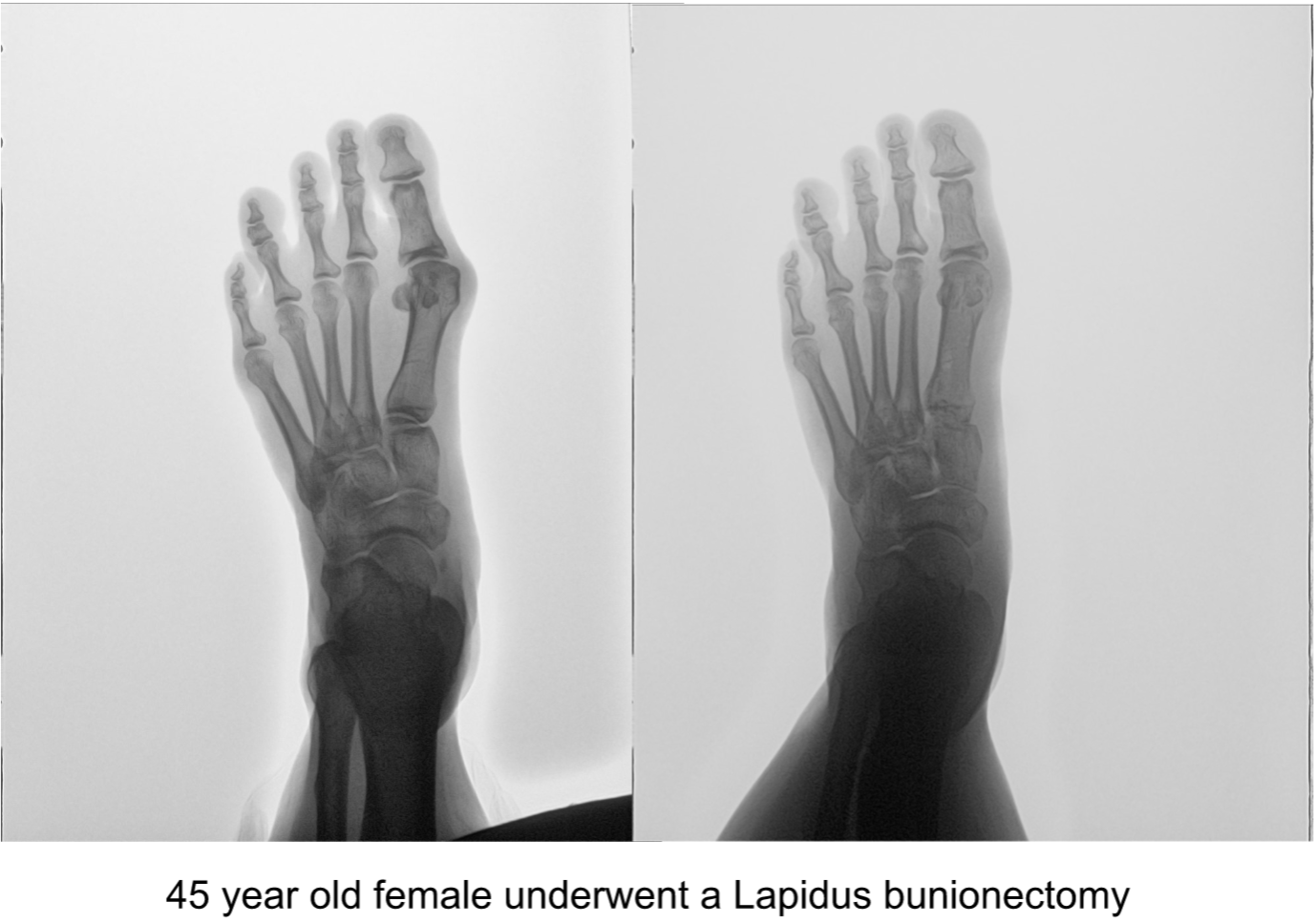
Bunion Before / After Pictures
Bunion Before & After Pictures
Two Types of Corns
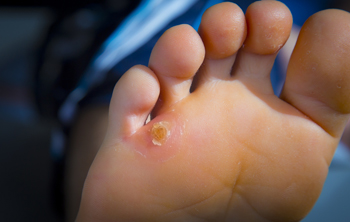 A corn is an area of skin that develops in a circular shape and is often found on the bottom of the foot or between the toes. It typically forms as a result of excess friction that can come from wearing shoes that do not fit correctly. Additionally, a corn can develop on the inside of the heel from existing medical conditions that can include flat feet. Hard corns can develop on top of the toes or on the sole of the foot. A corn that is found between the toes is referred to as a soft corn and can cause pain and discomfort. Relief may be found when the feet are washed and dried thoroughly, and it may also help to file the corn with a pumice stone. If you have a corn that is hindering daily activities, it is strongly advised that you consult with a podiatrist who can treat this condition properly.
If you have any concerns regarding your feet and ankles, contact the podiatrists of Issaquah Foot & Ankle Specialists. Our doctors will treat your foot and ankle needs.
Corns: What Are They? and How Do You Get Rid of Them?
Corns can be described as areas of the skin that have thickened to the point of becoming painful or irritating. They are often layers and layers of the skin that have become dry and rough, and are normally smaller than calluses.
Ways to Prevent Corns
There are many ways to get rid of painful corns such as wearing:
- Well-fitting socks
- Comfortable shoes that are not tight around your foot
- Shoes that offer support
Treating Corns
Treatment of corns involves removing the dead skin that has built up in the specific area of the foot. Consult with Our doctors to determine the best treatment option for your case of corns.
If you have any questions, please feel free to contact one of our offices located in Issaquah, WA . We offer the newest diagnostic and treatment technologies for all your foot care needs.
Corns: What Are They, and How Do You Get Rid of Them
Corns are thickened areas on the skin’s surface, to the point of being irritating and sometimes painful. Commonly found on the feet, corns are circular or cone-shaped. They develop where there are areas of pressure or friction, such as on the little toe when it rubs up against shoes, or on the ball of your foot.
Corns are often confused with a callus, but there is a difference between them. Corns can be raised bumps that are painful to the touch. They consist of a rough, thick area of skin that may be dry or waxy. Corns tend to be surrounded by skin that is inflamed, and are usually much smaller than calluses.
Removing the dead skin that has built up is the key in treating corns. Salicylic acid medication is most common in accomplishing this. The acid works by dissolving keratin, which is the protein that makes up the majority of corns. You can purchase salicylic acid over-the-counter in products such as wart removers. It comes in a variety of forms such as medicated pads, drops, or creams. However, people who are diabetic should not use salicylic acid, but should instead consult their doctor immediately.
According to the product directions, applying the medication directly onto the corn will treat it. The top layer of the corn will begin to turn white after use. When that occurs, the layers of skin can then be peeled away, making the corn smaller. Shaving off corns with razors or other pedicure equipment is never a good idea. This can lead to infection. If your corn gets infected, and is not treated immediately, a visit to the doctor will be necessary.
Another way to treat corns and help prevent their return is by using orthotic inserts, fitted by a podiatrist. Inserts fit right into your shoes and adjusts the way your foot fits into your shoes. This fixes the way you walk. This will lower your chances of getting corns, and eliminate current corns by reducing rubbing from friction.
Surgery is rarely used to treat corns, but does occur on occasion. Surgery actually deals with the underlying issue that causes corns. During surgery, the bone is shaved and any abnormalities are corrected, thus reducing the amount of friction that occurs during walking.
To prevent corns, the first step is reducing friction. Always wear shoes that fit well and don’t rub your feet. Pads can be purchased if you notice rubbing developing. These pads can be purchased over-the-counter, and can be simply placed on the irritated area. Wearing cushioned insoles in your shoes can always reduce the friction, and making sure to wear well-fitting shoes. This will ensure that your foot is not being squeezed awkwardly, and prevent corns from forming in the first place.
Bunion Videos
Dr. Brandon Nelson Discusses Bunion Surgery For Runners
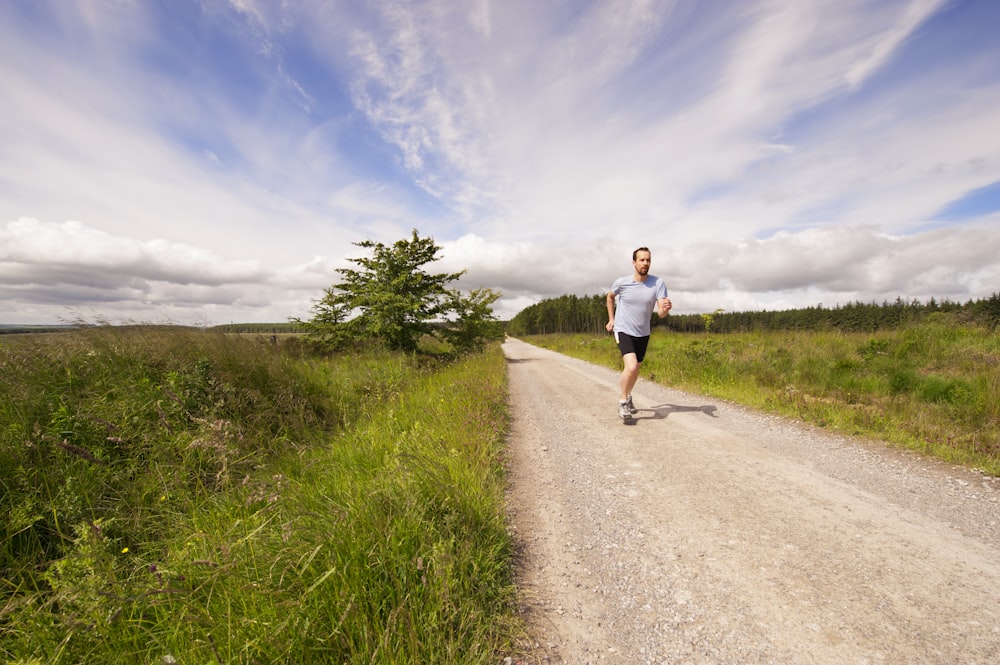
I treat a lot of runners in the office for all sorts of foot and ankle pain. I am a runner myself and so I enjoy treating these patients. It seems as though a lot of runners have foot deformities and one of most common is a bunion. It is important to note that the bunion itself can grow larger with increased activities like running. Running and bunions can be challenging from a structural standpoint and from a pain reduction standpoint. I feel like I have a lot of tools at my disposal to help runners become pain free with activities.
The majority of runners I see are great conservative candidates and become extremely happy with their progress. There are a few patients that do not respond to conservative measures and require surgical intervention. It is very important for runners to seek a physician that has a lot of experience dealing with runners in their clinic. This is especially important when contemplating surgical intervention and I can tell you I am extremely cautious with procedure selection on runners. If you have a bunion and are getting pain with running you may be a candidate for conservative measures or surgical measures. I would love to help you keep running happy trails!
Give us a call at 425-391-866 or make an appointment online today.
What are Achilles Tendon Injuries
The Achilles tendon is the strongest tendon in the human body. Its purpose is to connect the lower leg muscles and calf to the heel of the foot. This tendon is responsible for facilitating all types of movement, like walking and running. This tendon provides an enormous amount of mobility for the body. Any injuries inflicted to this tissue should be immediately brought up with a physician to prevent further damage.
The most common injuries that can trouble the Achilles tendon are tendon ruptures and Achilles tendinitis. Achilles tendinitis is the milder of the two injuries. It can be recognized by the following symptoms: inflammation, dull-to-severe pain, increased blood flow to the tendon, thickening of the tendon, and slower movement time. Tendinitis can be treated via several methods and is often diagnosed by an MRI.
An Achilles tendon rupture is trickier to heal, and is by far the most painful injury. It is caused by the tendon ripping or completely snapping. The results are immediate and absolutely devastating, and will render the patient immobile. If a rupture or tear occurs, operative and non-operative methods are available. Once the treatment begins, depending on the severity of the injury, recovery time for these types of issues can take up to a year.
Simple preventative measures can be taken as a means to avoid both injuries. Prior to any movement, taking a few minutes to stretch out the tendon is a great way to stimulate the tissue. Calf raises, squats, leg curls, leg extensions, leg raises, lunges, and leg presses are all suggested ways to help strengthen the lower legs and promote Achilles tendon health.
Many problems arise among athletes and people who overexert themselves while exercising. Problems can also happen among those who do not warm up properly before beginning an activity. Proper, comfortable shoes that fit correctly can also decrease tendon injuries. Some professionals also suggest that when exercising, you should make sure that the floor you are on is cushioned or has a mat. This will relieve pressure on the heels. A healthy diet will also increase tendon health.
It is very important to seek out a podiatrist if you believe you have an injury in the Achilles region. Further damage could result in severe complications that would make being mobile difficult, if not impossible.
