

February 2019


Stress fractures in the foot and metatarsals (forefoot) are quite common. There’s almost always swelling of the forefoot and often there is pain. It is most common with the second metatarsal but it can also involve the third or fourth metatarsals. The first and fifth and metatarsals are much less common.


With a stress fracture there is bone fatigue to the point, that there’s a break in the outer shell or cortex of the bone. But it’s a hairline break in the body usually is able to try to protect it and start the process of healing. The body‘s way to heal this is to form a bone callous adjacent to the break in the bone. The bone callous becomes is visible on x-ray where as the original fracture is such a fine hairline break that often you cannot see it on x-ray. With enough time or activity the fracture outer shell cortical fracture or break can progress to a displaced fracture that is now a visible fracture on x-ray. 


On the other hand, with a stress reaction of bone there is not a break in the cortex of the bone and the bone callous therefore never develops. But inside the bone there is still marrow edema. This means that the bone has increased activity and literally swelling within the bone. With both a stress reaction of bone and a stress fracture there is marrow edema that can be seen with an MRI - for early detection of both conditions. Ultrasound imaging can often show a stress fracture early, but not a stress reaction of bone.


Functionally both conditions are quite similar since they both involve bone healing. Typical bone healing for an adult is eight weeks. If you have pain in your feet or swelling, please make an appointment for a consultation at our clinic or give us a call at 425-391-8666.
Friday, 15 February 2019 11:56

Pain in the Big Toe

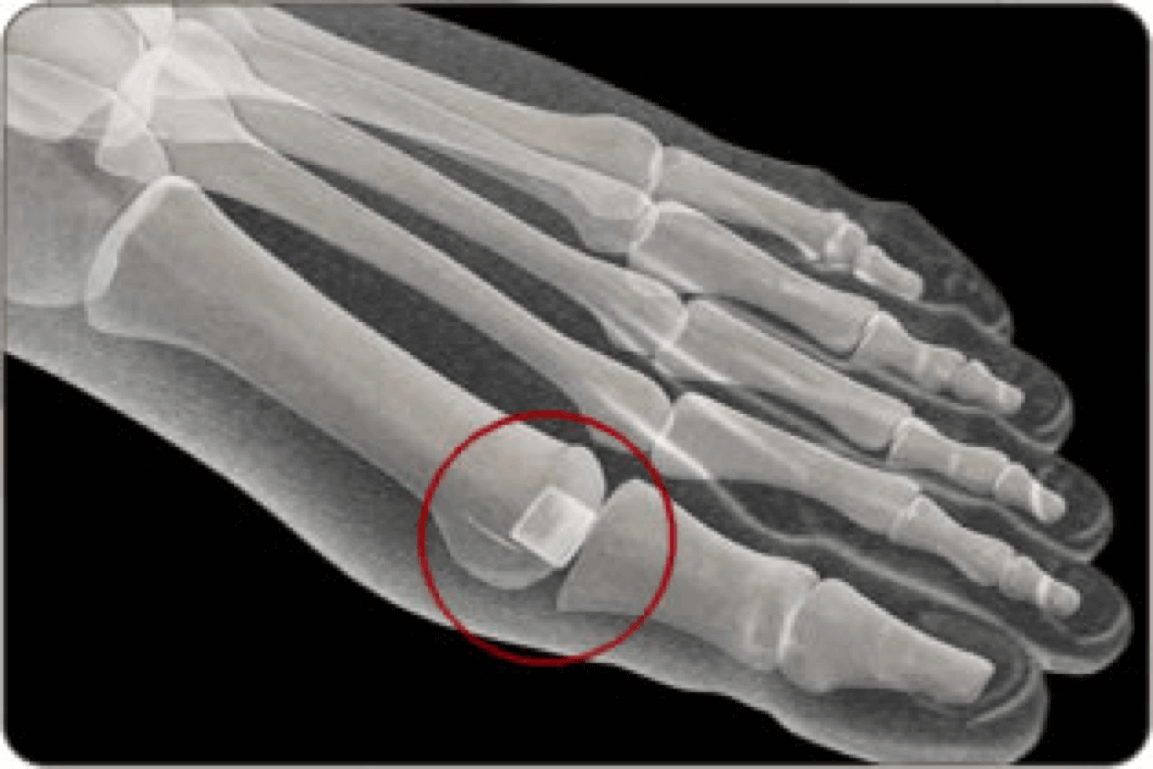
Pain in the big toe is a common occurrence for many people. We see quite a few people at our clinic that have increased pain with activities and ambulating. There are many reasons for people to have big toe pain including arthritis or deformities like bunions or hammertoes. The most common condition is arthritis. This often presents as pain with swelling and limited range of motion. Arthritis is easily diagnosed with an x-ray that will demonstrate joint space narrowing.

Many people have a history of trauma that they can recall like a turf type injury or stubbing with an activity. Arthritis of the big toe is important to get addressed as it can be progressive and eventually limit activities people can participate in. There are many great treatment options for conservative care as well as surgical care of the big toe joint. The majority of these are highly successful in both reduction of pain in the limited evening the development or slowing the development of arthritis. If you have pain in your big toe region schedule an appointment with Issaquah Foot & Ankle Specialists or give us a call at 425-391-8666.

Friday, 08 February 2019 11:54

Big Toe Arthritis Treatments

Arthritis of the big toe or first metatarsal phalangeal joint is extremely common and happens to be one of the most common things we treat. Arthritis of the big toe is a progressive deformity that can dramatically impact ones way of life. It can make exercising painful and can really cause one to alter their lifestyle. There are many great options for treating this condition and at our clinic we provide the most advanced care that is not available at other clinics. We have special injection therapies to relieve arthritic pain, lubricate the joint and help the joint function return to normal.

In addition we have techniques to provide a decrease in mechanical wear and tear of the joint which is the most common cause of arthritis in the toe. Many practitioners are quick to tell patients fusion is the best option or steroid injections. We prefer to provide longevity to the joint and help patients avoid surgical intervention. When patients require surgery we help evaluate patient lifestyles and habits to help patients select the most appropriate procedure. We are here to help and can provide lasting relief of big toe joint pain, schedule an evaluation today or give us a call at 425-391-8666.

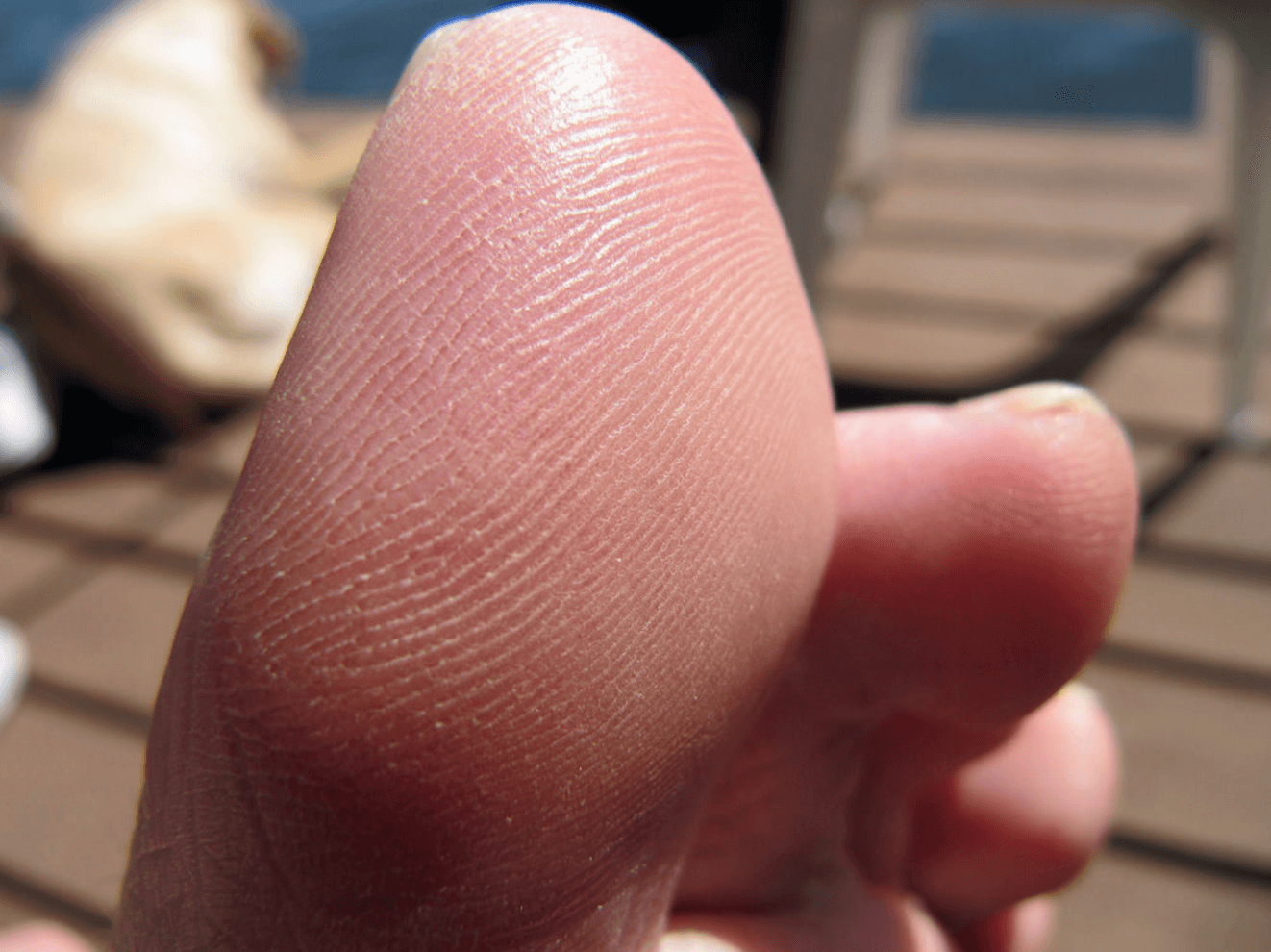
That is a tough question. It is really hard to know what the bump is. However, some of the most common bumps include a plantar fibroma or a porokeratosis (a plugged sweat gland and a plantar verruca wart). That being said you should always have them examined by a foot and ankle physician.

Plantar Fibromas are usually located in the arch and are often a hard small bump. They can spread and enlarge with time. These are growths of collagen that can often be found in people of Scandinavian descent. The treatment of choice was once considered surgical excision but no longer is that the case. Issaquah Foot & Ankle Specialists has a non-surgical approach that has about a 90% success rate. So if other physicians have told you there is nothing to be done get a second opinion from us.

Porokeratosis is usually located in the front of the foot or under the metatarsal bones. There are many theories on these from plugged sweat glands to mechanical friction. The best treatment options for these are to address the cause, ie mechanics or bone spurs or plugged glands. Treatment usually entails removing the source and/or applying topical medications.

Plantar Verucca typically we see on children and a few adults. These look like a normal wart but are on the foot. They can be found singularly or in groups. The hardest ones to treat are on the bottom of the foot as this is the thickest skin in the human body. Most wart treatments consist of trimming and apply medications to them. They can usually be cleared up in two or three visits.

Do not take a wait and see approach to lumps and bumps. The majority are very easy to treat and can be resolved with minimal effort. If you have a lump or bump contact Issaquah Foot & Ankle Specialists or give us a call at 425-391-8666.

Achilles Tendinitis and Planter Fasciitis are some of the most common problems that we see at our clinic. We have treatment options that are very effective for most people, but the timeline can be frustrating because you had this for so long that you want fast results. For those people that want the most efficacious and clinically proven results, I recommend adding shockwave therapy to the treatment protocol immediately. Why wait? The EPAT Shockwave System that we have in our clinic has been the most effective treatment to complement the other treatments that I’ve seen in all my years of experience treating these problems.

Not everybody wants a shot like Cortisone and this can be temporary. Shockwave has the most effective long-term results for people who don’t want any downtime and want to get going again. Professional athletes have this treatment. You can too. Let us know if this is something you want to look into. Please see myself Dr. Timothy Young, or my partner Dr. Brandon Nelson. Give us a call at 425-391-8666 or make an appointment online today.

5 out of 5 stars
Total Reviews : 273