




March 2022
Heel Pain Can Be Treated!

Do you suffer from heel pain when you get up in the morning? If so, you should seek professional help and have a proper diagnosis performed. Heel pain can be caused by several different foot-related conditions.
Dr. Timothy Young, a Board-Certified Foot Surgeon, Discusses Evaluation of Bone Healing Status
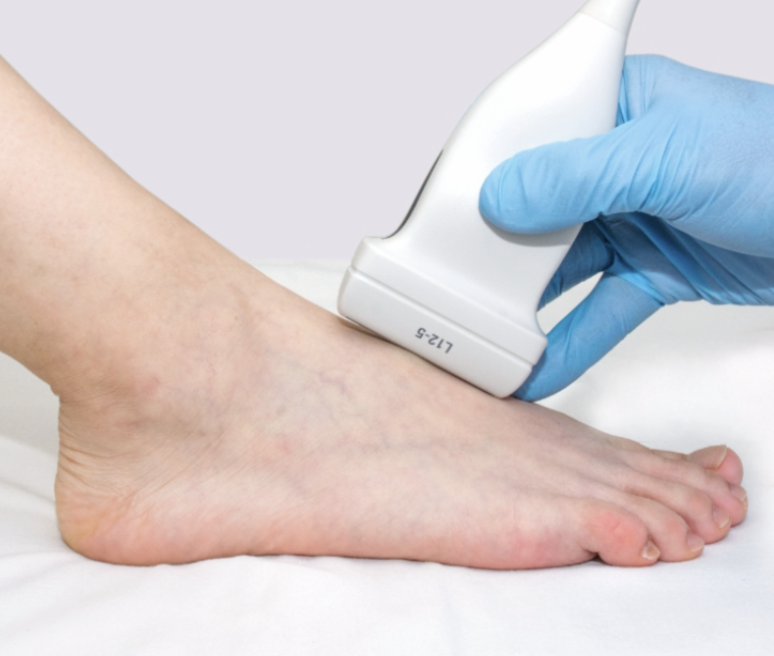
Dr. Timothy Young, a board-certified foot surgeon, discusses evaluation of bone healing status.
How does your surgeon know when bone healing is adequate for unprotected weight-bearing for example if you have had bunion surgery and the bones were cut (osteotomy), then it’s important to stay in a protected boot or surgical shoe until there’s adequate bone healing. Typical bone healing takes approximately eight weeks for a healthy adult that can be less for young adult or teenager. X-rays can be helpful. A CT scan also can be helpful but can be quite expensive and often has artifact due to retained hardware causing magnetic interference with the imaging. One additional tool that I like to utilize is ultrasound imaging.
Ultrasound imaging can show subtle areas of bone bridging that you cannot see with a conventional radiograph. X-ray findings often lag behind the actual bone healing status. So, determining bone healing is always a challenge and based on a number of different indications such as age and health of the patient, appearance of x-rays, and post operative time frames. Oftentimes I can get a better assessment of the actual bone healing by utilizing ultrasound imaging. This often allows me to have our patients get out of their boot or cast earlier and then if I had to rely on x-rays alone.
If you are experiencing foot or ankle pain, give us a call today at 425-391-8666 or make an appointment online.
Dr. Timothy Young, Board Certified Foot Surgeon, Discusses Maximal Recovery After an Ankle Sprain

Dr. Timothy Young, board certified foot surgeon discusses maximal recovery after an ankle sprain
How does a runner know when they’re fully recovered from an ankle injury?
Ankle sprains often in result in total or partial tearing of the ankle ligaments.
Most commonly this is the anterior talofibular ligament or ATF ligament.
For third degree sprain remaining off the ankle for 3-4 weeks is ideal. What about after that timeframe. Wearing a brace initially to protect the ankle from repeat injury is helpful and physical therapy can be helpful. Other rehabilitation options include using a stationary bike or aqua jogging. Balancing exercises or proprioceptive exercises are also helpful.
But when do you know when you can return to running such as trail running
Sometimes it is knowing when you have a confidence than your ankle will hold up over uneven terrain. A very good benchmark for knowing when you can return to running and especially trail running, is when you can run up and downstairs without grabbing the handrail. Your body unconsciously is giving you a " go ahead". This is a crude but actually very accurate indicator of when you have adequate strength and recovery in the ankle and confidence in your proprioceptive - balance reflex.
If you are experiencing foot or ankle pain, give us a call today at 425-391-8666 or make an appointment online today.
What to Do After Hammertoe Surgery
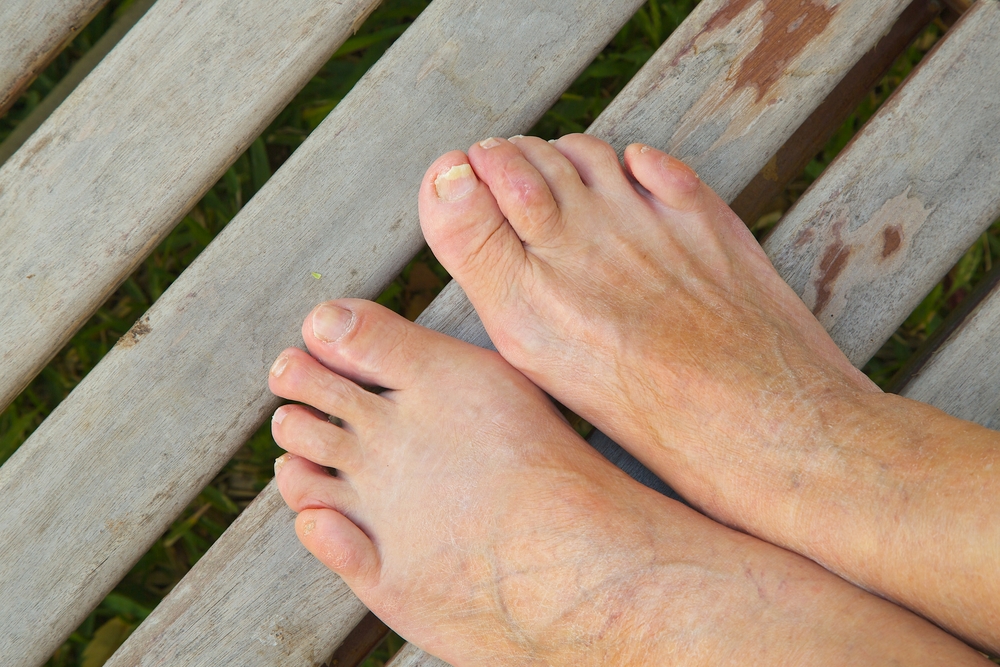 During hammertoe surgery, the deformed toe is straightened to relieve pain and improve your quality of life. General recovery from hammertoe surgery usually takes around six weeks. After your surgery, it is very important to follow your doctor’s instructions so that your toe can heal properly. At home, elevate and rest your foot as often as you can. Wear wide, comfortably fitting shoes that give your toes plenty of space and avoid high heeled shoes. You may be prescribed medications to relieve pain and prevent infection, which you should take as directed. You may also be asked to avoid certain activities to keep pressure off your foot. For more information about surgical aftercare, please consult with your podiatrist.
Hammertoe
Hammertoes can be a painful condition to live with. For more information, contact the podiatrists from Issaquah Foot & Ankle Specialists. Our doctors will answer any of your foot- and ankle-related questions.
Hammertoe is a foot deformity that affects the joints of the second, third, fourth, or fifth toes of your feet. It is a painful foot condition in which these toes curl and arch up, which can often lead to pain when wearing footwear.
Symptoms
- Pain in the affected toes
- Development of corns or calluses due to friction
- Inflammation
- Redness
- Contracture of the toes
Causes
Genetics – People who are genetically predisposed to hammertoe are often more susceptible
Arthritis – Because arthritis affects the joints in your toes, further deformities stemming from arthritis can occur
Trauma – Direct trauma to the toes could potentially lead to hammertoe
Ill-fitting shoes – Undue pressure on the front of the toes from ill-fitting shoes can potentially lead to the development of hammertoe
Treatment
Orthotics – Custom made inserts can be used to help relieve pressure placed on the toes and therefore relieve some of the pain associated with it
Medications – Oral medications such as anti-inflammatories or NSAIDs could be used to treat the pain and inflammation hammertoes causes. Injections of corticosteroids are also sometimes used
Surgery – In more severe cases where the hammertoes have become more rigid, foot surgery is a potential option
If you have any questions, please feel free to contact one of our offices located in Issaquah, WA . We offer the newest diagnostic and treatment technologies for all your foot care needs.
What Are Hammertoes?
Hammertoes are painful deformities that frequently form on the second, third, or fourth toe. The condition is often caused by an issue in foot mechanics. This can be caused by the person’s specific gait or the manner in which they walk, or by shoes that do not comfortably fit the deformity. Hammertoes can be formed after wearing shoes that are too narrow or short for the foot or have excessively high heels. Shoes that are not properly sized will force the toes into a bent position for long periods of time. This can cause the muscles to shorten and toes to bend into the deformity of a hammertoe.
Hammertoe can also be caused by complications from rheumatoid arthritis, osteoarthritis, trauma to the foot, heredity, or a cerebral vascular accident. Pain and difficult mobility of the toes, deformities, calluses, and corns are all symptoms of a hammertoe.
Someone who suspects they have the symptoms of a hammertoe should consult with a physician—particularly a podiatrist. Podiatrists diagnose and treat complications of the foot and ankle. If the podiatrist discovers that the affected toes are still flexible, treatment for the hammertoe may simply involve exercise, physical therapy, and better-fitting shoes. Treatment for hammertoes typically involves controlling foot mechanics, such as walking, through the use of customized orthotics.
For more serious cases in which the toes have become inflexible and rigid, surgery may be suggested. During the operation, the toe would receive an incision to relieve pressure on the tendons. A re-alignment of the tendons may then be performed by removing small pieces of bone to straighten the toe. In some cases, the insertion of pins is needed to keep the bones in the proper position as the toe heals. The patient is usually allowed to return home on the same day as the surgery.
If surgery is performed to repair a hammertoe, following the postoperative directions of your doctor is essential. Directions may include several stretches, picking up marbles with your toes, or attempting to crumple a towel placed flat against your feet. Wear shoes that have low heels and a wide amount of toe space to maintain comfort. Closed-toe shoes and high heels should be avoided. Shoes with laces allow the wearer to adjust how fitted he or she may want the shoes to be and also allow for greater comfort. To provide adequate space for your toes, select shoes that have a minimum of one-half inch of space between the tip of your longest toe and the inside of the shoe. This will also relieve pressure on your toes and prevent future hammertoes from forming.
Other preventative measures that can be taken include going shopping for new shoes in the middle of the day. Your feet are its smallest in the morning and swell as the day progresses. Trying on and purchasing new shoes midday will give you the most reliable size. Be sure to check that the shoes you purchase are both the same size. If possible, ask the store to stretch out the shoes at its painful points to allow for optimum comfort.
Dr. Brandon Nelson, Board-Certified Foot and Ankle Physician and Surgeon, Discusses Heel Pain in Kids and Adults
Pediatric heel pain or kids with heel pain are a common presentation. This heel pain is often correlated with the start of new activities or any sport season. The most common sports that heel pain occurs with children are basketball and soccer. Basketball seems to make sense as the hardwood floor can be tough and with soccer cleats seem to be an aggravating factor. It is important to have your child properly evaluated for heel pain, however the most common cause is inflammation of the growth plate. These growth plate issues are easy enough to diagnose based on clinical evaluation and radiographic findings. It is important to have x-ray heel pain because there are other causes and the treatment is tailored towards the specific pathology. Traditionally with proper implementation of a treatment plan, heel pain is usually amenable to conservative measures including clear fairly quickly.
Adult heel pain by far is most commonly caused from plantar fasciitis. Plantar fasciitis usually involves an inflammation of the plantar fascia or the supporting network of the bottom of the foot. There are many common clinical symptoms that we see each year including pain after rest or burning throbbing type sensation of the heel. Typically for adults this heel pain starts in one heel and gets worse with activities and time. Again it is important to have a thorough workup including radiographs or ultrasound examination of the heel. I believe it’s important to get in and see a foot and ankle physician fairly early in this process as this makes treatment easier. Again the majority of patients with this pathology clears up with conservative measures and returned activities.
If you suffer from heel pain or trauma suffering from heel pain I can help. Please feel free to contact the office and we will get you back on your feet pain-free. Give us a call today at 425-391-8666 or make an appointment online today.
Dr. Brandon Nelson, Board-Certified Foot and Ankle Physician and Surgeon, Discusses Chronic Heel Pain
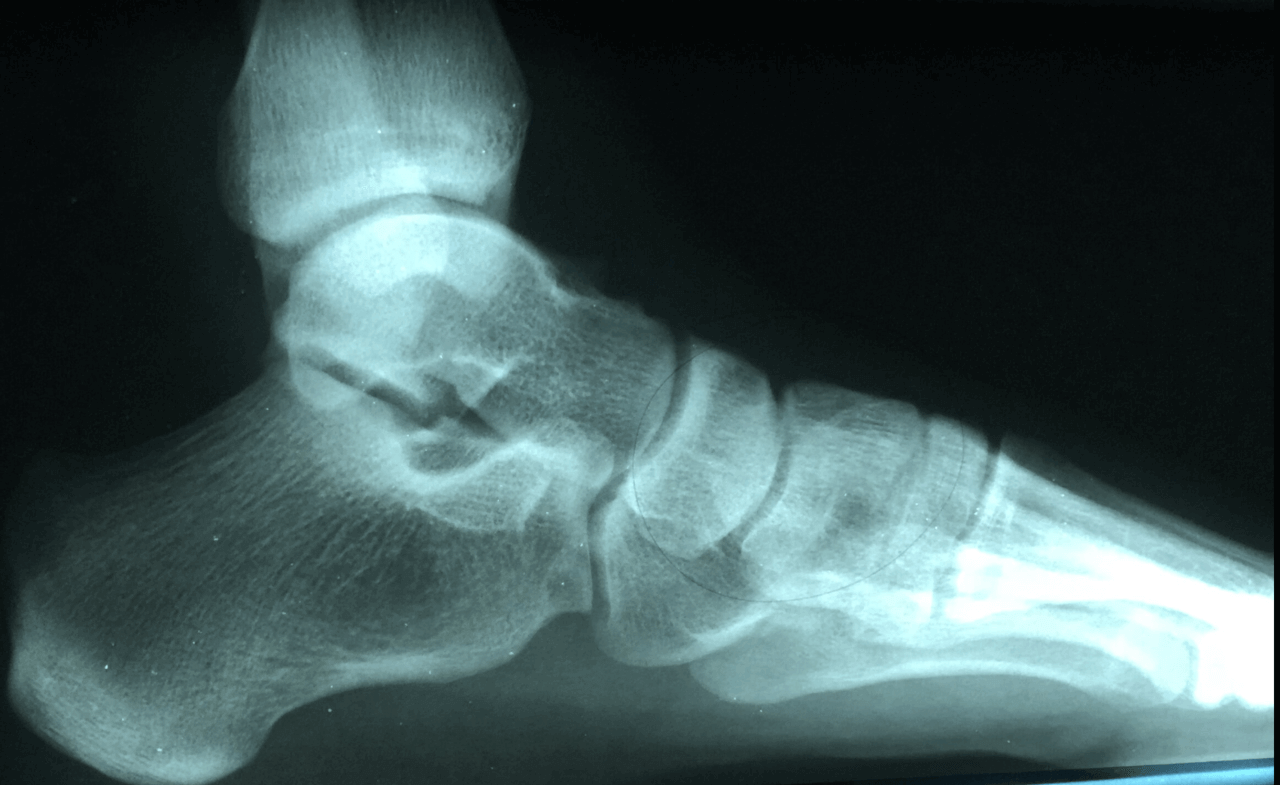
Important distinction should be made between both acute and chronic heel pain. Most physicians consider acute heel pain something that is 4-6 weeks old in nature and still has the ability to resolve on its own and often doesn’t take a lot of intervention. These are the typical patients I can ice and stretch and find a fair amount of relief. However there is a different category of patients ones where the heel pain becomes chronic and these are much harder to treat.
Chronic heel pain is usually described as anything over 6 weeks in nature and oftentimes fairly debilitating. I see quite a few patients that often times have heel pain that has been around for more than a year and regardless of stretching and icing. Chronic heel pain is a different animal and normally requires some sort of biological intervention. I think it is important to address the nature of the chronic heel pain and an MRI to evaluate whether or not a tear is present can be highly beneficial.
If you are suffering from heel pain and this has been going on for months to years I can help. First it is important to identify the underlying causes and at this point implementing a treatment plan that can be curative. Give us a call at 425-391-8666 or make an appointment online today.
Sincerely,
Board-Certified Foot and Ankle Physician
Ankle Foot Orthotics for Athletes
Ankle foot orthotics are shoe inserts that offer support to control the placement and movement of the ankle, correct deformities, and compensate for weakness. These inserts are used to stabilize the foot and ankle and provide toe clearance during the swing phase of gate.
Athletes often suffer foot problems because their feet are not being supported within the shoe. Ankle and foot orthotics are custom made inserts that alleviate stress on the foot. However custom orthotics should be prescribed by a podiatrist who specializes in customized footwear and orthotics design. These inserts are used by athletes for different reasons. Runners use orthotics to absorb shock at heel contact and to set up the forefoot for push-off. Basketball players wear them to control their forefeet while jumping and running.
The two main types of orthotics are over-the-counter orthotics and custom-made orthotics. To be eligible for custom orthotics, an examination of the foot and ankle will need to be completed. Afterward, both the foot and ankle will need to be casted and fitted for the proper orthotic. When the fitting process is complete, adjustments can be made to make sure everything fits perfectly.
Over the counter orthotics tend to be more popular than custom fit ones. Athletes who have less severe aches and pains in the foot, ankle or lower back area can use the over-the-counter version of orthotics. Unfortunately, over-the-counter orthotics tend to not work in treating severe injuries or ailments. Whenever you suspect you may need an ankle foot orthotic, you should consult with your podiatrist to determine which type of orthotic is right for you.
What Are Orthotics Used For?
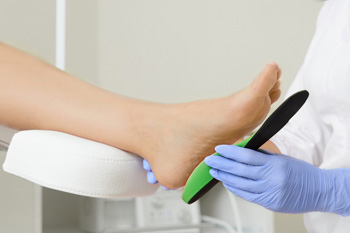 Orthotics are designed to be inserted into shoes to help realign the feet or relieve pressure caused by other foot-related problems. They can also help with non-foot issues, such as knee pain or lower back pain. Orthotics can be made to take stress off certain parts of the feet, or to keep the feet aligned. Orthotics are also often used as a method to delay surgery (e.g., when a child needs to wait for their growth plates to close or for their bones to grow more) or to help alleviate pain after surgery. There are multiple ways to make orthotics as well. These methods include laser scanning the foot, using a foam box, or using a plaster cast. If you believe that orthotics are right for you, consulting with a podiatrist is suggested.
If you are having discomfort in your feet and would like to try orthotics, contact the podiatrists from Issaquah Foot & Ankle Specialists. Our doctors can provide the care you need to keep you pain-free and on your feet.
What Are Orthotics?
Orthotics are inserts you can place into your shoes to help with a variety of foot problems such as flat feet or foot pain. Orthotics provide relief and comfort for minor foot and heel pain but can’t correct serious biomechanical problems in your feet.
Over-the-Counter Inserts
Orthotics come in a wide variety of over-the-counter inserts that are used to treat foot pain, heel pain, and minor problems. For example, arch supports can be inserted into your shoes to help correct overarched or flat feet, while gel insoles are often used because they provide comfort and relief from foot and heel pain by alleviating pressure.
Prescription Orthotics
If over-the-counter inserts don’t work for you or if you have a more severe foot concern, it is possible to have your podiatrist prescribe custom orthotics. These high-quality inserts are designed to treat problems such as abnormal motion, plantar fasciitis, and severe forms of heel pain. They can even be used to help patients suffering from diabetes by treating foot ulcers and painful calluses and are usually molded to your feet individually, which allows them to provide full support and comfort.
If you are experiencing minor to severe foot or heel pain, it’s recommended to speak with your podiatrist about the possibilities of using orthotics. A podiatrist can determine which type of orthotic is right for you and allow you to take the first steps towards being pain-free.
If you have any questions, please feel free to contact one of our offices located in Issaquah, WA . We offer the newest diagnostic and treatment technologies for all your foot care needs.
Check if allow_url_fopen is enabled on your server. It is mandatory. If not then you must activate it. Contact with your Server Admin / Hosting Provider.
Steps to enable allow_url _fopen :
allow_url_fopen = on
allow_url_include = on.
Add it to php.ini settings.
Google Business Reviews Error Notice!
Read Below Steps Carefully :
1. Check your API key and PLACE id. May be it is not right. Make sure it is correct one.
2. This message commonly shows when api key is exceeded daily request quota for this API or there is no active billing account for this API. Because according to Google there is a limit for free API key. If it exceeds they ask for billing.
3. To know more about Google Pricing , Check here : Google Pricing
4. You can create your Google API key here
5. Must use a right PlaceID. Get PlaceID here
6. One important thing, Don't forget to add billing account to Google. Must check what Google says here
7. If you still find issue , then check first if your Business registered with Google or not. Read more about it here
8.Still find issue, then contact developer : info@aaextensions.com or ashik685@gmail.com
