
Subscribe via E-mail

Your email:

Heel Pain Resources

Dedicated to treating heel pain, visit our dedicated heel pain website: SeattleHeelPain.com

Follow Me

Posts by category

Treating Foot and Ankle Conditions

Current Articles | RSS Feed RSS Feed

New Treatment Options For Achilles Tendonitis


Achilles tendonitis can be a frustrating condition for both the patient and the doctor.  The diseased tendon can often take months to recover with options like bracing, physical therapy and even surgery.  We have a new technique of utilizing a patients own healing properties found within there own blood to help accelerate healing.  This is called platelet rich plasma, this technique is often used on professional athletes.  "Your own blood is collected, spun down with a centrifuge, then platelets and healing cells extracted and injected into the site.  This is a relatively quick and painless procedure", Dr Nelson.  The great thing about this procedure is it has many applications from plantar fasciitis to tendonitis.  www.washingtonprpinstitute.com/ 

Issaquah Foot and Ankle Specialists
BestFootDoc.com

Did you know that we have developed a dedicated resource for heel pain sufferers?
SeattleHeelPain.com

request-an-appointment

Suffer from heel pain (Plantar Fasciitis)? You Are Not Alone!


Heel pain is common, and you are not alone. Take a look below to see how common it is! Thankfully, you do not have to suffer because you are also not alone when it comes to treatment options.

Issaquah Foot and Ankle Specialists
BestFootDoc.com

Did you know that we have developed a dedicated resource for heel pain sufferers?
SeattleHeelPain.com

request-an-appointment

Pain in the ball of your foot (2nd MTP joint capsulitis)


Spring is here and it seems that everybody is out and about exercising after the long winter. We have seen influx in our office of patients who have pain in the ball of the foot especially near the base of the second and sometimes third or fourth toes. Sometimes there is even swelling in the knuckle behind the second toe. This is known as the second metatarsal phalangeal joint or the second MTP joint. Pain in the second MTP joint is often diagnosed as second MTP joint capsulitis. This is a bit of a catch all term but in general is like inflammation of the ligaments around this joint because of a stress overload and increase weight bearing and a disproportionate manner to this joint.
Most people with a problem here will get a localized pain in the joint sometimes the swelling. Oftentimes it has happened after wearing a pair of shoes that don't have as much support as typical with increased walking. Sometimes after returning from a trip to Europe wearing unsupportive shoes walking all over the cobblestone streets. Sometimes runners we'll get this after they've increased training. Or for example if they have been continuing to train but the shoes have worn out and have not been replaced. Sometimes there is no distinct clear-cut cause as to why this has started.
Many of the problems and the feet are mechanical, and this particular problem is no exception. From a mechanical standpoint approximately 50% of the forefoot weight bearing load is carried by the great toe and the bones behind it including the first metatarsal. The remaining 50% is distributed a months the second third fourth and fifth metatarsals and the corresponding metatarsophalangeal joints (where the toes meet the forefoot) this entire area (MTP joints #1-#5) is also described as "the ball of the foot". A very common problem occurs when the first metatarsal does not carry its appropriate weight bearing load and therefore an increased load gets shifted to the remaining second third fourth and fifth metatarsals. Typically the second metatarsal is next in line and receives the brunt of this "stress overload". Over time this increased stress can cause problems including inflammation and pain and eventually damaging the second MTP joint capsule itself. When this damage occurs, often there is resultant misalignment of the second toe whether it starts to drift toward the great toe or starts to contract into what is described as a hammertoe. It is even possible over time for this capsule to completely breakdown and for the second toe to dislocate from the metatarsal head. This is also seen in some other conditions such as with rheumatoid arthritis.
Additional common mechanical causes of stress overload to the second MTP joint include an elevated first metatarsal, a hypermobile first metatarsal, a short first metatarsal, where a long second metatarsal. In addition, hammertoe contracture can cause a retrograde buckling of the joint and abnormal pressure on the capsule and related structures. It is also interesting to note that a tight calf muscle can shift pressure from the heel to the forefoot too quickly. Imagine a woman who has worn high heel shoes much of her life and now has a tight calf. It's difficult for this individual to even walk flat-footed and often their practically walking on the ball of their foot instead of any significant amount of time on the heel. The foot is not designed to function this way and having a disproportionate amount of time spent on the forefoot as opposed to the heel is a serious mechanical problem.
11311311 resized 600

1131113Once in our clinic after the initial physical examination of your foot and ankle, we typically will need an x-ray to evaluate the foot structure. We evaluate potential causes of pain in the second MTP joint area and rule out other potential differential diagnosis considerations such as a stress fracture or arthritis. Looking at the foot in a weight bearing position and gait evaluation can also be very helpful. Diagnostic ultrasound imaging can provide an excellent image of the associated structures including the capsule. But in some of the more difficult cases, we will need MRI evaluation to get a definitive picture and/or assessment of a tear of the capsule. A further sub-category of the capsule is the plantar plate. This can be torn and is also well visualized MRI evaluation.
To summarize the differential diagnosis: Same the potential causes of this type of forefoot pain can include a neuroma, degenerative joint disease with arthritis, an inflammatory arthritic conditions such as psoriatic arthritis or rheumatoid arthritis, gout, a thin fat pad,
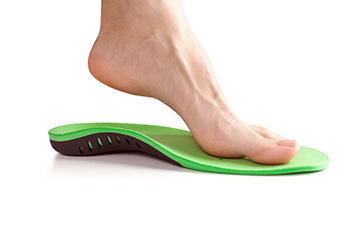
Once the diagnosis has been made, and then treatment can begin. Because this is a mechanical problem, change in the mechanics of foot function and the way the foot interfaces with the ground is a good approach. This includes both shoes and prescription orthotics. There are some over-the-counter inserts they can provide temporary relief and support. Prescription orthotics can have specific modifications unique to the particular foot and the related pathology. The whole goal is to get the first metatarsal to bear more weight and the second metatarsal less weight. In addition to shift some of the weight bearing phase of gait off of the forefoot and allow a longer time frame with the heel strike phase of gait. Some of this can be quite complicated including both the orthotics and related shoe recommendations. But it is quite impressive what can be done by changing the mechanics here. Other simple things that can help include avoiding going barefoot at home, aggressive calf stretches, and a night splint.
Finally, some of our patients as such pronounced underlying structural problems that these have to be corrected in order for the problem to resolve. Many of these patients end up requiring surgery. Once the normal mechanical function has been reestablished, we are able to resolve the second MTP joint pain in the ball of the foot

This condition is often confused with a Mortons Neuroma because the pain is felt in the same general region, however not in the exact same region. Many patients will complain of pain in this general area and a web diagnosis may lead them to an incorrect self diagnosis. Properly identifying the cause of pain is the first step to properly treating the condition.

Issaquah Foot and Ankle Specialists
BestFootDoc.com

Did you know that we have developed a dedicated resource for heel pain sufferers?
SeattleHeelPain.com

request-an-appointment

Morton’s Neuroma – Surgery Alternatives


Morton’s Neuroma – Surgery Alternatives

Have you ever felt like your sock is bunched up under the ball of your foot, or like you have a stone in your shoe, along with a burning sensation in your toes? This is likely caused by a Morton’s neuroma.

Many people believe that this pain will go away after time. However, after prolonged suffering many people believe they must live with this pain. With Morton’s neuroma these beliefs are not true. It is very unlikely that the pain from a Morton’s neuroma will pass without intervention. The condition can be treated by several methods; we have previously discussed Morton’s Neuroma Treatments.

This condition is a thickening or enlargement of the nerve tissue in the ball of the foot. Neuromas often form when the nerve is ir­ritated or compressed. Sometimes runners and joggers develop them because of the repeated pres­sure that occurs when feet hit the pavement. Women can be espe­cially at risk, because running on hard, paved surfaces and then switching to high heels with nar­row toes places a lot of stress on the feet. Most neuromas begin gradually, and you may be able to eliminate the pain temporarily by massaging your foot, changing footwear or a rest from running. Unfortunately, neuromas tend to worsen over time as the tempo­rary changes in the nerve become permanent.

Early intervention is important. Surgery is often performed to address this condition. However, there are alternatives to surgery for Morton’s neuroma. In fact a number of our patient's recently received dehydrated alcohol injections and are doing exceptionally well. Statistically the success rate has even been slightly higher with these types of injections opposed to surgery. We use high definition ultrasound imaging to guide the injection directly to the painful area. We can also incorporate nerve stimulation to significantly reduce any sensation associated with the injection. Research has indicated that success rates from surgical treatments are between 80-85%. The latest research of dehydrated alcohol injection therapy for Morton’s neuroma has been 89%. Therefore we believe we are well on our way to ending the pain associated with Morton’s neuroma with less invasive treatments. Interested in treating your Morton's neuroma with the virtually pain free dehydrated alcohol injections guided by ultrasound imaging we provide? Request an appointment today!

Read more information about Morton's Neuroma Treatments.


Issaquah Foot and Ankle Specialists
BestFootDoc.com

Did you know that we have developed a dedicated resource for heel pain sufferers?
SeattleHeelPain.com

request-an-appointment

Ingrown Toenails


Ingrown toenails are painful and can lead to complications including infection. If you believe you are suffering from ingrown toenails, read more.

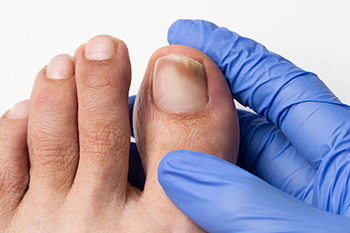
Ingrown toenails are a very common condition that most commonly concerns the big toe. This condition occurs when the corner or side of one of your toenails grows into the soft flesh of that toe. The result is pain, redness, swelling, and sometimes an infection.

If the pain is persistent, severe, or spreading, it is recommended that a doctor evaluate your ingrown toenail and take steps to relieve your discomfort. Additionally, we can help you avoid complications of an ingrown toenail.

What should be done with my ingrown toenails?

Do not attempt to remove infected nails on your own. If you notice an increase of swelling, pain or any discharge is present; the toenail is likely infected and should be treated by a podiatrist.

Contact us if you are experiencing painful ingrown toenails, especially if you believe the condition worsening or you have diabetes or circulation issues. Addressing this condition early will help in the prevention of infection and other complications. Ingrown toenails can be very painful and can be treated easily depending upon the severity.

Tips to prevent ingrown toenails:
Wear shoes that fit properly. Shoes that you wear every day should have plenty of room around your toes. Shoes that you wear for walking briskly or for running should have plenty of room also, but not be too loose.
When trimming your toenails:

  • Considering briefly soaking your foot in warm water to soften the nail

  • Use a clean, sharp nail trimmer

  • Trim toenails straight across the top. Do not taper or round the corners or trim too short

  • Do not pick or tear at the nails

  • Keep the feet clean and dry

    Ready for relief? Request an appointment.


Issaquah Foot and Ankle Specialists
BestFootDoc.com

Did you know that we have developed a dedicated resource for heel pain sufferers?
SeattleHeelPain.com

request-an-appointment

Preoperative and Postoperative Patient With Achilles Tendonitis


Preoperative and Postoperative Patients with Achilles Tendonitis
 
I recently evaluated and treated a patient who suffered from achilles tendonitis for multiple years.  He had seen numerous other physicians and attempted conservative therapy consisting of physical therapy, NSAIDS, immobilization and bracing.   His preoperative xrays are below;  
pre op tw resized 600 
On the xray one can appreciate the large prominent posterior process of the calcaneaus or heel bone.  This is a source of constant mechanical irritation of the achilles tendon as it inserts.  Below one can see how the bone was removed and now the achilles tendon will not be irritated in the normal  ambulatory cycle.  The achilles tendon required partial detachment then was reattached with bone anchors. 
post p tw resized 600
We see quite a few patients with achilles tendonitis, most do not require surgery.  Or treatment protocols for tendonitis have been well established and time tested.  If our patients do require surgery we are often able to preform it in our surgery center saving a costly and timely trip to the hospital.

Some Symptoms of Achilles Tendonitis:
  • Pain behind the heel
  • Pain after a period of inactivity
  • Stiffness, soreness or tenderness in the tendon (directly above the heel to just below the calf muscle)
  • The area above the heel is tender to the touch
  • Enlarged tendon
 Read more about the symptoms, causes and Achilles Tendonitis treatement

Issaquah Foot and Ankle Specialists
BestFootDoc.com

Did you know that we have developed a dedicated resource for heel pain sufferers?
SeattleHeelPain.com

request-an-appointment

Treating Plantar Fasciitis, Sometimes it's About Commitment


Effectively Treating Plantar Fasciitis...


Sometimes it's about commitment.


I run into some of our clinic patients who have had plantar fasciitis for some time. I treat them to address both the inflammatory and mechanical aspects of their plantar fasciitis. This often includes prescription orthotics, home stretching, and special braces for day and night depending upon the circumstances. In addition we have them do stretching, wearing supportive shoes at home instead of being barefoot. Also, if their plantar fasciitis is quite pronounced we sometimes will do an ultrasound guided cortisone injection or PRP injection. It is very rare that our patients do not show remarkable improvement when we do the right combination of treatments for their case of plantar fasciitis. However it is surprising when some patient's come into the office and they are surprised that they are not improving. After I review the recommendations that have been made since the last visit I find that very often they have not followed up with my recommendations. For example if I recommended a certain shoe or activity or referral to physical therapy sometimes it's like "oh I haven't gotten around to that yet". Or they have been in severe pain and have seen multiple doctors and finally come in to see us. We make certain that the orthotics are perfect and that all the mechanical aspects of treatment are in place.


If additional treatments are recommended we discuss and recommend a PRP (growth factor) ultrasound guided injection and often patients for whatever reason do not schedule this treatment. After additional follow-up their surprised if their plantar fasciitis is still not getting better. So sometimes it is simple aspects of treatment that have to be part of the patient's commitment themselves to address. We do our best to make recommendations on the best possible course of treatment for our patients. We tailor specific treatment plans to each patient with plantar fasciitis and there are often many elements involved in the effective treatment of plantar fasciitis. Consistent use of prescription orthotics, stretching, splints and office procedures are used in conjunction for many patients and are used to successfully treat plantar fasciitis.

 Barefoot on hardwood floors

But again it is surprising when some patient's are still not getting better but also have not done their part. One of the most surprising home treatments that some patients don't do is to get a good supportive sandal to wear as a "house shoe". Patients are surprised when walking barefoot or standing barefoot all day long on ceramic tile or hardwood floors and their heel pain is not getting better!


The road to recovery from plantar fasciitis and the prevention of future bouts with this condition will require some modifications to footwear or a patient’s lifestyle. However, with our successful plantar fasciitis treatment protocols patients experience quick relief and successful prevention if the treatment plans are followed.


Issaquah Foot and Ankle Specialists
BestFootDoc.com

Did you know that we have developed a dedicated resource for heel pain sufferers?
SeattleHeelPain.com

request-an-appointment

What Your Shoes and Your Car Tires Are Telling You


Your car's tires can tell you if your car is out of alignment, if there is an imablance and much more. Decoding the common wear patterns on your car's tires is fairly simple. Evaluating your cars tires will tell you if an adjustment is needed to prevent mechanical breakdown, avoid repairs, improve fuel economy and more


The shoes on your feet are also a good indicator of if you need your shoes rotated or an alignment.

The wear patterns on your shoes can indicate wether you may be a supinator or a pronator.  Pronation refers to the inward roll of the foot. A moderate amount of pronation is required for the foot to function properly. However potential damage and and an increased risk of injury can occur with excessive pronation.

Supination is the inverse of pronation and is the outward roll of the foot. However, excessive supination will place increased strain on the muscles and tendons of the ankle. The increased strain can lead ankle sprains or total ligament rupture.

Excessive pronation and supination can lead to:
  • Arch pain
  • Heel pain
  • Flat feet
  • Corns and calluses
  • Ankle sprains
  • Shin Splints
  • Achilles tendonitis
  • Knee pain
  • Hip pain
  • Back pain
  • and more
There are many other things your shoes can tell you. If you believe you have an abnormal gait that causes pain, weak ankles or there have been changes to the wear patterns of your shoes you should have your gait evaluated. Attached is a link to the full article about what your car's tires are telling you. The article contains a cheat sheet with information about how to read your tires.
If your car's tires need an alignment it is best to take your car to the mechanic. However, if your feet are out of alignment it would be best to take your feet to us. We provide a full biomechanical gait analysis that identifies your unique walking pattern. The best way to align your feet (which also can help align the rest of your body) is with prescription orthotics. We use the latest technology to produce 3-D images of your feet and custom tailor orthotic inserts for your shoes that will address your unique alignment or support needs.
Check your tires, check your shoes, you never knew how much they were telling you. You will enjoy more miles out both if you make certain they are in alignment!

Issaquah Foot and Ankle Specialists
BestFootDoc.com

Did you know that we have developed a dedicated resource for heel pain sufferers?
SeattleHeelPain.com

request-an-appointment

Is Bunion Surgery Necessary?


Cirsumstances will determine if bunion surgery will be recommended. Considering bunions are a progressive disorder, the likelyhood surgery will be a recommended course of action increases over time. Many bunion patients do not need surgery!

When is bunion surgery recommended?

If you have have exhausted non-surgical methods including bunion splints, prescription orthotics (we are no longer perfroming casting for orhotics, we now use the latest in 3-D imaging to create digital images of your feet to make our prescription orthotics), or changes or modifications in footwear. Surgery is considered the last course of treatment for bunions at our clinic. However, when conservative therapy is not decreasing pain or discomfort anymore, surgery is an option.

For many patients bunion surgery is chosen when their bunion interferes with daily activities or when footwear becomes increasingly painful or difficult to deal with.

How to avoid bunion surgery

Early treatment for bunion pain is the best course of action. Bunions are progressive and early intervention will help control the rate of progression. If bunions are treated early the liklyhood of surgery is reduced or delayed. 

Dr. Timothy Young and Dr. Brandon Nelson were named Top Doctors for 2011 by Seattle Metropolitain magazine and have a dedicated resource for those with bunions. Bunions are a common condition treated by the "Top Docs" in podiatry and therefore have created the Bellevue Bunion Center. Visit the website for more information about bunion treatments.

Red irritated bunion

Issaquah Foot and Ankle Specialists
BestFootDoc.com

Did you know that we have developed a dedicated resource for heel pain sufferers?
SeattleHeelPain.com

request-an-appointment

Bunion Care and Links to Bunion Treatment Information


When bunions become an issue, learn abou tboth surgical and non-surgical bunion treatments. The Bellevue Bunion Center has more information about Bunions and Tailor's Buions. Find information about Buinon Treaments.

Issaquah Foot and Ankle Specialists
BestFootDoc.com

Did you know that we have developed a dedicated resource for heel pain sufferers?
SeattleHeelPain.com

request-an-appointment

All Posts