




Everything You Need to Know About Gout
Gout, typically found in diabetic patients, is an unusually painful form of arthritis caused by elevated levels of uric acid in the bloodstream. The condition typically strikes the big joint on the big toe. It has also been known to strike the knees, elbows, fingers, ankles and wrists—generally anywhere that has a functioning, moving joint.
The high level of uric acid in a person’s bloodstream creates the condition known as hyperuricema—the main cause of gout. Genetic predisposition occurs in nine out of ten sufferers. The children of parents who suffer gout will have a two in ten chance of developing the condition as well.
This form of arthritis, being particularly painful, is the leftover uric acid crystallizing in the blood stream. The crystallized uric acid then travels to the space between joints where they rub, causing friction when the patient moves. Symptoms include: pain, redness, swelling, and inflammation. Additional side effects may include fatigue and fever, although reports of these effects are very rare. Some patients have reported that pain may intensify when the temperature drops, such as when you sleep.
Most cases of gout are easily diagnosed by a podiatrist’s assessment of the various symptoms. Defined tests can also be performed. A blood test to detect elevated levels of uric acid is often used as well as an x-ray to diagnose visible and chronic gout.
Treatment for gout simply means eliminating symptoms. Non-steroid anti-inflammatory drugs or NSAIDs (Colchicine and other corticosteroid drugs, etc.) will quell the redness, the swelling, and the inflammation. However, managing your diet, lifestyle changes, and using preventative drugs are all helpful toward fully combating the most severe cases.
Those that lead an inactive lifestyle are at a higher risk for gout. Any amount of exercise decreases the probability of repeat encounters with the condition. Reducing your consumption of red meat, sea food, and fructose-sweetened drinks also reduces the likelihood of chronic gout as well.
Ingesting Vitamin C, coffee, and particular dairy products can help with maintaining a healthy lifestyle. There are new drugs out on the market that inhibit the body’s production of uric acid-producing enzymes. However, reducing or eliminating your overall levels of uric acid is the best remedy to ensuring you lead a gout-free life.
Custom Orthotics for High Heels

Custom Orthotics help you not have to choose between style and comfort. With Custom Orthotics designed for high heels, you can walk with confidence, knowing your feet are supported. Custom Orthotics help distribute pressure evenly, reducing the risk of pain and discomfort. Whether it's a day at the office or a night on the town, make every step graceful and pain-free. Discover the magic of Custom Orthotics for high heels by calling our office today.
Explaining Ganglion Foot Cysts
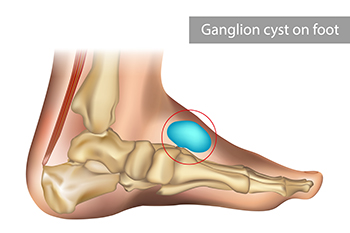
A ganglion cyst on the foot is a small, soft, fluid-filled sac that usually develops near a joint or along a tendon sheath, most often on the top of the foot. The lump may feel movable beneath the skin and can change in size over time. Many ganglion cysts cause no discomfort, while others produce aching, burning, or pressure pain when a shoe presses against the area or during activity. Although generally harmless, the mass may interfere with walking or shoe comfort. The exact cause is uncertain, but prior injury, repetitive stress, and joint irritation are commonly associated factors. A podiatrist can evaluate the lump, confirm the diagnosis, and rule out other conditions with imaging when necessary. Treatment options include protective padding, pressure relief, fluid aspiration, or surgical removal. If you have an unexplained lump on the top of your foot, it is suggested that you make an appointment with a podiatrist for an exam, diagnosis, and treatment.
Foot Pain
Foot pain can be extremely painful and debilitating. If you have a foot pain, consult with the podiatrists from Issaquah Foot & Ankle Specialists. Our doctors will assess your condition and provide you with quality foot and ankle treatment.
Causes
Foot pain is a very broad condition that could be caused by one or more ailments. The most common include:
- Bunions
- Hammertoes
- Plantar Fasciitis
- Bone Spurs
- Corns
- Tarsal Tunnel Syndrome
- Ingrown Toenails
- Arthritis (such as Gout, Rheumatoid, and Osteoarthritis)
- Flat Feet
- Injury (from stress fractures, broken toe, foot, ankle, Achilles tendon ruptures, and sprains)
- And more
Diagnosis
To figure out the cause of foot pain, podiatrists utilize several different methods. This can range from simple visual inspections and sensation tests to X-rays and MRI scans. Prior medical history, family medical history, and any recent physical traumatic events will all be taken into consideration for a proper diagnosis.
Treatment
Treatment depends upon the cause of the foot pain. Whether it is resting, staying off the foot, or having surgery; podiatrists have a number of treatment options available for foot pain.
If you have any questions, please feel free to contact one of our offices located in Issaquah, WA . We offer the newest diagnostic and treatment technologies for all your foot care needs.
Foot Pain
The feet, being the foundation of the body, carry all of the body’s weight and are therefore prone to experiencing pain and discomfort. If you are experiencing foot pain, it is important to determine where in the foot you are experiencing this pain to help discover the cause of it. While pain can be experienced virtually anywhere in the foot, the most common sites of foot pain are in the heel and ankle.
Heel pain can be due to a multitude of conditions including plantar fasciitis, Achilles tendinitis, and heel spurs. Pain experienced in the ankle can be a sign of an ankle sprain, arthritis, gout, ankle instability, ankle fracture, or nerve compression. In more serious cases, pain in the foot can be a sign of improper alignment or an infection.
Foot pain can be accompanied by symptoms including redness, swelling, stiffness and warmth in the affected area. Whether the pain can be described as sharp or dull depends on the foot condition behind it. It is important to visit your local podiatrist if your foot pain and its accompanying symptoms persist and do not improve over time.
Depending on the location and condition of your foot pain, your podiatrist may prescribe certain treatments. These treatments can include but are not limited to prescription or over-the-counter drugs and medications, certain therapies, cortisone injections, or surgery.
If you are experiencing persistent foot pain, it is important to consult with your foot and ankle specialist to determine the cause and location. He or she will then prescribe the best treatment for you. While milder cases of foot pain may respond well to rest and at-home treatments, more serious cases may take some time to fully recover.
Custom Orthotics Help Runners Protect Their Feet

Runners, meet your game-changer: Custom Orthotics. Every stride matters, and with Custom Orthotics, you can ensure optimal foot alignment, reducing stress on joints and muscles. They help absorb shock, protect against injuries, and can even enhance your running efficiency. Whether you're sprinting short distances or conquering marathons, Custom Orthotics provide the support and balance your feet crave. Call today for more information.
Are You Suffering From Ingrown Toenails?

If left untreated, an ingrown toenail can lead to more serious concerns, such as an infection. Knowing proper nail care can help in the prevention of an ingrown toenail. Give us a call, and get treated!
Why Live with Pain and Numbness in Your Feet?

Suffering from this type of pain? You may have the foot condition known as Morton's neuroma. Morton's neuroma may develop as a result of ill-fitting footwear and existing foot deformities. We can help.
Reasons for Foot and Ankle Pain While Running

While running is a popular fitness exercise, it places repeated stress on the feet and ankles that can lead to pain. Common reasons for running pain include overuse, weak or tight muscles, and wearing shoes that no longer provide enough support. Previous injuries, such as ankle sprains, can also cause lasting weakness and make new injuries more likely. Running pain also may develop from Achilles tendon problems, plantar fasciitis, or stress fractures. Some runners feel pain in the heel, while others notice it in the arch, ankle, or along the side of the foot. A podiatrist can examine the foot and ankle to find the source of the pain. Treatment includes custom orthotics, bracing, and guidance on better running shoes. Surgery may be needed if the injury is severe. If you have foot or ankle pain while running, it is suggested that you schedule an appointment with a podiatrist for a diagnosis and appropriate treatment.
All runners should take extra precaution when trying to avoid injury. If you have any concerns about your feet, contact the podiatrists of Issaquah Foot & Ankle Specialists. Our doctors will treat your foot and ankle needs.
How to Prevent Running Injuries
There are a lot of mistakes a runner can make prior to a workout that can induce injury. A lot of athletes tend to overstretch before running, instead of saving those workouts for a post-run routine. Deep lunges and hand-to-toe hamstring pulls should be performed after a workout instead of during a warmup. Another common mistake is jumping into an intense routine before your body is physically prepared for it. You should try to ease your way into long-distance running instead of forcing yourself to rush into it.
More Tips for Preventing Injury
- Incorporate Strength Training into Workouts - This will help improve the body’s overall athleticism
- Improve and Maintain Your Flexibility – Stretching everyday will help improve overall performance
- “Warm Up” Before Running and “Cool Down” Afterward – A warm up of 5-10 minutes helps get rid of lactic acid in the muscles and prevents delayed muscle soreness
- Cross-Training is Crucial
- Wear Proper Running Shoes
- Have a Formal Gait Analysis – Poor biomechanics can easily cause injury
If you have any questions, please feel free to contact one of our offices located in Issaquah, WA . We offer the newest diagnostic and treatment technologies for all your foot care needs.
Preventing Running Injuries
Over half of all runners encounter at least one injury per year. The reason for this is because many runners do not train properly. Injuries are almost inevitable due to the physical stress that running causes. While our bodies are great at adapting to the stress, it can only handle it in small doses. Injuries occur when the stress is applied too quickly for the body to handle, causing something within it to break down. With each step you take, your leg is absorbing two or three times your body’s weight.
Some of the most popular running injuries are shin splints, plantar fasciitis, Achilles tendinitis, and stress fractures. Shin splints cause pain along the inside or outside of the shins, and this pain is usually felt at the beginning of a run. The condition itself is defined as an inflammation of the muscles or tendons located around the shinbone. To treat shin splints, it is advised that you ice the shin area and stretch the calf muscles. To prevent this injury, you should slowly increase the distance you plan on running, instead of jumping into a more strenuous routine.
Achilles tendinitis is another common injury and it feels like pain along the back of the leg, toward the heel. This condition is defined as an inflammation of the Achilles which is the largest tendon in the body. The Achilles is responsible for connecting your calf muscles to the heel bone and it is caused by tight calf muscles. If you want to treat this injury, you should take a break from running to cross train with a low-impact activity.
There are a lot of common mistakes runners make that are causing them to experience injury. One mistake is stretching too much prior to warming up. If you plan to go on a run, you should warm up with a gentle 3-5-minute walk followed by a 5-minute run-walk. Another common mistake is jumping into a routine too quickly. Consequently, you should incorporate cross-training into your routine. If you are looking to get active, you should slowly weave running into an activity you are currently participating in. For example, you can try bike riding for 40 minutes followed by a 10-minute run.
Another way to prevent running injuries is to choose shoes that are appropriate for running. There are certain things you should look for when buying a new pair of running shoes. An important factor in these sneakers is flexibility. Running shoes should be capable of bending and flexing at the forefoot. However, you should not be able to bend the entire shoe in half with ease because this is a sign that the shoe does not have enough structure. Additionally, you should look for the fit of the running shoes you want to purchase. It is best to visit a specialty running shoe store to have your feet properly sized. Choosing shoes that fit properly can prevent many foot ailments.
If you are suffering from any pain from running injuries, you should make an appointment with your podiatrist to discover the underlying cause of your pain. He or she will be able to help treat your condition in the best way possible.
Orthotic Treatment for Foot Pain

Foot pain can affect everyday movement and comfort. It can develop from poor foot alignment, flat feet, high arches, or repeated stress on the feet from standing, walking, or running. When the foot does not move in a balanced way, extra pressure can build in certain areas. This can lead to heel pain, arch soreness, aching in the ball of the foot, or discomfort in the ankles and lower legs. Some people may also notice swelling or fatigue after activity. Orthotic treatment can help by supporting the natural shape of the foot and improving alignment during movement. This support helps spread pressure more evenly and reduces strain on joints and soft tissues. With better balance, the body can move with less discomfort and improved stability. If foot pain is limiting your daily activity, it is suggested that you schedule an appointment with a podiatrist to see if orthotics are the right treatment for you.
Custom orthotics play an important role in preventing and treating foot and ankle injuries by providing personalized support that aligns with the unique structure of each foot. These specially designed devices help correct biomechanical imbalances, reduce pressure on sensitive areas, and improve stability during movement. When the feet are properly supported, the risk of developing conditions such as plantar fasciitis, Achilles tendinitis, and ankle sprains can be significantly reduced. Custom orthotics also help relieve discomfort caused by having flat feet, high arches, or uneven leg length, which may contribute to recurring injuries or pain.
Foot and ankle injuries can develop gradually from repetitive strain or occur suddenly during physical activity. Without proper treatment, these injuries can affect mobility and overall quality of life. Orthotics work to redistribute weight evenly across the foot, allowing joints and muscles to function more efficiently. This not only supports recovery from injury but can also prevent future problems by promoting better posture and alignment throughout the lower body.
Unlike over-the-counter inserts, custom orthotics are designed based on a detailed evaluation of each patient’s foot structure, gait, and medical needs. Podiatrists use advanced imaging and diagnostic tools to create orthotics that fit precisely and provide targeted correction. Whether used in everyday footwear or athletic shoes, custom orthotics can improve comfort, enhance performance, and support long-term foot health.
If you are experiencing foot or ankle pain or have sustained an injury that has not improved with rest, it is suggested that you schedule an appointment with a podiatrist. Call our office for more information or to make an appointment.
If you have any questions, please feel free to contact one of our offices located in Issaquah, WA .
