




How to Care for Diabetic Foot
Millions of people are affected by diabetes each year. Diabetes damages blood vessels in all parts of the body, especially the feet. The legs and feet may develop slow blood flow, which causes neuropathy, or nerve damage. Once a diabetic patient develops neuropathy, it is important that the feet are well taken care of. Otherwise, the lower limbs may have to be amputated. This only happens in drastic cases, but it shows how seriously diabetic foot care should be taken.
It is very important to always wash and dry the feet thoroughly, especially in between the toes, if you’re a diabetic. Secondly, examining your feet and toes for redness or sores must be done, even if you do not feel pain. You may also want to examine your feet from the bottom. Try to avoid wearing colored socks to prevent infections that may occur from the dye. Well-fitting socks are also highly recommended.
A diabetic’s physician should always monitor their blood levels to test how well blood sugars are being maintained. In addition to giving advice about everyday eating habits and foot care, a physician may prescribe medicine to help with the diabetic patient’s neuropathy. It is also advised to see a podiatrist if experiencing any feet conditions. Toenails may also need to be taken care of by a podiatrist. This prevents patients from cutting too deeply around their cuticles, which can lead to infection.
A person can take care of their feet at home by following the instructions of their physician. Using creams on one’s feet is also an effective way to heal dryness. Proceed with caution when using tools to remove calluses, as severe diabetics may not be able to feel pain on their feet. If any complications arise do not hesitate to contact a podiatrist.
On a daily basis, diabetic feet must be checked. If you are ever concerned about something, contact your health care professional. You never want to wait until a wound becomes too severe to treat. If left untreated, gangrene may develop. Gangrene is a serious infection that can lead to sepsis or amputation. It is also important for diabetics to be on the lookout for ulcers. Ulcers are sores that develop from tissue loss on the skin. They can be quite painful and require intensive treatment. Early treatment and everyday inspection are imperative to staying healthy.
Signs You Need Shoe Orthotics
Custom orthotics, specialized shoe inserts like footpads or arch supports, offer a solution to various foot and ankle issues. They are particularly beneficial for those with conditions like high arches, flat feet, plantar fasciitis, and arthritis. Your podiatrist can guide you in making custom orthotics. Foot pain, a common impediment to the thousands of steps an average adult takes daily, can significantly affect mobility and comfort. Orthotics provide relief from foot pain caused by different conditions or injuries. Orthotics are available in various forms for diverse needs. Soft orthotics offer cushioning, rigid ones provide stability, and demi-rigid orthotics give a balance of both. Custom-fit orthotics, tailored to individual requirements, are prescribed by podiatrists. Orthotics differ from orthopedic shoes, being removable and versatile for different footwear. They help in evenly distributing pressure, absorbing shock, and supporting the foot structure, thereby reducing pain and enhancing mobility. Despite their benefits, orthotics might have limited footwear compatibility and present with initial discomfort, requiring a period of adjustment. If you are interested in learning more about how custom-made orthotics can help manage your foot conditions, it is suggested that you make an appointment with a podiatrist to discuss how they can help you.
Custom orthotics are specialized shoe inserts created to support and align the feet according to each person’s unique structure and walking pattern. They are an effective way to relieve foot discomfort caused by conditions such as flat feet, high arches, plantar fasciitis, bunions, and heel pain. When the natural alignment of the foot is off balance, it can lead to pressure points, strain, and pain that affect how a person stands, walks, and moves. Orthotics work by redistributing weight evenly and supporting the arch to reduce stress on the muscles, tendons, and joints of the feet and lower legs.
Foot discomfort can develop for many reasons, including wearing improper footwear, long hours of standing, repetitive motion, or underlying structural problems. Over time, this discomfort can extend beyond the feet, contributing to knee, hip, or lower back pain. Custom orthotics help correct these issues by improving alignment and promoting more efficient movement. They are made using precise measurements and imaging to ensure the best fit for each patient, providing targeted support and cushioning where it is needed most.
Unlike generic insoles, custom orthotics are durable, medically designed, and tailored to your specific needs. Whether you are managing chronic pain, recovering from an injury, or simply seeking better comfort and stability, orthotics can make a noticeable difference in how your feet feel throughout the day.
If you are experiencing persistent foot discomfort or fatigue, it may be time to have your feet evaluated by a podiatrist. Call our office today for more information or to schedule an appointment.
If you have any questions, please feel free to contact one of our offices located in Issaquah, WA .
Sole Marketing Life Impact
The impact of custom orthotics extends far beyond relieving foot pain. By improving alignment and balance, they can enhance overall mobility and quality of life. Many people are surprised to discover how much foot support influences posture, energy, and comfort during daily activities. When the feet are properly supported, the body moves more efficiently, reducing strain on the knees, hips, and back. This can lead to greater ease when walking, standing, or exercising and less fatigue at the end of the day.
Custom orthotics are crafted to fit the exact shape of your feet, ensuring personalized support that standard insoles cannot provide. They help prevent recurring injuries, ease chronic pain, and promote better stability on all surfaces. Over time, many patients find that orthotics allow them to return to activities they once avoided, such as long walks, workouts, or standing for extended periods of time.
Whether used for athletic performance, work, or daily comfort, custom orthotics can bring lasting improvements to both movement and well-being.
The Role of Custom Orthotics in Running
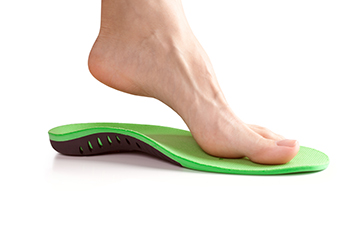
Orthotics play an essential role in enhancing the running experience, particularly for those facing foot-related challenges. Custom-made for the individual runner, orthotics provide targeted support, addressing specific biomechanical issues, such as overpronation or supination, common in runners. This tailored support helps in aligning the foot and ankle, leading to a more efficient and natural running gait. By distributing pressure evenly across the foot, orthotics reduce the strain on key areas, notably the arch and heel, thus preventing common injuries like plantar fasciitis or Achilles tendonitis. They also offer improved shock absorption, important in reducing the impact on joints during running. This not only enhances comfort but also minimizes the risk of injury. Furthermore, for runners with existing foot conditions, orthotics can be a game-changer, enabling them to continue their passion with reduced pain and discomfort. If you are a runner and want improved comfort, performance, and fewer injuries, it is suggested that you make an appointment with a podiatrist to discuss how custom orthotics can help you.
Custom orthotics can make a remarkable difference in daily comfort and mobility by supporting the feet in their most natural and balanced position. Because the feet form the foundation for the entire body, any imbalance can affect not only how a person walks, but also how the knees, hips, and spine align. Over time, this can lead to fatigue, pain, or reduced movement. Custom orthotics are designed to restore stability and promote proper alignment, which can transform the way a person feels and functions throughout the day.
People who wear custom orthotics often experience improved posture, less joint strain, and greater endurance during work, exercise, and leisure activities. The support they provide helps relieve chronic discomfort from conditions such as plantar fasciitis, flat feet, and heel pain, while also reducing the risk of future injuries. For those who stand for long hours or engage in sports, orthotics can make movement smoother and more efficient, allowing the body to perform at its best without unnecessary stress.
Each pair of custom orthotics is created after a detailed evaluation of foot structure, gait, and pressure distribution. By addressing each person’s unique needs, they offer comfort and confidence with every step.
If you are experiencing ongoing foot discomfort or fatigue, it is suggested that you contact our office for more information or to make an appointment.
If you have any questions, please feel free to contact one of our offices located in Issaquah, WA .
Sole Marketing and Heel Pain
Heel pain can interfere with daily activities, making each step a challenge. Custom orthotics provide an effective, long-term solution by addressing the mechanical issues that often lead to discomfort. When the natural balance of the foot is disrupted, excessive strain can develop in the heel and surrounding tissues, leading to conditions such as plantar fasciitis, heel spurs, or overpronation. Custom orthotics are made to support the unique structure of your feet, restoring proper alignment and cushioning areas under pressure.
These specialized devices help distribute weight more evenly, reducing stress on the heel and allowing inflammation to subside. By improving how the foot moves during walking or standing, custom orthotics promote healing while preventing further irritation. Patients often notice a significant improvement in comfort, mobility, and endurance after wearing orthotics consistently.
Each pair is crafted using precise imaging or foot impressions to ensure an exact fit for your needs. This personalized approach provides better results than store-bought inserts and can be used in a wide range of shoes.
Methods That Can Help Prevent Falling
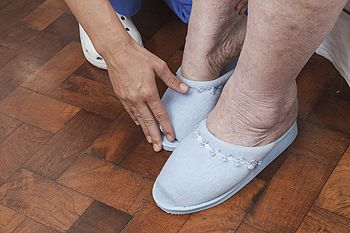
Falling is a common occurrence among seniors that can inhibit completing everyday activities. An effective falls prevention technique is to exercise frequently, as this can help to keep the muscles strong and flexible. Additionally, it is beneficial to install grab bars in the toilet and shower area, and using a bath mat may aid in preventing unnecessary falls as well. Research has indicated it is proactive to get regular physician examinations, where existing medications and eyewear can be checked and updated when necessary. Some patients may have medical conditions that make them more prone to falling, including diabetes, Parkinson’s disease, and certain types of arthritis. If you are over sixty-five years old and would like to learn about how falling can affect the feet, please consult with a podiatrist who can also offer your additional prevention techniques.
Preventing falls among the elderly is very important. If you are older and have fallen or fear that you are prone to falling, consult with the podiatrists from Issaquah Foot & Ankle Specialists. Our doctors will assess your condition and provide you with quality advice and care.
Every 11 seconds, an elderly American is being treated in an emergency room for a fall related injury. Falls are the leading cause of head and hip injuries for those 65 and older. Due to decreases in strength, balance, senses, and lack of awareness, elderly persons are very susceptible to falling. Thankfully, there are a number of things older persons can do to prevent falls.
How to Prevent Falls
Some effective methods that older persons can do to prevent falls include:
- Enrolling in strength and balance exercise program to increase balance and strength
- Periodically having your sight and hearing checked
- Discuss any medications you have with a doctor to see if it increases the risk of falling
- Clearing the house of falling hazards and installing devices like grab bars and railings
- Utilizing a walker or cane
- Wearing shoes that provide good support and cushioning
- Talking to family members about falling and increasing awareness
Falling can be a traumatic and embarrassing experience for elderly persons; this can make them less willing to leave the house, and less willing to talk to someone about their fears of falling. Doing such things, however, will increase the likelihood of tripping or losing one’s balance. Knowing the causes of falling and how to prevent them is the best way to mitigate the risk of serious injury.
If you have any questions, please feel free to contact one of our offices located in Issaquah, WA . We offer the newest diagnostic and treatment technologies for all your foot care needs.
Falls Prevention
Elderly Americans are very susceptible to falls as they get older. Everyone experiences decreases in flexibility, balance, strength, and the senses as they age. This correlates to some eye-opening statistics. 1 in 4 Americans aged 65 and older fall each year. An elderly American is being treated for a fall in an emergency room every 11 seconds. In light of these striking statistics, one can see the importance of taking steps to prevent falls.
Finding an exercise program for the elderly is an excellent way to reduce the likelihood of falls. Look for an exercise program that improves strength and balance. Elderly people who live a more sedentary lifestyle, with little physical activity, are at an increased risk of falling. Wearing well-fitted footwear that provides good foot support and cushion will help prevent falls from poorly fitted shoes. Talking to a podiatrist about your susceptibility to falls and about inspecting your prescriptions will help to avoid any medication that could make falls more likely. Due to a decline in the senses among the elderly, having your eyes and hearing checked is recommended.
Around half of all falls occur in the household. Removing tripping hazards in the home and making it more accommodating to older persons can significantly reduce falls. Some notable household changes include increasing lighting around the house, installing grab bars in the shower and bathroom, and making sure the floor is clear of clutter. Other smart options include installing a shower chair, using rubber-bottomed rugs, and placing railings on both sides of stairwells.
Finally, discuss with a doctor and your family about your fear of falling. This will help to increase awareness among the population on the need for fall prevention. A lack of awareness on the matter, and a downplaying of importance are what increase the risks of falling. Following these tips can help to reduce the risk for yourself and your loved ones.
Athletes and Stress Fractures
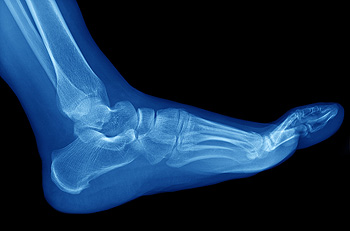
Stress fractures can be common among athletes. They can happen as a result of the consistent pressure that the bones of the feet endure during the athlete’s chosen sport. Stress fractures are defined as small, hairline fractures in the bones which may make walking and running difficult. Common symptoms can include pain surrounding the affected bone, which may improve when the foot is resting and elevated. Some patients experience bruising and swelling, accompanied by achiness. Additionally, stress fractures may gradually develop as a result of wearing shoes that do not fit properly, and this may weaken the foot bones. If you have pain in your foot, it is suggested that you consult with a podiatrist who can diagnose and treat stress fractures.
Activities where too much pressure is put on the feet can cause stress fractures. To learn more, contact the podiatrists from Issaquah Foot & Ankle Specialists. Our doctors can provide the care you need to keep your pain free and on your feet.
Dealing with Stress Fractures of the Foot and Ankle
Stress fractures occur in the foot and ankle when muscles in these areas weaken from too much or too little use. The feet and ankles then lose support when walking or running from the impact of the ground. Since there is no protection, the bones receive the full impact of each step. Stress on the feet can cause cracks to form in the bones, thus creating stress fractures.
What Are Stress Fractures?
Stress fractures occur frequently in individuals whose daily activities cause great impact on the feet and ankles. Stress factors are most common among:
- Runners
- People affected with Osteoporosis
- Tennis or basketball players
- Gymnasts
- High impact workouts
Symptoms
Pain from the fractures occur in the area of the fractures and can be constant or intermittent. It will often cause sharp or dull pain with swelling and tenderness. Engaging in any kind of activity which involves high impact will aggravate pain.
If you have any questions please contact one of our offices located in Issaquah, WA . We offer the newest diagnostic and treatment technologies for all your foot and ankle needs.
Dealing with Stress Fractures of the Foot and Ankle
Stress fractures are small breaks in the bone that are caused by repetitive stress. They typically occur due to overuse, forcing the bones of the foot or ankle to continually absorb the full impact of each step taken. Stress fractures can also be caused by abnormal foot structure, osteoporosis, bone deformities, or wearing improper footwear during exercise.
Stress fractures are common for individuals whose daily activities cause high levels of impact on their feet and ankles. Those who run, play tennis or basketball, or practice gymnastics tend to experience these fractures more frequently. Anyone is susceptible to this problem, though. Individuals who are normally sedentary and suddenly begin an intense, high impact workout may sustain stress fractures. This is because their muscles are not yet strong enough to handle and cushion the intensity of their activity. Osteoporosis may also cause someone to get stress fractures, because the disease weakens an afflicted person's bones and makes it easier for them to break down.
Pain from stress fractures typically occurs in the general area of the fracture. Pain can also manifest as “pinpoint pain” or pain that is felt when the site of the injury is touched, and can be accompanied by swelling. It may occur during or after activity, and it may disappear while resting and return when standing or moving. Engaging in any kind of activity, high impact or otherwise, will aggravate the pain. If the intensity of the activity increases before the stress fracture has properly healed, it can cause a full fracture.
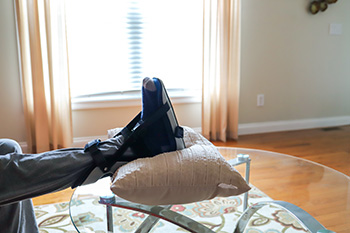
Treatment can vary depending on the individual and the degree of injury. The primary way to treat a stress fracture is to rest the hurt foot. Some fractures will heal quickly with only a little bit of rest, while others may require a long rest period and the use of crutches, immobilization, or physical therapy. Under certain circumstances, surgery may be required to install support pins around the fracture to assist in healing.
If you are undergoing a new exercise regimen in running or some other kind of high impact activity, set incremental goals on a weekly basis so you can build up muscle strength. Make sure to wear supportive shoes to better protect you feet.
If you begin to experience any symptoms of stress fractures, you should stop exercising and rest. If the symptoms persist, consult with your podiatrist. Remembering these tips can help you prevent stress fractures to your foot and ankle, and allow you to continue living normally.
Down Syndrome and Orthotics
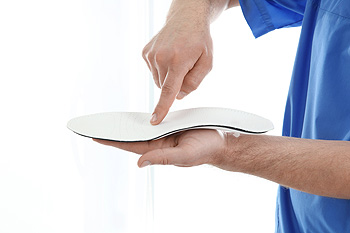
People with Down syndrome often have low muscle tone and loose joints, which can make the feet and ankles less stable. These differences can lead to flat feet, uneven walking patterns, and extra stress on muscles and joints in the feet and legs. Because of this, many children and adults with Down syndrome feel foot pain, tired legs, and discomfort when walking or standing for long periods of time. Other symptoms include frequent tripping, fatigue in the feet, and aches in the arches or heels. Orthotics can help by giving extra support to the arch and helping the foot stay in a better position during movement. By spreading pressure more evenly across the foot, orthotics can reduce strain on muscles and joints and help the body move with less pain. This type of treatment can improve balance, reduce discomfort, and support more comfortable walking. If you or your loved one has Down syndrome and you feel orthotic treatment may be beneficial, it is suggested that you schedule an appointment with a podiatrist for expert guidance.
Custom orthotics can be an important solution for reducing foot pain by targeting its structural causes rather than just the symptoms. When the feet are misaligned, excess strain develops in the muscles, tendons, and ligaments, often resulting in discomfort in the arches, balls of the feet, or toes. Orthotics are designed to match each foot’s natural shape, supporting proper alignment and evenly distributing pressure to ease pain and improve movement.
Foot pain is commonly caused by overuse, wearing improper footwear, or biomechanical issues that place added stress on sensitive areas. By stabilizing the foot and restoring natural motion, custom orthotics help reduce strain, calm inflammation, and promote healing. Many patients experience lasting relief and greater comfort while walking, standing, or exercising.
Created from a detailed assessment using advanced imaging or casting, each pair of orthotics is tailored to your individual needs. If you are experiencing ongoing foot pain, it is suggested that you contact our office for an evaluation and treatment.
If you have any questions, please feel free to contact one of our offices located in Issaquah, WA .
