




When Foot Surgery May Be Needed

Foot surgery may be considered when a painful foot problem does not improve with more conservative medical treatments. Different procedures are available because foot conditions can affect bones, joints, or soft tissues in different ways. For example, bunion surgery may be recommended when severe pain makes walking or wearing closed shoes difficult. The goal is to realign the joint and reduce pain. Surgery may also be used for hammertoes, which cause a toe to bend abnormally and may become painful when wearing shoes. The exact procedure depends on the problem and how severely it affects daily movement.
Other types of foot surgery address pain or structural problems in different areas of the foot and ankle. Fusion surgery may be performed for arthritis when damaged cartilage allows bones to rub against each other. The procedure joins certain bones together to reduce painful movement. Heel surgery may involve releasing part of the plantar fascia, a strong band of tissue connecting the toes to the heel bone. Surgery can also address damaged or poorly functioning tendons. Depending on the problem, a tendon may be shortened, lengthened, or moved to improve foot or ankle movement.
A podiatrist can evaluate ongoing foot pain and determine whether surgery may be an appropriate treatment option. The evaluation considers the location of the problem, its effect on mobility, and the specific structures involved. A podiatrist can explain available surgical procedures and help determine which approach best fits the patient's condition. Foot surgery may be considered for problems involving bunions, painful joints, or other structural concerns when earlier medical treatments have not provided enough relief. The purpose of treatment includes reducing pain and improving movement so daily activities become easier. If persistent foot pain or a structural problem is interfering with your ability to walk comfortably, it is suggested that you consult a podiatrist for an evaluation and appropriate treatment options.
Foot surgery is sometimes necessary to treat a foot ailment. To learn more, contact the podiatrists of Issaquah Foot & Ankle Specialists. Our doctors will assist you with all of your foot and ankle needs.
When Is Surgery Necessary?
Foot and ankle surgery is generally reserved for cases in which less invasive, conservative procedures have failed to alleviate the problem. Some of the cases in which surgery may be necessary include:
- Removing foot deformities like bunions and bone spurs
- Severe arthritis that has caused bone issues
- Cosmetic reconstruction
What Types of Surgery Are There?
The type of surgery you receive will depend on the nature of the problem you have. Some of the possible surgeries include:
- Bunionectomy for painful bunions
- Surgical fusion for realignment of bones
- Neuropathy decompression surgery to treat nerve damage
Benefits of Surgery
Although surgery is usually a last resort, it can provide more complete pain relief compared to non-surgical methods and may allow you to finally resume full activity.
Surgical techniques have also become increasingly sophisticated. Techniques like endoscopic surgery allow for smaller incisions and faster recovery times.
If you have any questions, please feel free to contact one of our offices located in Issaquah, WA . We offer the newest diagnostic and treatment technologies for all your foot care needs.
Foot and Ankle Surgery
When conservative, noninvasive methods prove ineffective, surgery may be selected as the next course of action for the treatment of your foot or ankle condition. A wide number of foot and ankle surgical procedures exist, and it is up to your podiatrist to determine which intervention will be most appropriate and helpful for your case. Some surgical procedures include bunion surgery, fusion, hammertoe surgery, heel spur surgery, metatarsal surgery, nail surgery, neuroma surgery, reconstructive surgery, skin surgery, and tendon surgery. Typically, surgery is turned to as a definitive way to alleviate excessive pain or discomfort and to return your foot to full mobility.
Regardless of the location on the body, all surgical procedures require preoperative testing and examination to ensure the surgery’s success and preferred outcome. A review of your medical history and medical conditions will take place, as will an evaluation of any current diseases, illnesses, allergies, and medications. Tests such as blood studies, urinalyses, EKG, X-rays, and blood flow studies may be ordered. Because the procedure involves the foot and/or ankle, the structures of your feet while walking may also be observed by your podiatrist.
Care post-surgery will depend on the type of surgical procedure performed. Typically, all postoperative care involves rest, ice, compression, and elevation. To improve and ensure a safe recovery, your foot and ankle surgeon may also employ the use of bandages, splints, surgical shoes, casts, crutches, or canes. He will also determine if and when you can bear weight. A timely and thorough recovery is a priority for both you and your podiatrist, and carefully following postoperative instructions can help achieve this.
Custom Orthotics For Ankle Stability

Step with assurance, thanks to enhanced ankle stability from orthotics! If you're active and on the move, Custom Orthotics are your ally for stronger, steadier ankles. They align your foot and ankle, reducing the risk of sprains and offering solid support for every stride. Don’t let instability hold you back. Try Custom Orthotics from our office, and discover unshakable confidence in every step!
Warning Signs of Toenail Fungus
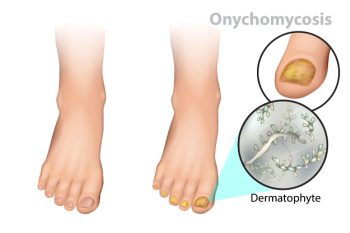
Toenail fungus is a fungal infection that can change the appearance and condition of one or more toenails. The infection develops slowly, so early changes may be easy to overlook. Symptoms can include nail discoloration, thickening, and buildup beneath the nail. As the condition progresses, shoes may feel uncomfortable because the affected nail becomes thicker. Pain can develop when pressure reaches the nail or surrounding tissue.
Fungi thrive in warm, moist environments and can spread through contact with contaminated surfaces or materials. Walking barefoot in shared wet areas can increase exposure. Risk factors include sweaty feet, tight footwear, and a history of fungal skin infections. People with slower nail growth may also have a greater chance of developing persistent changes. Recognizing these factors can encourage attention when nail appearance changes.
Toenail fungus can cause more than cosmetic concerns. Disfigurement may make nails look discolored, cloudy, or irregular. Brittle pieces may break away, while debris can collect beneath the nail. Discomfort may make wearing shoes unpleasant, and pain can occur when the nail presses against the shoe. A podiatrist evaluates the nail, surrounding skin, and symptoms. Lab tests may be used because psoriasis, trauma, and other nail disorders can resemble fungal infection.
A podiatrist creates treatment based on the infection and the condition of the nail. Care may include trimming or thinning the nail, or applying topical antifungal medication, when appropriate. Patients can support recovery by keeping feet dry and changing damp socks. Follow-up visits allow the podiatrist to monitor new nail growth and treatment response overall. Nail improvement takes time because toenails grow slowly. If you have symptoms of toenail fungus, it is suggested that you consult a podiatrist for an accurate diagnosis and appropriate treatment.
For more information about treatment, contact the podiatrists of Issaquah Foot & Ankle Specialists. Our doctors can provide the care you need to keep you pain-free and on your feet.
Toenail Fungus Treatment
Toenail fungus is a condition that affects many people and can be especially hard to get rid of. Fortunately, there are several methods to go about treating and avoiding it.
Antifungals & Deterrence
Oral antifungal medicine has been shown to be effective in many cases. It is important to consult with a podiatrist to determine the proper regiment for you, or potentially explore other options.
Applying foot powder on the feet and shoes helps keep the feet free of moisture and sweat.
Sandals or open toed shoes – Wearing these will allow air movement and help keep feet dry. They also expose your feet to light, which fungus cannot tolerate. Socks with moisture wicking material also help as well.
If you have any questions please contact one of our offices located in Issaquah, WA . We offer the newest diagnostic and treatment technologies for all your foot and ankle needs.
Treating Toenail Fungus
Fungal infection of the toenail, or onychomycosis, typically appears as a gradual change in a toenail’s texture and color that involves brittleness and darkening. The fungal infection itself occurs beneath the surface of the nail. Aside from discoloration, other symptoms include the collection of debris beneath the nail plate, white marks on the nail plate, and a foul odor emanating from the nail. If ignored, the infection can spread into other nails and the skin; in severe cases, it can hinder one’s ability to work or walk.
The toenails are particularly vulnerable to contracting infection in moist environments where people are likely to be walking barefoot, such as around swimming pools, public showers, and locker rooms. Fungal infection may also be more likely to occur in nail beds that have been injured, and sufferers of chronic diseases such as diabetes, circulatory problems, or immunodeficiency conditions are particularly prone to developing fungal nails.
Fungal nails can be primarily prevented by practicing proper hygiene and regularly examining the feet and toes. Carefully washing the feet with soap and water and thoroughly drying the feet afterwards are essential. Other tips include wearing shower shoes in public areas, changing shoes and socks daily, keeping toenails clipped at a short length, wearing breathable shoes that fit properly, wearing moisture-wicking socks, and disinfecting home pedicure tools and instruments used to cut nails.
Fungal nail treatment may vary between patients and the severity of the condition. Your podiatrist may suggest a daily routine of cleansing that spans over a period of time to ease mild infections. Over-the-counter or prescription antifungal agents may also be prescribed, including topical and/or oral medications. Debridement, or the removal of diseased nail matter and debris, may also be performed. In more severe cases, surgical treatment may be needed. In some instances, the temporary removal of the fungal nail allows for the direct application of a topical antifungal to the nail bed. In other cases, a chronically painful fungal nail that has not responded to other treatments may be permanently removed; this allows the infection to be cured and avoids the growth of a deformed nail.
Use of Custom Orthotics for Plantar Fasciitis
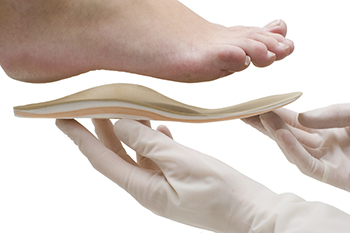
If you are attempting to manage heel pain, such as from plantar fasciitis or heel spurs, custom orthotics may help you. Plantar fasciitis, resulting from strain on the plantar fascia, is notably painful and can stem from an inherent poor foot structure and function. Custom orthotics cater to these unique foot structures, promoting better function, supporting the foot's natural arch, and alleviating undue strain. It has been observed that those with high-arched feet, which inherently bear a lack of shock absorption, are more prone to plantar fasciitis. This lack of cushioning amplifies tension on the plantar fascia, especially around the heel. Custom orthotics target these very issues, adjusting foot mechanics to provide relief. While prefabricated supports can offer general comfort, they may fall short in addressing specific needs, especially for those individuals with high arches. If you have heel or foot pain, it is suggested that you make an appointment with a podiatrist to see if wearing custom-made orthotics can help to restore comfort.
Custom orthotics are often an effective solution for people experiencing heel pain, offering both comfort and correction for the underlying causes of discomfort. Heel pain commonly develops when the natural support of the foot becomes strained or imbalanced, leading to inflammation and irritation in the heel area. Conditions such as plantar fasciitis, heel spurs, or flat feet can all contribute to chronic heel pain that worsens with walking or standing. Custom orthotics are designed to fit the exact shape of your foot, providing the support and alignment necessary to reduce stress on the heel and surrounding tissues.
By redistributing pressure and improving overall foot mechanics, custom orthotics allow the heel to function more efficiently during movement. They cushion each step, absorb shock, and correct abnormal gait patterns that may be contributing to pain. Over time, this consistent support can ease inflammation, protect against re-injury, and enhance comfort during both daily and athletic activities.
Unlike prefabricated insoles, custom orthotics are created from a detailed evaluation that may include digital scans or molds of your feet. This ensures a precise and individualized fit that addresses your specific condition. They can be used in various types of footwear, from athletic shoes to dress styles, making them a versatile option for ongoing relief.
If heel pain is limiting your comfort or activity level, it is suggested that you call our office for more information or to schedule an appointment.
If you have any questions please contact one of our offices located in Issaquah, WA .
Sole Marketing Supporting Our Feet
The feet form the base of the body’s structure, and proper support is essential for overall comfort and movement. Custom orthotics are designed to give the feet the stability and alignment they need to function at their best. Each pair is created specifically for the shape and movement of an individual’s feet, ensuring that every step is supported and balanced. This personalized fit helps prevent the strain and fatigue that can develop when the feet are not properly aligned.
When the feet lack adequate support, other parts of the body often compensate, leading to pain in the knees, hips, or lower back. Custom orthotics help correct these imbalances by evenly distributing weight and guiding the feet to move naturally. Over time, they can improve posture, reduce discomfort, and make walking or standing more comfortable throughout the day.
Whether used for daily wear, work, or sports, custom orthotics provide consistent support that benefits the entire body.
When Plantar Fasciitis Surgery Becomes an Option
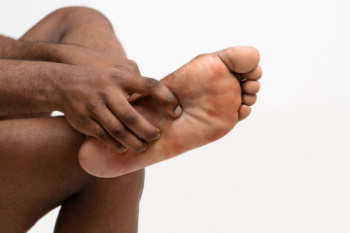
Plantar fasciitis develops when tissue along the bottom of the foot becomes irritated or damaged. This strong band connects the heel to the front of the foot and supports the arch. The resulting pain can make standing, running, or walking difficult. A podiatrist can examine the foot, review the patient’s health history, and diagnose the problem. In most cases, treatment from a podiatrist can help to reduce strain and improve foot function. However, surgery is an option when heel pain remains severe after months of professional care and limits activities.
The surgery is called a plantar fasciotomy, also known as a plantar fascia release. The podiatric surgeon detaches part of the fascia from the heel bone, which reduces built-up tension in the damaged tissue. Endoscopic surgery uses tiny cuts and a small camera to guide the surgeon. The choice depends on the patient’s health, symptoms, and the surgeon’s recommendation. Both approaches are outpatient procedures, so patients can return home the same day. Risks include infection, nerve injury, and continued heel pain. A podiatrist can explain the benefits and risks.
Recovery follows a plan created by the surgeon and podiatrist. Patients must protect the incision and follow instructions about placing weight on the foot. Many people can bear weight within two to three weeks, although timing depends on the procedure and wound healing. Full recovery takes about two months. Follow-up visits allow the podiatrist to check healing, evaluate foot movement, and address swelling or tenderness. Patients should call the medical office if they notice increasing pain, drainage, or fever. Gradual improvement is expected, but discomfort can remain as the tissue heals. The care team will explain when it is safe to return to work, exercise, and wear normal shoes. If you have severe heel pain, it is suggested that you schedule an appointment with a podiatrist who can discuss the benefits of this type of foot surgery with you.
Plantar fasciitis is a common foot condition that is often caused by a strain injury. If you are experiencing heel pain or symptoms of plantar fasciitis, contact the podiatrists from Issaquah Foot & Ankle Specialists. Our doctors can provide the care you need to keep you pain-free and on your feet.
What Is Plantar Fasciitis?
Plantar fasciitis is one of the most common causes of heel pain. The plantar fascia is a ligament that connects your heel to the front of your foot. When this ligament becomes inflamed, plantar fasciitis is the result. If you have plantar fasciitis you will have a stabbing pain that usually occurs with your first steps in the morning. As the day progresses and you walk around more, this pain will start to disappear, but it will return after long periods of standing or sitting.
What Causes Plantar Fasciitis?
- Excessive running
- Having high arches in your feet
- Other foot issues such as flat feet
- Pregnancy (due to the sudden weight gain)
- Being on your feet very often
There are some risk factors that may make you more likely to develop plantar fasciitis compared to others. The condition most commonly affects adults between the ages of 40 and 60. It also tends to affect people who are obese because the extra pounds result in extra stress being placed on the plantar fascia.
Prevention
- Take good care of your feet – Wear shoes that have good arch support and heel cushioning.
- Maintain a healthy weight
- If you are a runner, alternate running with other sports that won’t cause heel pain
There are a variety of treatment options available for plantar fasciitis along with the pain that accompanies it. Additionally, physical therapy is a very important component in the treatment process. It is important that you meet with your podiatrist to determine which treatment option is best for you.
If you have any questions, please feel free to contact one of our offices located in Issaquah, WA . We offer the newest diagnostic and treatment technologies for all your foot care needs.
Plantar Fasciitis
Plantar fasciitis is one of the most common causes of heel pain. The plantar fascia is the thick band of tissue that connects the heel bone to the toes. When this band of connective tissue becomes inflamed, plantar fasciitis occurs. Fortunately, this condition is treatable.
There are several factors that may put you at a greater risk for developing plantar fasciitis. One of the biggest factors is age; plantar fasciitis is common in those between the ages of 40 to 60. People who have jobs that require them to be on their feet are also likely to develop plantar fasciitis. This includes factory workers, teachers, and others who spend a large portion of their day walking around on hard surfaces. Another risk factor is obesity because excess weight can result in extra stress being placed on the plantar fascia.
People with plantar fasciitis often experience a stabbing pain in the heel area. This pain is usually at its worst in the morning, but can also be triggered by periods of standing or sitting. Plantar fasciitis may make it hard to run and walk. It may also make the foot feel stiff and sensitive, which consequently makes walking barefoot difficult.
Treatment for plantar fasciitis depends on the severity of the specific case of the condition. Ice massage applications may be used to reduce pain and inflammation. Physical therapy is often used to treat plantar fasciitis, and this may include stretching exercises. Another treatment option is anti-inflammatory medication, such as ibuprofen.
If you suspect that you have plantar fasciitis, meet with your podiatrist immediately. If left untreated, symptoms may lead to tearing and overstretching of the plantar fascia. The solution is early detection and treatment. Be sure to speak with your podiatrist if you are experiencing heel pain.
Causes of Pain in the Ball of the Foot

Pain in the ball of the foot can make simple activities difficult, especially when standing or walking. The ball of the foot is the padded area between the arch and the toes that helps support body weight with every step. When this area becomes irritated or inflamed, even routine movement can become painful. Symptoms can range from a dull ache to a sharp or burning sensation. Some patients also notice tingling, numbness, or the feeling that something is stuck inside a shoe. These symptoms can begin suddenly after an injury or develop gradually from repeated pressure on the front of the foot.
Several conditions can cause pain in the ball of the foot. Bunions, hammertoes, and high arches can affect how body weight is distributed across the foot. Activities that involve frequent running or jumping also increase pressure on the front of the foot. Footwear choices can make the problem worse. High-heels, shoes that are too tight or too loose, or shoes that lack proper support are common culprits. Medical conditions like arthritis, gout, and nerve irritation can also lead to pain in this area. A podiatrist begins with a thorough examination of the foot and discusses your symptoms and daily activities. Diagnostic testing includes X-rays or advanced imaging to identify injuries or rule out other conditions.
Treatment focuses on correcting the source of the pain and restoring normal foot function. A podiatrist can recommend custom orthotics to improve weight distribution, treat painful calluses, or address foot deformities that put pressure on the forefoot. When structural damage or severe deformities are responsible for ongoing pain, surgery can provide lasting relief. Prompt treatment also helps reduce the risk of developing pain in the ankles, knees, hips, or lower back because of an altered walking pattern. If you have pain in the ball of your foot, it is suggested that you schedule an appointment with a podiatrist for an accurate diagnosis and appropriate treatment.
Foot Pain
Foot pain can be extremely painful and debilitating. If you have a foot pain, consult with the podiatrists from Issaquah Foot & Ankle Specialists. Our doctors will assess your condition and provide you with quality foot and ankle treatment.
Causes
Foot pain is a very broad condition that could be caused by one or more ailments. The most common include:
- Bunions
- Hammertoes
- Plantar Fasciitis
- Bone Spurs
- Corns
- Tarsal Tunnel Syndrome
- Ingrown Toenails
- Arthritis (such as Gout, Rheumatoid, and Osteoarthritis)
- Flat Feet
- Injury (from stress fractures, broken toe, foot, ankle, Achilles tendon ruptures, and sprains)
- And more
Diagnosis
To figure out the cause of foot pain, podiatrists utilize several different methods. This can range from simple visual inspections and sensation tests to X-rays and MRI scans. Prior medical history, family medical history, and any recent physical traumatic events will all be taken into consideration for a proper diagnosis.
Treatment
Treatment depends upon the cause of the foot pain. Whether it is resting, staying off the foot, or having surgery; podiatrists have a number of treatment options available for foot pain.
If you have any questions, please feel free to contact one of our offices located in Issaquah, WA . We offer the newest diagnostic and treatment technologies for all your foot care needs.
