




June 2026
Ankle Sprains
Ankle sprains occur when ligaments that support the ankle stretch beyond their limits and tear. These types of injuries are very common and can occur in people of all ages. Sprains may range from mild to severe, depending on how much damage is done to the ligaments. If a sprain goes untreated, a more severe sprain may occur which can further damage the ankle. Repeated ankle sprains can lead to chronic ankle pain.
There are some risk factors that can increase your risk of suffering a sprained ankle. Those who participate in sports, walk on uneven surfaces, have a prior ankle injury, are in poor physical condition, or wear improper shoes are more likely to get a sprained ankle.
There are a few symptoms to look out for if you suspect you are suffering from a sprained ankle. Some common symptoms are swelling, bruising, tenderness, and instability of the ankle. In cases where the tearing of the ligaments is severe, there may be a “popping” sound when the strain occurs.
The RICE method is proven to be effective in treating ankle sprains. RICE stands for Rest, Ice, Compression, and Elevation. Rest is important for treatment, especially within the first 24 to 48 hours. You should also ice your sprained ankle for the first 48 hours for 20 minutes at a time. A small piece of cloth should be placed between the ice and the affected area. For the compression step, you should wear a brace that is snug, but not too tight that it cuts off circulation. When choosing a brace, be sure to choose one that is suitable for the type of ankle sprain you have. Lastly, you should elevate your foot above the heart as often as possible.
After you treat a sprain, you should go through rehabilitation to prevent the injury from occurring again. There are three phases to the rehab process. The first phase involves resting, protecting, and reducing the swelling of the injury. The second phase consists of restoring the ankle’s flexibility, range of motion, and strength. The third phase consists of slowly returning to activity and maintenance exercises.
If you suspect you have an ankle sprain, you shouldn’t hesitate to consult with your podiatrist. Your podiatrist will be able to give you a proper diagnosis and a suitable treatment option for your condition.
Getting Back on Your Feet After an Ankle Sprain
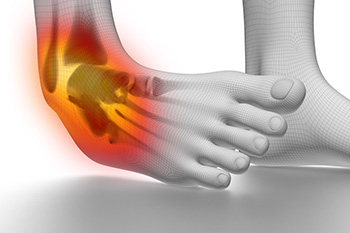
A sudden ankle twist can seem like a small setback, but these injuries can cause bigger problems, when not treated properly. An ankle sprain happens when the strong bands of tissue that support the joint are stretched or torn, often during a misstep, sports activity, or awkward landing. Common signs include swelling, tenderness, bruising, pain with movement, and trouble putting weight on the foot. Some people feel better within weeks, while others notice the ankle keeps feeling weak or gives out unexpectedly. Proper evaluation helps determine how serious the injury is and whether additional imaging or support is needed. Treatment may include bracing, temporary activity changes, and guided exercises. A well-managed recovery can help lower the chance of repeated injuries and long-term instability. If you have a painful ankle sprain, it is suggested that you visit a podiatrist for appropriate treatment solutions.
Although ankle sprains are common, they aren’t always minor injuries. If you need your ankle injury looked at, contact the podiatrists from Issaquah Foot & Ankle Specialists. Our doctors can provide the care you need to keep you pain-free and on your feet.
How Does an Ankle Sprain Occur?
Ankle sprains are the result of a tear in the ligaments within the ankle. These injuries may happen when you make a rapid shifting movement while your foot is planted. A less common way to sprain your ankle is when your ankle rolls inward while your foot turns outward.
What Are the Symptoms?
- Pain at the sight of the tear
- Bruising/Swelling
- Ankle area is tender to touch
- In severe cases, may hear/feel something tear
- Skin discoloration
Preventing a Sprain
- Wearing appropriate shoes for the occasion
- Stretching before exercises and sports
- Knowing your limits
Treatment of a Sprain
In many cases, the RICE method (Rest, Ice, Compression, and Elevate) is used to treat ankle sprains. However, you should see a podiatrist to see which treatment option would work best with your injury. In severe cases, surgery may be required.
It is important to ask your doctor about rehab options after you receive treatment for your injury. Stretching, strength training, and balance exercises may help the ankle heal while also preventing further injury.
If you have any questions, please feel free to contact one of our offices located in Issaquah, WA . We offer the newest diagnostic and treatment technologies for all your foot care needs.
Falls Prevention
Elderly Americans are very susceptible to falls as they get older. Everyone experiences decreases in flexibility, balance, strength, and the senses as they age. This correlates to some eye-opening statistics. 1 in 4 Americans aged 65 and older fall each year. An elderly American is being treated for a fall in an emergency room every 11 seconds. In light of these striking statistics, one can see the importance of taking steps to prevent falls.
Finding an exercise program for the elderly is an excellent way to reduce the likelihood of falls. Look for an exercise program that improves strength and balance. Elderly people who live a more sedentary lifestyle, with little physical activity, are at an increased risk of falling. Wearing well-fitted footwear that provides good foot support and cushion will help prevent falls from poorly fitted shoes. Talking to a podiatrist about your susceptibility to falls and about inspecting your prescriptions will help to avoid any medication that could make falls more likely. Due to a decline in the senses among the elderly, having your eyes and hearing checked is recommended.
Around half of all falls occur in the household. Removing tripping hazards in the home and making it more accommodating to older persons can significantly reduce falls. Some notable household changes include increasing lighting around the house, installing grab bars in the shower and bathroom, and making sure the floor is clear of clutter. Other smart options include installing a shower chair, using rubber-bottomed rugs, and placing railings on both sides of stairwells.
Finally, discuss with a doctor and your family about your fear of falling. This will help to increase awareness among the population on the need for fall prevention. A lack of awareness on the matter, and a downplaying of importance are what increase the risks of falling. Following these tips can help to reduce the risk for yourself and your loved ones.
Methods That Can Help Prevent Falling
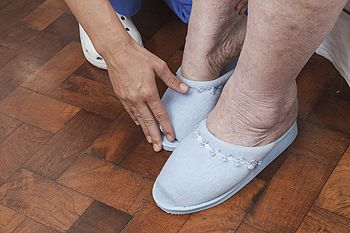
Falling is a common occurrence among seniors that can inhibit completing everyday activities. An effective falls prevention technique is to exercise frequently, as this can help to keep the muscles strong and flexible. Additionally, it is beneficial to install grab bars in the toilet and shower area, and using a bath mat may aid in preventing unnecessary falls as well. Research has indicated it is proactive to get regular physician examinations, where existing medications and eyewear can be checked and updated when necessary. Some patients may have medical conditions that make them more prone to falling, including diabetes, Parkinson’s disease, and certain types of arthritis. If you are over sixty-five years old and would like to learn about how falling can affect the feet, please consult with a podiatrist who can also offer your additional prevention techniques.
Preventing falls among the elderly is very important. If you are older and have fallen or fear that you are prone to falling, consult with the podiatrists from Issaquah Foot & Ankle Specialists. Our doctors will assess your condition and provide you with quality advice and care.
Every 11 seconds, an elderly American is being treated in an emergency room for a fall related injury. Falls are the leading cause of head and hip injuries for those 65 and older. Due to decreases in strength, balance, senses, and lack of awareness, elderly persons are very susceptible to falling. Thankfully, there are a number of things older persons can do to prevent falls.
How to Prevent Falls
Some effective methods that older persons can do to prevent falls include:
- Enrolling in strength and balance exercise program to increase balance and strength
- Periodically having your sight and hearing checked
- Discuss any medications you have with a doctor to see if it increases the risk of falling
- Clearing the house of falling hazards and installing devices like grab bars and railings
- Utilizing a walker or cane
- Wearing shoes that provide good support and cushioning
- Talking to family members about falling and increasing awareness
Falling can be a traumatic and embarrassing experience for elderly persons; this can make them less willing to leave the house, and less willing to talk to someone about their fears of falling. Doing such things, however, will increase the likelihood of tripping or losing one’s balance. Knowing the causes of falling and how to prevent them is the best way to mitigate the risk of serious injury.
If you have any questions, please feel free to contact one of our offices located in Issaquah, WA . We offer the newest diagnostic and treatment technologies for all your foot care needs.
Struggling With Heel Pain? Custom Orthotics Can Help

Struggling with heel pain? Discover the relief Custom Orthotics can bring. Customized to your foot's unique structure, Custom Orthotics offer targeted support, alleviating pressure points and redistributing weight. This means reduced heel pain and a more comfortable step, every time. Whether you're walking, working, or working out, Custom Orthotics ensure your heels feel cushioned and cared for. Experience the transformative power of Custom Orthotics with us today! Call today for more information.
Foot Pain
Our feet are arguably the most important parts of our bodies because they are responsible for getting us from place to place. However, we often don’t think about our feet until they begin to hurt. If you have pain in your feet, you need to first determine where on the foot you are experiencing it to get to the root of the problem. The most common areas to feel pain on the foot are the heel and the ankle.
Heel pain is most commonly attributed to a condition called plantar fasciitis. Plantar fasciitis occurs when the plantar fascia, which is the band of tough tissue connecting the heel bone to the toes becomes inflamed. Plantar fasciitis pain is usually worse in the morning, and it tends to go away throughout the day. If you have plantar fasciitis, you should rest your foot and do heel and foot muscles stretches. Wearing shoes with proper arch support and a cushioned sole has also been proven to be beneficial.
Some common symptoms of foot pain are redness, swelling, and stiffness. Foot pain can be dull or sharp depending on its underlying cause. Toe pain can also occur, and it is usually caused by gout, bunions, hammertoes, ingrown toenails, sprains, fractures, and corns.
If you have severe pain in your feet, you should immediately seek assistance from your podiatrist for treatment. Depending on the cause of your pain, your podiatrist may give you a variety of treatment options.
Why Your Feet Feel Itchy
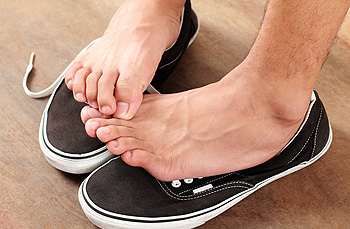
Itchy feet can be more than a minor annoyance and signal an underlying skin condition. One common cause is athlete’s foot, a fungal infection that thrives in warm and damp environments, and leads to peeling skin and intense itching. Dry skin may also cause irritation, especially during colder months. Contact dermatitis can occur when the skin reacts to certain soaps, fabrics, or chemicals, leading to redness and discomfort. Chronic conditions like eczema or psoriasis may create patches of thickened, inflamed skin that itch persistently. Risk factors include sweating, poor ventilation in footwear, and sensitive skin. A podiatrist can diagnose the source, perform testing if needed, and provide targeted treatments to reduce symptoms and prevent spread or recurrence. If your feet have become itchy, it is suggested that you consult a podiatrist who can offer effective relief solutions.
Foot Pain
Foot pain can be extremely painful and debilitating. If you have a foot pain, consult with the podiatrists from Issaquah Foot & Ankle Specialists. Our doctors will assess your condition and provide you with quality foot and ankle treatment.
Causes
Foot pain is a very broad condition that could be caused by one or more ailments. The most common include:
- Bunions
- Hammertoes
- Plantar Fasciitis
- Bone Spurs
- Corns
- Tarsal Tunnel Syndrome
- Ingrown Toenails
- Arthritis (such as Gout, Rheumatoid, and Osteoarthritis)
- Flat Feet
- Injury (from stress fractures, broken toe, foot, ankle, Achilles tendon ruptures, and sprains)
- And more
Diagnosis
To figure out the cause of foot pain, podiatrists utilize several different methods. This can range from simple visual inspections and sensation tests to X-rays and MRI scans. Prior medical history, family medical history, and any recent physical traumatic events will all be taken into consideration for a proper diagnosis.
Treatment
Treatment depends upon the cause of the foot pain. Whether it is resting, staying off the foot, or having surgery; podiatrists have a number of treatment options available for foot pain.
If you have any questions, please feel free to contact one of our offices located in Issaquah, WA . We offer the newest diagnostic and treatment technologies for all your foot care needs.
Sole Marketing and Heel Pain
Heel pain can interfere with daily activities, making each step a challenge. Custom orthotics provide an effective, long-term solution by addressing the mechanical issues that often lead to discomfort. When the natural balance of the foot is disrupted, excessive strain can develop in the heel and surrounding tissues, leading to conditions such as plantar fasciitis, heel spurs, or overpronation. Custom orthotics are made to support the unique structure of your feet, restoring proper alignment and cushioning areas under pressure.
These specialized devices help distribute weight more evenly, reducing stress on the heel and allowing inflammation to subside. By improving how the foot moves during walking or standing, custom orthotics promote healing while preventing further irritation. Patients often notice a significant improvement in comfort, mobility, and endurance after wearing orthotics consistently.
Each pair is crafted using precise imaging or foot impressions to ensure an exact fit for your needs. This personalized approach provides better results than store-bought inserts and can be used in a wide range of shoes.
The Role of Custom Orthotics in Running
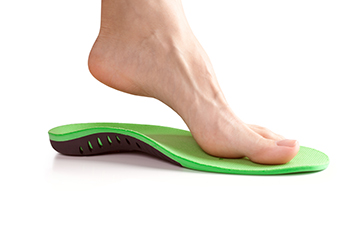
Orthotics play an essential role in enhancing the running experience, particularly for those facing foot-related challenges. Custom-made for the individual runner, orthotics provide targeted support, addressing specific biomechanical issues, such as overpronation or supination, common in runners. This tailored support helps in aligning the foot and ankle, leading to a more efficient and natural running gait. By distributing pressure evenly across the foot, orthotics reduce the strain on key areas, notably the arch and heel, thus preventing common injuries like plantar fasciitis or Achilles tendonitis. They also offer improved shock absorption, important in reducing the impact on joints during running. This not only enhances comfort but also minimizes the risk of injury. Furthermore, for runners with existing foot conditions, orthotics can be a game-changer, enabling them to continue their passion with reduced pain and discomfort. If you are a runner and want improved comfort, performance, and fewer injuries, it is suggested that you make an appointment with a podiatrist to discuss how custom orthotics can help you.
Custom orthotics can make a remarkable difference in daily comfort and mobility by supporting the feet in their most natural and balanced position. Because the feet form the foundation for the entire body, any imbalance can affect not only how a person walks, but also how the knees, hips, and spine align. Over time, this can lead to fatigue, pain, or reduced movement. Custom orthotics are designed to restore stability and promote proper alignment, which can transform the way a person feels and functions throughout the day.
People who wear custom orthotics often experience improved posture, less joint strain, and greater endurance during work, exercise, and leisure activities. The support they provide helps relieve chronic discomfort from conditions such as plantar fasciitis, flat feet, and heel pain, while also reducing the risk of future injuries. For those who stand for long hours or engage in sports, orthotics can make movement smoother and more efficient, allowing the body to perform at its best without unnecessary stress.
Each pair of custom orthotics is created after a detailed evaluation of foot structure, gait, and pressure distribution. By addressing each person’s unique needs, they offer comfort and confidence with every step.
If you are experiencing ongoing foot discomfort or fatigue, it is suggested that you contact our office for more information or to make an appointment.
If you have any questions, please feel free to contact one of our offices located in Issaquah, WA .
How to Care for Diabetic Foot
Millions of people are affected by diabetes each year. Diabetes damages blood vessels in all parts of the body, especially the feet. The legs and feet may develop slow blood flow, which causes neuropathy, or nerve damage. Once a diabetic patient develops neuropathy, it is important that the feet are well taken care of. Otherwise, the lower limbs may have to be amputated. This only happens in drastic cases, but it shows how seriously diabetic foot care should be taken.
It is very important to always wash and dry the feet thoroughly, especially in between the toes, if you’re a diabetic. Secondly, examining your feet and toes for redness or sores must be done, even if you do not feel pain. You may also want to examine your feet from the bottom. Try to avoid wearing colored socks to prevent infections that may occur from the dye. Well-fitting socks are also highly recommended.
A diabetic’s physician should always monitor their blood levels to test how well blood sugars are being maintained. In addition to giving advice about everyday eating habits and foot care, a physician may prescribe medicine to help with the diabetic patient’s neuropathy. It is also advised to see a podiatrist if experiencing any feet conditions. Toenails may also need to be taken care of by a podiatrist. This prevents patients from cutting too deeply around their cuticles, which can lead to infection.
A person can take care of their feet at home by following the instructions of their physician. Using creams on one’s feet is also an effective way to heal dryness. Proceed with caution when using tools to remove calluses, as severe diabetics may not be able to feel pain on their feet. If any complications arise do not hesitate to contact a podiatrist.
On a daily basis, diabetic feet must be checked. If you are ever concerned about something, contact your health care professional. You never want to wait until a wound becomes too severe to treat. If left untreated, gangrene may develop. Gangrene is a serious infection that can lead to sepsis or amputation. It is also important for diabetics to be on the lookout for ulcers. Ulcers are sores that develop from tissue loss on the skin. They can be quite painful and require intensive treatment. Early treatment and everyday inspection are imperative to staying healthy.
