




Issaquah Podiatry Blog | Foot and Ankle Treatment Tips | Issaquah Foot & Ankle Specialists
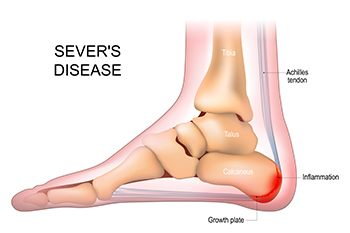
Sever's disease is a common cause of heel pain in active children, especially during periods of rapid growth. Sever's disease develops when repetitive stress irritates the growth plate at the back of the heel bone where the Achilles tendon attaches. Running, jumping, and sports with frequent starts and stops can increase strain on this sensitive area. Children may report heel pain during or after activity, limp, or avoid placing weight on the heel. Symptoms may affect one or both feet and often worsen during sports seasons. A podiatrist can assess foot structure, gait, and activity demands to confirm the diagnosis and rule out other causes of heel pain. Treatment focuses on reducing stress at the heel and supporting a safe return to activity for young athletes. If your active child displays symptoms of Sever's disease, it is suggested that you make an appointment with a podiatrist for an exam, diagnosis, and treatment.
Sever's disease often occurs in children and teens. If your child is experiencing foot or ankle pain, see the podiatrists from Issaquah Foot & Ankle Specialists. Our doctors can treat your child’s foot and ankle needs.
Sever’s Disease
Sever’s disease is also known as calcaneal apophysitis, which is a medical condition that causes heel pain I none or both feet. The disease is known to affect children between the ages of 8 and 14.
Sever’s disease occurs when part of the child’s heel known as the growth plate (calcaneal epiphysis) is attached to the Achilles tendon. This area can suffer injury when the muscles and tendons of the growing foot do not keep pace with bone growth. Therefore, the constant pain which one experiences at the back of the heel will make the child unable to put any weight on the heel. The child is then forced to walk on their toes.
Symptoms
Acute pain – Pain associated with Sever’s disease is usually felt in the heel when the child engages in physical activity such as walking, jumping and or running.
Highly active – Children who are very active are among the most susceptible in experiencing Sever’s disease, because of the stress and tension placed on their feet.
If you have any questions, please feel free to contact one of our offices located in Issaquah, WA . We offer the newest diagnostic and treatment technologies for all your foot care needs.
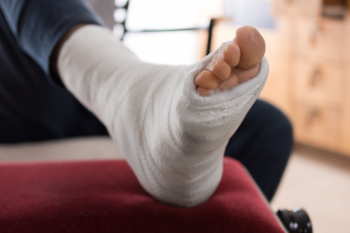
A broken foot refers to a fracture in one or more bones of the foot that disrupts normal movement and weight-bearing. Healing time can vary depending on the location and severity of the fracture, overall health, and how well the foot is protected during recovery. Common symptoms include pain, swelling, bruising, tenderness, and difficulty standing or walking. Causes often involve falls, sports injuries, repetitive stress, or direct impact. Risk factors include osteoporosis, overuse, wearing improper footwear, and high-impact activities. A podiatrist can accurately diagnose the injury using a physical examination and imaging, create a personalized treatment plan, and monitor healing progress. If you have symptoms of a broken foot, it is suggested that you promptly consult a podiatrist who can provide an accurate diagnosis and treatment.
A broken foot requires immediate medical attention and treatment. If you need your feet checked, contact the podiatrists from Issaquah Foot & Ankle Specialists. Our doctors can provide the care you need to keep you pain-free and on your feet.
Broken Foot Causes, Symptoms, and Treatment
A broken foot is caused by one of the bones in the foot typically breaking when bended, crushed, or stretched beyond its natural capabilities. Usually the location of the fracture indicates how the break occurred, whether it was through an object, fall, or any other type of injury.
Common Symptoms of Broken Feet:
- Bruising
- Pain
- Redness
- Swelling
- Blue in color
- Numbness
- Cold
- Misshapen
- Cuts
- Deformities
Those that suspect they have a broken foot shoot seek urgent medical attention where a medical professional could diagnose the severity.
Treatment for broken bones varies depending on the cause, severity and location. Some will require the use of splints, casts or crutches while others could even involve surgery to repair the broken bones. Personal care includes the use of ice and keeping the foot stabilized and elevated.
If you have any questions, please feel free to contact one of our offices located in Issaquah, WA . We offer the newest diagnostic and treatment technologies for all your foot care needs.

Custom Orthotics aren't just about comfort; they're your shield against injury and fatigue. By aligning your feet just right, they reduce strain on muscles and joints, ensuring you stay active longer without the usual wear and tear. Whether you're an athlete pushing limits or someone seeking day-to-day ease, Custom Orthotics offer the support you need. Don't let fatigue set the pace; with Custom Orthotics, you're always one step ahead. Call today for more information.
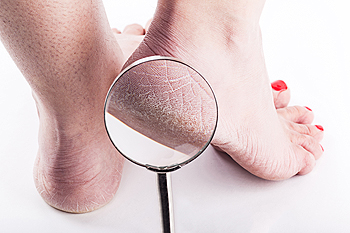
Cracked heels are a condition where the skin surrounding the heel becomes dry, thick, and prone to splitting. In women, cracked heels often develop due to dehydration, excessive exposure to sunlight, and skin changes that affect moisture retention. Wearing improper footwear such as open back shoes or unsupportive sandals can increase pressure on the heel and worsen dryness. Excessive moisture from sweating or frequent water exposure may weaken the skin barrier, while walking barefoot on hard surfaces adds repeated stress. A podiatrist can evaluate the severity of cracked heels, safely remove hardened skin, recommend moisturizing treatments, and address footwear concerns. If cracked heels are causing pain, discomfort, or skin changes, it is suggested that you consult a podiatrist for professional treatment solutions, which may include prescribed medication.
Cracked heels are unsightly and can cause further damage to your shoes and feet. If you have any concerns, contact the podiatrists from Issaquah Foot & Ankle Specialists. Our doctors can provide the care you need to keep you pain-free and on your feet.
Cracked Heels
Cracked heels appear unappealing and can make it harder for you walk around in sandals. Aside from looking unpleasant, cracked heels can also tear stockings, socks, and wear out your shoes. There are several methods to help restore a cracked heel and prevent further damage.
How Do You Get Them?
Dry skin is the number one culprit in creating cracked heels. Many athletes, walkers, joggers, and even swimmers suffer from cracked heels. Age and skin oil production play a role to getting cracked heels as well.
Promote Healing
Over the counter medicines can help, especially for those that need instant relief or who suffer from chronic dry feet.
Wear Socks – Wearing socks with medicated creams helps lock in moisture.
Moisturizers – Applying both day and night will help alleviate dryness which causes cracking.
Pumice Stones – These exfoliate and remove dead skin, which allows for smoother moisturizer application and better absorption into the skin.
Change in Diet
Eating healthy with a well-balanced diet will give the skin a fresh and radiant look. Your body responds to the kinds of food you ingest. Omega-3 fatty acids and zinc supplements can also revitalize skin tissue.
Most importantly, seek professional help if unsure how to proceed in treating cracked heels. A podiatrist will help you with any questions or information needed.
If you have any questions, please feel free to contact one of our offices located in Issaquah, WA . We offer the newest diagnostic and treatment technologies for all your foot care needs.
