




Issaquah Podiatry Blog | Foot and Ankle Treatment Tips | Issaquah Foot & Ankle Specialists

Gout is a painful, inflammatory form of arthritis. Those affected will typically feel an intense stiffness in the joints of their feet, particularly in the big toe. Schedule a visit to learn about how gout can be managed and treated.
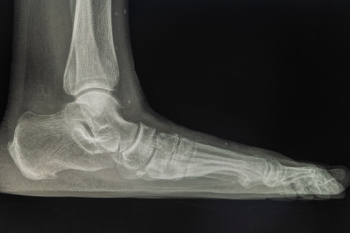
Flat feet develop when the arches of the feet are lower than expected, or do not form fully. Some people are born with flat feet, while others develop them later because of aging, injury, or changes in the tendons that support the arch. Tendons are strong bands of tissue that connect muscles to bones. Many people with flat feet have no symptoms, but others experience pain in the feet, ankles, or lower legs. Some also notice swelling along the inside of the ankle or fatigue after standing for long periods of time. Changes in foot alignment can affect the way weight is distributed while walking and place extra stress on nearby joints. A podiatrist can evaluate the feet and determine whether flat feet are contributing to these symptoms.
Several factors can increase the chance of developing flat feet or make existing symptoms worse. Age-related changes can weaken the tendons that support the arch. Excess body weight can place additional stress on the feet and ankles. Certain medical conditions, like arthritis or diabetes, can also affect foot structure and function. Previous injuries sometimes change the way the foot moves and lead to arch problems. A podiatrist performs a thorough examination that includes evaluating foot alignment, joint movement, and walking patterns. Imaging studies are sometimes recommended to better understand the condition and identify damage affecting the bones or soft tissues.
Treatment depends on the cause of the flat feet and the severity of the symptoms. A podiatrist can recommend custom orthotics that improve foot alignment and provide better support while walking. Orthotics are specially designed shoe inserts that help distribute pressure more evenly across the feet. Patients also benefit from personalized exercises that strengthen the muscles supporting the arches and improve flexibility. Early evaluation can improve comfort, reduce strain on the feet, and help patients stay active. If you have of flat feet, it is suggested that you schedule an appointment with a podiatrist for effective management tips.
Flatfoot is a condition many people suffer from. If you have flat feet, contact the podiatrists from Issaquah Foot & Ankle Specialists. Our doctors will treat your foot and ankle needs.
What Are Flat Feet?
Flatfoot is a condition in which the arch of the foot is depressed and the sole of the foot is almost completely in contact with the ground. About 20-30% of the population generally has flat feet because their arches never formed during growth.
Conditions & Problems:
Having flat feet makes it difficult to run or walk because of the stress placed on the ankles.
Alignment – The general alignment of your legs can be disrupted, because the ankles move inward which can cause major discomfort.
Knees – If you have complications with your knees, flat feet can be a contributor to arthritis in that area.
Symptoms
- Pain around the heel or arch area
- Trouble standing on the tip toe
- Swelling around the inside of the ankle
- Flat look to one or both feet
- Having your shoes feel uneven when worn
Treatment
If you are experiencing pain and stress on the foot you may weaken the posterior tibial tendon, which runs around the inside of the ankle.
If you have any questions, please feel free to contact one of our offices located in Issaquah, WA . We offer the newest diagnostic and treatment technologies for all your foot care needs.
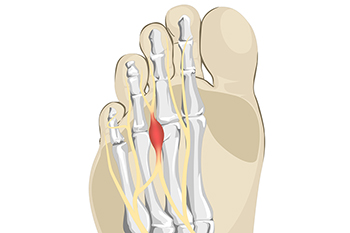
Morton's neuroma affects nerves between the toes, most often between the third and fourth, causing irritation and thickening of surrounding tissue. This leads to nerve compression and discomfort in the ball of the foot. Metatarsalgia is a related condition that involves inflammation and pain in the forefoot, particularly under the metatarsal heads. Both conditions are commonly linked to repetitive pressure and biomechanical stress. They are more prevalent in women, often due to footwear choices that place increased strain on the forefoot. Understanding these conditions helps individuals recognize symptoms early and seek appropriate care.
Symptoms of Morton's neuroma include burning pain, tingling, and numbness that may extend into the toes. Many people describe the sensation as walking on a small object inside the shoe. Metatarsalgia presents as aching pain, tenderness, and increased discomfort with standing or walking. Swelling and a feeling of bruising under the ball of the foot are also common. These symptoms may worsen during activity and improve with rest. Early recognition is important to prevent progression and reduce the impact on mobility and daily function.
Risk factors for these conditions include high-heeled or narrow footwear, repetitive impact activities, and foot structure abnormalities like high arches or flat feet. Obesity increases pressure on the forefoot, contributing to tissue stress and inflammation. Tight calf muscles and poor shock absorption can also lead to excessive force on the metatarsal region. Common causes of metatarsalgia include overuse, improper footwear, and uneven weight distribution when walking or running. These factors create ongoing stress that leads to irritation and pain in the forefoot.
Managing these conditions involves reducing pressure on the forefoot through proper footwear, cushioning, and orthotic support. Activity modification and targeted exercises may help improve foot mechanics and relieve symptoms. Early treatment leads to better outcomes and reduces the likelihood of chronic pain. If you have Morton’s neuroma, it is suggested that you consult a podiatrist for effective treatment to restore comfort and improve foot function.
Morton’s neuroma is a very uncomfortable condition to live with. If you think you have Morton’s neuroma, contact the podiatrists of Issaquah Foot & Ankle Specialists. Our doctors will attend to all of your foot care needs and answer any of your related questions.
Morton’s Neuroma
Morton's neuroma is a painful foot condition that commonly affects the areas between the second and third or third and fourth toe, although other areas of the foot are also susceptible. Morton’s neuroma is caused by an inflamed nerve in the foot that is being squeezed and aggravated by surrounding bones.
What Increases the Chances of Having Morton’s Neuroma?
- Ill-fitting high heels or shoes that add pressure to the toe or foot
- Jogging, running or any sport that involves constant impact to the foot
- Flat feet, bunions, and any other foot deformities
Morton’s neuroma is a very treatable condition. Orthotics and shoe inserts can often be used to alleviate the pain on the forefront of the feet. In more severe cases, corticosteroids can also be prescribed. In order to figure out the best treatment for your neuroma, it’s recommended to seek the care of a podiatrist who can diagnose your condition and provide different treatment options.
If you have any questions, please feel free to contact one of our offices located in Issaquah, WA . We offer the newest diagnostic and treatment technologies for all your foot care needs.

Flat feet? Rise above the discomfort with Custom Orthotics. Specifically designed to support the arch and align the foot, Custom Orthotics can be a game-changer for those with flat feet. They help in distributing weight evenly, preventing undue stress and potential pain. Walk, run, or stand with newfound confidence, knowing your feet have the support they've been missing. Want to explore the benefits of Custom Orthotics tailored for flat feet? Contact us today!
