




February 2024
Dr Brandon Nelson, A Board-Certified Physician & Surgeon Discusses Why He Has Been Fixing Heel Pain For Over 15 Years
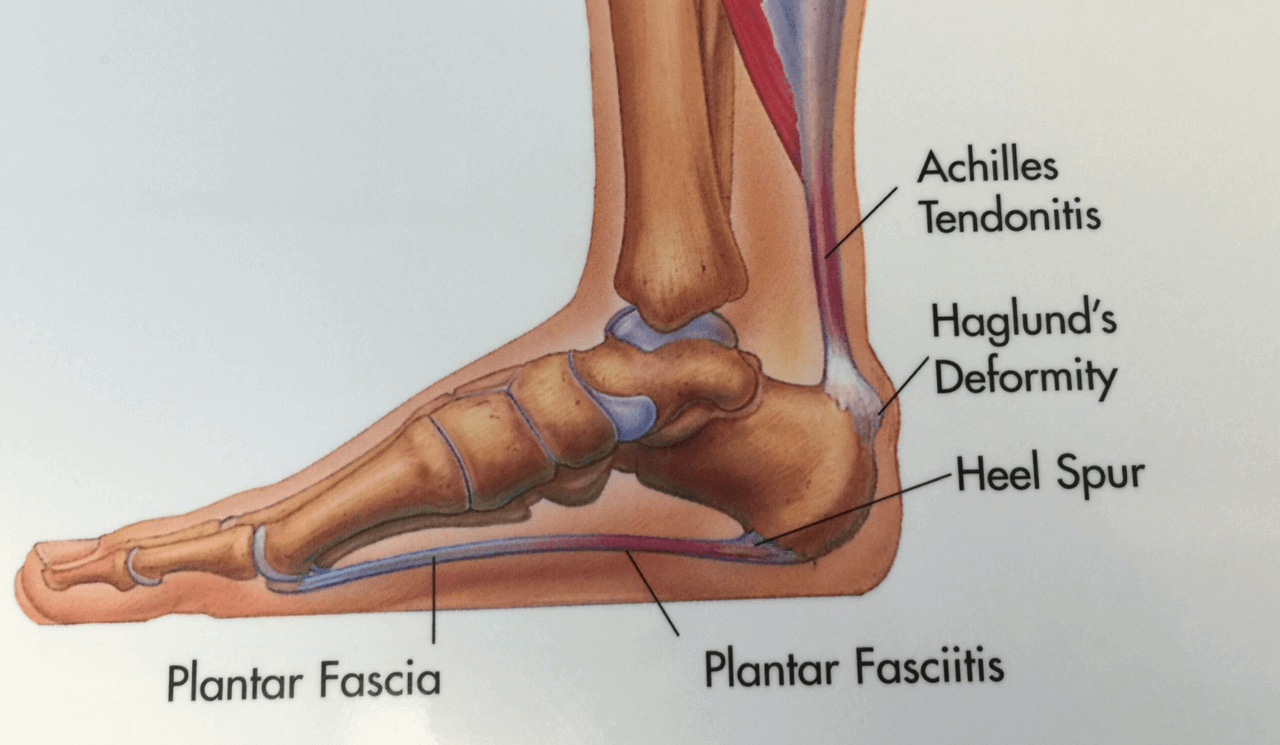
Heel pain is usually caused from inflammation of your plantar fascia. However, this is not the only cause of heel pain. Other causes can include arthritis, nerve irritation, bursal sacs and even mechanical foot collapse. I always recommend physician intervention as things will subside much faster.
Plantar fasciitis is characterized by pain in the morning or after rest. Most patients have increased activities or spend a lot of time on their feet. The pain can feel like a bruise or throbbing that can extend from the heel to the arch. This can go on for months before patients seek treatment or even years. But remember the sooner you see a foot and ankle physician the faster the recovery and return to normal activities.
The mainstays of heel pain treatment are stretching and icing. It is important to get a correct diagnosis before starting any treatment as somethings can exacerbate heel pain and make symptoms worse. An x-ray and careful physical examination are essential to helping discover the underlying causes of heel pain. Assuming all heel pain is plantar fasciitis is a mistake. I have been treating heel pain for over 15 years and have a protocol so successful that most patients are 70% better in less than a week.
Do not let heel pain control your life. How long have you been suffering? Call today and let me help you get better. If you would like a consultation for your heel pain I can help. Call to make an appointment with me at 425-391-8666 or make an appointment online.
Sincerely,
American College of Foot & Ankle Surgeons
Dr Brandon Nelson, A Board-Certified Physician & Surgeon Discusses the Lapiplasty Bunion Correction
Bunions are painful deformities that are common and can cause pain and discomfort daily. Surgery for bunions has been around for over 100 years but recent advancements have made bunion surgery easier than ever. Today we will discuss the Lapiplasty bunion procedure, its advantages and how it has changed the way we correct bunions.
What is a bunion?
A bunion is an inherited foot issue that involves the deviation of a bone in your foot. Specifically the 1st metatarsal begins to drift in the wrong direction making it difficult to fit shoes and can be quite painful. Genetics play a big role in the development of a bunion and things like shoe gear can contribute to the bunion.
Convention bunion surgery often involves cutting the bone and realigning a joint. This type of procedure has been utilized for years and is still the most popular bunion surgery in the world. It has its applications and is appropriate for certain individuals. The Lapidus or Lapiplasty focuses on larger bunions and people that have a more unstable foot. It aims to correct the bunion in a more comprehensive approach and provides the best long term results.
It involves correcting the bunion in 3 planes, realigning the metatarsal, correcting the bunion at the root cause. The joint where the bunion originates is cut and realigned and fixated to heal in the proper position. Recovery can vary by patient and bone quality same with healing times. I do recommend physical therapy and follow up is essential.
In conclusion Lapiplasty has revolutionized bunion correction and provides excellent long term results and is by far the best procedure for many patients.
If you would like a consultation for your bunion I can help. Call to make an appointment with me at 425-391-8666 or make an appointment online.
Sincerely,
American College of Foot & Ankle Surgeons
Causes of Big Toe Pain

Pain in the big toe can be attributed to various causes, including arthritis, fractures, and gout. While most cases are manageable with conservative remedies, certain conditions like sesamoiditis may necessitate more specialized treatment. Arthritis, specifically hallux rigidus, is a common culprit, often affecting individuals over the age of 50, particularly women. Ingrown toenails can also lead to discomfort when toenails are cut too short or improperly. Gout, characterized by the buildup of uric acid in joints, frequently targets the big toe joint. Turf toe, a sports-related injury resulting from repetitive bending or jamming, is more prevalent among athletes on artificial turf. Sesamoiditis, common in runners and ballet dancers, results from inflammation of tendons around the sesamoid bones below the big toe. Toe fractures are commonplace due to various activities or accidents. Bunions, deformities at the base of the big toe, can cause discomfort and joint inflammation. Other potential causes encompass nail infections, Raynaud's disease, Morton's neuroma, and rheumatoid arthritis. If you have unexplained, persistent big toe pain, or if it is worsening, it is suggested that you schedule an appointment with a podiatrist for diagnosis and treatment.
Toe pain can disrupt your daily activities. If you have any concerns, contact the podiatrists of Issaquah Foot & Ankle Specialists. Our doctors can provide the care you need to keep you pain-free and on your feet.
What Causes Toe Pain?
Most severe toe pain is caused due to a sports injury, trauma from dropping something heavy on the toe, or bumping into something rigid. Other problems can develop over time for various reasons.
Toe pain can be caused by one or more ailments. The most common include:
- Trauma
- Sports injury
- Wearing shoes that are too tight
- Arthritis
- Gout
- Corns and calluses
- Hammertoe
- Bunions
- Blisters
- Ingrown toenails
- Sprains
- Fractures (broken bones)
- Dislocations
When to See a Podiatrist
- Severe pain
- Persistent pain that lasts more than a week
- Signs of infection
- Continued swelling
- Pain that prevents walking
Diagnosis
In many cases the cause of toe pain is obvious, but in others, a podiatrist may want to use more advanced methods to determine the problem. These can range from simple visual inspections and sensation tests to X-rays and MRI scans. Prior medical history, family medical history, and any recent physical traumatic events will all be taken into consideration for a proper diagnosis.
Treatment
Treatments for toe pain and injuries vary and may include shoe inserts, padding, taping, medicines, injections, and in some cases, surgery. If you believe that you have broken a toe, please see a podiatrist as soon as possible.
If you have any questions please contact one of our offices located in Issaquah, WA . We offer the newest diagnostic and treatment technologies for all your foot and ankle needs.
Toe Pain
Toe pain can originate from corns, calluses, hammertoes, and bunions, as well as ingrown toenails, sprains, fractures, and dislocations. Corns develop as the toe rubs against the inside of a shoe which causes the skin to thicken as a form of protection. A corn is typically cone-shaped and has a small, hardened spot that points inward. When a corn is pressed into the skin, the toe becomes painful. Corns usually form on the top or side of the toe. A callus is also a thickened patch of skin that generally forms on the bottom of the foot. Calluses are the result of friction from the toe rubbing against the inside of a shoe. They may also occur by walking barefoot or having flat feet. A hammertoe is a bump on the knuckle of the second toe that is produced by wearing shoes that are too short for your feet. The bony protrusion rubs against the top of the shoe causing pain and irritation. A bunion is a malformation of the big toe. The base of the big toe pushes away from the smaller toes, forcing the top of the big toe to press toward the other toes. Bunions can be hereditary, or they can result from injury to the toe joint or from wearing high heels with a narrow toe box. The toe becomes inflamed, and a bump may develop at the end of the misplaced bone. Ingrown toenails typically affect the big toe and its surrounding skin. The nail will dig into the skin and become painful. Wearing tight or narrow shoes that compress the big toe causes the nail to grow into the fleshy part of the toe. Cutting toenails incorrectly can also add to the development of an ingrown toenail. A toe sprain originates from a torn or stretched ligament. Strapping the injured toe to the toe next to it for stabilization is common. A broken or fractured toe usually occurs from trauma like dropping a heavy object on it or bumping into something extremely hard and rigid. Osteoporosis, a thinning of the bones, can also bring about toe fractures.
Any of the conditions mentioned can lead to pain and irritation. While some are more serious than others, seeking an examination and diagnosis from a podiatrist is a good idea. A podiatrist can treat each ailment and get you back on your feet again without pain.
Types of Custom Orthotics
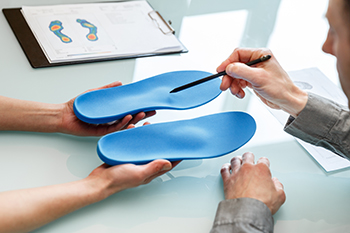
Orthotics are available in various types, each serving distinct purposes to address specific foot conditions. Functional orthotics are designed to control abnormal motion and correct foot biomechanics, providing stability and support. Rigid orthotics offer maximum control and are often used to alleviate pain from conditions like plantar fasciitis or tendonitis. Soft or accommodative orthotics provide cushioning and relieve pressure points, and are ideal for individuals with diabetic foot ulcers or arthritis. Fragile orthotics are delicate inserts tailored for sensitive feet, offering gentle support without causing discomfort. Pied sensible inserts focus on enhancing sensory feedback, aiding in balance and gait improvement. Finally, sport-specific orthotics are engineered to enhance performance and reduce injury risk during athletic activities, catering to the unique biomechanical demands of various sports. If you would like to explore custom-made orthotics for your specific foot issues, it is suggested that you schedule an appointment with a podiatrist to discuss which type of orthotic would best improve your overall comfort and mobility.
If you are having discomfort in your feet and would like to try orthotics, contact the podiatrists from Issaquah Foot & Ankle Specialists. Our doctors can provide the care you need to keep you pain-free and on your feet.
What Are Orthotics?
Orthotics are inserts you can place into your shoes to help with a variety of foot problems such as flat feet or foot pain. Orthotics provide relief and comfort for minor foot and heel pain but can’t correct serious biomechanical problems in your feet.
Over-the-Counter Inserts
Orthotics come in a wide variety of over-the-counter inserts that are used to treat foot pain, heel pain, and minor problems. For example, arch supports can be inserted into your shoes to help correct overarched or flat feet, while gel insoles are often used because they provide comfort and relief from foot and heel pain by alleviating pressure.
Prescription Orthotics
If over-the-counter inserts don’t work for you or if you have a more severe foot concern, it is possible to have your podiatrist prescribe custom orthotics. These high-quality inserts are designed to treat problems such as abnormal motion, plantar fasciitis, and severe forms of heel pain. They can even be used to help patients suffering from diabetes by treating foot ulcers and painful calluses and are usually molded to your feet individually, which allows them to provide full support and comfort.
If you are experiencing minor to severe foot or heel pain, it’s recommended to speak with your podiatrist about the possibilities of using orthotics. A podiatrist can determine which type of orthotic is right for you and allow you to take the first steps towards being pain-free.
If you have any questions, please feel free to contact one of our offices located in Issaquah, WA . We offer the newest diagnostic and treatment technologies for all your foot care needs.
Foot Orthotics
Orthotics are shoe inserts that are meant to correct an irregular walking gait or provide cushioning to the feet. Orthotics come in a variety of different models and sizes, including over-the-counter and customizable variants. Customizable orthotics can be shaped and contoured to fit inside a specific shoe and are typically prescribed through a podiatrist who specializes in customized footwear and orthotics design and management.
Orthotics are beneficial because they can help prevent injuries from occurring and provide cushioning to keep pain levels down to a minimum. They also allow for the correct positioning of the feet. Orthotics can act as shock absorbers to help remove pressure from the foot and ankle. Therefore, orthotics can make bodily movements, such as walking and running, become more comfortable as well as help prevent the development of certain foot conditions.
Orthotics alleviate pain and make the foot more comfortable by slightly altering the angle at which the foot strikes the ground surface, therefore controlling the movement of the foot and ankle. Orthotics come in different variants and can be made of various materials. To determine what type of orthotic is most suited to your feet and your needs, it is best to consult your podiatrist. He or she will be able to recommend a type of orthotic that can help improve your foot function or prescribe a custom orthotic to best fit your feet.
Dr. Brandon Nelson, A Board Certified Foot Physician & Surgeon, Issaquah’s Top Podiatrist, Discusses Heel Pain in Adults and Children
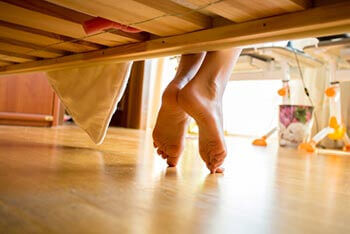
Heel pain can affect both adults and children alike. It is rare for it to be the same cause but does happen. Adults are more commonly inflicted with plantar fasciitis while children it is usually attributed to calcaneal apophysitis or Sever’s disease. The big difference is one is usually attributed to over use and the other growing pains. I will discuss both today.
Plantar fasciitis is still the most common reason people seek out a foot and ankle doctor. This presents with pain in the morning or after exercise. Typically it will get worse with time. There is sometimes a change in activity levels. I encourage you to be evaluated as soon as possible. This will decrease the course and make for a quicker recovery. Start at home with simple calf stretches and icing of the heel. Your doctor will give you a more formal program and usually heel pain resolves with conservative measures.
Heel pain in children is fairly common as well. The typical child is 10-14 years old and going through a growth spurt. You hear a lot about Sever’s disease when visiting the doctor’s office but there are a few outlying causes as well so a thorough workup is warranted. It usually begins with pain while walking or with sports. Again calf stretching and icing can go a long way.
If you have heel pain and want an evaluation schedule an appointment with me and I will help you.
Sincerely,
Board Certified Physician & Surgeon
Issaquah’s Top Podiatrist & Foot/Ankle Surgeon
Dr. Brandon Nelson, A Board Certified Foot Physician & Surgeon, Issaquah’s Top Podiatrist, Discusses the Best Bunion Procedure to Have
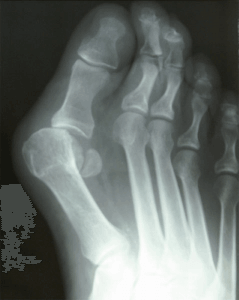
I have been practicing medicine now for about 15 years and like to look back from time to time on how it has changed. Currently there is a lot of talk about the Lapiplasty bunion and bunion surgery in general. I thought I would take a few minutes and discuss this topic.
Bunion surgery continues to be one of the most common foot surgeries in the United States if not the most common. I believe the last statistic I read was something like almost 350,000 operations per year. It is hard to believe there are that many bunions out there!
The most utilized bunion surgery is the Austin bunionectomy. This is for a couple reasons. One can correct the vast majority of bunions whether small or large. It has a much faster recovery and is technically not as challenging as other operations. It involves the cutting of the metatarsal head in a chevron pattern and shifting that bone medially. It is usually fixated in place with a few screws. Patients can bear weight immediately and are typically in a walking boot for 4-8 weeks. It has good long term results and will probably continue to be the most common bunionectomy for that reason.
The other most talked about bunion procedure is the Lapidus bunionectomy or the Lapiplasty. This procedure is the choice for very large bunions or juvenile bunions. It is technically more challenging but provides for excellent correction. This involves fusion of the metatarsal cuneiform joint to realign the metatarsal. It usually involves a period of non weight bearing from 3-8 weeks. The long term results are excellent.
That begs the question: which procedure is best for bunion patients? Well the answer is not simple. It really involves a couple key considerations. First being how does the rest of the foot look and how much motion do we have through the 1st metatarsal? Second is patient age and activity level. Third would be overall general health of the patient and bone quality. I recommend seeing a surgeon that performs a lot of bunion surgeries as their outcomes will be better.
If you have a bunion and would like to know your options and have it evaluated schedule, make an appointment with me and I will help you.
Sincerely,
Board Certified Physician & Surgeon
Issaquah’s Top Podiatrist & Foot/Ankle Surgeon
Custom Orthotics For Seniors

Age gracefully and move freely with Custom Orthotics. For seniors seeking to maintain their independence, Custom Orthotics offer the stability and comfort essential for daily activities. Custom-tailored to your feet, they provide support, reduce pain, and enhance mobility, ensuring you're always on sure footing. Don't let age-related foot concerns hold you back. With Custom Orthotics, embrace every golden moment with confidence. Call today to schedule an appointment.
What Are the Causes and Symptoms of a Broken Foot?
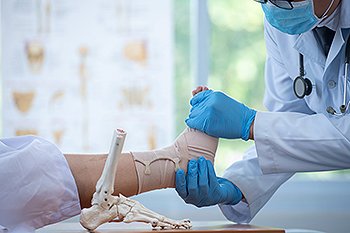
A broken foot, also known as a foot fracture, is a common injury that can occur due to various causes and manifests with distinct symptoms. Trauma from accidents, falls, or sports injuries is a primary culprit behind foot fractures, leading to cracks or breaks in the bones. Symptoms of a broken foot include pain, swelling, and bruising around the affected area, making weight-bearing difficult or impossible. Patients may also experience tenderness to touch, deformity, or an audible snap or pop at the time of injury. In severe cases, the broken bone may protrude through the skin, causing an open fracture. Recognizing these symptoms is vital for a prompt diagnosis and treatment, which may involve immobilization, pain management, and in some cases, surgical intervention to ensure proper healing and restoration of foot function. If you suspect you have broken your foot, it is suggested that you visit a podiatrist as quickly as possible who can confirm the diagnosis, and offer treatment that is best suited for you.
A broken foot requires immediate medical attention and treatment. If you need your feet checked, contact the podiatrists from Issaquah Foot & Ankle Specialists. Our doctors can provide the care you need to keep you pain-free and on your feet.
Broken Foot Causes, Symptoms, and Treatment
A broken foot is caused by one of the bones in the foot typically breaking when bended, crushed, or stretched beyond its natural capabilities. Usually the location of the fracture indicates how the break occurred, whether it was through an object, fall, or any other type of injury.
Common Symptoms of Broken Feet:
- Bruising
- Pain
- Redness
- Swelling
- Blue in color
- Numbness
- Cold
- Misshapen
- Cuts
- Deformities
Those that suspect they have a broken foot shoot seek urgent medical attention where a medical professional could diagnose the severity.
Treatment for broken bones varies depending on the cause, severity and location. Some will require the use of splints, casts or crutches while others could even involve surgery to repair the broken bones. Personal care includes the use of ice and keeping the foot stabilized and elevated.
If you have any questions, please feel free to contact one of our offices located in Issaquah, WA . We offer the newest diagnostic and treatment technologies for all your foot care needs.
Check if allow_url_fopen is enabled on your server. It is mandatory. If not then you must activate it. Contact with your Server Admin / Hosting Provider.
Steps to enable allow_url _fopen :
allow_url_fopen = on
allow_url_include = on.
Add it to php.ini settings.
Google Business Reviews Error Notice!
Read Below Steps Carefully :
1. Check your API key and PLACE id. May be it is not right. Make sure it is correct one.
2. This message commonly shows when api key is exceeded daily request quota for this API or there is no active billing account for this API. Because according to Google there is a limit for free API key. If it exceeds they ask for billing.
3. To know more about Google Pricing , Check here : Google Pricing
4. You can create your Google API key here
5. Must use a right PlaceID. Get PlaceID here
6. One important thing, Don't forget to add billing account to Google. Must check what Google says here
7. If you still find issue , then check first if your Business registered with Google or not. Read more about it here
8.Still find issue, then contact developer : info@aaextensions.com or ashik685@gmail.com
