




February 2024
Causes, Symptoms, and Treatment for a Broken Foot
The human foot has 26 different bones, and the foot is divided into three parts: the hindfoot, the midfoot, and the forefoot. Each section of the foot is composed of a different amount of bones. For instance, the forefoot is made up of 19 bones. The midfoot is composed of five smaller bones called the navicular, cuboid, and three cuneiform bones. Lastly, the hindfoot is made up of only the talus and the calcaneus. The feet tend to be vulnerable to slipping and twisting; consequently, fractured bones within the foot are common. When a bone gets crushed, bent, twisted, or stretched it may become broken.
Many foot fractures occur through an accident or trauma. More specifically, common causes for broken feet are car accidents, falls, missteps, or overuse. If you have a broken ankle or foot, you may have one or more of the following symptoms: throbbing pain, swelling, bruising, tenderness, deformities, and difficulty walking.
There are some factors that may put you at a higher risk of developing a broken foot. People who participate in high-impact sports are more likely to develop foot fractures because of the stresses, direct blows, and twisting injuries involved in gameplay. Additionally, those who suddenly increase their activity level are more likely to suffer a stress fracture.
Unfortunately, there are different complications that may arise because of a foot fracture. For instance, arthritis may be caused by fractures that extend into the joints. Bone infections are also possible in open fractures due to the bone being exposed to bacteria. However, there are ways you can help prevent yourself from breaking your foot. One way to avoid fractures is to wear proper footwear. If you plan on going on a run, you should wear running shoes. You should also replace your shoes if you notice that they are becoming worn out. For runners, it is best to replace shoes every 300 to 400 miles.
Treatment for foot fractures usually consists of rest, ice, elevation, and compression (RICE). If you plan on wrapping your foot, try not to wrap it too tightly because doing so may cut off blood supply in the foot. You should also avoid walking on the fractured foot.
If you suspect you have a broken foot, you should see your podiatrist right away. It is important that you have someone bring you to your doctor, since driving with a broken foot can be dangerous. You should especially seek urgent care if you are experiencing numbness, pain, or deformities in your foot.
Myths About Custom Orthotics
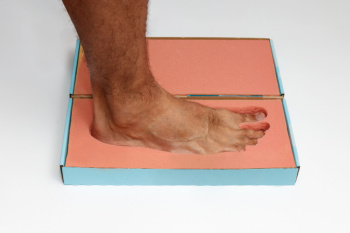
Custom foot orthoses have a rich history, dating back to the mid-19th century when Lewis Durlacher created molded leather devices to address foot issues for Queen Victoria. Over the years, several myths have emerged about the function and effects of custom orthoses. First, custom orthotics are personalized medical devices designed to optimize foot and lower extremity function by modifying ground reaction forces' timing, location, and magnitude. They do not force the foot into specific joint positions but work with their unique morphology, stiffness, and cushioning properties to achieve therapeutic goals. Custom foot orthoses serve various purposes, from relieving diabetic neuropathic ulcers to reducing tension stress in conditions like plantar fasciitis. They also redirect ground reaction forces to prevent bending moments responsible for stress fractures and other issues. That there is one best way to design custom orthoses is another myth. The flexibility of custom orthoses allows for tailored solutions for different pathologies. Lastly, the notion that custom foot orthoses weaken feet over time lacks scientific backing. In fact, research suggests that they can enhance foot muscle activation. If you would like to understand more about how custom orthotics might help you, it is suggested that you make an appointment with a podiatrist.
Custom orthotics play an important role in preventing and treating foot and ankle injuries by providing personalized support that aligns with the unique structure of each foot. These specially designed devices help correct biomechanical imbalances, reduce pressure on sensitive areas, and improve stability during movement. When the feet are properly supported, the risk of developing conditions such as plantar fasciitis, Achilles tendinitis, and ankle sprains can be significantly reduced. Custom orthotics also help relieve discomfort caused by having flat feet, high arches, or uneven leg length, which may contribute to recurring injuries or pain.
Foot and ankle injuries can develop gradually from repetitive strain or occur suddenly during physical activity. Without proper treatment, these injuries can affect mobility and overall quality of life. Orthotics work to redistribute weight evenly across the foot, allowing joints and muscles to function more efficiently. This not only supports recovery from injury but can also prevent future problems by promoting better posture and alignment throughout the lower body.
Unlike over-the-counter inserts, custom orthotics are designed based on a detailed evaluation of each patient’s foot structure, gait, and medical needs. Podiatrists use advanced imaging and diagnostic tools to create orthotics that fit precisely and provide targeted correction. Whether used in everyday footwear or athletic shoes, custom orthotics can improve comfort, enhance performance, and support long-term foot health.
If you are experiencing foot or ankle pain or have sustained an injury that has not improved with rest, it is suggested that you schedule an appointment with a podiatrist. Call our office for more information or to make an appointment.
If you have any questions, please feel free to contact one of our offices located in Issaquah, WA .
Investing in Custom Orthotics Means Investing in Foot Health
Custom orthotics offer a tailored approach to foot health, providing a host of benefits that extend far beyond conventional shoe inserts. One of the primary advantages lies in their ability to address specific biomechanical issues. Unlike off-the-shelf inserts, custom orthotics are crafted based on an individual's unique foot structure, gait, and any existing foot conditions.
The personalized design of custom orthotics ensures optimal support for the arches, promoting proper alignment and distributing pressure evenly across the feet. This can be particularly beneficial for individuals dealing with issues such as overpronation or underpronation, as custom orthotics help correct imbalances that may lead to discomfort or injury.
Beyond biomechanics, custom orthotics can alleviate a range of foot problems, including plantar fasciitis, bunions, and metatarsalgia. They provide targeted relief to areas under stress, reducing pain and inflammation. Additionally, for those with specific medical conditions like diabetes, custom orthotics can play a crucial role in preventing complications associated with poor foot health.
Comfort is another key aspect of custom orthotics. By accommodating the unique contours of an individual's feet, these inserts enhance overall comfort, making daily activities more enjoyable. Whether for athletes looking to optimize performance or individuals seeking relief from chronic foot pain, custom orthotics offer a versatile solution.
Investing in custom orthotics is an investment in long-term foot health. They not only provide immediate relief but also contribute to the prevention of future issues. With the ability to seamlessly integrate into various types of footwear, custom orthotics empower individuals to prioritize foot comfort without compromising on style. In essence, custom orthotics are a personalized prescription for happy, healthy, and pain-free feet.
Medical Procedures for Foot Corns
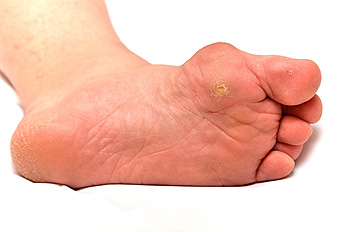
Corns, which are hardened skin areas caused by friction, can be treated through various methods, but it is important to know that they will not disappear overnight. Conservative treatments involve reducing friction by changing shoes and trimming toenails properly. These are often effective in resolving corns. Surgical removal is reserved for severe cases when other treatments fail, and it is not recommended to attempt this on your own due to the risk of infection. Whether or not you should remove a corn depends on its impact on your daily life and overall health. Mild corns that do not bother you can be left alone, while severe symptoms may require podiatric evaluation, especially if you have conditions such as diabetes affecting foot sensation. Surgical options, cortisone injections, or podiatrist-assisted shaving are available for severe cases, with specific aftercare instructions. If you have a bothersome foot corn and symptoms persist, worsen, or interfere with your daily life, or if you have underlying health issues, it is suggested that you schedule an appointment with a podiatrist for more advanced treatment.
Corns can make walking very painful and should be treated immediately. If you have questions regarding your feet and ankles, contact the podiatrists of Issaquah Foot & Ankle Specialists. Our doctors will treat your foot and ankle needs.
Corns: What Are They? And How Do You Get Rid of Them?
Corns are thickened areas on the skin that can become painful. They are caused by excessive pressure and friction on the skin. Corns press into the deeper layers of the skin and are usually round in shape.
Ways to Prevent Corns
There are many ways to get rid of painful corns such as:
- Wearing properly fitting shoes that have been measured by a professional
- Wearing shoes that are not sharply pointed or have high heels
- Wearing only shoes that offer support
Treating Corns
Although most corns slowly disappear when the friction or pressure stops, this isn’t always the case. Consult with your podiatrist to determine the best treatment option for your case of corns.
If you have any questions, please feel free to contact one of our offices located in Issaquah, WA . We offer the newest diagnostic and treatment technologies for all your foot care needs.
Understanding Corns and Calluses
Corns and Calluses are both hardened layers of thickened skin that develop because of friction. Both ailments are typically found on the feet and may be unsightly. Although they have similarities, corns and calluses are different from each other.
Some causes of corns and calluses may be wearing ill-fitting shoes and not wearing socks. If you wear tight shoes, your feet will constantly be forced to rub against the shoes, causing friction. If you fail to wear socks, you are also causing your feet to endure excess friction.
There are some signs that may help you determine whether you have one of these two conditions. The first symptom is a thick, rough area of skin. Another common symptom is a hardened, raised bump on the foot. You may also experience tenderness or pain under the skin in addition to flaky, dry, or waxy skin.
There are also risk factors that may make someone more prone to developing corns and calluses. If you are already dealing with bunions or hammertoe, you may be more vulnerable to having corns and calluses as well. Other risk factors are foot deformities such as bone spurs, which can cause constant rubbing inside the shoe.
Corns tend to be smaller than calluses and they usually have a hard center surrounded by inflamed skin. They also tend to develop on the parts of the body that don’t bear as much weight such as the tops and sides of toes. Corns may also be painful for those who have them. On the other hand, calluses are rarely painful. These tend to develop on the bottom of the feet and may vary in size and shape.
Fortunately, most people only need treatment for corns and calluses if they are experiencing discomfort. At home treatments for corns and calluses should be avoided, because they will likely lead to infection. If you have either of these ailments it is advised that you consult with your podiatrist to determine the best treatment option for you.
Dr Brandon Nelson, A Board Certified Physician & Surgeon, Issaquah’s Best Podiatrist, Discusses Heel Pain

Heel pain can affect people of all ages, lifestyles and activity levels. You can be an avid exerciser, a home body or just spend all day working on your feet. I will discuss some of the causes of heel pain, the symptoms and when to seek medical attention. I have been a practicing podiatrist in Issaquah for over 25 years and have treated and helped 1000’s of patients.
There are many common causes of heel pain. However a few are the most common and these include; plantar fasciitis, Achilles tendonitis, stress fractures and Baxter’s neuritis.
Plantar fasciitis is caused from an inflammation of a band of tissue running on the bottom of the foot. The job of the fascia is to support the arch of the foot and control 3 dimensional movement. It often occurs with repetitive stress like standing all day or running.
Achilles tendonitis is usually located more towards the back of the heel. The Achilles tendon helps to push off the foot during the gait cycle. Often any activity that increases load like jumping rope can cause the Achilles to become inflamed. People often feel swelling or a thickening of this tendon in the ankle.
Stress fractures are usually related to overtraining and time. They occur with repetitive loading of a bone. The bone I am speaking of in this case is the calcaneus. These can be tricky to diagnose.
Baxter’s neuritis is rare but is often confused for plantar fasciitis. There is usually more of a burning or tingling that occurs. Often there is not an increase in activities and no correlation with time spent on your feet and pain.
I recommend seeking early treatment for heel pain. I see that patients that wait longer have a harder time recovering and often need more therapeutic interventions. This is especially true for athletes, get in early and get a head of the pathology.
If you have heel pain and would like an appointment with Issaquah’s top Podiatrist at 425-391-8666 or make an appointment online.
Sincerely,
Board Certified Foot & Ankle Surgeon
Dr Brandon Nelson, A Board Certified Physician & Surgeon, Issaquah’s Best Podiatrist, Discusses Why Lapiplasty Bunion Correction
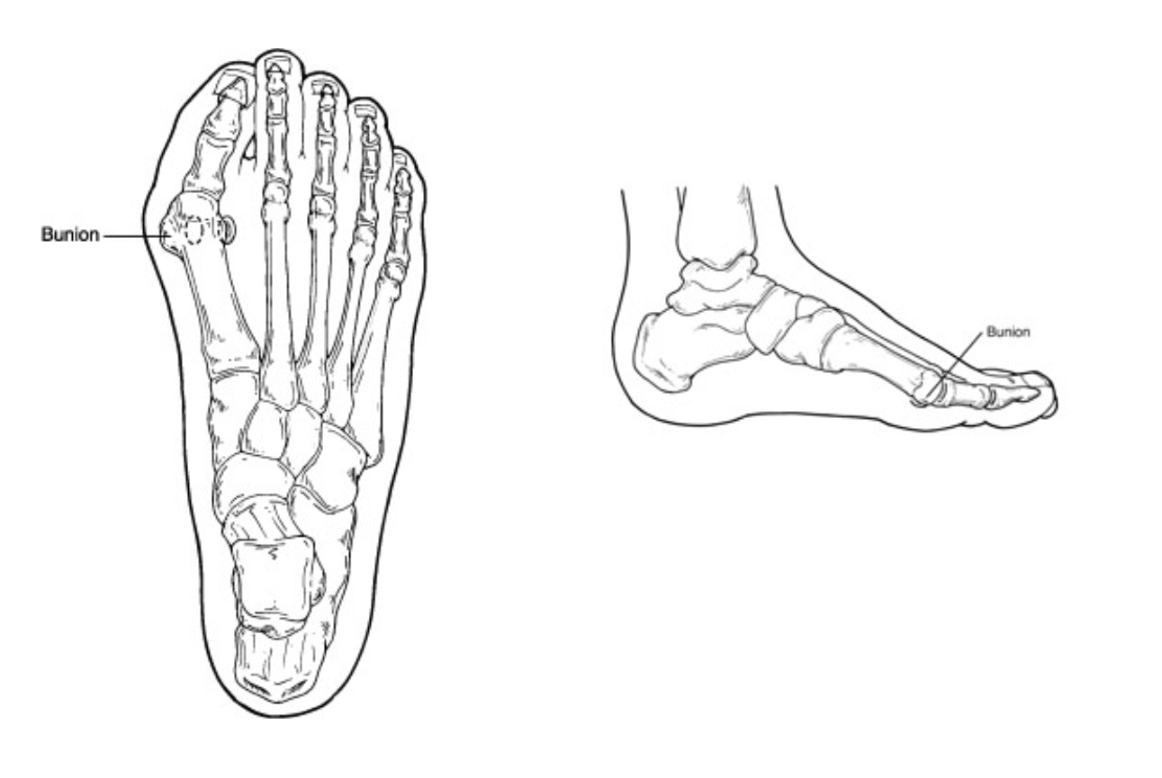
Bunion surgery is the most common foot surgery done in the United States. There are many different techniques to correct a bunion. Most involve either cutting of a bone or fusion of a bone. All involve realignment of a joint in order to improve the function and appearance of the foot.
I have now been practicing medicine and surgery for over 15 years. I am a podiatrist in Issaquah and have had the opportunity to help 1000’s of patients with bunions. Bunions can be extremely painful and the majority of people will require them to be fixed at some point. This experience has led me to utilize Lapiplasty on the majority of my patients.
Why the Lapiplasty?
1. It provides correction at the center of a bunion deformity
2. It has been proven to have the best long term outcomes
3. It stabilizes the foot structure
4. It does an excellent job for large bunions
5. It has been utilized for over 100 years
I encourage anybody with a bunion to get evaluated by a surgeon that performs a significant amount of bunion corrections annually. Experience can make a big difference in outcomes and the Lapiplasty is a technically difficult procedure to execute. If you have a bunion and would like to discuss the Lapiplasty make an appointment with Issaquah’s top Podiatrist at 425-391-8666 or make an online appointment.
Sincerely,
Board Certified Foot & Ankle Surgeon
Reduce Foot Pain With Shockwave Therapy

Shockwave therapy treatments are administered outside the body and are non-invasive. A handheld transducer placed on the skin passes high-energy sound waves down into the injured tissue to increase blood flow. This activates the body’s natural healing process and reduces pain and inflammation. Shockwave therapy has provided fast results in treating heel pain, tendonitis, bursitis, and more with no needles or steroids.
Contact our office to learn more!
Check if allow_url_fopen is enabled on your server. It is mandatory. If not then you must activate it. Contact with your Server Admin / Hosting Provider.
Steps to enable allow_url _fopen :
allow_url_fopen = on
allow_url_include = on.
Add it to php.ini settings.
Google Business Reviews Error Notice!
Read Below Steps Carefully :
1. Check your API key and PLACE id. May be it is not right. Make sure it is correct one.
2. This message commonly shows when api key is exceeded daily request quota for this API or there is no active billing account for this API. Because according to Google there is a limit for free API key. If it exceeds they ask for billing.
3. To know more about Google Pricing , Check here : Google Pricing
4. You can create your Google API key here
5. Must use a right PlaceID. Get PlaceID here
6. One important thing, Don't forget to add billing account to Google. Must check what Google says here
7. If you still find issue , then check first if your Business registered with Google or not. Read more about it here
8.Still find issue, then contact developer : info@aaextensions.com or ashik685@gmail.com
