




March 2022
Dr Brandon Nelson, A Board Certified Foot & Ankle Physician and Surgeon, Discusses Hammer Toes
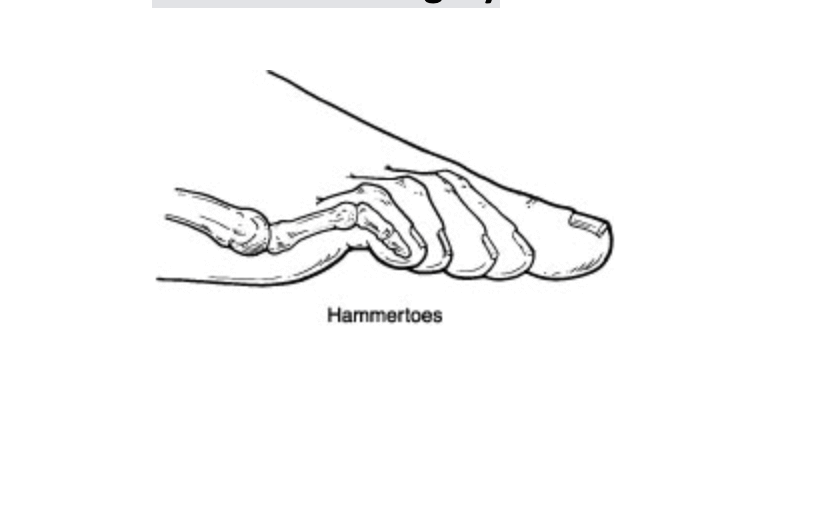
Hammer toes are a condition that affects usually multiple toes in the foot. This condition can occur on one foot or both. It is often part of an overall deformity of the foot for example a bunion with hammer toes is common. There tends to be a family history of hammer toes and pain can begin as the condition worsens. Often patients will present with pain from shoe gear rubbing or pain with activities like running. The hammer toes are a progressive deformity and I encourage early intervention to manage the deformity.
The most common cause of hammer toes is the foot trying to stabilize itself. Often the long flexor tendons of the foot are working to create an arch or support the arch. Patients often have a flatfoot associated with this pathology and the hammer toes start to progress as the foot becomes flatter. The foot works hard to try and stop the flattening and the flexor tendons begin to overpower the digits. The digits begin to curt and hammering is the result.
The only long-term fix of hammer toes is surgical. The procedure itself is relatively straightforward and quick. It involves removing a piece of bone and often lengthening a tendon or releasing some soft tissues. It is a stepwise approach to the hammer toe that provides the best long-term outcomes. I have patients that choose to have it done with just some local anesthetic and the recovery is uneventful.
If you are suffering from curling digits and need an evaluation I can help. Please contact the office at 425-391-8666 or make an appointment online today.
Sincerely,
Board Certified Physician and Surgeon
Dr Brandon Nelson, A Board Certified Foot & Ankle Physician & Surgeon, Discusses Achilles Tendon Pain
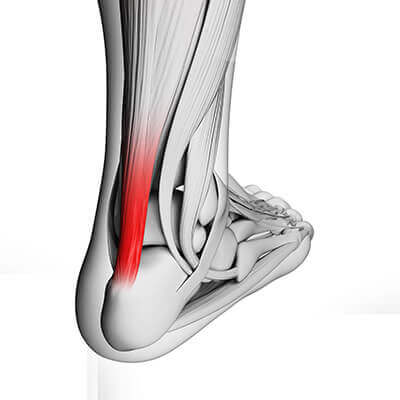
If you are an athlete at some point you have probably experienced Achilles tendon pain. Most people will have this type of ankle pathology after starting a new program or ramping up their current workout schedule. I personally have dealt with some insertional Achilles tendon pain and will give some insight as to what can be done to get you back to full speed.
It is important to know that the Achilles tendon is the biggest, thickest and strongest tendon in the human body. It has more pressure per square inch than any other tendon and is constantly under load and tension. Every time you step the Achilles tendon fires so it rarely has an opportunity to relax. This is the primary reason it is common to have tendonitis in this location.
Other factors contributing to this can be related to training issues or foot structure issues. Training issues are usually related to plunging into new techniques or training to hard. It is important to build up to new levels and allow adequate recovery to prevent tendonitis. I also am a big proponent of stretching and icing as this can speed recovery. Foot structure or anatomical design can also have a role in this pathology. Oftentimes patients will have a tight calf that they were born with. It is important to establish a stretching protocol that encourages at a minimum of 3 times a day. Other foot structures that cause Achilles issues are high arched feet or the cavus foot. These type of feet tend to overload the Achilles.
If you are suffering from Achilles tendon pain I can help get you back to full speed. Give us a call today at 425-391-8666 or make an appointment online.
Sincerely,
Board Certified Foot & Ankle Physician and Surgeon
How to Take Care of Your Feet When You Have Diabetes
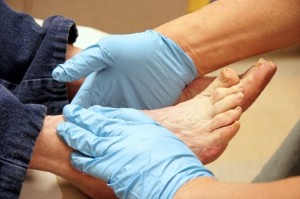 Diabetes can affect foot health and cause peripheral neuropathy, a condition where the central nervous system is damaged and signals from the brain to one’s feet do not work properly. This can cause inflammation and lead to numbness, tingling, and increased sensitivity in the feet, as well as more severe problems like foot ulcers and infections. Changes in lifestyle and diet can help keep blood sugar and weight in a target range that will help prevent nerve damage and neuropathy. Following diabetic food guidelines and eating at regular intervals are key to controlling diabetes and side effects like peripheral neuropathy from developing. It is also important to check your feet frequently to look for cuts, swelling, or other abnormalities. Having your feet checked regularly by a podiatrist when you have diabetes can help you stay on top of your foot health and prevent more serious complications from developing.
Diabetic foot care is important in preventing foot ailments such as ulcers. If you are suffering from diabetes or have any other concerns about your feet, contact the podiatrists from Issaquah Foot & Ankle Specialists. Our doctors can provide the care you need to keep you pain-free and on your feet.
Diabetic Foot Care
Diabetes affects millions of people every year. The condition can damage blood vessels in many parts of the body, especially the feet. Because of this, taking care of your feet is essential if you have diabetes, and having a podiatrist help monitor your foot health is highly recommended.
The Importance of Caring for Your Feet
- Routinely inspect your feet for bruises or sores.
- Wear socks that fit your feet comfortably.
- Wear comfortable shoes that provide adequate support.
Patients with diabetes should have their doctor monitor their blood levels, as blood sugar levels play such a huge role in diabetic care. Monitoring these levels on a regular basis is highly advised.
It is always best to inform your healthcare professional of any concerns you may have regarding your feet, especially for diabetic patients. Early treatment and routine foot examinations are keys to maintaining proper health, especially because severe complications can arise if proper treatment is not applied.
If you have any questions, please feel free to contact one of our offices located in Issaquah, WA . We offer the newest diagnostic and treatment technologies for all your foot care needs.
Diabetic Foot Care
Diabetes can cause two problems that can potentially affect the feet: Diabetic neuropathy and Peripheral Vascular Disease. Diabetic neuropathy occurs when nerves in your legs and feet become damaged, which prevents you from feeling heat, cold, or pain. The problem with diabetic neuropathy is that a cut or sore on the foot may go unnoticed and the cut may eventually become infected. This condition is also a main cause of foot ulcers. Additionally, Peripheral vascular disease also affects blood flow in the body. Poor blood flow will cause sores and cuts to take longer to heal. Infections that don’t heal do to poor blood flow can potentially cause ulcers or gangrene.
There are certain foot problems that are more commonly found in people with diabetes such as Athlete’s foot, calluses, corns, blisters, bunions, foot ulcers, ingrown toenails, and plantar warts. These conditions can lead to infection and serious complications such as amputation. Fortunately, proper foot care can help prevent these foot problems before they progress into more serious complications.
Each day you should wash your feet in warm water with a mild soap. When you finish washing your feet, dry them carefully especially between your toes. You should also perform daily foot inspections to ensure you don’t have any redness, blisters, or calluses. Furthermore, if you are diabetic, you should always wear closed-toed shoes or slippers to protect your feet. Practicing these tips will help ensure that your feet are kept healthy and away from infection.
If you have diabetes, contact your podiatrist if you have any of the following symptoms on your feet: changes in skin color, corns or calluses, open sores that are slow to heal, unusual and persistent odor, or changes in skin temperature. Your podiatrist will do a thorough examination of your feet to help treat these problematic conditions.
Dr Brandon Nelson, A Board-Certified Foot & Ankle Surgeon, Discusses Bunion Surgery
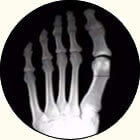
Bunions can become quite painful and make walking or exercising difficult. Additionally, shoe gear can become increasingly hard to find as the foot begins to widen. Most bunions are genetic in origin, however shoe gear and increased pressure can cause an acceleration of their growth. It will usually get to a point where one needs to consult a bunion expert and come up with a management plan. I normally consult on more than a few bunions per week and can help patients make decisions with what would be best with there current situation.
Conservative care may be an option for some people. I have taken over 10 years and developed a protocol that can provide significant pain relief and help slow the progression of a bunion. I typically will start with an x-ray and then go through all the options available for an individual patient. Even if you have seen another physician, it can be quite helpful to have a second opinion.
Surgery is also an option that can work very well for some people. I believe the most important step in this process is what a patient’s goals are. It is important to note the only way a bunion can be reduced in size is surgical. There are many different surgical options, and I will always take you through what is most appropriate in your circumstances.
If you have a bunion and would like a consultation, please call and schedule one today. I look forward to helping you.
Sincerely,
Board Certified Foot & Ankle Surgeon and Physician
The 5 Types of Running Shoes

Finding the right running shoe to accommodate your foot structure and prevent injury can be a daunting task, particularly if you are a beginner. Here is a brief introduction of the 5 types of running shoes. 1) Racing Flats are lightweight shoes built for long distance and speed with far less cushioning than those made for more general training. They are not appropriate if you are just starting out. 2) Trail Runners are protective and stable running shoes made to accommodate the changing terrain you would encounter in nature (mud, road, grass, hard packed surfaces). 3) Stability Sneakers, made for people with normal arches, support the arch and ankle during the gait cycle and help prevent the foot from overpronation (extreme inward rolling). 4) Motion Control Shoes have a more rigid construction which can help avoid overpronation in people with low arches or with pronation problems. Heavier runners may benefit also from their extra stability and durability. 5) Cushioned Shoes, or neutral padded shoes, can help runners that do not pronate sufficiently during the gait cycle, which may help those with high arches. This footwear offers extra shock absorption in the midsole and outsole. For more individualized advice on the specific features that would be most beneficial for your individual feet and fitness goals, consult with a podiatrist.
You should always make sure your running shoes fit properly in order to avoid injury. For more information, contact the podiatrists from Issaquah Foot & Ankle Specialists. Our doctors can provide the care you need to keep you pain-free and on your feet.
Choosing the Right Running Shoe for Your Foot Type
Improper shoe sizing can cause a myriad of problems for your feet. Shoes that don’t fit you properly can lead to muscular imbalances in your body, which can result in foot, knee, and hip injuries.
Tips for Finding the Right Running Shoe
- Make sure you have a thumb’s width of wiggle room between the end of your longest toe and the front of the shoe.
- There should be little to no slipping at the heel
- Don’t assume your size in one shoe brand will be your size in another
- Do not lace up your shoes too tightly
- Walk around in the store with your new shoes before you buy them
If you have any questions, please feel free to contact one of our offices located in Issaquah, WA . We offer the newest diagnostic and treatment technologies for all your foot care needs.
Choosing the Right Running Shoe for Your Foot Type
Running may seem like a simple to do. However, running is actually a complex movement that puts stress on the ligaments, bones, and joints of the body. Selecting the correct running shoe is important for increasing performance and avoiding risk of injury. Running shoes should be selected based on your foot type. Considerations such as trail versus road shoes are important. Your foot type dictates the degree of cushioning, stability and motion control you require. The most accurate way to learn your foot type is to visit a local shop that specializes in running shoes. Professionals can measure your arch type, stride and gait and help you with your shoe needs.
The design of running shoes is created around the idea of pronation. Pronation is the natural rolling movement of your ankle from the outside to inside when your foot strikes the ground. If you run properly you strike the ground on the outside of your heel and roll in the direction of your big toe before pushing off once more. Pronation is beneficial because it assists the lower half of your body in absorbing shock and storing energy. Those considered neutral runners pronate correctly and do not need running shoes that help correct their form. Neutral runners can choose from a wide variety of shoes, including barefoot or minimal types. However, those who have arch problems or who adopt an incorrect form while running may experience too much or too little pronation. They may require running shoes that offer additional support.
Those who overpronate experience an over-abundance of ankle rolling. Even while standing, those who severely overpronate display ankles that are angled inward. It is not uncommon for them to have flat feet or curved legs. The tendency to overpronate may cause many injuries. Areas that tend to become injured are the knees, ankles, and Achilles tendon. If you find that you have a tendency to overpronate, you should look at shoes that provide extra stability and motion-control. Motion-control shoes are straight and firm. Shoes of this type do not curve at the tip. The restricted flexibility along the middle of the shoe prohibits the foot from rolling too far inward as your foot strikes the ground.
A less common problem is underpronation. Underpronation, also called supination, is when the feet are unable to roll inward during landing. Those who underpronate have feet that lack flexibility and high arches. This prevents any kind of shock absorption, even though it does place less rotational stress on ankles and knees. This added force can cause fractures, ligament tears, and muscle strains because the legs are trying to compensate for the impact. Those who underpronate need shoes with more cushioning and flexibility. If you have a tendency to underpronate, selecting stability or motion-control shoes may cause you more problems by continuing to prevent pronation.
Dr. Brandon Nelson, Board-Certified Foot and Ankle Surgeon, Discusses 3-D Bunion Correction
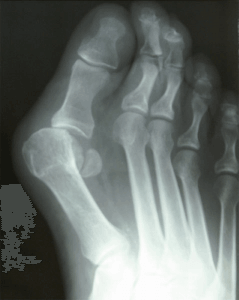
Bunions are by far the most common surgical procedure I perform. At this point in my career after practicing more than 10 years, I have performed thousands of bunion procedures. Bunion surgery itself is a highly successful procedure that has great outcomes and patient satisfaction.
The 3-D bunion correction or lapiplasty is a great tool that has accelerated the bunion surgery techniques. I find the procedure itself can be easily reproducible and has great long-term success. This is a great tool for large bunions and for patients that have had long-standing bunion deformities. It is important to see somebody but has experience performing this technique, because there are some technical challenges.
The Lapidus or lapiplasty is a most common bunion procedure I perform and I have found it to be extremely powerful surgical tool. If you have a long-standing bunion deformity and have had pain and irritation and are contemplating surgical reconstruction please make an appointment. I will happily review your x-rays and possible surgical options.
Sincerely,
Board-certified Foot and Ankle Physician and Surgeon
What to Know About a Broken Toe
Trauma to the foot, especially the toes, can occur in many ways. Banging them, stubbing them, or dropping something on them are a few different ways this trauma can occur. Given the fact that toes are positioned in front of the feet, they typically sustain the brunt of such trauma. When trauma occurs to a toe, the result can be a painful break or fracture. Another type of trauma that can break a toe is repeated activity that places stress on the toe for prolonged periods of time.
Broken toes can be categorized as either minor or severe fractures. Symptoms of minor toe fractures include throbbing pain, swelling, bruising on the skin and toenail, and the inability to move the toe with ease. Severe toe fractures require medical attention and are indicated when the broken toe appears crooked or disfigured, when there is tingling or numbness in the toe, or when there is an open, bleeding wound present on the toe.
Generally, a minor toe break will heal without long-term complications. However, it is important to discontinue activities that put pressure on the toe. It is best to stay off of the injured toe and immediately get a splint or cast to prevent any more additional movement of the toe bones. You can also immobilize your toe by placing a small cotton ball between the injured toe and the toe beside it. Then, tape the two toes together with medical tape. Swelling can be alleviated by placing an ice pack on the broken toe directly as well as elevating your feet above your head.
Severe toe fractures may be treated with a splint, cast, and in some cases, minor surgery, especially when the big toe has been broken. Due to its position and the pressure the big toe endures with daily activity, future complications can occur if it is not properly treated. Pain associated with minor toe fractures can be managed with over-the-counter pain medications. Prescription pain killers may be necessary for severe toe fractures.
The healing time for a broken toe is approximately four to six weeks. In severe cases where the toe becomes infected or requires surgery, healing time can take up to eight weeks or more. While complications associated with a broken toe are immediately apparent, it is important to note that there are rare cases when additional complications, such as osteoarthritis, can develop over time. You should immediately speak with your podiatrist if you think you have broken your toe due to trauma. They will be able to diagnose the injury and recommend the appropriate treatment options.
A Common Treatment Option for a BrokenToe
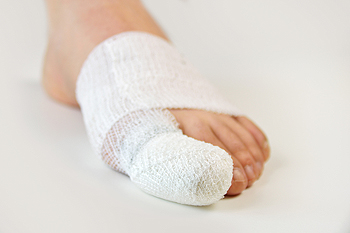 Common causes of broken toes can include stubbing your toe against a piece of furniture or dropping a heavy object on it. Each toe consists of small bones and can abruptly break from sudden impact. It can be easy to notice a broken toe: Common symptoms include severe pain, bruising, and swelling. Relief may be found when the affected foot is elevated, and this may help to reduce some of the swelling. Some patients find it helpful to tape the broken toe to the toe next to it. This is referred to as buddy taping and can be effective in providing necessary stability. It is suggested to stay off the foot, and to refrain from physical activity that requires walking. If you have broken your toe, please seek counsel from a podiatrist who can help you with correct treatment methods.
A broken toe can be very painful and lead to complications if not properly fixed. If you have any concerns about your feet, contact the podiatrists from Issaquah Foot & Ankle Specialists. Our doctors will treat your foot and ankle needs.
What to Know About a Broken Toe
Although most people try to avoid foot trauma such as banging, stubbing, or dropping heavy objects on their feet, the unfortunate fact is that it is a common occurrence. Given the fact that toes are positioned in front of the feet, they typically sustain the brunt of such trauma. When trauma occurs to a toe, the result can be a painful break (fracture).
Symptoms of a Broken Toe
- Throbbing pain
- Swelling
- Bruising on the skin and toenail
- The inability to move the toe
- Toe appears crooked or disfigured
- Tingling or numbness in the toe
Generally, it is best to stay off of the injured toe with the affected foot elevated.
Severe toe fractures may be treated with a splint, cast, and in some cases, minor surgery. Due to its position and the pressure it endures with daily activity, future complications can occur if the big toe is not properly treated.
If you have any questions, please feel free to contact one of our offices located in Issaquah, WA . We offer the newest diagnostic and treatment technologies for all your foot care needs.
Check if allow_url_fopen is enabled on your server. It is mandatory. If not then you must activate it. Contact with your Server Admin / Hosting Provider.
Steps to enable allow_url _fopen :
allow_url_fopen = on
allow_url_include = on.
Add it to php.ini settings.
Google Business Reviews Error Notice!
Read Below Steps Carefully :
1. Check your API key and PLACE id. May be it is not right. Make sure it is correct one.
2. This message commonly shows when api key is exceeded daily request quota for this API or there is no active billing account for this API. Because according to Google there is a limit for free API key. If it exceeds they ask for billing.
3. To know more about Google Pricing , Check here : Google Pricing
4. You can create your Google API key here
5. Must use a right PlaceID. Get PlaceID here
6. One important thing, Don't forget to add billing account to Google. Must check what Google says here
7. If you still find issue , then check first if your Business registered with Google or not. Read more about it here
8.Still find issue, then contact developer : info@aaextensions.com or ashik685@gmail.com
