




October 2020
Dr. Brandon Nelson Discusses How to Get Rid of Constant Heel Pain
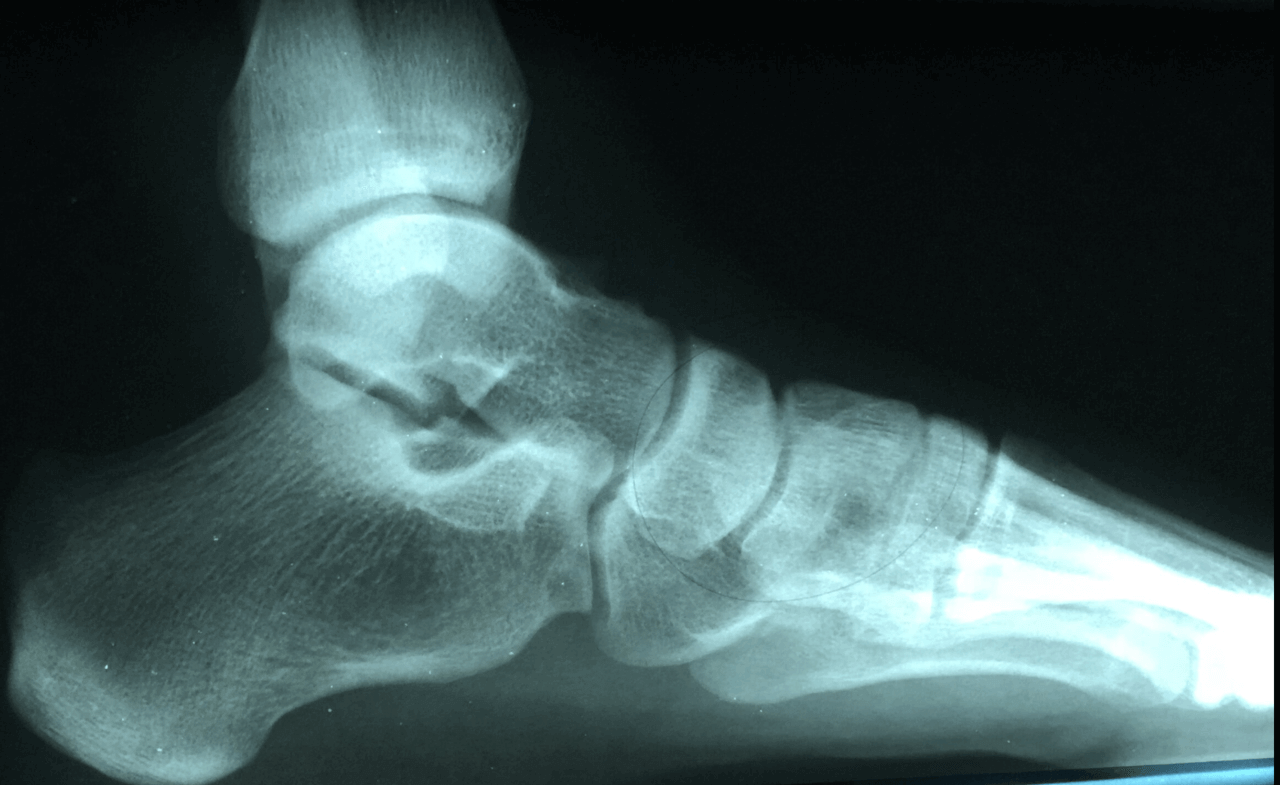
Heel pain can be one of the most challenging conditions to deal with as a patient. Heel pain can really impact everyday activities including just walking and working. Some of the most common causes of heel pain include plantar fasciitis, plantar bursitis, nerve entrapments and tarsal coalitions. The #1 cause by far is plantar fasciitis, which is usually amenable by conservative measures.
Heel pain usually responds to stretching and icing. However, if you have constant heel pain that is debilitating or painful in the morning I recommend seeing a foot and ankle physician. An x-ray is vital to identifying the pathology that is causing the pain. Often times on the x-ray you can see arthritis or a heel spur. A heel spur can take condition a little more challenging for both the physician and the patient. Issaquah Foot and Ankle Specialists is the #1 referral center for heel pain. We see patients from Seattle, Bellevue, Issaquah, Kirkland, Redmond and Snoqualmie. If you have heel pain we can help. The majority of our patients are 60-70% better in less than a week. carpet cleaning Seattle
Give us a call today at 425-391-8666 or make an appointment online.
Taking Care of Elderly Feet
Many foot diseases and conditions become more serious and common among the elderly. Some of these conditions include diabetic ulcers, ingrown toenails, fungus, arthritis, corns, and calluses. Unfortunately, it may be harder for older adults to take care of their own feet, but there are some precautions they can take in order to avoid any serious conditions.
Dry, cracked heels tend to be a common problem for older people. In order to avoid this, you should always keep your feet clean and well moisturized. Special feet moisturizers should be used as average lotions might not provide enough moisture for dry and cracked heels. Daily foot inspections are crucial for the elderly to detect any irregularities in their earliest stages. During the aging process, blood circulation tends to slow down causing older people to not feel their feet as well as they used to. This often results in foot problems going unnoticed.
Fungal and bacterial conditions thrive on elderly feet because older adults are less likely to keep their feet clean and dry; this makes it easier for bacteria to take hold in their dry, cracked skin. Elderly people should be sure to thoroughly dry their feet, especially in between the toes, after bathing. This will help them avoid developing any fungal infections. Additionally, clean cotton socks should be worn after the feet are dried.
Cutting toenails straight across will help prevent ingrown toenails. When toenails are cut too lose, the nail might break through the skin resulting in an ingrown nail. Clippers should be used to cut the nails in order to make the cut even.
Elderly people who have diabetes are at risk of developing serious foot problems that may lead to amputation. Ulcers that are left untreated can lead to gangrene. Dry and cracked feet, fungus, and untended cuts under the nails may also lead to infections.
Fortunately, Medicare covers many different types of services for foot care. Elderly people with any of these foot conditions should seek the help of a podiatrist and perform daily foot inspections in order to ensure that they have healthy feet.
An Exercise to Reduce Ankle Swelling
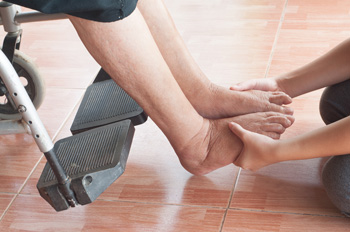 Many older adults suffer from swelling in the feet and ankles. This swelling can reduce mobility, make falls more likely to occur, and decrease overall comfort. Doing simple exercises can help reduce swelling in the lower limbs by helping the body pump fluids up from the feet and back into the center area of the body. Once the excess fluid is in the trunk of the body, it can be eliminated via urine. A simple exercise that you can do at home to reduce swelling in the ankles is ankle pumps. To do this exercise, lie down and elevate the feet. Moving only the feet, point your toes up towards your head, and then down away from your head. Go back and forth 30 times, completing this exercise three times per day. For more information about what you can do to reduce swelling in the lower limbs, consult with a podiatrist today.
Proper foot care is something many older adults forget to consider. If you have any concerns about your feet and ankles, contact the podiatrists from Issaquah Foot & Ankle Specialists. Our doctors can provide the care you need to keep you pain-free and on your feet.
The Elderly and Their Feet
As we age we start to notice many changes in our body, but the elder population may not notice them right away. Medical conditions may prevent the elderly to take notice of their foot health right away. Poor vision is a lead contributor to not taking action for the elderly.
Common Conditions
- Neuropathy – can reduce feeling in the feet and can hide many life-threatening medical conditions.
- Reduced flexibility – prevents the ability of proper toenail trimming, and foot cleaning. If left untreated, it may lead to further medical issues.
- Foot sores – amongst the older population can be serious before they are discovered. Some of the problematic conditions they may face are:
- Gouging toenails affecting nearby toe
- Shoes that don’t fit properly
- Pressure sores
- Loss of circulation in legs & feet
- Edema & swelling of feet and ankles
Susceptible Infections
Diabetes and poor circulation can cause general loss of sensitivity over the years, turning a simple cut into a serious issue.
If you have any questions, please feel free to contact one of our offices located in Issaquah, WA . We offer the newest diagnostic and treatment technologies for all your foot care needs.
Hallux Rigidus
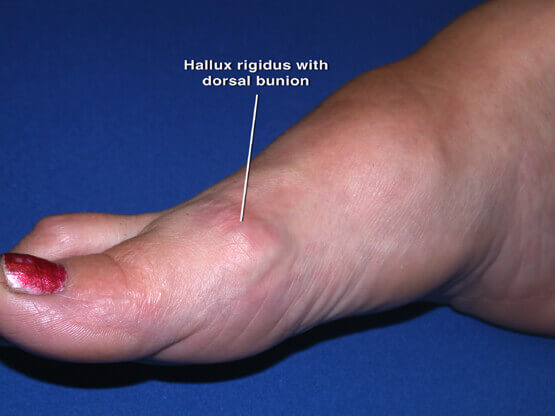
Hallux rigidus is a mechanical arthritic condition of the big toe joint. Overtime hallux rigidus limits the bending of the toes. Initially, the condition is not very painful and only slightly limiting. However, over time, it can lead to severe pain and complete blockage of motion. At our clinic, we specialize in treating Hallux Limitus.
Although the initial pain can be only slight, you should definitely have your feet examined by a foot and ankle specialist, because once the big toe joint wears out, the damage will be extremely difficult to reverse. In its final stage, hallux rigidus fully destroys the joint.
Our doctors at Issaquah Foot and Ankle Specialists have treated hallux rigidus for years. Give us a call today at 425-391-8666 or make an appointment online today.
Hyperhidrosis of the Feet
Hyperhidrosis of the feet, also termed plantar hyperhidrosis, is characterized by excessive sweating of the feet that can be onset by any cause, such as exercise, fever, or anxiety. Most people suffering from hyperhidrosis of the feet also experience hyperhidrosis of the hands, or palmar hyperhidrosis. Approximately 1-2% of Americans suffer from this disorder.
Sweating is a healthy process utilized by the body in order to cool itself and maintain a proper internal temperature, which is controlled by the sympathetic nervous system. In individuals with hyperhidrosis, the sympathetic nervous system works in "overdrive", producing far more sweat than is actually needed.
Plantar hyperhidrosis is considered primary hyperhidrosis. Secondary hyperhidrosis refers to excessive sweating that occurs in an area other than the feet, hands, or armpits, and this indicates that is related to another medical condition, such as menopause, hyperthyroidism, or Parkinson's disease.
Symptoms of hyperhidrosis of the feet can include foot odor, athlete's foot, infections, and blisters. Because of the continual moisture, shoes and socks can rot which creates an additional foul odor and can ruin the material, requiring shoes and socks to be replaced frequently. In addition to the physical symptoms, emotional health is often affected as this disorder can be very embarrassing.
If left untreated, hyperhidrosis will usually persist throughout an individual's life. However, there are several treatment options available. A common first approach to treating hyperhidrosis of the feet is a topical ointment. Aluminum chloride, an ingredient found in antiperspirants, can be effective at treating hyperhidrosis if used in high concentration and applied to the foot daily. Some individuals can experience relief this way, while others encounter extreme irritation and are unable to use the product. Another procedure is the use of Botulinum Toxin A, commonly referred to as Botox. This is injected directly into the foot, and is effective at minimizing the sweat glands in the injected area. These injections must be repeated every 4 to 9 months.
If these treatments are ineffective, oral prescription medications may be taken in an effort to alleviate the symptoms. Again, some will experience relief while others do not. Going barefoot reportedly provides relief for most sufferers.
A final approach to combating hyperhidrosis of the feet is through surgery. Surgery has been less successful on patients with plantar hyperhidrosis than on those with palmar hyperhidrosis. It is only recommended when sweating is severe and other treatments have failed to work. This kind of surgery usually involves going into the central nervous system, and cutting nerves to stop the transmission of signals telling the foot to sweat.
Plantar Hyperhidrosis May Increase the Risk of Other Foot Conditions
 Patients who have excessively sweaty feet may experience a condition that is referred to as plantar hyperhidrosis. This ailment can occur as a result of overactive sweat glands which produce sweat when cooling the body is not necessary. Plantar hyperhidrosis may increase the risk for other foot conditions to develop, including athlete’s foot, warts, and corns. Additionally, shoes may fall off of your feet due to the excess sweat making them slippery, and there may be a strong odor that comes from the feet and shoes. If you are afflicted with plantar hyperhidrosis, it is suggested that you speak with a podiatrist who can determine what the best treatment is for you.
If you are suffering from hyperhidrosis contact the podiatrists of Issaquah Foot & Ankle Specialists. Our doctors can provide the care you need to attend to all of your foot and ankle needs.
Hyperhidrosis of the Feet
Hyperhidrosis is a rare disorder that can cause people to have excessive sweating of their feet. This can usually occur all on its own without rigorous activity involved. People who suffer from hyperhidrosis may also experience sweaty palms.
Although it is said that sweating is a healthy process meant to cool down the body temperature and to maintain a proper internal temperature, hyperhidrosis may prove to be a huge hindrance on a person’s everyday life.
Plantar hyperhidrosis is considered to be the main form of hyperhidrosis. Secondary hyperhidrosis can refer to sweating that occurs in areas other than the feet or hands and armpits. Often this may be a sign of it being related to another medical condition such as menopause, hyperthyroidism and even Parkinson’s disease.
In order to alleviate this condition, it is important to see your doctor so that they may prescribe the necessary medications so that you can begin to live a normal life again. If this is left untreated, it is said that it will persist throughout an individual’s life.
A last resort approach would be surgery, but it is best to speak with your doctor to find out what may be the best treatment for you.
If you have any questions, please feel free to contact one of our offices located in Issaquah, WA . We offer the newest diagnostic and treatment technologies for all your foot care needs.
Dr. Timothy Young Talks About Plantar Fibromas and Prescription Orthotics.
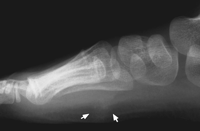
Plantar fibromas are benign soft tissue growth within the plantar fascia. This often present as a nodular bump in the instep. These are often painful especially with direct pressure. Patients will sometimes also have Dupuytren's contractu affecting their hands. They also often have a high arch foot structure. These are often diagnosed and confirmed with diagnostic ultrasound imaging and physical exam.
Dr. Brandon Nelson Discusses Head Procedures for Bunionectomies (Austin bunionectomy)
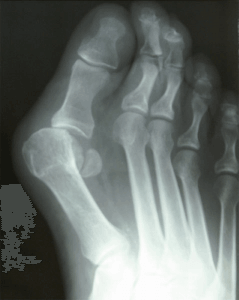
There are many different types of bunion surgeries that can be performed. However the majority of bunion procedures are classified as either a head procedure or base procedure. Head procedures are all performed distally or at the tip of the first metatarsal. Procedures that are called base procedures are performed at the base of the metatarsal or at the metatarsal cuneiform joint. There are many different names for head procedures. However all of them involve some sort of cut in the bone or osteotomy. The osteotomy can be performed in many different fashions, however one of the most stable procedures is called an Austin or Chevron cut.
This cut performed exactly is prescribed in a Chevron type fashion. The bone is then shifted towards the second metatarsal reducing the large bunion. Often times screw fixation is performed and some additional shaving for burring of the bony prominence this time. There are many modifications you can perform to this type of bunionectomy that can help correct other pathologies of the first metatarsal as well. I recommend seeing somebody who performs a lot of bunionectomies as often times these procedures can be more complex than appreciated. If you have a bunion and are interested in surgical correction we are happy to help you schedule a consultation today. Give us a call at 425-391-8666 or make an appointment online.
Morton's Neuroma
A neuroma is a thickening of nerve tissue and can develop throughout the body. In the foot, the most common neuroma is a Morton’s neuroma; this typically forms between the third and fourth toes. The thickening of the nerve is typically caused by compression and irritation of the nerve; this thickening can in turn cause enlargement and, in some cases, nerve damage.
Neuromas can be caused by anything that causes compression or irritation of the nerve. A common cause is wearing shoes with tapered toe boxes or high heels that force the toes into the toe boxes. Physical activities that involve repeated pressure to the foot, such as running or basketball, can also create neuromas. Those with foot deformities, such as bunions, hammertoes, or flatfeet, are more likely to develop the condition.
Symptoms of Morton’s neuroma include tingling, burning, numbness, pain, and the feeling that either something is inside the ball of the foot or that something in one’s shoe or sock is bunched up. Symptoms typically begin gradually and can even go away temporarily by removing one’s shoes or massaging the foot. An increase in the intensity of symptoms correlates with the increasing growth of the neuroma.
Treatment for Morton’s neuroma can vary between patients and the severity of the condition. For mild to moderate cases, padding, icing, orthotics, activity modifications, shoe modifications, medications, and injection therapy may be suggested or prescribed. Patients who have not responded successfully to less invasive treatments may require surgery to properly treat their condition. The severity of your condition will determine the procedure performed and the length of recovery afterwards.
Symptoms of Morton’s Neuroma
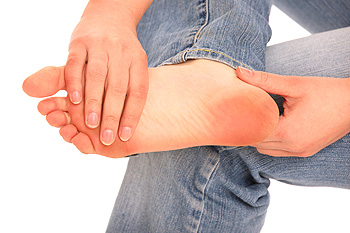 Many patients feel pain in the ball of their foot when the medical condition that is known as Morton’s neuroma exists. Additional symptoms can include a tingling or numbing sensation, and it may feel like there is a small stone or pebble in your shoe. It is an ailment that typically develops gradually and may occur from wearing shoes that do not fit correctly. There may also be medical conditions that can cause Morton’s neuroma. These can consist of having flat feet, bunions, hammertoes, or high arches. Mild relief may be found when wearing custom-made orthotics, shoes that are worn have adequate room in the toe area, or from getting foot massages that target the affected area. If you have symptoms of Morton’s neuroma, it is recommended that you speak with a podiatrist who can effectively treat this condition.
Morton’s neuroma is a very uncomfortable condition to live with. If you think you have Morton’s neuroma, contact the podiatrists of Issaquah Foot & Ankle Specialists. Our doctors will attend to all of your foot care needs and answer any of your related questions.
Morton’s Neuroma
Morton's neuroma is a painful foot condition that commonly affects the areas between the second and third or third and fourth toe, although other areas of the foot are also susceptible. Morton’s neuroma is caused by an inflamed nerve in the foot that is being squeezed and aggravated by surrounding bones.
What Increases the Chances of Having Morton’s Neuroma?
- Ill-fitting high heels or shoes that add pressure to the toe or foot
- Jogging, running or any sport that involves constant impact to the foot
- Flat feet, bunions, and any other foot deformities
Morton’s neuroma is a very treatable condition. Orthotics and shoe inserts can often be used to alleviate the pain on the forefront of the feet. In more severe cases, corticosteroids can also be prescribed. In order to figure out the best treatment for your neuroma, it’s recommended to seek the care of a podiatrist who can diagnose your condition and provide different treatment options.
If you have any questions, please feel free to contact one of our offices located in Issaquah, WA . We offer the newest diagnostic and treatment technologies for all your foot care needs.
Check if allow_url_fopen is enabled on your server. It is mandatory. If not then you must activate it. Contact with your Server Admin / Hosting Provider.
Steps to enable allow_url _fopen :
allow_url_fopen = on
allow_url_include = on.
Add it to php.ini settings.
Google Business Reviews Error Notice!
Read Below Steps Carefully :
1. Check your API key and PLACE id. May be it is not right. Make sure it is correct one.
2. This message commonly shows when api key is exceeded daily request quota for this API or there is no active billing account for this API. Because according to Google there is a limit for free API key. If it exceeds they ask for billing.
3. To know more about Google Pricing , Check here : Google Pricing
4. You can create your Google API key here
5. Must use a right PlaceID. Get PlaceID here
6. One important thing, Don't forget to add billing account to Google. Must check what Google says here
7. If you still find issue , then check first if your Business registered with Google or not. Read more about it here
8.Still find issue, then contact developer : info@aaextensions.com or ashik685@gmail.com
