




Sole Marketing Foot Discomfort
Foot discomfort can affect every step, making daily routines and activities more difficult. Custom orthotics offer a personalized solution by addressing the underlying causes of pain rather than masking the symptoms. These medical-grade inserts are designed to match the unique shape and movement of your feet, providing support where it is needed most. By improving balance and alignment, custom orthotics help reduce strain on the heels, arches, and forefoot, promoting a more natural and comfortable stride.
Many people experience foot discomfort from standing long hours on hard surfaces, wearing unsupportive shoes, or dealing with structural issues such as fallen arches. When these problems are ignored, they can lead to discomfort in the ankles, knees, hips, or back. Custom orthotics help correct these imbalances by cushioning pressure points and guiding proper movement with every step.
Made using precise digital scans or molds, custom orthotics are crafted to fit your lifestyle, whether for work, sports, or everyday wear. They provide consistent relief and help prevent pain from returning. Over time, many patients notice improved comfort, posture, and mobility.
Dangers of Compartment Syndrome

Compartment syndrome is a medical emergency that can develop in the foot after a severe injury, like a fracture or crush injury. The foot contains groups of muscles held within tight spaces called compartments, surrounded by a firm tissue known as fascia. When swelling or bleeding occurs, pressure can build inside these spaces and reduce blood flow. This limits oxygen to the muscles and nerves, leading to intense pain, swelling, and a tight or firm feeling in the foot. People may also notice numbness or tingling, often described as a pins-and-needles sensation. Pain may worsen with toe movement. If not treated quickly, compartment syndrome can lead to muscle damage, deformity, and long-term loss of foot function. A podiatrist can conduct a physical exam, order imaging, and perform surgery to relieve pressure. If you have symptoms of compartment syndrome, it is suggested that you make an immediate appointment with a podiatrist for treatment.
Foot and ankle trauma is common among athletes and the elderly. If you have concerns that you may have experienced trauma to the foot and ankle, consult with the podiatrists from Issaquah Foot & Ankle Specialists. Our doctors will assess your condition and provide you with quality foot and ankle treatment.
Foot and ankle trauma cover a range of injuries all over the foot; common injuries include:
- Broken bones
- Muscle strains
- Injuries to the tendons and ligaments
- Stress fractures
Symptoms
Symptoms of foot and ankle injuries vary depending on the injury, but more common ones include:
- Bruising
- Inflammation/ Swelling
- Pain
Diagnosis
To properly diagnose the exact type of injury, podiatrists will conduct a number of different tests. Some of these include sensation and visual tests, X-rays, and MRIs. Medical and family histories will also be taken into account.
Treatment
Once the injury has been diagnosed, the podiatrist can than offer the best treatment options for you. In less severe cases, rest and keeping pressure off the foot may be all that’s necessary. Orthotics, such as a specially made shoes, or immobilization devices, like splints or casts, may be deemed necessary. Finally, if the injury is severe enough, surgery may be necessary.
If you have any questions, please feel free to contact one of our offices located in Issaquah, WA . We offer the newest diagnostic and treatment technologies for all your foot care needs.
Foot and Ankle Fractures
When the foot or ankle experiences trauma, a fracture may occur. Causes of foot and ankle fractures can vary; in some cases, an obvious impact to the foot or a fall can be behind a fracture. Alternatively, fractures can also occur because of increased stress on the bone over time. The location of the fracture can often give your podiatrist information on how the fracture occurred.
Pain, especially when bearing weight, is a telltale sign of a fracture. Limping due to this pain is a further sign of a foot or ankle fracture. Other symptoms include inflammation, bruising, deformity, and tenderness. A deformity may occur due to a shift in bone alignment or a joint dislocation near the fracture. While pain is a significant symptom of breakage, a patient who has nerve damage or who has diabetes may not feel this pain. In this instance, your podiatrist will look for additional signs to determine whether a fracture has occurred.
If you are experiencing severe pain, cannot walk without limping, have an open wound near the suspected break, or have numbness or tingling in the toes, you should see your podiatrist.
Simple Ways to Check Your Feet and Care for Them Daily
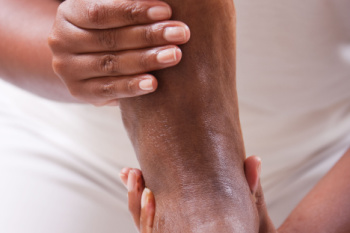
Paying attention to your feet can help catch problems early and keep you comfortable. Start by looking at your feet each day. Check for color changes, swelling, cracks, or areas that feel warm or tender. Notice any thickened nails or changes in shape. Use a mirror, if needed, to see the bottoms. Clean your feet with mild soap and warm water, then dry them well, especially between the toes. Apply moisturizer to prevent dryness, but avoid the spaces between toes. Trim nails straight across and wear well-fitting shoes that do not rub or pinch. Additionally, replace worn footwear and choose socks that keep feet dry. Staying active can support circulation and overall foot health. If you notice ongoing changes or have foot discomfort, it is suggested that you schedule a visit with a podiatrist for a proper evaluation and appropriate care plan.
Everyday foot care is very important to prevent infection and other foot ailments. If you need your feet checked, contact the podiatrists from Issaquah Foot & Ankle Specialists. Our doctors can provide the care you need to keep you pain-free and on your feet.
Everyday Foot Care
Often, people take care of their bodies, face and hair more so than they do for their feet. But the feet are a very important aspect of our bodies, and one that we should pay more attention to. Without our feet, we would not be able to perform most daily tasks.
It is best to check your feet regularly to make sure there are no new bruises or cuts that you may not have noticed before. For dry feet, moisturizer can easily be a remedy and can be applied as often as necessary to the affected areas. Wearing shoes that fit well can also help you maintain good foot health, as well as making it easier to walk and do daily activities without the stress or pain of ill-fitting shoes, high heels, or even flip flops. Wearing clean socks with closed shoes is important to ensure that sweat and bacteria do not accumulate within the shoe. Clean socks help to prevent Athlete’s foot, fungi problems, bad odors, and can absorb sweat.
If you have any questions, please feel free to contact one of our offices located in Issaquah, WA . We offer the newest diagnostic and treatment technologies for all your foot care needs.
Everyday Foot Care
Our feet are arguably one of the most important parts of the body. When it comes to health and beauty routines, the feet and toenails are usually ignored. You should always practice proper footcare to avoid any fungal infections or ailments that can not only ruin the appearance of your feet, but also cause pain. Ignoring any foot problems could potentially lead to an expensive doctor’s visit.
The most important step in proper foot care is to wash your feet daily. You should wash them with soap and water. Doing this will cleanse your feet of dirt, sweat and bacteria. It is crucial that you clean between the toes and pat your feet dry with a towel afterward. Your toenails are also an important part of the feet and you may find that they get dirtier in the summer when you wear sandals. It is important that you practice proper toenail care in addition to cleaning the rest of your feet. When trimming your nails, you should always trim straight across instead of in a rounded shape. Trimming in a curved shape may lead to ingrown toenails.
Moisturization is also important for foot care, and you should be moisturizing your feet every day. The best way to prevent dry feet is to rub lotion or petroleum jelly on your clean feet at night and put socks over them. In the morning, your feet should be soft and moisturized.
Another crucial step in proper foot care is to wear the right shoes for whichever activity you are going to partake in. In warmer weather, you should wear shoes that allow your feet to breathe. It is best to avoid shoes such as flip-fops that do not provide arch support. Tight shoes may also be harmful, and they may even cause you to develop bunions.
If you plan on taking a shower in a public area, you should be especially careful, so you do not pick up any fungi. Showers are prone to harboring different types of bacteria and fungi. You should always wear shower shoes or flip flops when walking around in locker rooms and public showers. Avoid sharing shoes with other people because this is another way that fungus may be spread.
If you are experiencing any problems with your feet you should speak with your podiatrist to determine the best method of treatment for you.
Causes of Ankle Pain
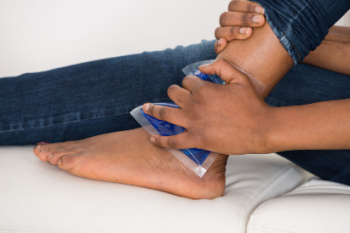
Ankle pain can occur when the bones, ligaments, tendons, or joints in the ankle become injured or irritated. The ankle joint connects the leg to the foot. It forms where the shin bone, calf bone, and a bone in the foot meet and move together. This type of joint allows the foot to bend up and down when walking, running, or standing. Strong bands of tissue called ligaments help hold the bones together and keep the joint stable. Tendons, which connect muscles to bones, also help control movement. When these tissues are stretched, torn, inflamed, or damaged, ankle pain can develop. One of the most common causes is an ankle sprain, which happens when the ligaments stretch too far or tear. Other causes include broken bones, arthritis that causes joint pain and stiffness, and tendinitis, which is irritation of a tendon. A podiatrist can identify the cause of ankle pain and provide appropriate treatment. If you are experiencing ankle pain, it is suggested that you make an appointment with a podiatrist for an exam, diagnosis, and treatment.
Ankle pain can be caused by a number of problems and may be potentially serious. If you have ankle pain, consult with the podiatrists from Issaquah Foot & Ankle Specialists. Our doctors will assess your condition and provide you with quality foot and ankle treatment.
Ankle pain is any condition that causes pain in the ankle. Due to the fact that the ankle consists of tendons, muscles, bones, and ligaments, ankle pain can come from a number of different conditions.
Causes
The most common causes of ankle pain include:
- Types of arthritis (rheumatoid, osteoarthritis, and gout)
- Ankle sprains
- Broken ankles
- Achilles tendonitis
- Achilles tendon rupture
- Stress fractures
- Bursitis
- Tarsal tunnel syndrome
- Plantar fasciitis
Symptoms
Symptoms of ankle injury vary based upon the condition. Pain may include general pain and discomfort, swelling, aching, redness, bruising, burning or stabbing sensations, and/or loss of sensation.
Diagnosis
Due to the wide variety of potential causes of ankle pain, podiatrists will utilize a number of different methods to properly diagnose ankle pain. This can include asking for personal and family medical histories and of any recent injuries. Further diagnosis may include sensation tests, a physical examination, and potentially x-rays or other imaging tests.
Treatment
Just as the range of causes varies widely, so do treatments. Some more common treatments are rest, ice packs, keeping pressure off the foot, orthotics and braces, medication for inflammation and pain, and surgery.
If you have any questions please feel free to contact one of our offices located in Issaquah, WA . We offer the newest diagnostic tools and technology to treat your foot and ankle needs.
Ankle Pain
The ankle joint is the point at which the bones of the leg and foot join. This joint is crucial because it is responsible for the foot’s mobility. Ankle pain is typically the result of inflammation from an injury to bones, joint space, cartilage, ligaments, tendons, or muscles in the area. Commonly associated symptoms with ankle pain are bruising, redness, numbness, stiffness, weakness, and tingling.
The most common causes of ankle pain are sprains and injuries. Ankle sprains are one of the most common musculoskeletal injuries. Sprains occur when the ligaments of the ankle become partially or completely torn due to sudden stretching. Sprains can occur on either the inner or outer sides of the ankle joint. Usually, these injuries occur when the ankle is twisted in an activity by stepping off an uneven surface. More specific causes include rheumatoid arthritis, gout, osteoarthritis, and Achilles tendonitis.
If you are experiencing ankle pain, you should consult with your podiatrist to choose the best method of care. Your doctor will conduct an examination of your ankle to determine the underlying cause of the pain.
When Toenails Become Thick and Discolored
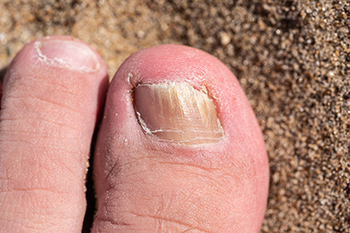
A fungal infection of the toenails, termed onychomycosis, causes changes in color, thickness, and texture. The nail may appear yellow, brown, or white, and can become brittle, crumbly, or separated from the nail bed. Some patients notice a foul odor or debris collecting under the nail. This condition develops when fungi enter through small cracks in the nail or surrounding skin, often thriving in warm, moist environments like sweaty shoes. Although it may begin as a cosmetic concern, untreated toenail fungus can lead to discomfort, pressure while wearing shoes, and the spread of infection to other nails or skin. A podiatrist will examine the nail and may take a sample to confirm the diagnosis before recommending treatment. Options include topical medication, oral antifungal therapy, or, in some cases, removal of the infected portion of the nail. If you have signs of a toenail infection, it is suggested that you schedule an appointment with a podiatrist for a proper diagnosis and appropriate treatment.
If left untreated, toenail fungus may spread to other toenails, skin, or even fingernails. If you suspect you have toenail fungus it is important to seek treatment right away. For more information about treatment, contact the podiatrists of Issaquah Foot & Ankle Specialists. Our doctors can provide the care you need to keep you pain-free and on your feet.
Symptoms
- Warped or oddly shaped nails
- Yellowish nails
- Loose/separated nail
- Buildup of bits and pieces of nail fragments under the nail
- Brittle, broken, thickened nail
Treatment
If self-care strategies and over-the-counter medications does not help your fungus, your podiatrist may give you a prescription drug instead. Even if you find relief from your toenail fungus symptoms, you may experience a repeat infection in the future.
Prevention
In order to prevent getting toenail fungus in the future, you should always make sure to wash your feet with soap and water. After washing, it is important to dry your feet thoroughly especially in between the toes. When trimming your toenails, be sure to trim straight across instead of in a rounded shape. It is crucial not to cover up discolored nails with nail polish because that will prevent your nail from being able to “breathe”.
In some cases, surgical procedure may be needed to remove the toenail fungus. Consult with your podiatrist about the best treatment options for your case of toenail fungus.
If you have any questions please contact one of our offices located in Issaquah, WA . We offer the newest diagnostic and treatment technologies for all your foot and ankle needs.
Toenail Fungus
Toenail fungus is a frustrating problem that affects many people. It can be persistent and hard to get rid of. As many different types of fungi are present throughout the environment, it is very easy to contract toenail fungus.
The feet are especially susceptible to toenail fungus because shoes and socks create the ideal dark and moist environment that fungal infections thrive in. While fungal infections of the nail plate are quite common, if left untreated they can spread beyond the toenail and into the skin and other parts of the body.
Signs of toenail fungus include a thickened nail that has become yellow or brown in color, a foul smell, and debris beneath the nail. The toe may become painful due to the pressure of a thicker nail or the buildup of debris.
Treatment for toenail fungus is most effective during the early stages of an infection. If there is an accumulation of debris beneath the nail plate, an ingrown nail or a more serious infection can occur. While each treatment varies between patients, your podiatrist may prescribe you oral medications, topical liquids and creams, or laser therapy. To determine the best treatment process for you, be sure to visit your podiatrist at the first signs of toenail fungus.
Types of Athlete’s Foot

Athlete’s foot is a fungal skin infection caused by dermatophytes that thrive in warm, moist environments. It often develops after walking barefoot in public areas or wearing damp shoes for extended periods of time. Symptoms include itching, burning, redness, cracking skin, and sometimes blistering. The toe web type of infection affects the spaces between the toes, causing soggy, irritated skin, while the moccasin type appears as dry, scaly skin along the soles and sides of the feet. Risk factors include excessive sweating, wearing tight footwear, poor hygiene, and weakened immunity. A podiatrist can accurately diagnose the infection, prescribe targeted antifungal treatment, and provide guidance to prevent recurrence. If you have symptoms of athlete’s foot, it is suggested that you consult a podiatrist who can offer effective treatment solutions, which may include prescribed medication.
Athlete’s foot is an inconvenient condition that can be easily reduced with the proper treatment. If you have any concerns about your feet and ankles, contact the podiatrists from Issaquah Foot & Ankle Specialists. Our doctors will treat your foot and ankle needs.
Athlete’s Foot: The Sole Story
Athlete's foot, also known as tinea pedis, can be an extremely contagious foot infection. It is commonly contracted in public changing areas and bathrooms, dormitory style living quarters, around locker rooms and public swimming pools, or anywhere your feet often come into contact with other people.
Solutions to Combat Athlete’s Foot
- Hydrate your feet by using lotion
- Exfoliate
- Buff off nails
- Use of anti-fungal products
- Examine your feet and visit your doctor if any suspicious blisters or cuts develop
Athlete’s foot can cause many irritating symptoms such as dry and flaking skin, itching, and redness. Some more severe symptoms can include bleeding and cracked skin, intense itching and burning, and even pain when walking. In the worst cases, Athlete’s foot can cause blistering as well. Speak to your podiatrist for a better understanding of the different causes of Athlete’s foot, as well as help in determining which treatment options are best for you.
If you have any questions please feel free to contact one of our offices located in Issaquah, WA . We offer the newest diagnostic and treatment technologies for all your foot and ankle needs.
