




January 2024
Swollen Ankles Can Signal Health Problems

Swollen feet can serve as an indicator of underlying health issues, primarily stemming from fluid retention in body tissues. This phenomenon, known as edema, results from disruptions in the intricate processes of the circulatory system that can lead to the accumulation of excess fluid, resulting in swollen feet. Various factors contribute to edema, such as prolonged periods of standing that may impede blood flow, pregnancy-induced physiological changes, and varicose veins. In cases of congestive heart failure, the heart's inability to pump blood efficiently leads to blood stagnation, commonly causing edema in the lower limbs. Lymphedema, a consequence of a malfunctioning lymphatic system, can result from surgical procedures or genetic disorders, leading to fluid accumulation. Thyroid disorders, menstrual hormonal fluctuations, and liver damage, particularly cirrhosis caused by long-term alcohol exposure, are additional contributors to edema. Kidney disorders, such as nephrotic syndrome, can cause inefficient water removal and subsequent edema. For help with swollen feet or ankles, it is suggested that you schedule an appointment with a podiatrist for an exam and diagnosis.
Swollen feet can be a sign of an underlying condition. If you have any concerns, contact the podiatrists of Issaquah Foot & Ankle Specialists. Our doctors can provide the care you need to keep you pain-free and on your feet.
Swollen feet are a common ailment among pregnant women and people who stand or sit for extended periods. Aging may increase the possibility of swollen feet and patients who are obese often notice when their feet are swelling too. There may be medical reasons why swollen feet occur:
- Phlebitis - A condition that causes the veins to become inflamed and can also cause leg pain.
- Liver disease - This may lead to low blood levels of albumin which is a protein. This can cause fluid in the blood to pass into the tissues and several areas of the body can become swollen.
- Heart failure - When the heart doesn’t pump properly the blood that is normally pumped back to the heart can pool in the veins of the legs causing swollen feet.
- Kidney disease - One of the main functions of the kidneys is releasing excess fluid in the body. This type of condition can make it difficult for the kidneys to function properly, and as a result the feet may become swollen.
- Deep-vein thrombosis (DVT)- This is a serious condition where blood clots form in the veins of the legs. They can block the return of blood from the legs to the heart which may cause the feet to swell. It is important to be treated by a podiatrist if this condition is present.
Swollen feet can also be caused by bone and tendon conditions, including fractures, arthritis, and tendinitis. Additionally, there may be skin and toenail conditions and an infection may cause the feet to swell. Patients who take medicine to treat high blood pressure may be prone to getting swollen feet.
Many patients elevate their feet to help relieve the swelling and this is generally a temporary remedy. When a podiatrist is consulted the reason behind the swelling can be uncovered and subsequently treated.
If you have any questions please contact one of our offices located in Issaquah, WA . We offer the newest diagnostic and treatment technologies for all your foot and ankle needs.
Swelling of the Feet
There are many reasons why patients experience swelling of the feet. It is rather common and may be a side effect of pregnancy or from sitting and standing for most of the day. Gravity could also play a role in the development of swollen feet. It is known that the weight of blood volume in our bodies is exerted on the veins in the legs and feet. The veins may not work as efficiently during the aging process, and this could make the blood flow backward causing swollen feet. Relief may be found when obese patients lose weight, and it may help to engage in compression therapy by wearing compression socks, stockings, or athletic sleeves. This method can release pressure on the feet and ankles which may help to reduce existing swelling. There are patients who have controlled their swollen feet by implementing healthy lifestyle changes. These can consist of reducing salt intake, incorporating a gentle exercise regime into the daily routine, and drinking plenty of fresh water. Swollen feet may be a temporary condition that affects people who travel via airplane or automobile, so it is beneficial to walk as frequently as possible even though it can be difficult. Swelling of the feet can also be indicative of other health issues so it is important to pay attention to any type of chest pain, mental confusion, dizziness, or fever. If you consistently have swollen feet, it is strongly suggested that you consult with a podiatrist who can help determine the cause and how to effectively treat it.
How Custom-Made Orthotics Can Help You
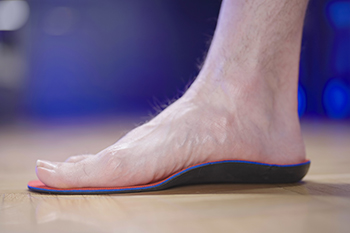
Custom-made orthotics are specialized devices designed to support and improve the function of the feet and lower limbs, offering a personalized solution for individuals with various lower limb problems. These devices are meticulously crafted based on an individual's unique foot structure and specific health needs, providing targeted support where it is most needed. They work by aligning the foot and ankle into their most anatomically efficient position, thereby alleviating stress and strain on the lower limbs. This tailored approach can significantly help in managing conditions such as flat feet, plantar fasciitis, bunions, and arthritis, as well as in alleviating discomfort caused by long periods of standing or walking. By improving foot mechanics, custom orthotics not only address immediate pain and discomfort but also aid in preventing future musculoskeletal issues. They are often recommended by podiatrists, as a key component in a comprehensive treatment plan for lower limb ailments. If you would like to learn how custom-made orthotics can help you, it is suggested that you make an appointment with a podiatrist today.
Custom orthotics are specialized shoe inserts created to support and align the feet according to each person’s unique structure and walking pattern. They are an effective way to relieve foot discomfort caused by conditions such as flat feet, high arches, plantar fasciitis, bunions, and heel pain. When the natural alignment of the foot is off balance, it can lead to pressure points, strain, and pain that affect how a person stands, walks, and moves. Orthotics work by redistributing weight evenly and supporting the arch to reduce stress on the muscles, tendons, and joints of the feet and lower legs.
Foot discomfort can develop for many reasons, including wearing improper footwear, long hours of standing, repetitive motion, or underlying structural problems. Over time, this discomfort can extend beyond the feet, contributing to knee, hip, or lower back pain. Custom orthotics help correct these issues by improving alignment and promoting more efficient movement. They are made using precise measurements and imaging to ensure the best fit for each patient, providing targeted support and cushioning where it is needed most.
Unlike generic insoles, custom orthotics are durable, medically designed, and tailored to your specific needs. Whether you are managing chronic pain, recovering from an injury, or simply seeking better comfort and stability, orthotics can make a noticeable difference in how your feet feel throughout the day.
If you are experiencing persistent foot discomfort or fatigue, it may be time to have your feet evaluated by a podiatrist. Call our office today for more information or to schedule an appointment.
If you have any questions, please feel free to contact one of our offices located in Issaquah, WA .
Investing in Custom Orthotics Means Investing in Foot Health
Custom orthotics offer a tailored approach to foot health, providing a host of benefits that extend far beyond conventional shoe inserts. One of the primary advantages lies in their ability to address specific biomechanical issues. Unlike off-the-shelf inserts, custom orthotics are crafted based on an individual's unique foot structure, gait, and any existing foot conditions.
The personalized design of custom orthotics ensures optimal support for the arches, promoting proper alignment and distributing pressure evenly across the feet. This can be particularly beneficial for individuals dealing with issues such as overpronation or underpronation, as custom orthotics help correct imbalances that may lead to discomfort or injury.
Beyond biomechanics, custom orthotics can alleviate a range of foot problems, including plantar fasciitis, bunions, and metatarsalgia. They provide targeted relief to areas under stress, reducing pain and inflammation. Additionally, for those with specific medical conditions like diabetes, custom orthotics can play a crucial role in preventing complications associated with poor foot health.
Comfort is another key aspect of custom orthotics. By accommodating the unique contours of an individual's feet, these inserts enhance overall comfort, making daily activities more enjoyable. Whether for athletes looking to optimize performance or individuals seeking relief from chronic foot pain, custom orthotics offer a versatile solution.
Investing in custom orthotics is an investment in long-term foot health. They not only provide immediate relief but also contribute to the prevention of future issues. With the ability to seamlessly integrate into various types of footwear, custom orthotics empower individuals to prioritize foot comfort without compromising on style. In essence, custom orthotics are a personalized prescription for happy, healthy, and pain-free feet.
Dr. Timothy Young discusses a different kind of bone spur in the foot: Enthesophytes, not your typical bone spur.

Dr. Timothy Young discusses a different kind of bone spur in the foot: Enthesophytes, not your typical bone spur.
Introduction:
There can be confusion when talking about bone spurs in the foot. In general, when one thinks of an arthritic bone spur, that is often an osteophyte. However, there is a different kind of bone spur; this is an enthesophyte. The best way to think of an enthesophyte is calcification of the tendon or ligament at its attachment to the bone. A common example would be a heel spur related to plantar fasciitis or calcification of the Achilles tendon where it attaches to the back of the heel bone. It is important to know, however, that calcification of the Achilles tendon or a plantar calcaneal heel spur, in either case, may not cause any pain or symptoms at all. On the other hand, if there is associated inflammation or degenerative changes, there may be symptoms and pain.
Enthesopathy is another similar term describing this condition. Note that Enthesopathy often occurs in response to a mechanical condition, but there can be more of a systemic inflammatory condition also, such as ankylosing spondylitis or psoriatic arthritis. Some of the autoimmune arthritic conditions may potentially be related to this condition.
Enthesophytes vs. Osteophytes: An Overview
Enthesophytes Defined: Enthesophytes are abnormal bony projections that occur at the attachment points of tendons or ligaments to the bone. These bony outgrowths are the result of the body's response to chronic stress and irritation in these connective tissues.
Osteophytes in Contrast: We have previously discussed osteophytes in our prior blog. Osteophytes are abnormal bony projections that form within joint spaces. Unlike enthesophytes, which are associated with the insertion points of tendons and ligaments, osteophytes develop as a response to joint degeneration and inflammation, often associated with conditions like osteoarthritis. The most common osteophytes in the foot and ankle could include the great toe joint, where bone spurs limit motion and cause an enlargement on the top of the joint. In the ankle, it is often the front of the ankle joint that develops osteophytes that can also limit ankle joint motion.
The Stress Response: Understanding Enthesophyte Formation
Chronic Tendon or Ligament Stress: Enthesophytes are born out of the repetitive stress and strain on tendons and ligaments. This stress can result from various factors, including overuse, improper biomechanics, or inflammatory conditions affecting the connective tissues.
Microtrauma and Inflammation: Microscopic damage to the tendon or ligament can lead to localized inflammation. As the body attempts to repair this damage, the bone responds by forming additional bony tissue at the insertion point – thus, an enthesophyte is born.
Common Locations: Enthesophytes can occur at multiple sites throughout the body. Common examples in the foot include the heel, with two common examples being Achilles enthesophyte and an enthesophyte associated with plantar fasciitis or the most typical heel spur.
Distinguishing Features: Enthesophytes vs. Osteophytes
Location:
Enthesophytes: Develop at the attachment sites of tendons or ligaments to bones.
Osteophytes: Form within joint spaces in response to joint degeneration.
Associations:
Enthesophytes: Linked to chronic tendon or ligament stress and inflammation.
Osteophytes: Associated with joint degeneration and conditions like osteoarthritis.
Clinical Manifestations:
Enthesophytes: May cause localized pain at the attachment sites, especially during movement.
Osteophytes: Can impact joint movement, causing pain, stiffness, and reduced range of motion.
Managing Enthesophytes: It is important to understand that in many cases, it is really because of the enthesopathy that we are treating so for calcification of the Achilles tendon, we often are treating Achilles tendon problems. And for treating a plantar calcaneal spur, we often are treating plantar fasciitis as the primary problem, and the enthesopathy may be a secondary problem.
Conservative Measures:
Rest, activity modification, and gradual return to exercise.
Physical Therapy: Stretching and strengthening exercises.
Anti-Inflammatory Medications:
Nonsteroidal anti-inflammatory drugs (NSAIDs) to manage inflammation and pain.
Orthotic Support:
Proper footwear and orthotic devices to alleviate stress on affected areas.
Shockwave Therapy: This is extremely effective at treating Achilles tendon problems and calcific Achilles insertional tendinosis and plantar fasciitis.
Platelet Treatments: Concentrated platelets are injected into the damaged tendon or plantar fascia.
Surgical Procedure Interventions:
Tenex: This is a less invasive type of procedure that can remove damaged tendon and remove some of the calcified portions.
Traditional Surgery: In resistant cases, surgical direct treatment may be considered.
Conclusion:
Enthesophytes may relate to the body's adaptation to the demands placed on tendons and ligaments. This condition may (or may not) cause discomfort, especially in the presence of chronic stress, and may limit exercise. Understanding their distinct nature and differentiating them from osteophytes is crucial for accurate diagnosis and effective management. If you suspect the presence of enthesophytes and experience persistent pain or discomfort, please contact our office for consultation or make an appointment online.
Dr Brandon Nelson, A Board-Certified Physician & Surgeon Discusses Why He Has Been Doing the Lapiplasty Procedure for over 15 years
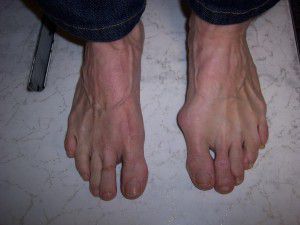
Bunions are an inherited foot deformity that can be exasperated by shoe gear and activities. They are created when your first metatarsal begins to shift out of place to stabilize your foot. They usually become worse with time and eventually cause pain and discomfort. Many patients require surgical intervention.
The surgical correction of a bunion can have great outcomes and provide long lasting benefits. In the United States there are many different approaches to correction of a bunion. I have been operating long enough to have had experience in most of these procedures. That is why my bunion correction of choice is Lapidus or Lapiplasty.
The Lapidus or Lapiplasty is a procedure that dates back almost 100 years. It was first described by Dr Lapidus and to date has stood the test of time for bunion correction. It involves utilizing a fusion of 2 bones at the apex of the bunion or where the bunion starts. This provides dynamic correction and great long-term stability. I find patients are happy with their new foot structure and often want the other side fixed as well.
If you have been contemplating bunion surgery, give me a call. I have an onsite surgery center that saves time and money. IV sedation provides for a great experience. If you would like a consultation for your bunion I can help. Call to make an appointment with me at 425-391-8666 or make an appointment online.
Sincerely,
American College of Foot & Ankle Surgeons
Diabetic Foot Conditions
Diabetes is the condition in which the body does not properly process food for use as energy. People with Type 1 diabetes cannot produce insulin, which is required for glucose to feed your body’s cells. It is typically caused by the immune system mistaking healthy cells for foreign invaders and destroying the insulin-producing cells in the pancreas. On the other hand, people with Type 2 diabetes cannot respond to insulin properly, and eventually cannot produce enough. The Centers for Disease Control and Prevention reports that over 30 million people in the United States have diabetes, with 1 in 4 having no idea they have it. Surprisingly, diabetes is the seventh leading cause of death in the US. The symptoms of diabetes include frequent urination, fatigue, hunger, and even blurry vision.
Diabetes can also affect the feet as well. Over time, diabetes can cause nerve damage to your feet, which could then lead to symptoms such as tingling, pain and numbness in the feet. Neuropathy can be very dangerous to a person with diabetes, since it prevents them from feeling injuries such as cuts or blisters in the feet, and if not detected early enough, may lead to infection. Neuropathy can also lead changes in the shape of your feet and toes. The best way for people with diabetes to prevent or delay neuropathy is keeping their blood glucose levels in their target range. This consists of eating right, having the correct amount of exercise, and taking medications.
Diabetes can also create calluses and foot ulcers as well. Calluses build up faster and occur more frequently with those affected by diabetes. If there are too many calluses, therapeutic shoes and inserts may be required. It is important to have calluses trimmed by a health professional, as doing it yourself may lead to infections. If these calluses continue to develop and thicken, they can lead to foot ulcers. Foot ulcers are open sores, that appear on the ball of the foot or on the bottom of the big toe. These ulcers can lead to future infections if not treated and may possibly result in losing a limb. It is important to report any ulcers to your podiatrist right away. Your doctor may take x-rays to examine the foot and clean out any dead and infected tissue.
Lastly, diabetes can also lead to poor circulation and peripheral arterial disease (PAD). The poor circulation in the feet and leg area is a result of diabetes narrowing and hardening, eventually slowing down the blood flow in that area. The best way to prevent this is to keep away from smoking and follow your doctor’s advice for maintaining blood pressure and cholesterol. PAD is similar to this complication. PAD is when blood vessels narrow or are blocked by fatty deposits. PAD also increases your risk of heart attacks and strokes and is a common condition to those affected by diabetes. The combination of both PAD and neuropathy may lead to infections and can result in amputation of certain limbs. PAD can be prevented with wearing the proper foot wear and regularly taking care of your feet.
If you want to take care of your feet, you should wash and dry them carefully and perform daily inspections to check for cuts, blisters, or swelling. Any physical activity you partake in should be approved by your health care provider. You should also be sure to wear special shoes if advised to do so by your doctor.
How Diabetes Affects the Feet
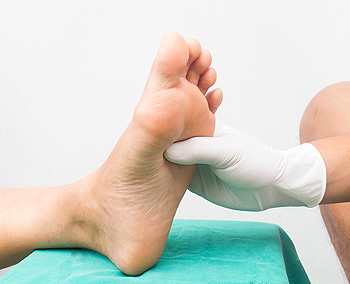
Living with diabetes involves a comprehensive approach to health, with a particular focus on the well-being of your feet. Diabetes affects the blood supply, resulting in peripheral neuropathy and peripheral vascular disease. Both conditions heighten the risk of complications, such as ulcers, gangrene, and possible loss of limb. Warning signs include cold feet, numbness, sharp leg pain, or changes in foot color. Nail changes, corns, calluses, cracked, or dry skin warrant a podiatrist's assessment within one week. The extremities, like the feet, often reveal the first signs of diabetes-related symptoms. Regular check-ups with a podiatrist are essential for tests to gauge blood circulation and nerve function. Prevention is key to averting severe diabetic-related foot problems. Daily care for diabetics includes maintaining stable blood sugar levels, refraining from smoking, engaging in regular exercise, and avoiding barefoot walking. Ensure good foot hygiene by washing and drying the feet daily, and checking the feet for sores, cuts, or unexplained bruises. Wearing well-fitting shoes is also beneficial. Should you notice persistent issues affecting the feet, it is strongly suggested that you schedule an immediate appointment with a podiatrist.
Diabetic foot care is important in preventing foot ailments such as ulcers. If you are suffering from diabetes or have any other concerns about your feet, contact the podiatrists from Issaquah Foot & Ankle Specialists. Our doctors can provide the care you need to keep you pain-free and on your feet.
Diabetic Foot Care
Diabetes affects millions of people every year. The condition can damage blood vessels in many parts of the body, especially the feet. Because of this, taking care of your feet is essential if you have diabetes, and having a podiatrist help monitor your foot health is highly recommended.
The Importance of Caring for Your Feet
- Routinely inspect your feet for bruises or sores.
- Wear socks that fit your feet comfortably.
- Wear comfortable shoes that provide adequate support.
Patients with diabetes should have their doctor monitor their blood levels, as blood sugar levels play such a huge role in diabetic care. Monitoring these levels on a regular basis is highly advised.
It is always best to inform your healthcare professional of any concerns you may have regarding your feet, especially for diabetic patients. Early treatment and routine foot examinations are keys to maintaining proper health, especially because severe complications can arise if proper treatment is not applied.
If you have any questions, please feel free to contact one of our offices located in Issaquah, WA . We offer the newest diagnostic and treatment technologies for all your foot care needs.
Dr Brandon Nelson, A Board-Certified Physician & Surgeon Discusses the Best Options for Bunion Surgery
.jpg)
Bunions are present in many different sizes and shapes. I see bunions on the inside of the foot, the outside of the foot and both. It is important to remember that some small ones can be painful, and some large ones can be pain free. It often seems to be dependent upon activity levels and shoe gear. If they hurt or limit your lifestyle then maybe it is time to fix them.
Fixing your bunion
Bunion surgery has two main procedures that are done. One is what is called a head procedure. This is basically cutting the bone and realigning it through transposition of the bone. Usually fixated with one or two screws. The other involves fusion of a joint, specifically the joint that is involved with the creation of the bunion. This procedure is called a Lapidus bunionectomy.
Bunion recovery
Recovery really depends on the procedure that is performed. Head procedures recover faster and usually involve no periods of non-weight bearing. The fusions often involve a period of crutches or knee scooters. This can be as short as 3 weeks or as long as 10 weeks. The weight bearing status can be dictated by other procedures that are done as well.
Which bunion surgery is right for me?
This is a hard question to answer. I believe this is where your consultation with your surgeon is extremely important. Other factors like lifestyle, recovery support, expectations and experience can play a major role. I think it is important to get an entire overview of the process and have a discussion with your surgeon.
If you would like a consultation for your bunion I can help. Call to make an appointment with me at 425-391-8666 or make an appointment online.
Sincerely,
American College of Foot & Ankle Surgeons
Dr Brandon Nelson, A Board-Certified Physician & Surgeon Discusses Plantar Fasciitis
Plantar fasciitis affects millions of people worldwide. It is often a debilitating condition that limits people’s activities. It is characterized by pain in one’s heel, pain when we get out of bed or can even be a bruised sensation to the bottom of the foot. Today I will discuss some of the causes, symptoms, diagnosis, and treatment. The plantar fascia itself is a thick ligament like tissue that runs on the bottom of the foot to provide support.
Causes:
The number one cause is overuse. This can be exercise or standing all day or a change in the amount of either of these. Other causes can be shoe gear, weight or even the foot structure one is born with.
Symptoms:
The most common symptom is sharp heel pain, especially when you first get up from a seated position. This usually improves as we walk but returns at the end of the day. Some people experience stiffness or even burning.
Diagnosis:
A good clinical examination can help identify plantar fasciitis for most people. The is usually pain with palpation of the heel, specifically at the heel bone where the fascia attaches. An x-ray can be useful to detect bone spurs.
Treatment:
The mainstay of treatment is to work on stretching of the foot and Achilles. Additionally, increasing support for the feet can be helpful. Often by the time I see patients an injection is needed to calm down the inflammation and help with recovery.
If you would like a consultation on your heel pain, I can help. Call to make an appointment with me at 425-391-8666 or schedule an appointment online.
Sincerely,
Dr Brandon Nelson
American College of Foot & Ankle Surgeons
Check if allow_url_fopen is enabled on your server. It is mandatory. If not then you must activate it. Contact with your Server Admin / Hosting Provider.
Steps to enable allow_url _fopen :
allow_url_fopen = on
allow_url_include = on.
Add it to php.ini settings.
Google Business Reviews Error Notice!
Read Below Steps Carefully :
1. Check your API key and PLACE id. May be it is not right. Make sure it is correct one.
2. This message commonly shows when api key is exceeded daily request quota for this API or there is no active billing account for this API. Because according to Google there is a limit for free API key. If it exceeds they ask for billing.
3. To know more about Google Pricing , Check here : Google Pricing
4. You can create your Google API key here
5. Must use a right PlaceID. Get PlaceID here
6. One important thing, Don't forget to add billing account to Google. Must check what Google says here
7. If you still find issue , then check first if your Business registered with Google or not. Read more about it here
8.Still find issue, then contact developer : info@aaextensions.com or ashik685@gmail.com
