




September 2023
Footwear Influence on Bunions

Bunions, or hallux valgus, is a foot deformity where the big toe tilts toward the second toe, causing a bony lump on the side of the foot. Symptoms include pain, swelling, callused skin, and changes in foot shape. Contrary to popular belief, fashion shoes such as high heels do not directly cause bunions. Bunions are primarily the result of a genetic predisposition and the mechanical structure of the foot. However, wearing shoes that squeeze the forefoot and crowd the toes can worsen an existing condition and lead to pain and joint deformity. Bunions can also develop due to factors such as age, arthritis, or sports activities. Preventing bunions involves choosing sensible, well fitting footwear with ample toe room. Avoiding pointed shoes and excessive heels can be helpful. Proper footwear, non surgical treatments and wearing orthotics are initial choices. Surgery is typically the last option for bunions causing significant pain. This involves removing the bony lump and realigning the big toe, ultimately improving foot function and comfort. If you have a bunion that is causing discomfort, it is suggested that you make an appointment with a podiatrist to have it evaluated and obtain appropriate treatment.
If you are suffering from bunion pain, contact the podiatrists of Issaquah Foot & Ankle Specialists. Our doctors can provide the care you need to keep you pain-free and on your feet.
What Is a Bunion?
Bunions are painful bony bumps that usually develop on the inside of the foot at the joint of the big toe. As the deformity increases over time, it may become painful to walk and wear shoes. Women are more likely to exacerbate existing bunions since they often wear tight, narrow shoes that shift their toes together. Bunion pain can be relieved by wearing wider shoes with enough room for the toes.
Causes
- Genetics – some people inherit feet that are more prone to bunion development
- Inflammatory Conditions - rheumatoid arthritis and polio may cause bunion development
Symptoms
- Redness and inflammation
- Pain and tenderness
- Callus or corns on the bump
- Restricted motion in the big toe
In order to diagnose your bunion, your podiatrist may ask about your medical history, symptoms, and general health. Your doctor might also order an x-ray to take a closer look at your feet. Nonsurgical treatment options include orthotics, padding, icing, changes in footwear, and medication. If nonsurgical treatments don’t alleviate your bunion pain, surgery may be necessary.
If you have any questions, please feel free to contact one of our offices located in Issaquah, WA . We offer the newest diagnostic and treatment technologies for all your foot care needs.
Bunions
A bunion is an enlargement of the base joint of the toe that connects to the foot, often formed from a bony growth or a patch of swollen tissues. It is caused by the inward shifting of the bones in the big toe, toward the other toes of the foot. This shift can cause a serious amount of pain and discomfort. The area around the big toe can become inflamed, red, and painful.
Bunions are most commonly formed in people who are already genetically predisposed to them or other kinds of bone displacements. Existing bunions can be worsened by wearing improperly fitting shoes. Trying to cram your feet into high heels or running or walking in a way that causes too much stress on the feet can exacerbate bunion development. High heels not only push the big toe inward, but shift one's body weight and center of gravity towards the edge of the feet and toes, expediting bone displacement.
A podiatrist knowledgeable in foot structure and biomechanics will be able to quickly diagnose bunions. Bunions must be distinguished from gout or arthritic conditions, so blood tests may be necessary. The podiatrist may order a radiological exam to provide an image of the bone structure. If the x-ray demonstrates an enlargement of the joint near the base of the toe and a shifting toward the smaller toes, this is indicative of a bunion.
Wearing wider shoes can reduce pressure on the bunion and minimize pain, and high heeled shoes should be eliminated for a period of time. This may be enough to eliminate the pain associated with bunions; however, if pain persists, anti-inflammatory drugs may be prescribed. Severe pain may require an injection of steroids near the bunion. Orthotics for shoes may be prescribed which, by altering the pressure on the foot, can be helpful in reducing pain. These do not correct the problem; but by eliminating the pain, they can provide relief.
For cases that do not respond to these methods of treatment, surgery can be done to reposition the toe. A surgeon may do this by taking out a section of bone or by rearranging the ligaments and tendons in the toe to help keep it properly aligned. It may be necessary even after surgery to wear more comfortable shoes that avoid placing pressure on the toe, as the big toe may move back to its former orientation toward the smaller toes.
Types and Causes of Broken Toes
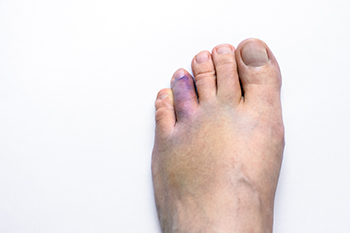
A broken toe, though seemingly minor, can cause significant pain and disruption to daily life. The types and causes of these kinds of fractures encompass a range of scenarios. First, a common cause of a broken toe can happen when the toe is stubbed against a hard surface, and is often classified as a traumatic break. Second, stress fractures, which can result from repetitive impact, can occur, particularly in athletes or people who engage in rigorous physical activities. Fractures due to osteoporosis may also cause a broken toe, especially in the elderly. Vigorous activities, accidents, falls, and even dropping heavy objects onto the foot are common triggers for toe fractures. Recognizing the types and understanding the causes of broken toes is vital in seeking timely medical attention and implementing precautionary measures to prevent these painful disruptions. If you have broken your toe, it is suggested that you consult with a podiatrist who can accurately diagnose toe fractures and guide you toward the treatment method that is correct for you.
Broken toes may cause a lot of pain and should be treated as soon as possible. If you have any concerns about your feet, contact the podiatrists from Issaquah Foot & Ankle Specialists. Our doctors will treat your foot and ankle needs.
What Is a Broken Toe?
A broken toe occurs when one or more of the toe bones of the foot are broken after an injury. Injuries such as stubbing your toe or dropping a heavy object on it may cause a toe fracture.
Symptoms of a Broken Toe
- Swelling
- Pain (with/without wearing shoes)
- Stiffness
- Nail Injury
Although the injured toe should be monitored daily, it is especially important to have a podiatrist look at your toe if you have severe symptoms. Some of these symptoms include worsening or new pain that is not relieved with medication, sores, redness, or open wounds near the toe.
If you have any questions please feel free to contact one of our offices located in Issaquah, WA . We offer the newest diagnostic tools and technology to treat your foot and ankle needs.
What to Know About a Broken Toe
Trauma to the foot, especially the toes, can occur in many ways. Banging them, stubbing them, or dropping something on them are a few different ways this trauma can occur. Given the fact that toes are positioned in front of the feet, they typically sustain the brunt of such trauma. When trauma occurs to a toe, the result can be a painful break or fracture. Another type of trauma that can break a toe is repeated activity that places stress on the toe for prolonged periods of time.
Broken toes can be categorized as either minor or severe fractures. Symptoms of minor toe fractures include throbbing pain, swelling, bruising on the skin and toenail, and the inability to move the toe with ease. Severe toe fractures require medical attention and are indicated when the broken toe appears crooked or disfigured, when there is tingling or numbness in the toe, or when there is an open, bleeding wound present on the toe.
Generally, a minor toe break will heal without long-term complications. However, it is important to discontinue activities that put pressure on the toe. It is best to stay off of the injured toe and immediately get a splint or cast to prevent any more additional movement of the toe bones. You can also immobilize your toe by placing a small cotton ball between the injured toe and the toe beside it. Then, tape the two toes together with medical tape. Swelling can be alleviated by placing an ice pack on the broken toe directly as well as elevating your feet above your head.
Severe toe fractures may be treated with a splint, cast, and in some cases, minor surgery, especially when the big toe has been broken. Due to its position and the pressure the big toe endures with daily activity, future complications can occur if it is not properly treated. Pain associated with minor toe fractures can be managed with over-the-counter pain medications. Prescription pain killers may be necessary for severe toe fractures.
The healing time for a broken toe is approximately four to six weeks. In severe cases where the toe becomes infected or requires surgery, healing time can take up to eight weeks or more. While complications associated with a broken toe are immediately apparent, it is important to note that there are rare cases when additional complications, such as osteoarthritis, can develop over time. You should immediately speak with your podiatrist if you think you have broken your toe due to trauma. They will be able to diagnose the injury and recommend the appropriate treatment options.
Dr Brandon Nelson, A Board-Certified Physician & Surgeon Discusses How The Lapiplasty Bunion Surgery Could Be Right For You
.jpg)
Bunion surgery has been utilized for more than 100 years. Recent advances in bunion surgery have created better outcomes and faster recoveries. I have been practicing now for 15 years and have not seen such a revolutionary product come to the market before. The lapiplasy system has changed bunion surgery for the better.
Lapiplasty has created a unique set of instruments to create reproducible outcomes. Previously surgeons relied on resecting bone without the use of cutting guides. The Lapiplasty system has guides and reduction clamps to get the same amount of correction every time. This has changed long-term results, making them more reliable with time.
Recovery has also changed. In the past patients could be non-weight bearing for up to 8-10 weeks. This new system often allows patients to bear weight at 2-4 weeks. Bearing weight sooner allows for improved function and less atrophy.
Lapiplasty is by far the most successful bunion surgery technique I have seen. If you are experiencing bunion pain, I can help call to make an appointment with me at 425-391-8666 or contact us online.
Sincerely,
American College of Foot & Ankle Surgeons
Dr Brandon Nelson, A Board-Certified Physician & Surgeon Discusses Things You Need To Know About Bunion Surgery
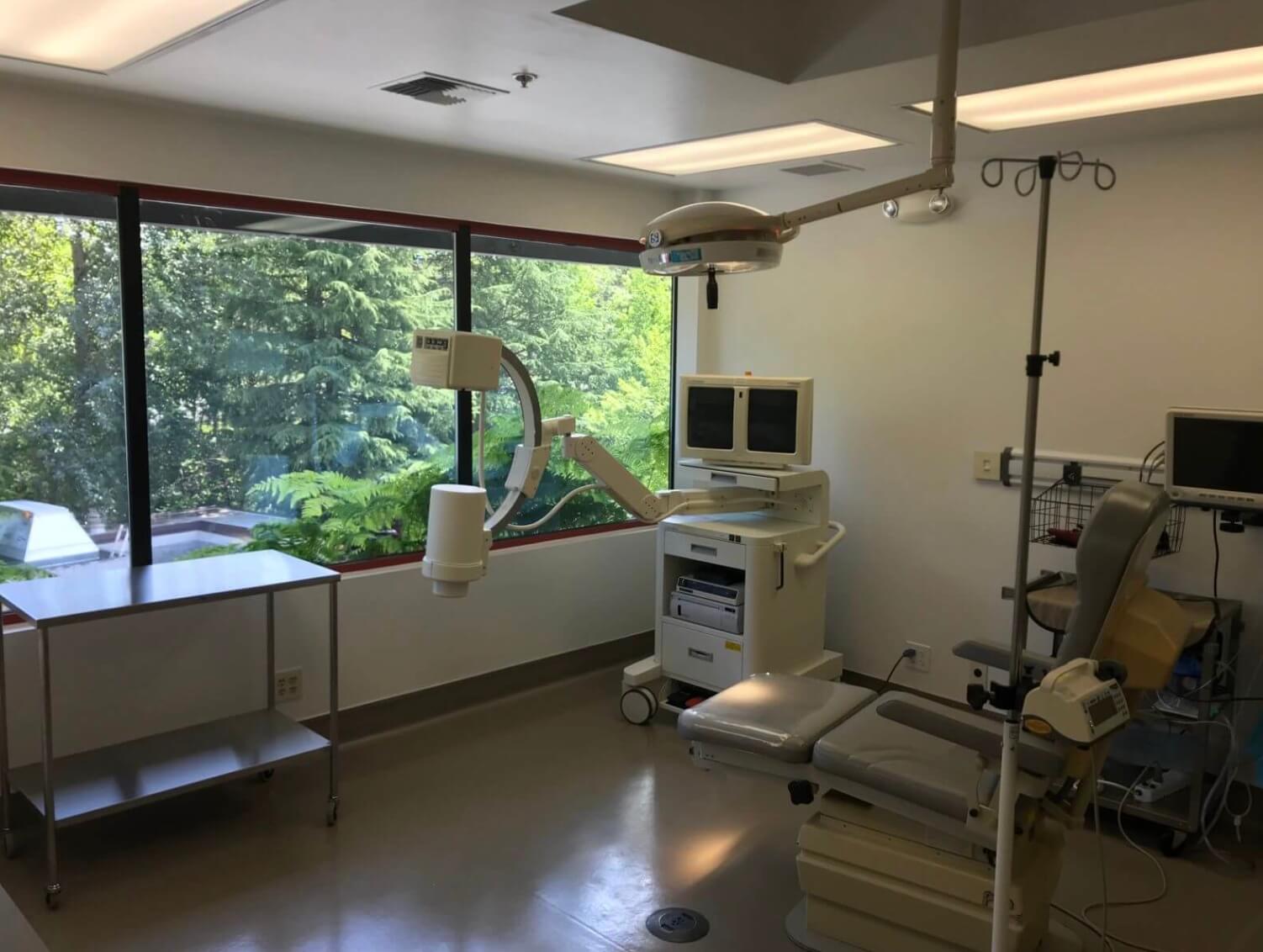
Surgery in general can be an overwhelming endeavor. There are often a lot of new instructions, medications, and appointments to keep track of. I have a few recommendations that can be helpful for anybody undergoing bunion surgery.
One of the first things to do is make a list. I love it when my patients show up with a list of questions at their pre-op appointment. This helps to make sure all topics are covered, and nothing is a mystery come surgery day. In that list often is a shopping list is helpful things like bandages, supplements, otc medications and healthy foods.
Getting a base of operation set up before surgery can help with easing the recovery. I recommend a place on the 1st floor if you have multiple levels. Somewhere that is close to the bathroom and is relatively quiet to aid in recovery. Ideally you have room for your post-op supplies nearby. It is also nice to have something in the room to help pass the time like a TV or music.
Personal hygiene is another area to touch on. I find it helpful for my patients to have some sort of stool to sit on in the shower. This helps reduce pressure on the operated foot. Additionally, if you are non-weight, bearing a toilet seat can be helpful. Practice, practice, and practice have some dry runs of showering and using the toilet before surgery to see if you need any other items. I think it is trickier than most of us remember to be off one foot.
Lastly a few miscellaneous tips;
1. Couch potato for the first 72 hours.
2. Elevating makes a big difference in long term swelling.
3. Take any recommended supplements.
4. Do not change the dressings unless instructed.
5. Lots of fluids.
6. Take a stool softener.
I hope these were helpful. If you are experiencing bunion pain, I can help call to make an appointment with me at 425-391-8666 or contact us online.
Sincerely,
American College of Foot & Ankle Surgeons
Let the Expert Treat Your Ingrown Toenails

Ingrown toenails can be painful and can make wearing shoes or walking uncomfortable. Seek professional help if you believe you've developed an ingrown toenail and be treated safely.
Check if allow_url_fopen is enabled on your server. It is mandatory. If not then you must activate it. Contact with your Server Admin / Hosting Provider.
Steps to enable allow_url _fopen :
allow_url_fopen = on
allow_url_include = on.
Add it to php.ini settings.
Google Business Reviews Error Notice!
Read Below Steps Carefully :
1. Check your API key and PLACE id. May be it is not right. Make sure it is correct one.
2. This message commonly shows when api key is exceeded daily request quota for this API or there is no active billing account for this API. Because according to Google there is a limit for free API key. If it exceeds they ask for billing.
3. To know more about Google Pricing , Check here : Google Pricing
4. You can create your Google API key here
5. Must use a right PlaceID. Get PlaceID here
6. One important thing, Don't forget to add billing account to Google. Must check what Google says here
7. If you still find issue , then check first if your Business registered with Google or not. Read more about it here
8.Still find issue, then contact developer : info@aaextensions.com or ashik685@gmail.com
