




August 2023
Foot Surgery
In most cases, foot surgery is often chosen as the last available option for conditions that have otherwise been unsuccessfully treated. Surgery may be necessary for several reasons, including the removal of foot deformities (e.g. bone spurs or bunions), arthritis problems, reconstruction due to injury, and congenital malformations (e.g. club foot or flat feet). Regardless of one’s age, foot surgery may be the only successful option for treatment for certain conditions.
The type of surgery one undergoes depends on the type of foot condition the patient has. For the removal of a bunion growth, a bunionectomy is necessary. If the bones in the feet need to be realigned or fused together, a surgical fusion of the foot is needed. For pain or nerve issues, a patient may require surgery in which the tissues surrounding the painful nerve are removed. Initially, less invasive treatments are generally attempted; surgery is often the last measure taken if other treatments are unsuccessful.
While in many cases surgery is often deemed as the final resort, choosing surgery comes with certain benefits. The associated pain experienced in relation to the particular condition is often relieved with surgery, allowing patients to quickly resume daily activities. The greatest benefit, however, is that surgery generally eliminates the problem immediately.
Podiatry history has shown that foot treatments continue to evolve over time. In the field of foot surgery, endoscopic surgery is just one of the many advanced forms of surgery. As technology vastly improves so too will the various techniques in foot surgery, which already require smaller and smaller incisions with the use of better and more efficient tools. Thanks to such innovations, surgery is no longer as invasive as it was in the past, allowing for faster and easier recoveries.
Foot Surgery for Rheumatoid Arthritis May Improve Mobility

Rheumatoid arthritis, abbreviated RA, is a chronic autoimmune condition that can severely impact the joints, including those in the feet. When conservative treatments fail to provide adequate relief, foot surgery becomes a viable option for managing RA and related foot deformities. Surgical procedures aim to correct joint alignment, reduce inflammation, and improve overall foot function. Common surgical interventions for RA in the feet include a synovectomy, which is the removal of the inflamed joint lining, tendon repair or transfer, joint fusion, and joint replacement. It's important to note that foot surgery for RA is considered a last resort when other treatments have proven ineffective. It is beneficial for patients to work closely with their podiatrist to determine the most suitable surgical approach based on individual needs and medical history. While foot surgery may involve a recovery period, it can significantly enhance mobility, reduce pain, and ultimately improve the quality of life for those living with RA. It is suggested that you consult with a podiatrist if this condition affects you.
Foot surgery is sometimes necessary to treat a foot ailment. To learn more, contact the podiatrists of Issaquah Foot & Ankle Specialists. Our doctors will assist you with all of your foot and ankle needs.
When Is Surgery Necessary?
Foot and ankle surgery is generally reserved for cases in which less invasive, conservative procedures have failed to alleviate the problem. Some of the cases in which surgery may be necessary include:
- Removing foot deformities like bunions and bone spurs
- Severe arthritis that has caused bone issues
- Cosmetic reconstruction
What Types of Surgery Are There?
The type of surgery you receive will depend on the nature of the problem you have. Some of the possible surgeries include:
- Bunionectomy for painful bunions
- Surgical fusion for realignment of bones
- Neuropathy decompression surgery to treat nerve damage
Benefits of Surgery
Although surgery is usually a last resort, it can provide more complete pain relief compared to non-surgical methods and may allow you to finally resume full activity.
Surgical techniques have also become increasingly sophisticated. Techniques like endoscopic surgery allow for smaller incisions and faster recovery times.
If you have any questions, please feel free to contact one of our offices located in Issaquah, WA . We offer the newest diagnostic and treatment technologies for all your foot care needs.
Dr Timoth Young, Board Certified Foot Surgeon talks about Lapidus and Lapiplasty Fixation: Advancements in Foot and Ankle Surgery Part 2
Dr Timoth Young, Board Certified Foot Surgeon talks about Lapidus and Lapiplasty Fixation: Advancements in Foot and Ankle Surgery Part 2
Benefits of Lapidus and Lapiplasty Fixation:
Improved Alignment: Both procedures aim to correct the alignment of the foot bones, which not only relieves pain but also helps restore normal foot function.
Faster Recovery: Lapidus and Lapiplasty procedures enable patients to return to weight-bearing activities sooner than traditional methods, reducing downtime.
Reduced Risk of Recurrence: Lapiplasty fixation, in particular, targets the underlying cause of bunions, reducing the likelihood of recurrence.
Long-Term Results: The fusion achieved through these fixation methods creates stable and lasting joint alignment, offering enduring relief from pain and discomfort.
Minimal Soft Tissue Disruption: These procedures typically involve less disruption of soft tissues, leading to reduced scarring and a potentially smoother recovery process.
Conclusion: Lapidus and Lapiplasty fixation procedures are innovative approaches to correcting foot and ankle deformities, especially bunions. With their focus on achieving proper bone alignment and stability, these procedures offer patients improved quality of life, reduced pain, and faster recovery times. If you're experiencing foot and ankle issues, consult a qualified orthopedic surgeon to determine whether Lapidus or Lapiplasty fixation could be the right solution for you. Always remember that personalized medical advice is crucial before making any decisions regarding surgical interventions.
If you are experiencing foot or ankle pain, give us a call today at 425-391-8666 or make an appointment online.
Dr Timoth Young, Board Certified Foot Surgeon talks about Lapidus and Lapiplasty Fixation: Advancements in Foot and Ankle Surgery
Dr Timoth Young, Board Certified Foot Surgeon talks about Lapidus and Lapiplasty Fixation: Advancements in Foot and Ankle Surgery Part 1
Introduction: Foot and ankle disorders can significantly impact a person's quality of life, affecting their ability to walk, stand, and perform daily activities. Over the years, surgical techniques and technologies have evolved to address these issues effectively. One of the notable advancements in foot and ankle surgery is the Lapidus and Lapiplasty fixation procedures. In this blog, we'll delve into what these procedures are, how they work, and their benefits for patients.
Lapidus Fixation: The Lapidus procedure, also known as the first tarsometatarsal (TMT) joint arthrodesis, is a surgical technique designed to correct deformities in the first metatarsal and medial cuneiform bones of the foot. This procedure is commonly used to treat conditions such as hallux valgus (bunions) and hypermobility of the first TMT joint. The primary goal of the Lapidus procedure is to achieve stability in the joint, alleviate pain, and improve the alignment of the foot.
During the Lapidus procedure, a surgeon makes an incision on the top of the foot near the first TMT joint. The joint is then realigned, and screws or other fixation devices are used to hold the bones in their corrected positions. Over time, the bones fuse together, creating a stable and properly aligned joint. This fusion eliminates the pain associated with joint movement and provides long-lasting relief.
Lapiplasty Fixation: The Lapiplasty procedure is a modern advancement in foot surgery that specifically targets bunions by addressing the root cause of the deformity. Unlike traditional bunion surgeries that focus on removing the bony bump, the Lapiplasty procedure aims to correct the misalignment of the metatarsal bone responsible for the bunion formation. This technique not only provides a more aesthetic result but also reduces the risk of bunion recurrence.
During the Lapiplasty procedure, a surgeon makes a precise cut in the metatarsal bone to realign it to its proper position. Specialized instrumentation is used to stabilize the bone, and fixation plates and screws are inserted to secure the corrected alignment. This approach allows patients to bear weight on the treated foot shortly after surgery, resulting in a faster recovery compared to traditional methods.
If you are experiencing foot or ankle pain, give us a call today at 425-391-8666 or make an appointment online.
Flip Flops and Your Feet
When the weather heats up, you may want to start wearing flip-flops. However, it has been proven that these are not the ideal shoes in terms of preserving the health of your feet.
Flip flops are known to expose your feet to different types of bacteria and fungal infections. When you wear your flip flops in public, you are exposing them to staphylococcus which is a skin-irritating bacterium. Athlete’s foot is also highly contagious and can be spread when you walk around nearly-barefoot.
Another harmful effect of wearing flip-flops is that they develop blisters on the feet. This is because the thin strap rubs against the skin with each step taken. Unfortunately, when blisters pop, they cause you to be more vulnerable to pathogens you pick up by having your feet exposed.
These shoes may also cause “shooting pains”. If you have flat feet, you need arch support to keep your knees, hips, and back in alignment. If you wear flat shoes, your joints are forced to compensate which can cause injuries throughout the body.
If you constantly wear flip-flops, you should avoid doing so as they can lead to many problems for your feet. If you are experiencing any of these foot issues, you should seek help from a podiatrist right away.
Why Flip Flops May Harm Your Feet

Flip-flops are a popular choice of footwear during the warm summer months, offering ease and convenience. However, beneath their casual appeal lies a hidden danger for your feet. One of the main issues with flip-flops is their lack of support and cushioning. Flip-flops provide minimal arch support, which can lead to foot conditions such as plantar fasciitis and flat feet. Additionally, the thin soles offer little protection from sharp objects or uneven surfaces, increasing the risk of foot injuries. The loose fitting design can cause the toes to grip onto the shoe, leading to toe pain and deformities that can include hammertoes. The constant flip-flop motion can strain the tendons and muscles in the feet and legs. To safeguard your foot health, it is best to limit flip-flop usage and choose more supportive footwear while walking long distances or engaging in physical activities. If you would like more information about how wearing flip-flops can affect your feet, it is suggested that you consult with a podiatrist who can provide you with the knowledge you are seeking.
Flip-flops can cause a lot of problems for your feet. If you have any concerns about your feet or ankles, contact the podiatrists from Issaquah Foot & Ankle Specialists. Our doctors will assist you with all of your foot and ankle needs.
Flip-Flops and Feet
Flip-flops have managed to become a summer essential for a lot of people. While the shoes may be stylish and easy to slip on and off, they can be dangerous to those who wear them too often. These shoes might protect you from fungal infections such as athlete’s foot, but they can also give you foot pain and sprained ankles if you trip while wearing them.
When Are They Okay to Wear?
Flip-flops should only be worn for very short periods of time. They can help protect your feet in places that are crawling with fungi, such as gym locker rooms. Athlete’s foot and plantar warts are two common fungi that flip-flops may help protect your feet against.
Why Are They Bad for My Feet?
These shoes do not offer any arch support, so they are not ideal for everyday use. They also do not provide shock absorption or heel cushioning which can be problematic for your feet. Additionally, you may suffer from glass cuts, puncture wounds, and stubbed toes since they offer little protection for your feet.
More Reasons Why They Are Bad for Your Feet
- They Slow You Down
- May Cause Blisters and Calluses
- Expose Your Feet to Bacteria
If you have any questions, please feel free to contact one of our offices located in Issaquah, WA . We offer the newest diagnostic and treatment technologies for all your foot care needs.
Dr. Brandon Nelson, A Board-Certified Physician & Surgeon Discusses How The Lapiplasty Can Fix Your Bunion
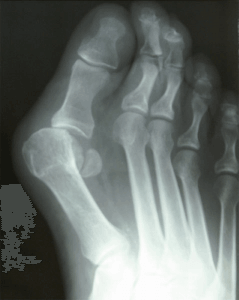
Bunions are one of the most painful foot conditions for patients that are active and can be extremely challenging for shoe gear. This is related to the fact that the forefoot begins to widen, and the 1st metatarsal phalangeal joint can become dislocated. If you are experiencing these issues, it could be time to consider fixing the problem permanently.
Bunion surgery techniques have changed dramatically over the last 5 years. This is primarily due to the advent of Lapiplasty. Historically the Lapidus bunion procedure has had an outstanding result. However, the limiting factor was recovering times. The new Lapiplasty system has changed this and improved outcomes and decreased recovery times. This has led me to change my technique to take advantage of this newer system to help my patients.
My patients have been extremely happy with the newer system. They have seen the normal recovery time cut in half. I used to see patients get into normal shoes at about 3 months and now this is around 6 weeks. If you want a quicker return to normal shoes, come, see me and we can evaluate whether you are a candidate for lapiplasty. I truly believe the best long-term results can be achieved and this is correlated with better stability of the foot. Bunion surgery has never been easier!
If you are experiencing bunion pain, I can help call to make an appointment with me at 425-391-8666 or fill out a contact form online.
Sincerely,Dr Brandon Nelson
American College of Foot & Ankle Surgeons
Ankle Sprains
Although ankle sprains may not be as serious as a broken ankle, they should be given immediate attention and care. An ankle sprain can lead to a significant amount of pain, as well as limited mobility. They are often characterized by the swelling and discoloration of the skin. This occurs when the ligaments are stretched beyond their limits.
The simple act of walking can sometimes cause a sprain, which makes ankle sprains a very common injury that can happen to anyone. They occur when the ankle twists in an awkward way or rolls over itself, causing a pop or snap in the tendons around the ankle. Some people are more at risk than others. These include athletes who continually push their bodies to the limits and also people who have previously suffered accidents to the feet, ankles, or lower legs.
Most of the time, an ankle sprain is not severe enough for hospital attention. There are many at-home treatment options available, including propping the leg up above your head to reduce blood flow and inflammation, applying ice packs to the affected area as needed, taking over-the-counter pain relievers and anti-inflammatory medication, using an ACE bandage to wrap and support the injured ankle, and most importantly, remaining off your feet until the ankle has fully healed.
Despite this, an ankle sprain can turn into a severe injury that might require hospitalization. If the ankle ligaments or muscles are damaged from a tear or rip, that is one sign that the sprain is severe enough for hospital attention and possibly for surgery. Even after the surgery, the recovery process can be long. You may need to have rehabilitation sessions administered by your podiatrist to get your ankle back to full health.
The severity of your sprain might become apparent if you are unable to stand or walk, consistent pain occurs over a prolonged period of time, swelling is much more severe than initially present, or if you start to experience tingling or numbness. These signs may indicate that your ankle sprain might actually be a broken ankle, an injury that requires immediate medical attention.
Although they are not completely avoidable, ankle sprains can be curbed with some preventative treatment measures. These include wearing appropriate-fitting shoes that not only provide a comfortable fit, but also ankle support. It is also recommended to stretch before doing any kind of physical activity, as this will help lower your body’s chance for an injury.
Types and Locations of Ankle Sprains

Ankle sprains are common injuries that can occur during various physical activities. Ankle sprains are categorized into three degrees based on the severity of the ligament damage. A first-degree ankle sprain is mild, with stretched ligaments and minimal fiber damage. A second-degree sprain is more moderate, involving partially torn ligaments. The most severe type is a third-degree sprain, where ligaments are completely torn. Two main types of sprains are inversion and eversion. Inversion sprains occur when the foot twists inward, stretching the outer ligaments and causing pain on the outside of the ankle. Eversion sprains occur when the foot twists outward, stretching the inner ligaments and causing pain on the inside of the ankle. Ankle sprains can also also be classified based on their location. Lateral sprains occur on the outside of the ankle and makeup about 80 percent of all sprains. High, or syndesmotic, ankle sprains are rarer, seen in around 15 percent of ankle sprains. Medial sprains account for about 5 percent of all ankle sprains. Treatment for ankle sprains varies depending on the severity and location. It is suggested that you make an appointment with a podiatrist for a proper diagnosis and personalized treatment plan.
Although ankle sprains are common, they aren’t always minor injuries. If you need your ankle injury looked at, contact the podiatrists from Issaquah Foot & Ankle Specialists. Our doctors can provide the care you need to keep you pain-free and on your feet.
How Does an Ankle Sprain Occur?
Ankle sprains are the result of a tear in the ligaments within the ankle. These injuries may happen when you make a rapid shifting movement while your foot is planted. A less common way to sprain your ankle is when your ankle rolls inward while your foot turns outward.
What Are the Symptoms?
- Pain at the sight of the tear
- Bruising/Swelling
- Ankle area is tender to touch
- In severe cases, may hear/feel something tear
- Skin discoloration
Preventing a Sprain
- Wearing appropriate shoes for the occasion
- Stretching before exercises and sports
- Knowing your limits
Treatment of a Sprain
In many cases, the RICE method (Rest, Ice, Compression, and Elevate) is used to treat ankle sprains. However, you should see a podiatrist to see which treatment option would work best with your injury. In severe cases, surgery may be required.
It is important to ask your doctor about rehab options after you receive treatment for your injury. Stretching, strength training, and balance exercises may help the ankle heal while also preventing further injury.
If you have any questions, please feel free to contact one of our offices located in Issaquah, WA . We offer the newest diagnostic and treatment technologies for all your foot care needs.
The Causes, Types, and Treatments of Achilles Tendon Injuries
Tendons are fibrous tissues that connect muscles with bone. The Achilles tendon is the largest tendon in the body. It connects the calf muscles at the back of the leg with the heel, and facilitates movements such as jumping, running, and walking.
Because the Achilles tendon is engaged so frequently and bears a great deal of pressure and stress throughout the day, it can become injured. Achilles tendon injuries cause the tissue to become irritated, inflamed, and swollen. Pain can come on gradually or be immediate, and will vary from mild to severe depending upon the injury. Where the pain occurs will vary as well, from just above the heel up through the back of the leg. There may also be stiffness in the tendon.
Achilles tendon injuries can often be caused by repetitive stress. They may also occur while running, playing tennis, gymnastics, football, basketball, dancing, soccer, baseball or other sports that require speeding up, slowing down, or pivoting quickly. Wearing high heels, falling from an elevation, stepping in a hole, having flat feet, bone spurs, tight leg muscles or tendons, wearing improper athletic shoes, exercising on uneven surfaces, or starting a new type of exercise can also cause Achilles tendon injuries.
The two most common Achilles tendon injuries are tendonitis and ruptures. Tendonitis causes painful inflammation and can occur in different parts of the tendon. Non-insertional Achilles tendonitis occurs when the fibers in middle of the tendon begin to break down, thicken, and swell. This condition typically affects younger, more active adults. Insertional Achilles tendonitis occurs where the tendon inserts into the heel bone. It is common for bone spurs to form with this type of injury. This condition can affect people of any age and level of activity.
Achilles tendon ruptures are a tear in the tendon. These breaks may be partial or complete. There may be an audible popping noise at the moment of injury and the pain will be sudden and severe.
An Achilles tendon injury can be diagnosed by your podiatrist after they examine you, check your range of motion, and possibly perform a calf squeeze test or review an X-ray or MRI. Depending on the type and severity of your injury, your podiatrist may treat your condition with rest/ice/compression/elevation (RICE), nonsteroidal anti-inflammatory medications, heel lifts, and stretching and strengthening exercises. If you have torn your Achilles tendon, treatment may include physical therapy, ultrasound, shockwave therapy, or possibly even surgery.
Check if allow_url_fopen is enabled on your server. It is mandatory. If not then you must activate it. Contact with your Server Admin / Hosting Provider.
Steps to enable allow_url _fopen :
allow_url_fopen = on
allow_url_include = on.
Add it to php.ini settings.
Google Business Reviews Error Notice!
Read Below Steps Carefully :
1. Check your API key and PLACE id. May be it is not right. Make sure it is correct one.
2. This message commonly shows when api key is exceeded daily request quota for this API or there is no active billing account for this API. Because according to Google there is a limit for free API key. If it exceeds they ask for billing.
3. To know more about Google Pricing , Check here : Google Pricing
4. You can create your Google API key here
5. Must use a right PlaceID. Get PlaceID here
6. One important thing, Don't forget to add billing account to Google. Must check what Google says here
7. If you still find issue , then check first if your Business registered with Google or not. Read more about it here
8.Still find issue, then contact developer : info@aaextensions.com or ashik685@gmail.com
