




September 2022
Dr Brandon Nelson, A Board Certified Physician & Surgeon Discuses Bunion Surgery and What to Expect During Recovery
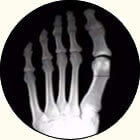
Bunion surgery continues to be one of the most common surgical procedures performed in the United States. In the United States approximately 150,000 are operated on annually. The satisfaction and success rate are high, and most patients are happy with their outcomes.
It is important be well prepared for bunion surgery and I will discuss a few tips that will make the process easier.
1. Make sure you are prepared before the day of surgery and have somebody to help for the first 24 hours
2. Set up a central command, ie a bed downstairs that you have all your necessary items near. Your medications, a bathroom, and some entertainment.
3. Bathroom - you may want to investigate a booster seat for your toilet. It can be difficult if it is too low to stand up once seated.
4. Shower, consider a shower chair or stool
5. Cast cover of something to keep your leg dry
6. Vitamin supplements, I like collagen and bone healing supplements
7. Understand your post-operative course
8. Icing - do not underestimate the importance of icing and elevation for the first 72 hours.
9. Exercise to prevent blood clot, ankle rotations, leg lifts.
I hope you find some of these tips helpful. If you are experiencing foot or ankle pain, give us a call today at 425-391-8666 or make an appointment online.
Sincerely,
Obesity and the Feet
Obesity is a common problem in American society. Approximately one third of the U.S. population is obese. Obesity is defined as a body mass index greater than 30. Obesity has the power to affect different aspects of the body, and one of the most common problems it causes is foot pain. There have been many studies that found a connection between an increased BMI and foot problems. A simple activity such as walking up a flight of stairs can increase pressure on the ankle by four to six times.
Being overweight causes the body to compensate for the extra weight by changing the way it moves. Consequently, people who struggle with obesity commonly have arch problems in their feet. Obesity causes the arch to break by stretching the ligaments and tendons that hold the bones in the foot together. When the arch lowers, the foot may eventually fall flat. Collapsed foot arches fail to provide adequate shock absorption which eventually leads to foot pain. Other conditions that may be caused by flat feet are pronation, plantar fasciitis, weak ankles, and shin splints.
Foot problems that are caused by obesity may be treated by wearing proper footwear. Proper shoes will allow your feet to have better circulation around the arch and ankle. Additionally, those with obesity often discover that typical heel pain remedies are not effective for them. They will find that their plantar fascia is easily injured, and it is often inflamed. The best way to treat this problem is to implement lifestyle changes. A few good ways to improve your diet are to reduce calories, fill up on fruits and veggies, and to limit sugars.
Custom foot orthotics can prevent foot problems if you’re carrying excess weight or are trying to lose weight. The purpose of orthotics is to provide shock absorption to decrease the amount of stress on the joints to prevent arthritis.
How Body Weight Can Affect the Feet

Many parts of the body become smaller when excess weight is lost, and this is also true of the feet. It is beneficial to have the feet properly measured when purchasing new shoes, and this will help to ensure a good fit. Research has indicated the feet absorb approximately 120 percent of the body’s weight, and this may explain why foot pain may occur. The excess weight may stretch tissues and muscles, in addition to natural fad pads wearing down. Additionally, the feet and ankles may swell from the added weight, and may generally feel uncomfortable. Many patients have noticed that by losing weight, their feet will feel better, and existing foot conditions may be alleviated. The bone structure of the foot may not change, but the width may be affected, and become smaller. It is beneficial to exercise as often as possible, and this can help the health of the feet. Eating foods that are low in sodium can help to diminish existing swelling, and wearing shoes may become easier. If you have questions about foot health before or after weight is lost, please consult with a podiatrist who can address any concerns you may have.
The more you weigh, the harder your feet must work to support your body. If you’re an obese individual and are concerned about your feet, contact the podiatrists from Issaquah Foot & Ankle Specialists. Our doctors can provide the care you need to keep you pain-free and on your feet.
Obesity and Your Feet
People who are overweight are putting more pressure on their ankles, knees, and hips as well as their feet. This unfortunately can lead to variety of different issues.
Problems & Complications Stemming from Obesity
- When the body is overweight, it tries to compensate by changing the way that it moves. An obese person may lean forward and put extra weight on the wrong part of the foot. This puts unnecessary stress on the feet.
- Obese people are also more likely to develop type II diabetes which is a condition that causes a lot of foot problems. People with diabetes often don’t feel the cuts and sores that they may have on their feet, which can lead to more complicated and severe issues.
- Plantar fasciitis is another foot condition that can be caused by obesity. Plantar fasciitis is an inflammation of the tissue along the bottom of the foot, which causes pain and stiffness while walking and climbing stairs.
If you have any questions please contact one of our offices located in Issaquah, WA . We offer the newest diagnostic and treatment technologies for all your foot and ankle needs.
Check if allow_url_fopen is enabled on your server. It is mandatory. If not then you must activate it. Contact with your Server Admin / Hosting Provider.
Steps to enable allow_url _fopen :
allow_url_fopen = on
allow_url_include = on.
Add it to php.ini settings.
Google Business Reviews Error Notice!
Read Below Steps Carefully :
1. Check your API key and PLACE id. May be it is not right. Make sure it is correct one.
2. This message commonly shows when api key is exceeded daily request quota for this API or there is no active billing account for this API. Because according to Google there is a limit for free API key. If it exceeds they ask for billing.
3. To know more about Google Pricing , Check here : Google Pricing
4. You can create your Google API key here
5. Must use a right PlaceID. Get PlaceID here
6. One important thing, Don't forget to add billing account to Google. Must check what Google says here
7. If you still find issue , then check first if your Business registered with Google or not. Read more about it here
8.Still find issue, then contact developer : info@aaextensions.com or ashik685@gmail.com
