




May 2022
Dr. Brandon Nelson, A Board Certified Physician and Surgeon, Discusses the American College of Foot and Ankle Surgeons Consensus on Bunions
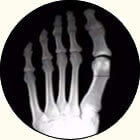
Dr Brandon Nelson, A Board Certified Physician and Surgeon, Discusses the American College of Foot and Ankle Surgeons Consensus on Bunions
This month the American College of Foot and Ankle Surgeons released an updated version of statements regarding bunion deformities. It was released to look at the best available evidence, clinical practice, and clinical experience to treat bunions. As a member and Board-Certified Surgeon, I feel it is an essential tool to have in our clinical practice. I will summarize some of the important findings:
1. The bunion is a deformity that should be considered chronic, progressive, and degenerative in nature.
2. The juvenile bunion should be evaluated and managed differently than the adult.
3. Effective assessment and evaluation require and x-ray.
4. Procedural decision making for bunions should address the specific anatomy of the deformity.
5. Bunions should always be addressed with joint preserving procedures when appropriate.
This is a main summary of what was stated. Bunions continue to be a difficult pathology for patients. If you have bunion pain I am happy to help come up with a treatment plan. Give us a call at 425-391-8666 or make an appointment online today.
Sincerely,
Dr. Timothy Young, a Board Certified Foot Surgeon, Discusses Collagen Supplements After Surgery

Dr. Timothy Young, a Board Certified foot surgeon, discusses collagen supplements after surgery.
For example Achilles tendon surgery or repair of an Achilles tendon rupture. Peroneal or posterior tibial tendon surgery. In addition zinc (25 mg up to 50 mg per day) and boron (3 mg per day) are supplements the can be helpful with deep tissue healing and wound healing. It's important to note that zinc can compete with some other essential elements such as calcium and magnesium so it's best to take zinc by itself for example at lunchtime. Remember there are always things that you can do to help your body heal.
If you are experiencing foot or ankle pain, please give us a call at 425-391-8666 or make an appointment online today.
Wounds That Don't Heal Need to Be Checked

Your feet are covered most of the day. If you're diabetic, periodic screening is important for good health. Numbness is often a sign of diabetic foot and can mask a sore or wound.
Foot Conditions May Develop From Having Rheumatoid Arthritis

There are many people who suffer from the condition that is known as rheumatoid arthritis. The feet can become affected by this ailment which may lead to other foot conditions arising. Permanent relief may be found when foot surgery is performed. Rheumatoid arthritis may lead to the development of bunions. This produces a large, bony protrusion on the side of the big toe and may be the result of the toes shifting due to the arthritic disease. Bunion surgery involves cutting the affected bones in the foot and realigning them in a normal position. Additionally, arthritis may damage specific joints in the foot and a fusion may be needed that can help to reduce pain. There are many benefits to having foot surgery performed such as resuming normal functions of the feet, completing daily activities without pain, and wearing appropriate footwear. If you have chronic pain in your feet or you are afflicted with arthritis, please confer with a podiatrist who can determine if foot surgery is right for you.
Foot surgery is sometimes necessary to treat a foot ailment. To learn more, contact the podiatrists of Issaquah Foot & Ankle Specialists. Our doctors will assist you with all of your foot and ankle needs.
When Is Surgery Necessary?
Foot and ankle surgery is generally reserved for cases in which less invasive, conservative procedures have failed to alleviate the problem. Some of the cases in which surgery may be necessary include:
- Removing foot deformities like bunions and bone spurs
- Severe arthritis that has caused bone issues
- Cosmetic reconstruction
What Types of Surgery Are There?
The type of surgery you receive will depend on the nature of the problem you have. Some of the possible surgeries include:
- Bunionectomy for painful bunions
- Surgical fusion for realignment of bones
- Neuropathy decompression surgery to treat nerve damage
Benefits of Surgery
Although surgery is usually a last resort, it can provide more complete pain relief compared to non-surgical methods and may allow you to finally resume full activity.
Surgical techniques have also become increasingly sophisticated. Techniques like endoscopic surgery allow for smaller incisions and faster recovery times.
If you have any questions, please feel free to contact one of our offices located in Issaquah, WA . We offer the newest diagnostic and treatment technologies for all your foot care needs.
Foot Surgery
In most cases, foot surgery is often chosen as the last available option for conditions that have otherwise been unsuccessfully treated. Surgery may be necessary for several reasons, including the removal of foot deformities (e.g. bone spurs or bunions), arthritis problems, reconstruction due to injury, and congenital malformations (e.g. club foot or flat feet). Regardless of one’s age, foot surgery may be the only successful option for treatment for certain conditions.
The type of surgery one undergoes depends on the type of foot condition the patient has. For the removal of a bunion growth, a bunionectomy is necessary. If the bones in the feet need to be realigned or fused together, a surgical fusion of the foot is needed. For pain or nerve issues, a patient may require surgery in which the tissues surrounding the painful nerve are removed. Initially, less invasive treatments are generally attempted; surgery is often the last measure taken if other treatments are unsuccessful.
While in many cases surgery is often deemed as the final resort, choosing surgery comes with certain benefits. The associated pain experienced in relation to the particular condition is often relieved with surgery, allowing patients to quickly resume daily activities. The greatest benefit, however, is that surgery generally eliminates the problem immediately.
Podiatry history has shown that foot treatments continue to evolve over time. In the field of foot surgery, endoscopic surgery is just one of the many advanced forms of surgery. As technology vastly improves so too will the various techniques in foot surgery, which already require smaller and smaller incisions with the use of better and more efficient tools. Thanks to such innovations, surgery is no longer as invasive as it was in the past, allowing for faster and easier recoveries.
Dr. Brandon Nelson, A Board-Certified Surgeon & Physician, Discusses Morning Foot Pain

Getting out of bed in the morning and having foot pain has to be one of the worst ways to start your day. There was a period of time where I have suffered from this condition and found it extremely frustrating in the morning and disheartening to start that way.
There are many different causes of morning foot pain and the most common cause can be a tight Achilles tendon. I cannot stress the importance of stretching your Achilles tendon throughout the day whether or not it’s on stairs or against a wall. The Achilles tendon is the most overused tendon in the human body and very rarely has time to rest. Therefore it is extremely important to maintain flexibility of the Achilles tendon and work on improving ankle range of motion.
To help resolve morning heel pain one can use a belt or theraband to work on ankle range of motion. I encourage you to use these devices to fully stretch your toes towards your nose and really stretch out the back of the ankle. Another great exercise is to use your ankle to write the alphabet a few times before getting out of bed. Additionally getting into slippers or recovery sandals can be successful in alleviating some of the morning pain.
These are just some gentle general recommendations and I encourage anybody with chronic pain evaluated by a physician before therapy. There are cases where any stretching or activities can cause increased pain or dysfunction.
Sincerely,
Dr. Brandon Nelson, A Board Certified Foot & Ankle Surgeon and Physician, Discuss Big Toe Pain
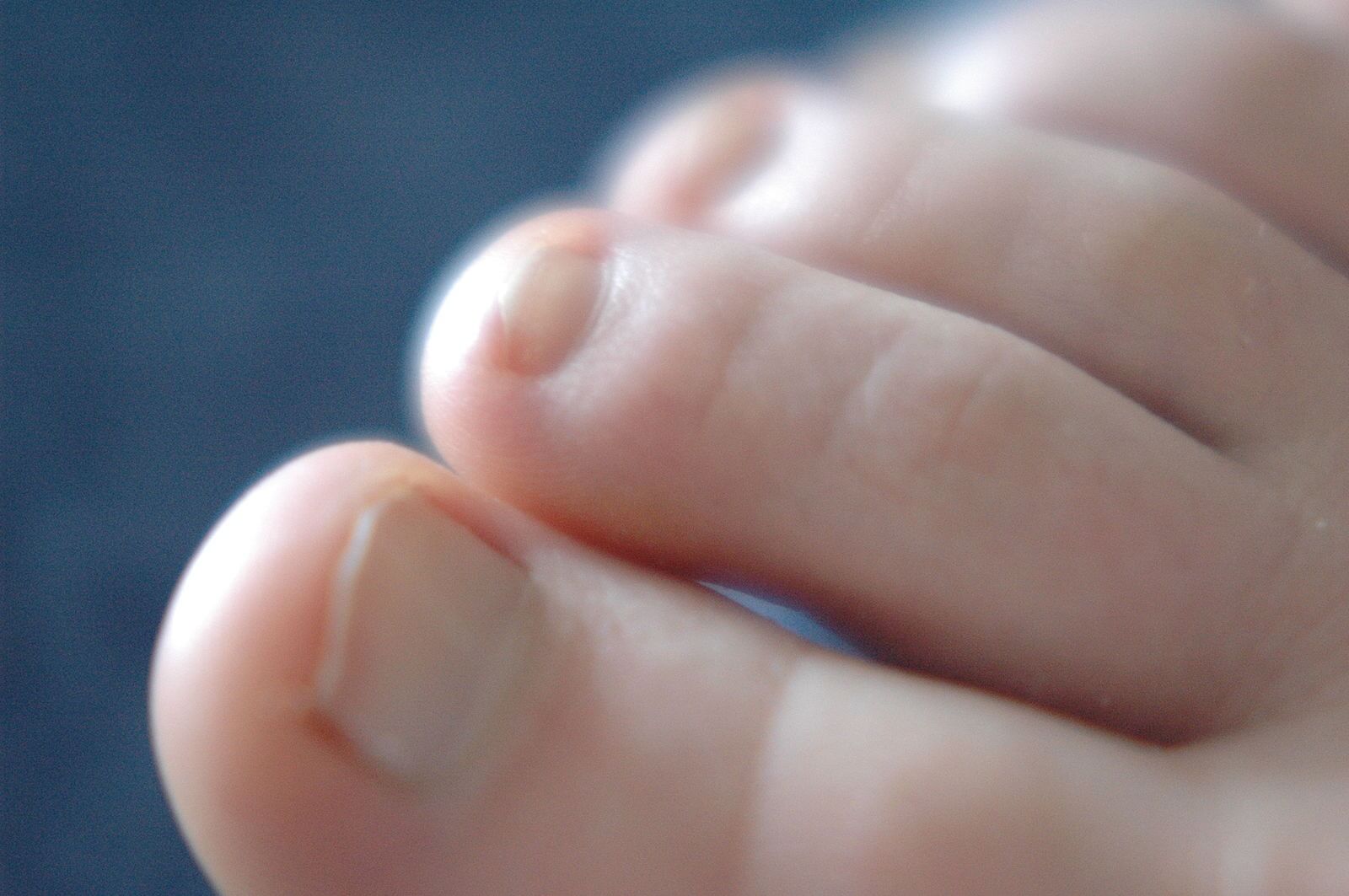
The big toe or 1st metatarsal phalangeal joint is one of the major weight bearing joints in the foot. It is utilized in the normal gait cycle and normal supports approximately 80% of the body weight with each step. With the average person walking 110,000 miles in a lifetime this can be quite a challenge if you are experiencing toe pain. There are a few major causes of toe pain and we will discuss a couple today, arthritis and bunions.
Arthritis of the big toe is caused from normal wear and tear of the joint or from a sustained injury. This can result in losing cartilage in the joint and a person begins to experience pain and swelling. The toe joint can often enlarge and every step can become painful. An x-ray is extremely helpful in establishing a diagnosis and a treatment plan. This is a common pathology of the 1st MTPJ that causes arthritis called Hallux Limitus. This is a result of abnormal pressures in the joint and can progress with time. There are quite a few options available to help this condition.
Bunions are another common reason a big toe can be painful. With a bunion you will see the toe is deviated and often appears to have a large bump. Most people will have a family history of bunions. Bunions as well become larger with time and increasingly painful. Again, an x-ray can be helpful for coming up with a treatment plan. A large majority of bunions end up requiring surgery to fix.
If you are having big toe pain, I can help. Give us a call at 425-391-866 or make an appointment online today.
Sincerely,
Plantar Fasciitis
The plantar fascia is a connective tissue in the heel that stretches across the bottom length of your foot. Plantar fasciitis occurs when the connective tissue becomes inflamed, causing heel pain and discomfort during physical activity. Although the condition is completely treatable, traditional methods can take up to a year to start becoming effective.
Plantar fasciitis is caused by a number of everyday activities, so understanding the condition is important for managing and treating it. One of the most common causes of plantar fasciitis is excessive running, especially with improper fitting or non-supportive shoes. Too much exercise can lead to the plantar fascia being overworked and overstretched, which can cause tears in the tissue. Along with improper fitting shoes, pronation, the rolling of the feet inward, is a common cause of plantar fasciitis. If not treated properly, the plantar fascia becomes overstretched and starts to tear, causing inflammation.
Despite the common causes of plantar fasciitis, there are many different treatment options. For less severe cases, conservative home remedies include taking anti-inflammatory drugs to alleviate pain, applying ice packs to the bottom of your foot and heel, slowly stretching and exercising your feet to re-strengthen the tissue, and using orthotic devices are all ways to help manage your plantar fasciitis.
For more severe cases, shockwave therapy has become a common solution for plantar fasciitis. Shockwave therapy can effectively break up the tissue on the bottom of your foot which facilitates healing and regeneration. This fights the chronic pain caused by plantar fasciitis. Even if this doesn’t work, surgery is always a final option. Surgery on the tissue itself can be done to permanently correct the issue and stop the inflammation and pain in your heels.
No matter what the case may be, consulting your podiatrist is the first and best step to recovery. Even the slightest amount of heel pain could be the first stage of plantar fasciitis. Untreated symptoms can lead to the tearing and overstretching of tissue. Because the tearing of tissue can be compounded if it remains ignored, it can evolve into a severe case. The solution is early detection and early treatment. Talk to your podiatrist about the possibilities of plantar fasciitis if you’re experiencing heel pain.
Plantar Fasciitis Is the Most Likely Cause of Heel Pain
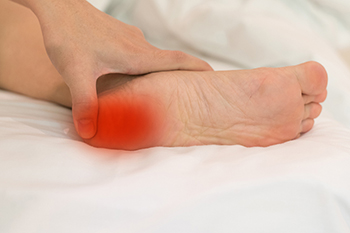
During the propulsion (toe off) stage of walking, toes bear the weight of the body as your heels rise. During this process, the toes are supported by the long, fibrous plantar fascia ligament on the bottom of the foot that connects the toes with the heel. The plantar fascia also absorbs weight and support the toes and arch when running, jumping, and dancing. Repeated stress due to overuse, obesity, improper footwear, structural anomalies in the feet, and other factors can cause the plantar fascia to become irritated, torn, and inflamed. This is a painful condition known as plantar fasciitis. The pain felt with plantar fasciitis is typically at its worst in the morning when you first wake up and begin to take your first steps. Because it is the most common form of heel pain, podiatrists see plantar fasciitis patients regularly and have a variety of options to treat it. If you are having heel pain, make an appointment with a podiatrist for an exam to get properly diagnosed and treated.
Plantar fasciitis can be very painful and inconvenient. If you are experiencing heel pain or symptoms of plantar fasciitis, contact the podiatrists from Issaquah Foot & Ankle Specialists. Our doctors can provide the care you need to keep you pain-free and on your feet.
What Is Plantar Fasciitis?
Plantar fasciitis is the inflammation of the thick band of tissue that runs along the bottom of your foot, known as the plantar fascia, and causes mild to severe heel pain.
What Causes Plantar Fasciitis?
- Excessive running
- Non-supportive shoes
- Overpronation
- Repeated stretching and tearing of the plantar fascia
How Can It Be Treated?
- Conservative measures – anti-inflammatories, ice packs, stretching exercises, physical therapy, orthotic devices
- Shockwave therapy – sound waves are sent to the affected area to facilitate healing and are usually used for chronic cases of plantar fasciitis
- Surgery – usually only used as a last resort when all else fails. The plantar fascia can be surgically detached from the heel
While very treatable, plantar fasciitis is definitely not something that should be ignored. Especially in severe cases, speaking to your doctor right away is highly recommended to avoid complications and severe heel pain. Your podiatrist can work with you to provide the appropriate treatment options tailored to your condition.
If you have any questions, please feel free to contact one of our offices located in Issaquah, WA . We offer the newest diagnostic and treatment technologies for all your foot care needs.
Check if allow_url_fopen is enabled on your server. It is mandatory. If not then you must activate it. Contact with your Server Admin / Hosting Provider.
Steps to enable allow_url _fopen :
allow_url_fopen = on
allow_url_include = on.
Add it to php.ini settings.
Google Business Reviews Error Notice!
Read Below Steps Carefully :
1. Check your API key and PLACE id. May be it is not right. Make sure it is correct one.
2. This message commonly shows when api key is exceeded daily request quota for this API or there is no active billing account for this API. Because according to Google there is a limit for free API key. If it exceeds they ask for billing.
3. To know more about Google Pricing , Check here : Google Pricing
4. You can create your Google API key here
5. Must use a right PlaceID. Get PlaceID here
6. One important thing, Don't forget to add billing account to Google. Must check what Google says here
7. If you still find issue , then check first if your Business registered with Google or not. Read more about it here
8.Still find issue, then contact developer : info@aaextensions.com or ashik685@gmail.com
