




January 2022
Calf Stretches for Prolonged Standing
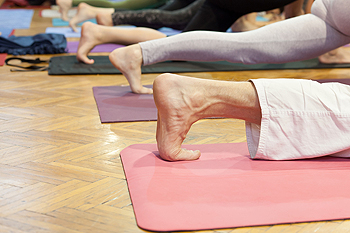
Standing for prolonged periods of time can cause aches and pains in your feet and lower limbs. In addition to wearing comfortable shoes and taking breaks to sit and walk around, one other way that you can prevent or relieve pain is to stretch. A lunging calf stretch can help prevent cramping in the calf muscles, plantar fasciitis, and other foot problems. It can also promote circulation. To do this stretch, stand one step away from a wall and place both palms flat against it. Step your left foot back and bend your right knee into a lunge. Keep your toes pointing forward and slowly push your left heel toward the ground until you feel a stretch in your calf. Hold and then repeat on the opposite foot. To learn more about the benefits of stretching your feet, please consult with a podiatrist.
Why Stretching Is Important for Your Feet
Stretching the feet is a great way to prevent injuries. If you have any concerns with your feet consult with the podiatrists from Issaquah Foot & Ankle Specialists. Our doctors will assess your condition and provide you with quality foot and ankle treatment.
Stretching the Feet
Stretching the muscles in the foot is an important part in any physical activity. Feet that are tight can lead to less flexibility and make you more prone to injury. One of the most common forms of foot pain, plantar fasciitis, can be stretched out to help ease the pain. Stretching can not only ease pain from plantar fasciitis but also prevent it as well. However, it is important to see a podiatrist first to determine if stretching is right for you. Podiatrists can also recommend other ways to stretch your feet. Once you know whether stretching is right for you, here are some excellent stretches you can do.
- Using a foam roller or any cylindrical object (a water bottle or soda can will do), roll the object under your foot back and forth. You should also exert pressure on the object. Be sure to do this to both feet for a minute. Do this exercise three times each.
- Similar to the previous exercise, take a ball, such as a tennis ball, and roll it under your foot while seated and exert pressure on it.
- Grab a resistance band or towel and take a seat. If you are using a towel, fold it length wise. Next put either one between the ball of your foot and heel and pull with both hands on each side towards you. Hold this for 15 seconds and then switch feet. Do this three times for each foot.
- Finally hold your big toe while crossing one leg over the other. Pull the toe towards you and hold for 15 seconds. Once again do this three times per foot.
It is best to go easy when first stretching your foot and work your way up. If your foot starts hurting, stop exercising to ice and rest the foot. It is advised that you then see a podiatrist for help.
If you have any questions please contact one of our offices located in Issaquah, WA . We offer the newest diagnostic and treatment technologies for all your foot and ankle needs.
Stretching Your Feet
Debilitating foot pain is a problem for many people. But just as stretching the torso can help alleviate back pain, stretching the feet can also help mend existing foot problems and prevent future ones.
The feet, as the body’s foundation, carry the body’s entire weight and can get easily strained from overexertion. Persistent sharp pain and cramping in the feet are often common concerns. Foot pain and foot problems can be due to any number of causes, and in many cases pain may be eased without medication or doctor visits. It is always a good idea, however, to first rule out any serious medical issues with a physician.
Stretching can help relax the feet and alleviate pain, but is especially important before heavy aerobic exercise. Stretching before such activities can help you avoid experiencing painful cramps or strained foot muscles. Stretches should be performed slowly and deliberately without forceful pulling. The stretch should be held for several seconds before relaxing.
A great way to stretch out and loosen up the foot muscles while sitting is to cross one leg over the other and pull the toes carefully back without overextending. Start by resting the left ankle on the right knee. With the left hand, gently flex the left foot by pulling back on the toes. Do not pull too hard; just hard enough to feel the stretch in the arch of the foot. Then point the toes of the left foot as far as you can. Rotate the motion of pointing with pulling back on the toes. This should relax and stretch the muscles on the bottom and the top of the foot. Doing this stretch ten to twenty times should bring relief. Repeat the whole process for the other foot by resting the right ankle on the left knee.
A stretch that focuses on the often injured Achilles tendon involves standing and facing a wall with your arms out and hands flat against the wall. Step back with one foot, keeping it flat against the floor. Move the other leg forward and lean toward the wall. You should feel a stretch through the back of your leg and your Achilles tendon, but do not push yourself too much. Stop when you feel a stretching sensation, and hold for 30 seconds. Ten repetitions may be done for each foot.
Stretching the feet is important for athletes or those performing aerobic exercise, but it can also help anyone with foot pain caused by poor footwear, plantar fasciitis, or long hours standing and walking. Individuals who tend to their feet by regularly stretching every day should be able to minimize foot pain and prevent new problems from arising.
Do You Suffer From Painful Feet?
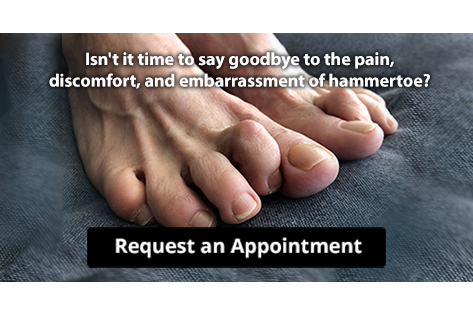
Painful deformities, such as hammertoes, can be treated. Stop living with foot pain, and have beautiful feet again!
Dr. Brandon Nelson, Board-Certified Physician and Surgeon, Discusses #1 Bunion Currently in the United States.
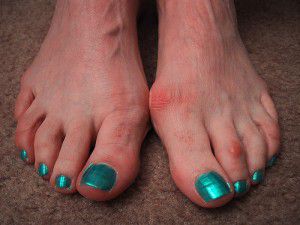
Bunion surgery continues to be the most common foot surgery United States. Tens of thousands are performed annually. The vast majority of these are performed in an outpatient setting less than a couple hours. A large percentage of these patients can begin weightbearing shortly after the procedure.
Currently there is a lot of literature around the Lapiplasty which is the device to help improve bunion correction. The idea behind the device is a 3 plane correction of the bunion this been utilized for over 6 years and on over 35,000 patients. Lateral last he device helps to correct, cut, compress and fixate the bunion procedure.
First component of the laminoplasty is correct. The device is utilized to correct the bunion in all 3 cardinal planes by allowing and alignment correction or making any cuts in the bone. A second component for contact performed via sisal J which allows an average cut between 2.4 and 3.1 mm average shortening. Third component or compresses utilized to achieve compression of the joint while maintaining the 3-D correction. The fourth and final fixate is plate system that has been biomechanically tested for multiple complaints stability and rapid return to weightbearing.
I have had experience using the lapiplasty system. The Lapidus bunionectomy remains one of my most commonly performed surgical procedures. It has great power of correction for large bunion deformities and patients with significant instability. If you currently are experiencing bunion pain and are interested in the laminoplasty I am happy to help.
Sincerely,
Board-certified American College of Foot and Ankle Surgeons
Board-certified American College of Podiatric Medicine
Dr. Brandon Nelson, Board-Certified Foot and Ankle Physician and Surgeon, Discusses Heel pain and Plantar Fasciitis
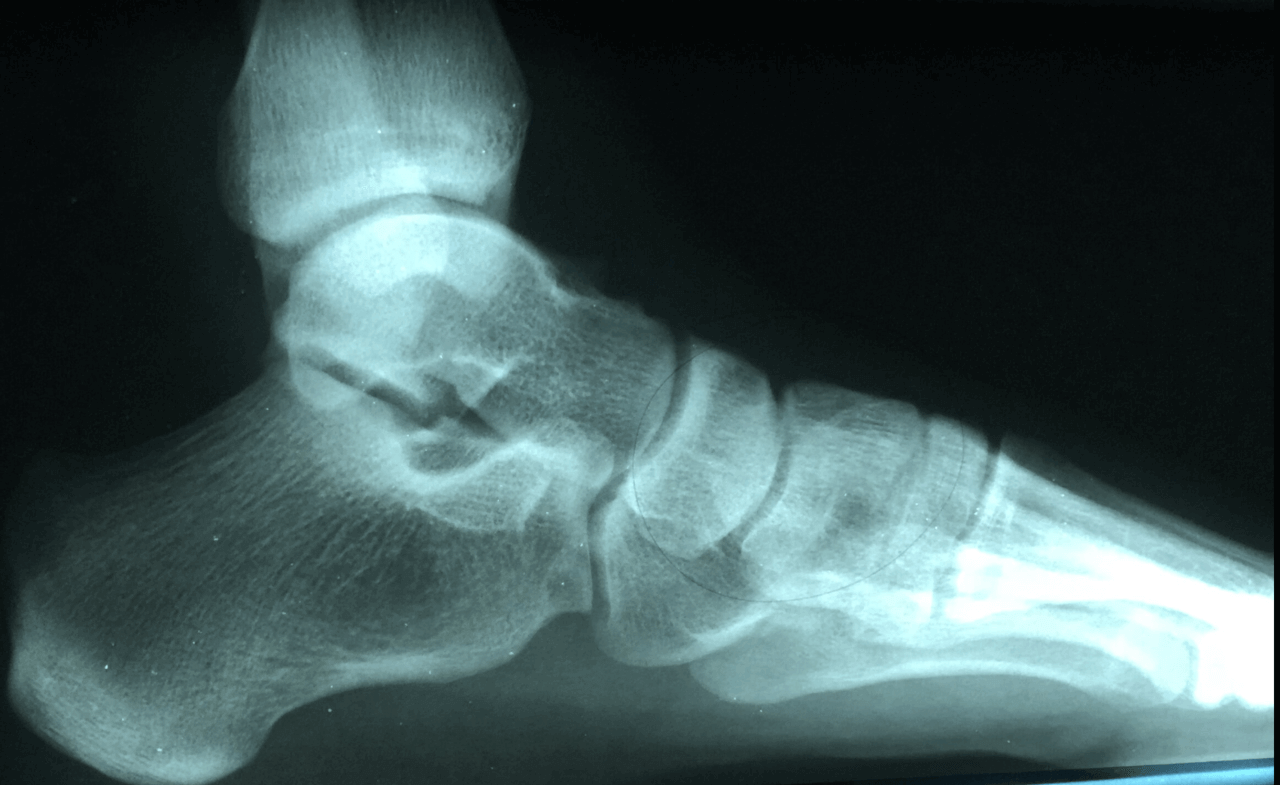
There are quite a few causes of heel pain of heel pain and it can vary by age. We tend to break it up by pediatric meaning anybody less than 18 and adult heel pain anybody over 18. Regardless of the age and the patient heel pain can be extremely challenging and very painful. We see quite a few adults and children that are highly athletic and struggling with resolving their heel pain.
Heel pain and children is typically sourced to a disorder called calcaneal apophysitis. This is a condition where the growth plate of the heel is affected. Often times with young man this occurs between the ages of 14 and 16 and for young limited between the ages of 12 and 14. We see a high correlation with sport activities especially cleated sports. It is important to have an x-ray and follow-up with the foot and ankle physician in order to evaluate the other underlying causes.
Adults tend to have pain that occurs in the morning especially when getting out of bed or after activities. We see the majority of people have often increased their exercise routine or started a new activity. The #1 cause of heel pain and adults remains plantar fasciitis. The plantar fascia is the main supporting network of the foot and can become tired and worn out with age. Again it is important to seek help from a foot and ankle physician to determine whether or not this is the underlying cause.
Heel pain in both pediatrics and adults is highly treatable and early intervention is better. The majority of these causes can be distinguished of the first visit and felt can be implemented immediately. If you’re having heel pain please make an appointment today and I can help.
Sincerely Dr. Brandon Nelson
Board-Certified Foot and Ankle Physician and SurgeonGeriatrics and Podiatry
Bone density loss, dry skin, poor circulation, and rough and brittle nails are some of the common problems that can occur as people age. The effect that these problems has on foot health should be of particular concern in comprehensive geriatric care.
Feet that are diseased or injured have a negative effect on overall health and safety. Painful feet limit a person’s willingness and ability to stay active. Poor foot health can also cause gait change, which can lead to falls and accidents. Even though recovery time from health problems naturally slows as we age, many foot problems can be avoided altogether with regular prophylactic care.
Feet should be thoroughly washed in warm water daily. Care must be taken to dry the feet well, making sure to dry between and under the toes. Any left-over moisture can cause problems like foot fungus. After cleaning feet carefully check for problems such as cracked skin, bruises, swelling, cuts, corns, or other irregularities.
Examine toenails for ingrown, jagged, or split nails. Long toenails should be cut straight across. Never cut toenails at an angle or down the side as this may lead to ingrown nails.
Cracked and dry feet should be treated once or twice a day with a non-greasy moisturizer. Rub the moisturizer into the skin and allow it to dry before putting on socks and shoes. Sweaty feet can be dusted with a small amount of talcum powder. Avoid putting talcum directly into shoes as this may make feet slip within the shoe and cause a serious fall.
Wear clean dry socks each day. Not only do clean socks feel better on the feet, but socks worn for longer periods may harbor disease and odor-causing bacteria. Socks should not be tight around the top as they can leave marks on the leg. Socks that are too small can bring about bruising caused by pressure against the toes.
Wear comfortable and well-fitting shoes. If possible, consult a professional footwear specialist when purchasing shoes. Do not walk around barefoot as this exposes the feet to possible injury and bacteria.
Good foot health allows a more active lifestyle, which improves blood flow. Good circulation aids in recovery from injury or illness. It is also important for maintaining overall health.
Serious health problems can manifest themselves as symptoms in the feet. The elderly should seek professional help from a podiatrist if experiencing foot problems like tingling, numbness, pain, infection, or a sore that does not heal. Taking care of these problems right away can prevent the development of severe cases.
Who Is Most at Risk for Age-Related Foot Problems?
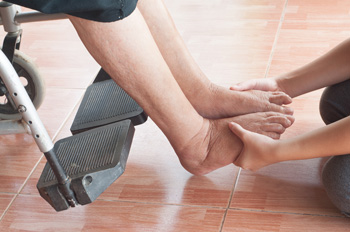
Aging is a natural risk factor for many foot problems, including bunions, corns, calluses, hammertoes, ingrown toenails, fungal infections, diabetic foot problems, arthritis, heel pain, tarsal tunnel syndrome, and more. This is because as you age, your feet tend to spread and lose the fatty padding that cushions them. People with certain underlying medical conditions such as diabetes, arthritis, neuropathy, and congenital foot deformities may be more likely to develop foot problems. Specific lifestyle factors like wearing ill-fitting shoes, standing for prolonged periods of time, walking on hard surfaces, and being overweight can all contribute to the risk of foot problems. While medical risk factors are often outside of one’s control, lifestyle factors can usually be modified to prevent potential foot issues. For more information about aging and foot health, it is suggested that you consult with a podiatrist.
If you need your feet checked, contact the podiatrists of Issaquah Foot & Ankle Specialists. Our doctors will attend to all of your foot and ankle needs and provide you with quality treatment.
Geriatrics and Podiatry
When people age, some common issues that may occur are bone density loss, dry skin, poor circulation, and rough brittle nails. These issues may also affect your foot health if the necessary steps are not taken to alleviate the problems.
It is important to take care of your feet because feet that are injured or diseased can affect your overall health. Having painful feet hinders your ability to do daily activities or may decrease your willingness to do the things that you need to do.
Visiting Your Geriatrician
As we age, health problems become more likely, so it is essential to visit your doctor for check-ups to ensure that you are doing the best you can to take care of your health. It is recommended to check your feet frequently for any possible cuts, bruises, swelling, corns or any other irregularities.
Taking Care of Elderly Feet
Cracked or dry feet can be treated by applying moisturizer often. It is also important not to wear old socks because the older the sock is, the higher the possibility there will be that there is bacteria there. Wear fresh socks and make sure they fit properly.
Proper foot health means that you can have a more active lifestyle and you will not be bogged down by pain. Foot health also leads to good circulation, which is paramount for overall health.
If you have any questions, please feel free to contact one of our offices located in Issaquah, WA . We offer the newest diagnostic and treatment technologies for all your foot care needs.
Check if allow_url_fopen is enabled on your server. It is mandatory. If not then you must activate it. Contact with your Server Admin / Hosting Provider.
Steps to enable allow_url _fopen :
allow_url_fopen = on
allow_url_include = on.
Add it to php.ini settings.
Google Business Reviews Error Notice!
Read Below Steps Carefully :
1. Check your API key and PLACE id. May be it is not right. Make sure it is correct one.
2. This message commonly shows when api key is exceeded daily request quota for this API or there is no active billing account for this API. Because according to Google there is a limit for free API key. If it exceeds they ask for billing.
3. To know more about Google Pricing , Check here : Google Pricing
4. You can create your Google API key here
5. Must use a right PlaceID. Get PlaceID here
6. One important thing, Don't forget to add billing account to Google. Must check what Google says here
7. If you still find issue , then check first if your Business registered with Google or not. Read more about it here
8.Still find issue, then contact developer : info@aaextensions.com or ashik685@gmail.com
